You’d think, in a world bursting at the seams with tweets, livestreams, reels, and DMs, that people would feel seen. But often, it’s the opposite. Audiences crave truth, not noise. Connection, not just content. So, brands, here’s the inconvenient truth: the billboard voice is dying. Long live the barstool voice. The one that feels like a friend is talking.
Let’s go back. Not too far—just before the era of filters, scripts, and carefully orchestrated “behind-the-scenes” videos. People used to speak plainly. It wasn’t glamorous, but it was real. And that—real—is what wins hearts in the digital age. It’s what creates magnetic trust.

The Power of Raw Conversations
Authenticity doesn’t shout. It listens, then whispers something personal. A recent study from Stackla revealed that 90% of consumers say authenticity is important when deciding which brands they like and support. But here’s the kicker: 51% of consumers believe that less than half of brands create content that resonates as authentic. That’s a massive disconnect. And an even bigger opportunity.
Real conversations—yes, the kind that zigzag awkwardly or erupt in laughter over nothing—are powerful. They don’t try too hard. They don’t pitch. And this is exactly what brands must mirror if they want to survive the culture of hyper-skepticism. If your tweet sounds like it was engineered in a boardroom, it’s doomed.
From Scripted to Sincere: Learning from Peer Talk
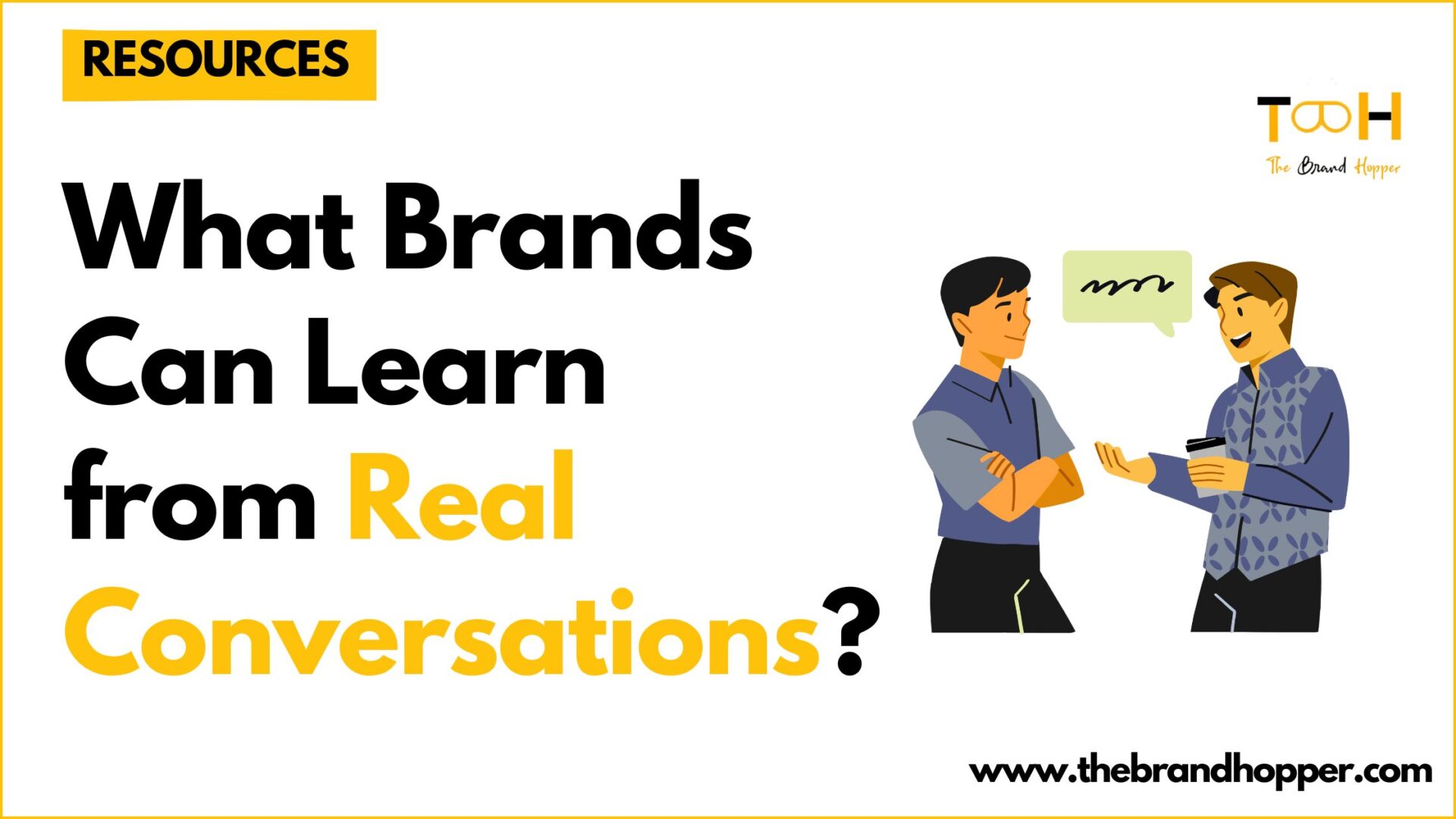
Ever listened to two people chat when they don’t know you’re watching? The way their language flows, overlaps, pauses—utterly human. No CTA. No branded hashtag. Just… talking.
This is the energy brands need to emulate. Not replicate—emulate. Because people don’t want your carefully bullet-pointed value proposition. They want honesty. They want flaws. They want humanity. And this is where a shift must occur—from performance to presence. From “customer journey” to actual journey.
Start with your replies. Stop treating them like support tickets. Let them breathe. Let them be unscripted. Then go deeper—host real conversations with your community. On Discord. On Reddit. Even Twitter Spaces. And if you dare, even anonymous spaces.
Anonymous Video Chat: A Testbed for Brand Truth
It’s not where most marketers go first, but maybe that’s why it matters. Anonymous video chats strip away the filters—literally and figuratively. No profile pics. No bios. Just eye contact and words. When you talk to strangers video call, you can find out people’s honest attitudes to different ideas, trends in society and find points for development. Where is the fertile ground for communication? There are many platforms, you can try CallMeChat – a modern and smart tool for communicating with strangers.
Too risky? Maybe. But what’s riskier is pretending your audience doesn’t crave this level of honesty. In controlled beta tests, companies who ran anonymous video feedback sessions saw up to 32% more constructive criticism than traditional surveys—and, crucially, 41% more engagement with their follow-up campaigns. The barrier of identity gone, truth floods in.
Brands should pay attention not only to what is said—but to how people behave when no one’s watching. That’s the gold.
Let Customers Talk First
You’ve seen it. The classic mistake. Brand drops new product. Brand tells the audience what they should feel. Audience yawns. Instead, what if you asked them to define the product? Let your followers give it a nickname. Let your Discord users write the slogan. Let your critics speak—without hiding or muting them.
Because in the backlash, there’s a blueprint. If they’re yelling, at least they’re engaged. Use it. Ask better questions. Build features based on the heat, not despite it. Turn critics into co-creators. Authenticity isn’t about soft marketing. It’s about radical participation.
Ditch the Gloss, Embrace the Grit
Your brand doesn’t have to be perfect. Just honest. Patagonia’s raw employee interviews? Powerful. Dove’s “Real Beauty” campaign? Still resonates. Ben & Jerry’s unapologetic political stances? Magnetic to loyalists.
What’s missing from most brand pages isn’t another slick video. It’s messiness. Imperfection. The stumble in a founder’s voice. The laughter between devs during a livestream. The community manager replying “lol that’s fair” to a meme roasting the product. These aren’t mistakes—they’re trust points.
According to Sprout Social, 64% of consumers want brands to connect with them. Not advertise them. Just connect. Show up. Reply. React. Rethink.
The Currency of the Future: Realness
Forget likes. Forget impressions. The real currency in 2025? Emotional footprint. What did your brand make them feel—genuinely? Did you make them laugh? Did you make them feel seen? Or did you just make them scroll?
Authenticity isn’t a strategy. It’s a language. And either you’re fluent, or you’re filtered. There’s no in-between anymore.
Final Thought: Be Who You Say You Are
In a world where AI writes content, filters morph faces, and algorithms prioritize polish—authenticity stands out like a heartbeat in a machine. People know. People feel. So be your brand. Fully. Messily. Loudly, at times. Quietly, when needed.
If you’re not listening, someone else is. If you’re not speaking the human language, someone else is. And if you’re not being real, you’re already invisible.
To read more content like this, explore The Brand Hopper
Subscribe to our newsletter