Pantene is one of the world’s most iconic haircare brands, known for its promise of strong, healthy hair and decades of memorable marketing campaigns. Founded in 1945 in Switzerland by Hoffmann-La Roche, the brand was named after its key ingredient panthenol (Pro-Vitamin B5) and debuted as a premium hair care line in Europe. Procter & Gamble acquired Pantene in 1985 and rapidly expanded it worldwide. Today, Pantene has a presence in nearly 100 countries and stands as a market leader with a global brand value of about $5.168 billion (as of 2024).
Pantene’s core identity centers on making “salon-quality” hair care accessible to the mass market. The brand strategically positions itself as an affordable alternative to high-end salon brands, delivering professional results at a reasonable price. This positioning has helped Pantene become a trusted choice for consumers seeking high-quality haircare solutions without breaking the bank. Pantene’s target audience spans a wide range of women who value hair health and beauty, with particularly strong engagement among women in their 40s and 50s. By focusing on hair strength and vitality (embodied in its tagline “Strong Is Beautiful”), Pantene appeals to consumers’ aspirations for healthy, beautiful hair.
Over the decades, Pantene has built massive brand equity through innovative products and powerful marketing. The brand’s signature Pantene Pro-V formula (rich in Pro-Vitamins) became synonymous with shiny, resilient hair, and Pantene’s campaigns have become part of pop culture. Notably, the 1980s “Don’t hate me because I’m beautiful” ad campaign became one of the most famous and memorable slogans in beauty advertising, exemplifying Pantene’s flair for compelling messaging. By the mid-1990s, Pantene had grown into a billion-dollar brand for P&G, a testament to its marketing prowess and deep resonance with consumers worldwide.
In the following sections, we will explore key marketing strategies that Pantene has employed to achieve and sustain its global success. From product innovation and celebrity endorsements to digital engagement and cause marketing, Pantene’s multifaceted approach offers valuable insights into how a brand can grow from a single premium shampoo line into a worldwide haircare powerhouse. As a result of these efforts, Pantene remains one of P&G’s flagship brands, with robust sales and a loyal global customer base.
Marketing Strategies of Pantene
1. Strong Brand Positioning and Identity
Pantene’s first major strategy is a clear and consistent brand positioning that differentiates it from competitors. The brand portrays itself as an affordable yet high-quality alternative to salon haircare, emphasizing that consumers can get salon-like results without the salon price. Pantene has focused on delivering premium hair outcomes at a mass-market price point, deliberately targeting middle and upper-middle class consumers who value quality but seek affordability. This strategic positioning widens Pantene’s appeal and makes the brand relatable to a broad audience – from cost-conscious shoppers to those simply looking for a reliable, effective hair solution.
A key element of Pantene’s identity is its foundation in scientific credibility and performance. The “Pro-V” in Pantene Pro-V stands for the pro-vitamin B5 formula that became the brand’s signature for healthy, shiny hair. Pantene has continually reinforced the idea that it offers scientifically advanced haircare without luxury pricing. The company invests heavily in R&D and touts the advanced ingredients and technology behind its products. This science-backed image – exemplified by taglines like “Hair so healthy it shines” – helps establish trust. Consumers perceive Pantene as a brand that delivers tangible results (stronger, glossier hair) while remaining accessible. By grounding its marketing in proven hair health benefits, Pantene builds credibility and supports its promise of “high-performance, beautiful hair”.

Pantene’s focused brand positioning also provides a competitive advantage in the crowded haircare market. By offering salon-quality results without breaking the bank, Pantene stands out against rivals that either charge a premium or lack proven efficacy. This positioning has enabled Pantene to attract a wide swath of consumers who might otherwise trade down to cheaper brands or pay more for salon brands. Crucially, Pantene consistently delivers on its brand promise – affordable quality – which has fostered strong customer loyalty over time. Shoppers see Pantene as a trusted, value-rich choice for their hair needs, a brand that successfully bridges the gap between luxury and affordability. This enduring identity, centered on quality and value, underpins all of Pantene’s marketing efforts and sets the stage for its other strategies.
2. Continuous Product Innovation and Diversification
Another pillar of Pantene’s marketing success is its relentless focus on product innovation and a diverse product portfolio. Pantene has consistently leveraged cutting-edge haircare technology to improve its formulas and introduce new products that address emerging consumer needs. For example, the brand’s scientists have developed advancements like antioxidant-rich, damage-blocking shampoo technology to strengthen hair and prevent wear over time. By staying at the forefront of ingredient research and trends, Pantene ensures its products remain effective and relevant. This commitment to R&D means Pantene can frequently launch “new and improved” versions of its shampoos and conditioners – a strategy that not only drives consumer excitement but also reinforces the brand’s image as a haircare innovator.

Equally important is Pantene’s broad diversification of products to cater to virtually every hair type and concern. Over time, the brand expanded from a single shampoo to an extensive line of shampoos, conditioners, styling products, and treatments for different needs. Pantene today provides tailored solutions for issues like hair fall, damage repair, volume, frizz control, scalp care, and more. This wide selection is a strategic asset – consumers with any hair “problem” can likely find a Pantene product formulated specifically for them. As the company notes, offering a variety of options for different hair types and concerns ensures each customer can “find the perfect solution for their unique hair needs”. Pantene also isn’t afraid to create specialized sub-lines to reach niche demographics. A notable example is the Pantene Gold Series, a line co-created with Black scientists and stylists to meet the needs of afro-textured hair by providing added moisture and care for natural and relaxed styles. By innovating products for underserved segments (and backing them with authentic expertise), Pantene broadened its appeal in markets that had been overlooked, showing its dedication to inclusivity through product development.

Pantene’s product innovation strategy feeds directly into its marketing strength. Constantly introducing improved formulas and new product lines allows Pantene to regularly roll out campaigns around “what’s new,” keeping the brand fresh in consumers’ minds. This steady drumbeat of innovation also strengthens Pantene’s credibility – shoppers see the brand as continually improving and using the latest science to deliver results. Moreover, the brand’s comprehensive product range fortifies its market presence: wherever there is a haircare need, Pantene likely has a product to promote for it. This all-encompassing product strategy not only drives sales across multiple segments, but also gives Pantene’s marketing teams rich content – from breakthrough science stories to testimonials for every hair type – to craft targeted campaigns that resonate with diverse consumer groups.
3. Impactful Advertising Campaigns and Storytelling
Pantene has a long history of high-impact advertising campaigns that have bolstered its brand recognition around the world. Throughout the late 20th century, Pantene became known for glossy TV commercials showcasing lustrous “Pantene hair” and catchy taglines. A standout example was the “Don’t hate me because I’m beautiful” campaign of the 1980s, which became one of the most famous slogans in haircare advertising history. These early ads firmly planted Pantene in consumers’ minds as the go-to brand for beautiful, shiny hair. Backed by Procter & Gamble’s hefty ad budgets, Pantene saturated mass media, ensuring its name and imagery were ubiquitous. P&G has been known to invest heavily in Pantene’s TV advertising, focusing commercials on the benefits of using Pantene and targeting key demographics (for instance, young women in emerging markets). This consistent, widespread promotion built enormous brand awareness for Pantene. (For example, P&G’s heavy TV advertising in India, on entertainment and movie channels, helped make Pantene a household name among young women.)

In recent years, Pantene has evolved its advertising content to incorporate more storytelling and emotional themes, making its campaigns even more shareable and resonant. Rather than just showing off shiny hair, Pantene’s ads have begun championing messages of confidence, empowerment, and breaking stereotypes – a strategy that taps into social conversations. A notable example is the Pantene Philippines “Labels Against Women” ad (2013), which highlighted the double standards women face in the workplace. This digital video struck a chord globally: it attracted over 46 million YouTube views within five months of release and earned praise from Facebook COO Sheryl Sandberg, who called it “one of the most powerful videos” she had ever seen. Similarly, Pantene’s “Sorry, Not Sorry” (Shine Strong) commercial urged women to stop apologizing needlessly, reinforcing the idea of female confidence. By weaving social messages into its marketing, Pantene not only differentiates itself from typical cosmetic ads but also encourages audience engagement (people willingly share these inspiring ads on social media, giving Pantene extra viral exposure). The blend of advocacy and branding in such campaigns creates a deeper emotional connection with consumers, who come to see Pantene as a brand that “gets” their values and aspirations.
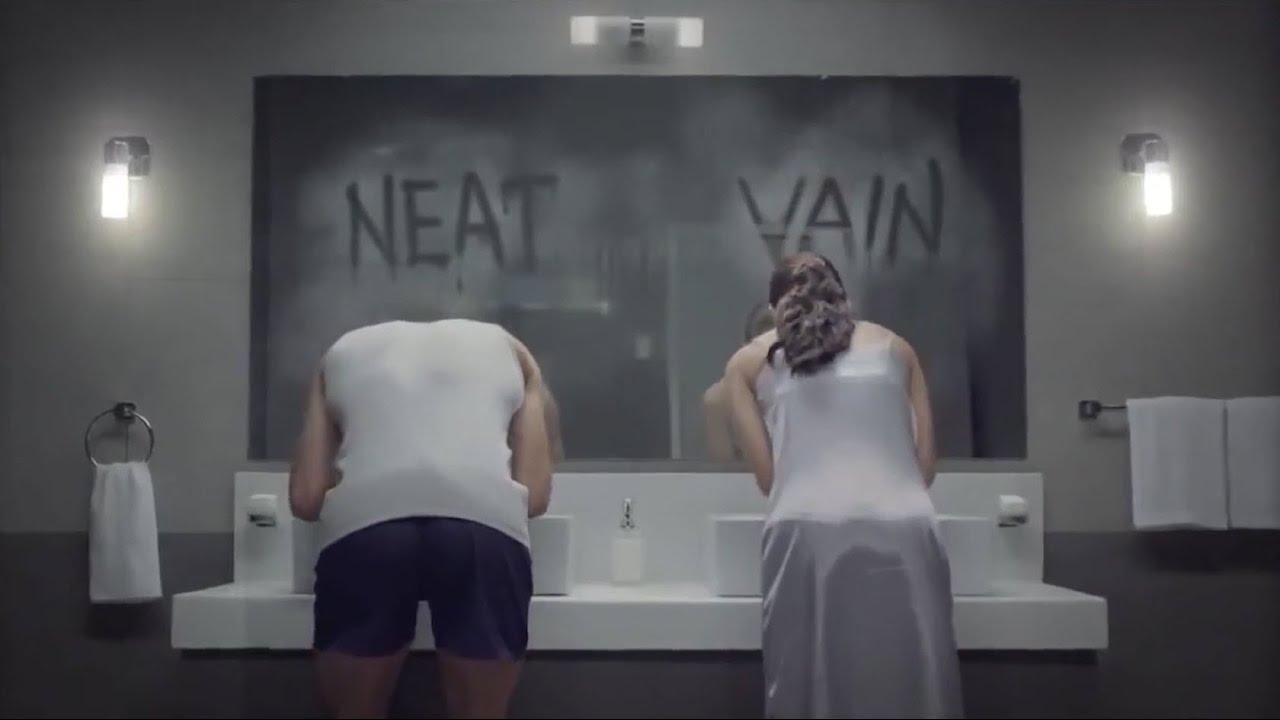
Pantene’s commitment to compelling advertising has undoubtedly paid off. Iconic commercials and memorable slogans have given Pantene a distinctive brand voice and enduring recall value. By stepping into narrative-driven and cause-aware campaigns in the 2010s, Pantene refreshed its brand for a new generation without losing its core focus on hair beauty. This balance of product-focused messaging and emotional storytelling in advertising keeps Pantene both relevant and trusted. Whether through a classic TV spot or a viral video, Pantene’s advertising continuously reinforces its market position – maintaining the brand’s status as a household name and a leader in the haircare industry.
4. Celebrity Endorsements and Influencer Marketing
Leveraging celebrity endorsements has been a cornerstone of Pantene’s promotional strategy, helping to humanize the brand and extend its appeal. Pantene frequently aligns itself with celebrities known for their strong, beautiful hair, turning them into brand ambassadors. Pantene has long featured models and actresses in its ads, and this continues in a big way today on a global scale. In the mid-2010s, for example, Pantene signed pop star Selena Gomez to front its “Strong Is Beautiful” campaign, with Gomez appearing in TV, print, and digital ads to personify Pantene’s message of strength and confidence.

Around the same time, Bollywood-turned-Hollywood actress Priyanka Chopra became a Pantene global ambassador, noting that her confidence and strength embodied Pantene’s brand values. These high-profile partnerships are strategically selected – the celebrities not only bring their fan followings, but also reinforce Pantene’s brand image and values. When consumers see a beloved star using Pantene, it boosts the brand’s credibility and glamour.
In fact, Pantene notes that seeing one’s “favorite celebrities” endorse the product creates a sense of relatability and increases the likelihood of purchase. By associating with film stars, singers, athletes, and other influencers, Pantene positions itself as the haircare choice of the talented and confident, which in turn influences mainstream consumers.
In tandem with celebrity deals, Pantene has embraced influencer marketing and expert advocacy to connect with consumers on a more grassroots level. The brand collaborates with popular beauty vloggers, Instagram personalities, and hair stylists who have credibility with target audiences (such as millennials and Gen Z). Through sponsored content, reviews, and social media tutorials, these influencers share their personal Pantene experiences and hair tips, creating buzz among their followers. This peer-to-peer style promotion complements the glossier celebrity ads by adding authenticity and two-way engagement.
Pantene’s marketing team actively works across digital channels – from Facebook and YouTube to newer platforms – to ensure the brand is visible in influencer conversations. On Pantene’s own pages, they often host Q&As or how-to videos with professional stylists and brand ambassadors, further amplifying word-of-mouth. By harnessing influencer voices, Pantene manages to infiltrate social feeds and beauty communities in a natural, trusted manner, which is crucial for engaging younger consumers who may be skeptical of traditional ads.
This dual approach of celebrity and influencer marketing greatly amplifies Pantene’s reach and impact. The glamour of A-list ambassadors brings instant attention to Pantene, while the authenticity of micro-influencers and experts fosters trust and relatability. Pantene has cultivated a pervasive presence from big-budget TV commercials with famous icons to grassroots social posts by everyday beauty enthusiasts. Ultimately, this synergy of top-down and bottom-up endorsement has strengthened Pantene’s brand equity. It keeps the brand in the limelight and also builds an aspirational yet approachable aura around Pantene. From Hollywood to Instagram, Pantene’s savvy use of endorsements ensures that consumers continuously receive the message that the brand is recommended by people they admire – reinforcing the idea that Pantene is a smart and stylish choice for everyone.
5. Digital Engagement and Social Media Marketing
As consumer attention shifted online, Pantene successfully expanded its marketing to digital and social media platforms. The brand maintains an active presence on channels like Facebook, Instagram, YouTube, and Twitter, using them not just for advertising but for two-way engagement with its audience. Pantene’s social media teams regularly share haircare tips, tutorials, and product recommendations to provide value to followers. They also respond to consumer questions and comments in real-time, which helps create a community feeling and positions Pantene as a friendly, expert resource for hair advice.
For example, Pantene’s Facebook page (which has amassed over a million followers) connects users with hair experts and even celebrities for advice, while its YouTube channel features content like behind-the-scenes clips and stylist interviews to engage fans. This approach turns social media from a one-way marketing channel into a dialogue, strengthening customer trust and loyalty. By listening and interacting online, Pantene can also keep a finger on the pulse of consumer trends and preferences, allowing the brand to stay relevant and responsive as styles and conversations evolve.
Pantene’s digital strategy also includes high-impact online campaigns and savvy use of new media tools. The brand employs search engine optimization and targeted online ads to ensure it’s visible when consumers seek hair solutions. More prominently, Pantene has launched a number of social-media-driven campaigns that blend marketing with a movement.
One example is the #ShineStrong campaign, a viral digital initiative celebrating women’s strength. Through inspirational videos and the #ShineStrong hashtag, Pantene encouraged women to overcome societal stereotypes and showcased its products as allies in that empowerment journey. The content resonated with millions of women worldwide, reinforcing Pantene’s image as a brand that supports confidence and self-belief. Pantene also integrates user-generated content into its campaigns – for instance, encouraging fans to share their own hair “shine strong” stories – which amplifies reach and engagement. All of these efforts tie back to Pantene’s products, subtly positioning its shampoos and conditioners as enablers of the confidence and beauty depicted in the campaigns.

Overall, Pantene’s embrace of digital marketing has extended its reach to younger and tech-savvy audiences while deepening engagement with long-time customers. The brand’s strong social media presence keeps Pantene in daily sight – whether it’s a hair tutorial on someone’s feed or an inspiring Pantene video being shared among friends. This translates into robust online brand awareness and helps drive online sales as well (Pantene makes sure its products are easily found on e-commerce platforms for those inspired to purchase digitally). By combining informative content, interactive community management, and shareable campaigns, Pantene has adapted to the digital era without losing its core message. Its marketing now lives in consumers’ social feeds and inboxes, ensuring that Pantene remains a contemporary choice that engages people where they spend much of their time.
6. Wide Distribution and In-Store Visibility
Pantene’s marketing strategy also heavily emphasizes distribution and retail execution, ensuring that the product is available and enticing wherever consumers shop. As part of the Procter & Gamble family, Pantene benefits from a world-class distribution network that places its shampoos and conditioners in an enormous range of outlets. Pantene is sold in almost 100 countries and can be found in virtually every major supermarket or drugstore worldwide. P&G’s distribution strategy focuses on maximizing availability – Pantene products flow efficiently through the supply chain to get onto store shelves with minimal delay. By making Pantene ubiquitous, the brand reinforces its position as a convenient, go-to choice. In addition, Pantene has expanded into e-commerce, ensuring digital shoppers can access the brand easily on popular online retail platforms. Multi-channel availability (physical stores and online) has helped Pantene capture a broad customer base and adapt to changing shopping habits.
Another facet of Pantene’s distribution strategy is tailoring its approach to local market conditions to improve penetration. A prime example is the use of small, single-use sachet packages in developing markets. In price-sensitive countries like India, Pantene introduced 5ml shampoo sachets priced at just a few rupees, making the product affordable for lower-income consumers and for single-use trials. This innovation tapped into a huge segment of shoppers who prefer buying shampoo in tiny quantities rather than a large bottle at once. The sachet strategy greatly expanded Pantene’s reach in emerging markets, establishing the brand among millions of new consumers and boosting sales volume. Pantene’s willingness to adjust sizes, pricing, and formats for different regions shows a smart global/local balance: the brand’s core product formulas remain consistent worldwide, but its packaging and distribution are adapted to meet local needs. This increases Pantene’s competitiveness against local haircare brands and secures its shelf presence even in rural or low-income areas where sachets dominate.
Finally, Pantene invests in strong in-store visibility to win customers at the point of purchase. The company works closely with retailers on prominent shelf placement – for instance, securing eye-level shelf space and end-of-aisle displays that grab attention. Pantene often installs branded fixtures or promotional stands in store aisles to showcase its products and special offers. Bright, attractive packaging (the signature Pantene white bottles with gold accents) and bold signage further help the brand stand out. These efforts encourage impulse buys from shoppers who might be swayed by Pantene’s presence at the moment of decision. Additionally, Pantene uses in-store promotions (such as bundle deals or discounts) to entice customers to choose its products while shopping. By ensuring Pantene is widely available and visually appealing in stores, the brand converts its broad availability into actual sales at the shelf.
7. Cause-Related Marketing and Social Responsibility
Pantene has strengthened its brand image by engaging in cause-related marketing and corporate social responsibility (CSR) initiatives that align with its values. A flagship program in this domain is Pantene Beautiful Lengths, launched in 2006, which encourages people to grow out their hair and donate it to be made into wigs for cancer patients. In partnership with the American Cancer Society, Pantene collects donated ponytails and funds the creation of real-hair wigs that are given free to women undergoing cancer treatment. Over the years the impact has been substantial – more than 600,000 ponytails have been donated through Beautiful Lengths, resulting in over 34,000 free wigs distributed via ACS wig banks to those in need. Purchasing a Pantene product can thus feel like contributing to a good cause, not just buying a shampoo. This has helped Pantene differentiate itself as a caring, socially responsible brand and added a deeper emotional dimension to its marketing.
Pantene’s focus on worthy causes yields significant marketing benefits. Consumers tend to develop warmer feelings and greater loyalty toward brands that give back to society, and Pantene has found this to be true. The company’s cause-related campaigns have generated positive brand sentiment and strengthened customer loyalty, as people appreciate a brand that actively contributes to social good. These initiatives enhance Pantene’s reputation, showing that the company stands for more than profit. By aligning itself with charitable efforts (like supporting women battling cancer), Pantene evokes trust and goodwill – qualities that translate into long-term customer retention. Pantene integrates these efforts with its marketing outreach as well. The Beautiful Lengths program, for example, has been featured in Pantene’s ads and social media content, inspiring countless individuals to participate and share their hair donation stories. This creates a ripple effect where the campaign’s reach grows organically, and Pantene’s brand message travels farther on the back of genuine, heartfelt narratives.
Beyond charitable campaigns, Pantene also pursues environmental responsibility as part of P&G’s sustainability goals – another area increasingly important to consumers. The brand has begun introducing reusable or refillable packaging to cut down on single-use plastic waste in haircare. Pantene is also moving toward 100% recyclable or reusable packaging by 2030 in line with P&G’s commitments. Communicating these sustainability initiatives allows Pantene to tap into consumers’ growing eco-consciousness. It shows that Pantene is not only about personal beauty, but also about responsibility to the broader community and planet. In sum, Pantene’s cause-related marketing – from heartfelt charitable programs like Beautiful Lengths to eco-friendly innovations – has enhanced its brand equity. It creates an image of Pantene as a brand with a heart, thereby deepening the emotional bond with consumers and encouraging them to support Pantene not just for what it does for their hair, but for what it does for the world.
8. Empowerment and Inclusive Marketing Initiatives
Pantene has increasingly woven empowerment and inclusion themes into its marketing – a strategic move that resonates with modern consumers. The brand launched campaigns like “Labels Against Women” and “Not Sorry” (part of the broader #ShineStrong initiative) to challenge stereotypes and encourage women to be confident. By using slogans such as “Strong Is Beautiful,” Pantene positioned itself not just as a haircare brand but as a champion of women’s self-worth. This gave Pantene’s ads a deeper social message and built a stronger emotional connection with its audience.
Pantene has also championed diversity and inclusion beyond gender, recognizing that its consumers come from all backgrounds and identities. One notable effort is Pantene’s support for the LGBTQ+ community through its global “Hair Has No Gender” campaign. This project highlights the importance of hair in personal identity and calls for acceptance of all gender expressions. Pantene featured poignant stories of transgender individuals and their families, emphasizing the power of support and acceptance for LGBTQ+ loved ones. As Pantene puts it, no matter who you are, what hair you have or what hair you dream of, Pantene stands with you. Such bold inclusion in its marketing distinguishes Pantene as a brand that welcomes everyone.

In a similar vein, Pantene acknowledged the historical underrepresentation of Black women’s hair in beauty advertising and took action. It launched the Pantene Gold Series line along with a “Strong Is Beautiful” campaign featuring Afro-textured hair, developed with Black scientists and showcased by African American ambassadors like Jillian Hervey. Pantene openly stated that mainstream hair ads had neglected Black hair types, and it set out to “empower all women to embrace their strong and unique hair, because all strong hair is beautiful hair”. By directly addressing racial and gender diversity in its campaigns, Pantene tapped into new customer segments and earned respect for its willingness to evolve with the times.
These empowerment and inclusion initiatives have yielded substantial benefits for Pantene. They generate extensive PR buzz, social media conversation, and often go viral – dramatically amplifying Pantene’s reach without equivalent ad spend. More importantly, they have deepened brand affinity: consumers who value equality and representation see Pantene as an ally to their ideals. Ultimately, Pantene’s embrace of social values is not only about doing good – it’s smart business. It keeps the brand culturally relevant and emotionally resonant in an era when consumers expect brands to stand for something. By celebrating diversity and empowering its audience through these campaigns, Pantene has fostered a loyal community around the brand and reinforced the message that beauty truly is for everyone.
Conclusion
Pantene’s marketing journey illustrates how a brand can achieve global iconic status through a well-rounded and adaptive strategy. By establishing a clear brand positioning, continuously innovating products, executing memorable advertising, leveraging endorsements, engaging customers online, optimizing distribution, and aligning with meaningful causes, Pantene has built a powerful connection with consumers. The brand’s focus on both functional value (healthy, beautiful hair at a fair price) and emotional value (confidence, empowerment, inclusivity) has paid dividends in customer loyalty and market leadership. Pantene today is not just selling shampoo – it is selling a promise and a perspective on beauty that resonates worldwide. Its success story stands as a testament to the impact of thoughtful, smart, customer-centric marketing.
Also Read: A Deep Dive into the Marketing Strategies of Head & Shoulders
To read more content like this, subscribe to our newsletter