Clorox is an iconic American brand that has become synonymous with clean over its 100+ year history. Founded in 1913 as the Electro-Alkaline Company, it introduced one of the first commercial liquid bleaches to the U.S. market. In its early days, few consumers even knew what bleach was, so marketing ingenuity was crucial for survival. Co-founder Annie Murray famously gave away free 15-ounce bottles to homemakers and enthusiastically touted Clorox’s benefits as a “bleacher, germicide, cleanser and disinfectant,” sparking word-of-mouth buzz. This grassroots campaign was a turning point – consumers loved the product, told their friends, and transformed Clorox into a household name in California. As the official company timeline notes, innovation and even early “social networking” are in Clorox’s DNA thanks to these beginnings.
Building on that initial success, Clorox expanded nationally in the 1920s, even erecting a giant CLOROX billboard in the San Francisco Bay area to boost brand visibility. By 1928, the company had grown enough to go public, and it cleverly catered to America’s diverse population by distributing pamphlets about bleach in multiple languages (French, Spanish, Italian, German, Polish, and Yiddish) – an early example of targeted marketing. Through the decades, Clorox demonstrated resilience and a commitment to quality that earned consumers’ trust. During World War II, for instance, when chlorine was rationed, Clorox chose to sell fewer units of full-strength bleach rather than dilute its product, cementing a reputation for uncompromising quality. This focus on efficacy and reliability helped Clorox not only survive the Great Depression and wartime shortages, but also emerge as the gold standard for household disinfectants.
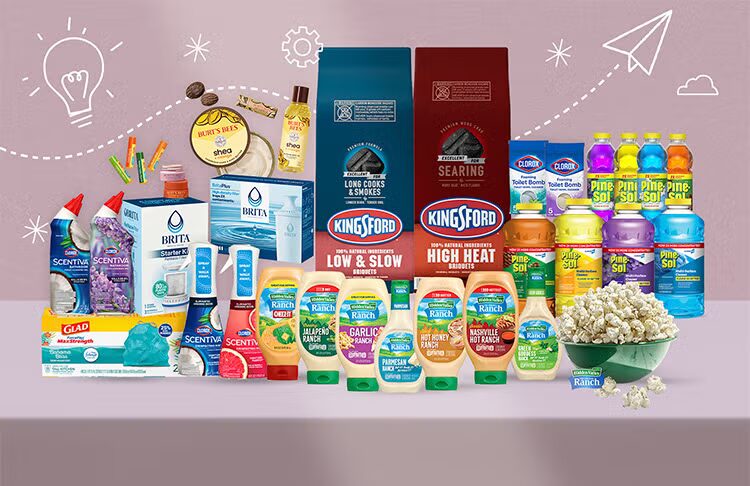
Over time, The Clorox Company evolved from a one-product business into a diverse consumer goods powerhouse. After regaining independence in 1969 (following a brief acquisition by Procter & Gamble that was later undone by antitrust regulators), Clorox pursued an aggressive expansion strategy. It launched new products like Clorox 2® bleach in 1970 and acquired brands ranging from Liquid-Plumr drain cleaner to Hidden Valley Ranch dressing, Kingsford charcoal, and Pine-Sol cleaner. These moves doubled the company’s size and landed Clorox on the Fortune 500 list by the turn of the millennium. Today, Clorox’s portfolio spans dozens of well-known brands – not just bleach and cleaning supplies, but also trash bags (Glad®), water filters (Brita®), personal care (Burt’s Bees), pet products (Fresh Step® litter), and more. This broad portfolio shows how Clorox’s marketing prowess extends across categories, all under a unifying promise of quality and trust.
Clorox’s enduring focus on brand trust has paid off in the modern era. In 2019, it topped the Axios Harris Poll ranking of corporate reputations, reflecting the goodwill it built with consumers. Amid the COVID-19 pandemic, Clorox’s name became even more synonymous with safety – a 2020 Harris Poll of 34,000 Americans ranked Clorox as the #1 company in terms of reputation, above even beloved brands like Hershey’s and Wegmans. Clearly, a century of consistent marketing messaging (“kills germs,” “whitens whites”) and product reliability has made Clorox a cultural mainstay. But resting on legacy isn’t an option; Clorox continually adapts its marketing strategies to stay relevant. From traditional advertising jingles to social media campaigns and purpose-driven initiatives, Clorox’s marketing playbook is multifaceted. In the sections that follow, we’ll explore key marketing strategies that Clorox employs – each distinct yet collectively contributing to the brand’s longevity and success – along with examples of campaigns and tactics, both historical and recent, that illustrate each strategy in action.
Marketing Strategies of Clorox
1. Building a Legacy of Trust through Consistent Branding
One of Clorox’s core strategies is cultivating consumer trust over generations. The brand has consistently positioned itself as the reliable solution for a cleaner, healthier home. Early on, Clorox understood that trust was earned by delivering on promises. During World War II, for example, rather than compromise efficacy when raw materials were scarce, Clorox opted to produce less bleach but keep it full-strength, reinforcing its reputation for quality.
This commitment – putting consumers’ trust ahead of short-term sales – resonated strongly and differentiated Clorox from competitors. Over the decades, Clorox’s marketing emphasized the outcomes consumers care about (germ-free surfaces, brilliantly white laundry) and the science-backed effectiveness behind those outcomes. By repeatedly demonstrating “what it says on the label is true,” Clorox ingrained itself as a trusted household staple.
Clorox also built trust by maintaining a consistent brand identity even as it expanded. The familiar diamond-shaped Clorox logo and the white-and-blue bleach bottle have become visual shorthand for “germ-killing power.” Marketing campaigns often highlighted real-life cleaning challenges and showed Clorox solving them, reinforcing that reliability.
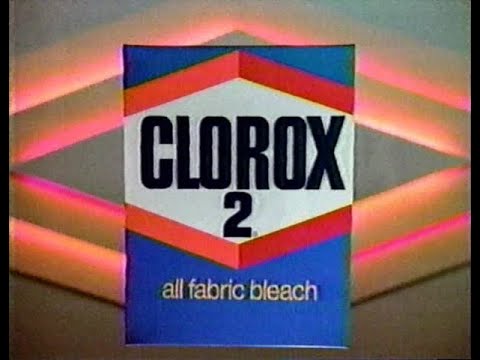
Notably, in the mid-1980s, an advertising campaign for Clorox’s color-safe bleach featured the catchy jingle “Mama’s Got The Magic of Clorox 2”, linking the product to the almost-magical removal of stains. This award-winning jingle became a long-running slogan and is remembered to this day, reinforcing the brand’s promise in a memorable way.
Clorox’s ability to stay culturally relevant while sticking to its core message of trust is evident in such campaigns. In fact, Clorox was named to Advertising Age’s 2015 Marketer A-List, underscoring how effectively it has managed its brand image over time.
Trust in Clorox transcends individual products – it’s a halo that benefits the entire brand portfolio. When consumers see “Clorox” on any product, they instinctively expect efficacy and safety. Clorox’s marketers consciously leverage this halo effect by extending the brand into new categories (from disinfecting wipes to toilet bowl cleaners) with consistent quality standards.
This strategy paid huge dividends during the COVID-19 pandemic: panicked consumers flocked to any product with the Clorox name, confident it would help protect their families. The result was a massive surge in demand – Clorox’s CEO noted in 2020 that product demand spiked 500% as people sought out trusted cleaning supplies.
Clorox’s long-cultivated reputation for “killing germs you can’t see” made it the go-to brand in a time of crisis, proving how powerful brand trust can be. Even in normal times, that trust translates to customer loyalty and willingness to pay a slight premium for Clorox over unknown brands. By never wavering from its quality-focused branding, Clorox continues to enjoy a level of consumer confidence that is the envy of many marketers.
2. Product Diversification and Innovation for Growth
Another pillar of Clorox’s marketing strategy is diversification – expanding its product lines and innovating to meet evolving consumer needs. Clorox recognized early that relying on a single product (liquid bleach) would limit its growth. After decades as essentially a one-product company, Clorox embarked on rapid portfolio expansion in the late 1960s and 1970s.
It introduced new formulations like Clorox 2® (a color-safe bleach) and made strategic acquisitions of complementary brands. For example, in 1972 Clorox acquired Hidden Valley® Ranch, turning a regional salad dressing into a national sensation. It also bought household names such as Formula 409® cleaner, Liquid-Plumr® drain opener, and Kingsford® charcoal in that era.
These moves signaled a shift: Clorox was no longer just a bleach company, but a multi-category consumer products company. Marketing played a key role in integrating these diverse products under the Clorox umbrella. The company leveraged its strong distribution and retailer relationships (some broker partnerships span 90+ years) to place new products in stores nationwide, often bundling solutions together. Clorox’s knack for product bundling – e.g. selling a “cleaning kit” of bleach, wipes, and spray cleaner – not only drove larger basket sales but reinforced the idea that Clorox is a one-stop brand for all cleaning needs.
Innovation is equally critical to this strategy. Clorox continually invests in R&D to create products that align with consumer trends. The launch of Clorox® Disinfecting Wipes is one success story – by introducing convenient pre-moistened wipes in the early 2000s, Clorox tapped into consumers’ desire for quick and easy cleaning solutions, and then marketed them as an everyday essential (a prescient move, given how ubiquitous wipes became).
Clorox’s IGNITE strategy formalizes this focus on innovation and growth. IGNITE, the company’s current strategic framework, literally puts “Innovation” and “Growth” as the first two priorities. It calls for constantly developing new products and entering new categories while strengthening the core business. In practice, this has led Clorox to expand into areas like health and wellness.
A notable example is the acquisition of Burt’s Bees in 2007, which brought an all-natural personal care line into the Clorox family. Marketing Burt’s Bees required a different approach – emphasizing sustainability and gentle ingredients rather than germ-kill – but Clorox successfully kept Burt’s Bees’ loyal following by allowing it to retain its unique brand ethos.
This move diversified Clorox’s audience (appealing to eco-conscious beauty consumers) and signaled that Clorox could stretch its brand into “better for you” products.
Crucially, Clorox’s diversification is guided by a cohesive brand platform. Even as it sells everything from salad dressing to cat litter, Clorox ties its brands together with a common promise: trusted quality that improves everyday life. Each new product or brand is evaluated for how it fits into consumer megatrends.
For instance, noticing a growing demand for natural cleaning, Clorox launched Green Works in 2008 – the first line of plant-based cleaners from a major CPG company. Backed by savvy marketing and even a partnership with the Sierra Club to lend environmental credibility, Green Works helped Clorox reach green-minded consumers it hadn’t before.
Likewise, as the company expanded into vitamins and supplements with its 2018 acquisition of Nutranext, it began marketing itself as a health and wellness company, not just a cleaning brand.
By evolving its product mix and innovating constantly, Clorox keeps its brand portfolio fresh and relevant. Each new category comes with tailored marketing strategies, but they all ladder up to the idea that Clorox’s products – whether a wipe, a filter, or a lip balm – help people live cleaner, healthier, and better lives.
3. Embracing a Digital-First Marketing Approach
In today’s hyper-connected world, Clorox has made a strategic shift to digital-first marketing. The brand recognizes that if it isn’t prominent online, it risks invisibility to modern consumers. That’s why Clorox has been reallocating marketing spend and energy toward digital channels – from social media and search ads to brand websites and mobile content.
The rationale is simple: contemporary shoppers often begin their purchase journey with an online search or by scrolling social feeds for recommendations. Clorox wants to ensure that when someone Googles “how to remove stains” or looks up cleaning tips on YouTube, the Clorox brand is front and center.
This has meant investing heavily in search engine optimization (SEO), informative web content, and e-commerce visibility so that Clorox products appear as solutions at the “moment of need.” For example, instead of relying solely on a store end-cap to sell bleach, Clorox now also deploys targeted search ads for keywords like “disinfect kitchen” to capture online researchers. It’s a fundamental reorientation of marketing, reflecting the way consumers make decisions in the digital age.
Being digital-first isn’t just about ads or search placement – it’s about creating a cohesive and engaging online brand experience. Clorox has revamped its websites and mobile presence to provide value-added content such as cleaning guides, how-to videos, and even interactive quizzes to help consumers find the right products. This content marketing approach positions Clorox as a helpful expert, not just a product pusher.
Data analytics play a big role here: Clorox analyzes online behavior to understand what consumers are looking for and tailors its content accordingly. For instance, if data shows that many people search “how to disinfect baby toys safely,” Clorox can respond with a blog post or Instagram infographic on that topic, subtly featuring its bleach or wipes. This meets consumers where they are with relevant information, fostering goodwill and brand recall.
Moreover, Clorox’s digital strategy leverages personalization (within privacy norms) to make marketing more relevant. By using cookies or surveys, Clorox can identify, say, a visitor as a pet owner and then highlight pet-safe cleaning tips and Fresh Step litter in their digital experience. All these efforts build a one-to-one connection that is harder to achieve via mass TV ads.
A key aspect of Clorox’s digital-first approach is agility – the ability to respond quickly to trends and engage in real time. On social media, Clorox can join conversations about current events (like flu season or spring cleaning) with timely tips and promotions. This agility was evident during the COVID-19 pandemic, when Clorox rapidly updated its online FAQ and social channels with sanitation advice and product availability updates, becoming a go-to resource for concerned consumers.
Even in non-crisis times, Clorox’s marketing teams monitor digital chatter to adjust messaging on the fly. For example, if a particular TikTok cleaning hack goes viral, Clorox can swiftly create a responsive post that acknowledges the trend and offers its own expert take. By prioritizing digital channels, Clorox has modernized how it interacts with consumers – it’s a two-way dialogue now. The results speak for themselves: online engagement for Clorox has grown substantially.
One award-winning digital campaign, “Bleach It Away,” managed to increase online conversation about Clorox bleach by 38-40% by actively inserting the brand into social media discussions. This kind of lift in brand chatter and search prominence ultimately drives sales in an era where e-commerce and informed consumers dominate. In short, Clorox’s digital-first marketing ensures the brand remains visible, relevant, and persuasive wherever today’s consumers spend their time – which is increasingly online.
4. Engaging Consumers through Social Media and Influencers
Beyond general digital strategy, Clorox has honed a specific approach for social media and influencer marketing to engage consumers on a more personal level. The company understands that social platforms are where brand loyalty can be nurtured through authentic conversations and community-building.
To tap into younger and tech-savvy audiences, Clorox has created campaigns that encourage user-generated content and storytelling around cleaning – topics that might seem mundane, but can be made fun and relatable. A hallmark example is the “Bleach It Away” campaign, which ran in 2011-2012 and was aimed at rejuvenating the flagship Clorox Bleach for a new generation of parents. Rather than traditional ads, Clorox (with agency Ketchum) went to where young parents swap stories – Twitter, Facebook, mom blogs, and forums – and invited them to share their most outrageous “bleachable moments” (think crayon on the wall, juice on white carpet, toddler “accidents” on the couch).
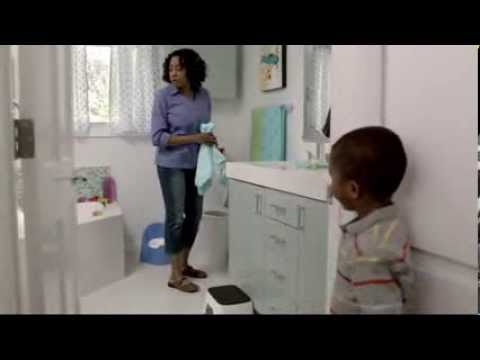
By coining the term “bleachable moment” for those messy little family disasters, Clorox cleverly inserted itself into social conversations about parenting challenges. Parents were encouraged to laugh at the messes and swap stories on a dedicated microsite (BleachItAway.com) and across social channels, using the hashtag #BleachItAway. Clorox provided cleaning tips and gentle humor in response, positioning its bleach as the trusted friend that can “save the day” in each scenario. This digital PR campaign was a resounding success: it halted a decline in bleach sales and increased online chatter about Clorox Bleach by roughly 40%. It also generated over 83 million media impressions and tens of thousands of story submissions and tweets, as parents eagerly engaged with the brand.
A key element of Clorox’s social media strategy is leveraging influencers and brand ambassadors to lend credibility and expand reach. In the “Bleach It Away” campaign, Clorox recruited 11 digital influencers – including popular mom bloggers and even a celebrity mom, Bethenny Frankel – to share their own messy mishaps and cleaning tips. These influencers created blog posts, videos, and social content showing that even glamourous or expert moms deal with messes, implicitly endorsing Clorox as the solution. By tapping into influencers across categories (from parenting and DIY to pet care and nutrition), Clorox broadened its appeal and trust among different online communities.
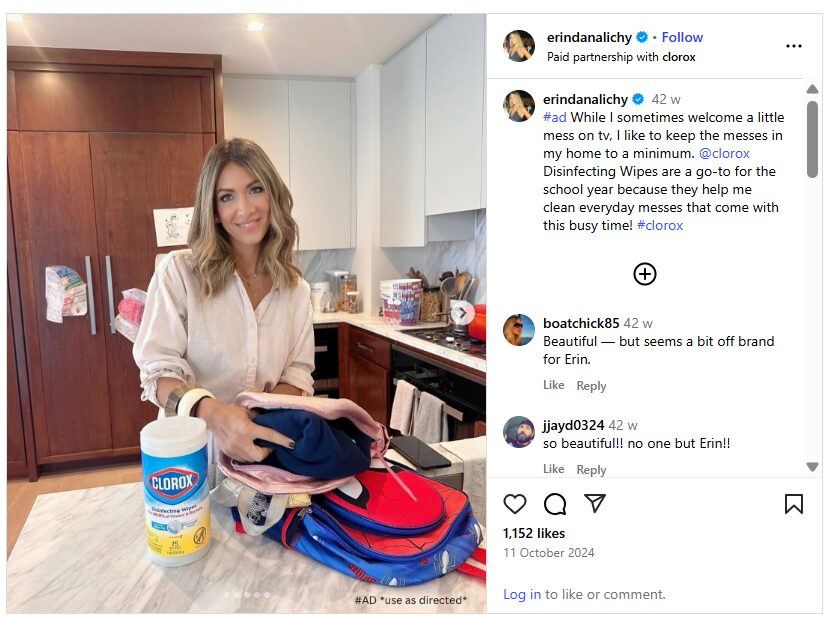
Today, Clorox continues to work with influencers, especially in niches like home cleaning hacks, healthy living (for Burt’s Bees products), and cooking (for its food brands). The brand often chooses partners whose personalities align with Clorox’s friendly, helpful image – for instance, cleaning gurus on Instagram who demonstrate how to disinfect effectively using Clorox products. This influencer-driven approach personalizes the brand and generates content that doesn’t feel like traditional advertising. Consumers are more likely to trust a cleaning tip from a mom blogger they follow than from a corporate account, so Clorox wisely integrates those voices into its campaigns.
Clorox’s social media presence is also about two-way engagement and community building. On platforms like Twitter and Facebook, the company actively responds to customer questions (e.g. how to handle a specific stain), turning one-off Q&A into visible demonstrations of customer support. It shares user-generated content – for example, re-posting a customer’s “before and after” cleaning photo using Clorox – to celebrate their victories and encourage others.
The brand even infuses humor when appropriate, posting lighthearted quips about cleaning on a Friday night or relatable memes about laundry piles, all to humanize itself. The results of this social focus are significant: collectively, Clorox and its sub-brands amassed about 7 million followers across social media by 2024, and they published thousands of posts that reached tens of millions of people. Some content goes viral – unsurprisingly, one of the most popular posts was a funny cat video from the Fresh Step litter brand that garnered over half a million likes.
By listening to what resonates culturally (in this case, internet love for cats) and participating in that dialogue, Clorox’s brands stay culturally relevant. In summary, through savvy use of social campaigns, influencer partnerships, and genuine interaction, Clorox has built an engaged online community. This community-centric marketing yields more than just impressions – it creates brand advocates who feel a personal connection to Clorox, translating into loyalty and positive word-of-mouth in the digital realm.
5. Leveraging Traditional Advertising and Memorable Campaigns
While Clorox is embracing digital, it hasn’t abandoned the power of traditional advertising – TV commercials, radio spots, print ads, and out-of-home media – to reinforce its brand message broadly. In fact, Clorox’s marketing history is rich with traditional campaigns that left a lasting imprint on popular culture. The brand has been a fixture on television since the 1950s, when being acquired by Procter & Gamble briefly gave Clorox access to P&G’s famed “soap opera” ad slots.
Clorox commercials naturally fit right in during daytime soap operas, effectively reaching millions of homemakers with demonstrations of bleach cleaning “yellowed” white linens or disinfecting kitchen counters. Those early TV spots helped Clorox become a household staple nationwide by showcasing its effectiveness in the context of everyday family life. As TV became the dominant medium, Clorox mastered the art of the straightforward, authoritative ad: a calm voiceover, a scientist or homemaker figure showing the product in action, and a tagline emphasizing trust or superior performance. These ads built familiarity and trust by repetition and clear messaging.
Over the years, Clorox introduced memorable slogans and jingles that still evoke nostalgia. The 1960s and 1970s saw taglines like “Clorox clean – the difference is clear,” but it was the aforementioned “Mama’s got the magic of Clorox” campaign that truly struck gold in 1986. This campaign, advertising Clorox 2 bleach, featured a catchy jingle performed by R&B singer Dobie Gray, celebrating the “magic” a mom has when she uses Clorox to get out tough stains.
The tune and concept won industry awards and lived on well beyond the ‘80s; Clorox even revived a modified version of the ad in the early 2000s because it resonated across generations. Such consistency in messaging (associating Clorox with a mother’s care and effectiveness) reinforced brand equity. Another creative example: in 2009, Clorox produced retro-style ads to air during the TV show Mad Men, using vintage imagery and tongue-in-cheek lines to link classic cleaning solutions to modern life, a clever way to capitalize on the show’s popularity while reminding viewers that Clorox had been “getting ad guys out of hot water for generations”. This mix of nostalgia and humor showcased Clorox’s agility in traditional media – it can playfully adapt its tone while still landing the core message that it’s the reliable solution.

Clorox also uses traditional media for big integrated campaigns that tie into cultural moments or product launches. For instance, every year as flu season approaches, Clorox runs TV and radio ads emphasizing its products’ germ-killing abilities, often in partnership with health experts.
A recent example is the “Start Clean” campaign that kicked off in early 2022, encouraging families to embrace a fresh start in the New Year by cleaning and organizing their homes. This campaign ran across television, online video, and in-store displays, linking the ritual of New Year cleaning to mental and physical wellness – a timely, culturally relevant angle. Clorox’s Glad brand took a similarly creative approach with its Cherry Blossom trash bag campaign, debuting a pink trash bag with a floral scent and marketing it as “the most extra trash bag ever” to inject fun into a mundane product.
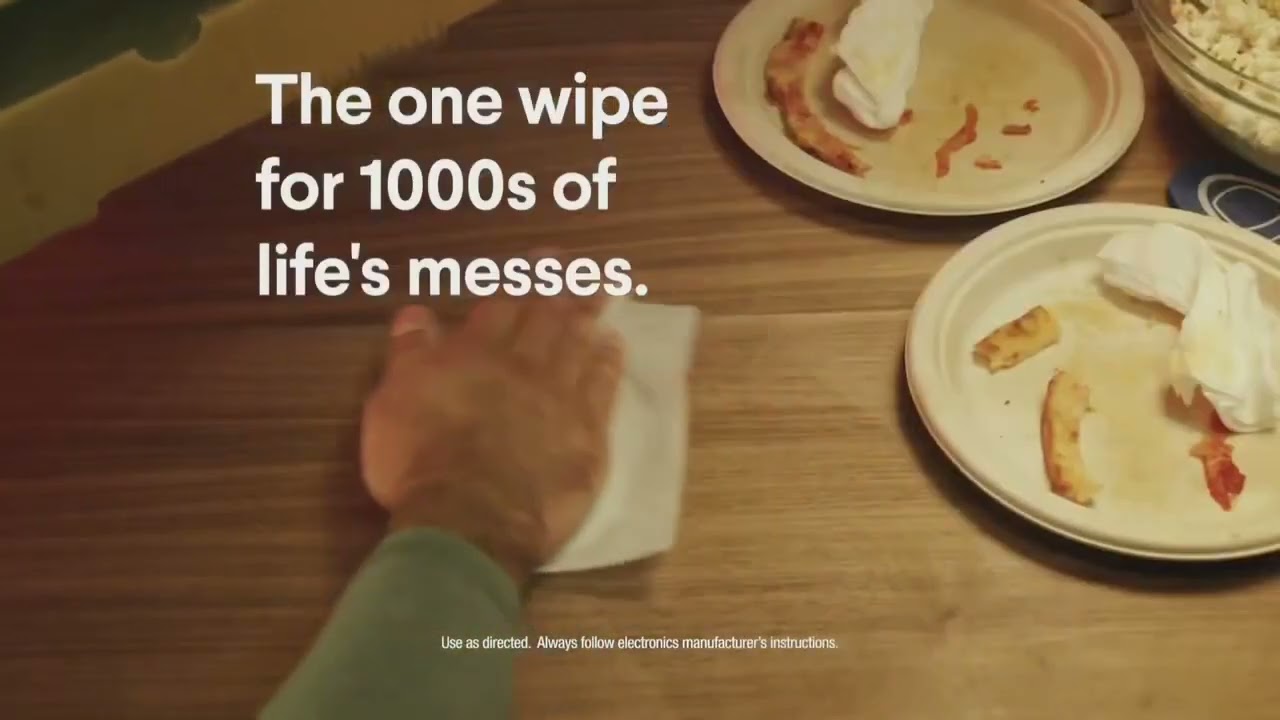
These campaigns show Clorox’s willingness to be inventive and playful in traditional advertising formats to grab consumer attention. It’s worth noting that Clorox’s mastery of traditional marketing earned it industry accolades; as mentioned, it was named a top marketer by Ad Age in 2015. The company expertly balances informative advertising (showing how well the product works) with emotional appeals (tapping into feelings of caring for family or the satisfaction of a clean home). Even as media consumption evolves, Clorox’s continued investment in TV, radio, and print ensures the brand stays top-of-mind across a broad audience, complementing its digital efforts with the broad reach and storytelling impact that only traditional channels can provide.
6. Promoting Sustainability and Purpose (Cause Marketing)
Clorox has increasingly woven sustainability and corporate social responsibility (CSR) into its marketing strategy, recognizing that today’s consumers care about brand values and environmental impact. Under the IGNITE strategy, “Impact” is explicitly one of the pillars – focusing on making a positive impact on communities and the planet. This isn’t just corporate fluff; Clorox actively integrates environmental messaging and purpose-driven initiatives into its branding to meet the expectations of modern shoppers who prefer ethical and eco-friendly companies.
One of the boldest moves was the launch of Green Works, a line of natural cleaning products, in 2008. By introducing plant-based cleaners to the mainstream grocery aisle (with Sierra Club’s endorsement), Clorox positioned itself as a leader in green innovation. Marketing for Green Works emphasized that the products were from “The Clorox Company” – leveraging Clorox’s trusted name – while also highlighting their eco-friendly credentials to appeal to a new segment of consumers. This dual strategy acknowledged a reality: many people were seeking greener alternatives but also wanted the efficacy associated with Clorox. Green Works’ rollout included cause marketing elements, like partnerships with environmental groups and educational content about reducing chemical use at home, to bolster Clorox’s image as a responsible company.
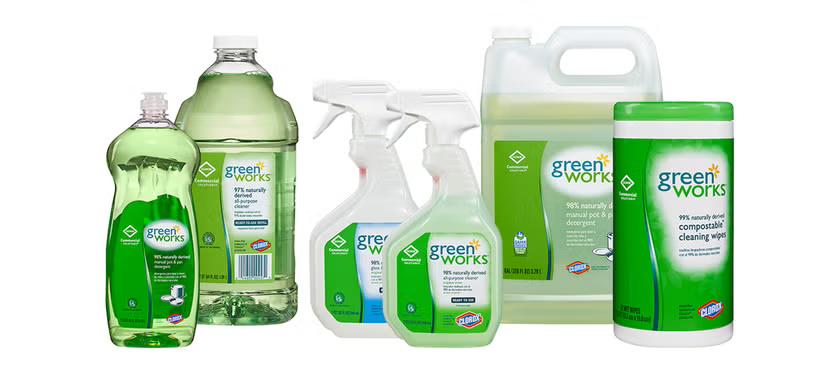
Beyond specific products, Clorox’s overall advertising has started to reflect sustainability themes. Recent campaigns often mention improvements like recycled packaging, reduced plastic, and biodegradable wipes. In fact, Clorox has made public commitments such as targeting 100% recyclable, reusable or compostable packaging by 2025, and a 50% reduction in virgin plastic by 2030. These goals are not just buried in annual reports – they find their way into marketing materials to show consumers that Clorox is “doing its part.”
For example, a Clorox ad might tout that its disinfecting wipe containers are now made with X% post-consumer recycled plastic, subtly giving eco-conscious shoppers an extra reason to choose Clorox. The company also integrated its financial and sustainability reporting in 2011, signaling that it views environmental and social performance as integral to business success. That integrated thinking filters down to marketing: Clorox frequently highlights charitable initiatives and community work in its PR and social media. From donating bleach after natural disasters to funding school sanitation programs, these efforts are promoted as part of Clorox’s brand story of caring beyond commerce.
Crucially, Clorox’s cause marketing isn’t limited to environmentalism; it encompasses public health and community well-being as well. During the COVID-19 pandemic, Clorox stepped up as a public health ally. It formed the Safer Today Alliance in 2021, teaming with the CDC Foundation and Cleveland Clinic to provide guidance on sanitizing public spaces and instill confidence as people returned to shared venues.
This initiative, promoted on Clorox’s platforms, showed the brand actively working to make the world safer – a powerful purpose-driven message. Clorox even provided significant grants (around $1 million each) to support research and emergency response via these partners, underscoring genuine commitment. By communicating these actions, Clorox reinforces an image of a company that isn’t just selling cleaning supplies, but contributing to a healthier environment and society.
This resonates with consumers who prioritize brands with values aligned to their own. Internally, Clorox’s marketing also celebrates diversity and inclusion efforts (for instance, noting its focus on multicultural marketing and being a signatory of the UN Global Compact), which further humanizes the brand. In summary, through green product innovation, transparent sustainability goals, and cause-driven campaigns, Clorox has added a new dimension to its marketing strategy: “marketing for good.” This not only attracts consumers interested in sustainability, but also strengthens loyalty among existing customers who feel proud to support a brand that cares. It’s a classic win-win where doing the right thing bolsters the brand’s reputation and emotional connection with the public.
7. Strategic Partnerships and Alliances for Brand Amplification
Clorox’s partnerships have extended its brand’s reach into new arenas – for example, United Airlines teamed up with Clorox in 2020 to elevate its cleaning protocols, displaying Clorox’s trusted logo throughout airports and airplanes to reassure travelers. Such strategic alliances are a deliberate Clorox marketing strategy: they not only open up new revenue streams (e.g. sales of Clorox products in bulk to partners) but also serve as powerful marketing endorsements for the brand.
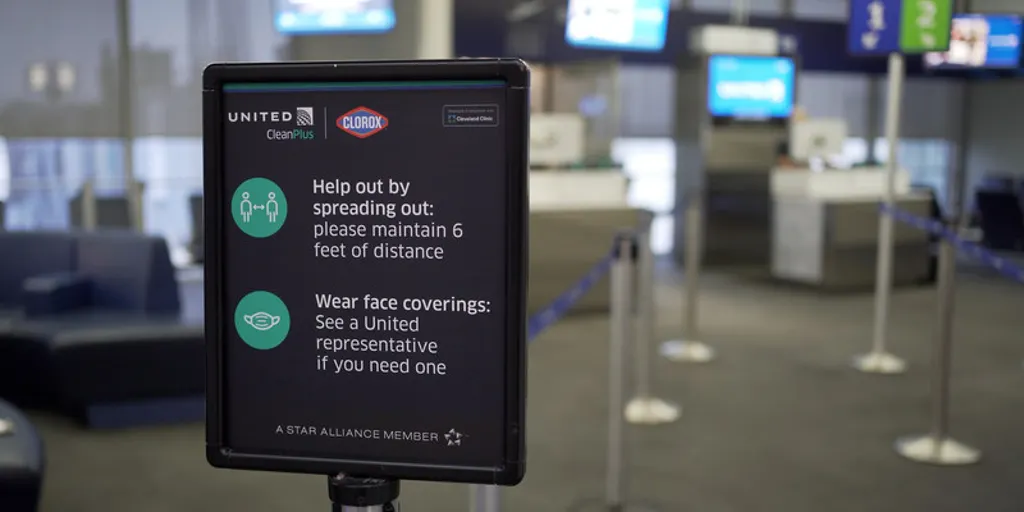
In the United Airlines case, Clorox became the official disinfectant partner in the airline’s “United CleanPlus” program, launched during the height of the coronavirus pandemic. United deployed Clorox® products to sanitize airplane cabins, lavatories, and airport lounges, and prominently communicated this to passengers as a selling point – essentially turning Clorox into a co-brand for safety in travel. The message to consumers was clear: if United trusts Clorox to keep you safe, you can trust Clorox in your own home too. This partnership was widely publicized and even included medical experts (Cleveland Clinic) to validate the cleaning standards, giving Clorox an unprecedented platform to demonstrate its efficacy to a nervous public. Similarly, Clorox partnered with Uber to provide ride-share drivers and passengers with Clorox disinfecting wipes in vehicles as part of a pilot program. These collaborations during COVID-19 served both societal needs and marketing objectives – Clorox helped make public spaces safer, and in doing so, its brand gained even more trust and visibility outside the home.

Strategic partnerships for Clorox aren’t limited to crisis scenarios. The company has a history of aligning with organizations and other brands to mutually boost marketing efforts. On the consumer products side, Clorox often engages in co-marketing within its own brand portfolio or with joint venture partners. A recent example is the Glad® ForceFlexPlus Trash Bags with Clorox product – a collaboration between Glad (a brand co-owned by Clorox) and Clorox’s expertise in odor & germ control.
By infusing trash bags with a Clorox-based odor eliminator, the company created a cross-brand product and marketed it as the ultimate solution for kitchen trash odor. Commercials and packaging prominently feature both the Glad and Clorox logos, allowing each brand to tap into the other’s recognition (Glad benefits from Clorox’s association with cleanliness, while Clorox benefits from Glad’s household presence in trash disposal).
This kind of internal partnership marketing reinforces the idea of Clorox as an integrated household solutions provider. Externally, Clorox has collaborated with retail chains for promotions (for instance, exclusive “value packs” at Costco or disinfecting station sponsorships at grocery stores). Such partnerships ensure prime placement and signage for Clorox products, essentially turning marketing into a collaborative effort with retailers.
Clorox’s alliance strategy also extends to thought leadership and educational partnerships. Through the Safer Today Alliance mentioned earlier, Clorox brought together public health authorities and major corporations like United, Uber, Enterprise, and even movie theater chains under a common mission of enhanced safety. By spearheading this alliance, Clorox positioned itself as a leader in public health hygiene, which is a marketing victory in terms of brand perception. The alliance meant that Clorox’s guidance and products were present in diverse venues – from airlines to car rentals to cinemas – effectively turning those environments into living advertisements for Clorox’s effectiveness. This strategy of partnering with respected institutions and brands amplifies Clorox’s credibility.
Whether it’s a seal of approval from the CDC Foundation or a co-branded initiative with a Fortune 500 company, each partnership tells consumers that “Clorox is the standard for clean.” Clorox’s CEO has indicated that the company will continue to pursue more partnerships like these to drive growth and brand reach. In conclusion, by thoughtfully choosing alliances – be it for product innovation, cause marketing, or co-branding – Clorox extends its marketing impact far beyond traditional ads. These partnerships allow the brand to tap into new customer bases, strengthen its authority, and keep its marketing fresh through collaboration. It’s a strategy that turns business relationships into win-win marketing opportunities.
8. Direct-to-Consumer (DTC) and E-Commerce Focus
As consumer shopping habits evolve, Clorox has adopted a direct-to-consumer and e-commerce strategy to complement its traditional retail distribution. The goal is to get closer to customers, gather better insights into their needs, and build relationships beyond the store shelf. In practice, this means Clorox has developed robust DTC channels – for example, selling products directly on brand websites (Clorox.com and sub-brand sites) and through subscription services or curated bundles. If a busy parent goes to Clorox’s website today, they can not only read about cleaning tips but also purchase a cleaning bundle shipped to their door, cutting out the trip to the store. This shift is significant for a company historically reliant on third-party retailers.
By embracing DTC, Clorox gains access to first-party consumer data (with permission) that it can use to personalize marketing. Understanding how people shop is now a top priority: Clorox studies whether consumers are browsing on mobile, reading reviews, or looking for certain product attributes, and then tailors its online experience accordingly. For instance, Clorox observed that many customers research disinfectants online before buying; in response, the company has beefed up its product pages with detailed info, comparisons, and customer reviews to aid decision-making, essentially replicating the informational aspect of an in-store encounter in a digital format.
A direct outcome of Clorox’s DTC focus is more personalized marketing and shopping experiences. Clorox can analyze a customer’s purchase history across its various brands to recommend other products they might like – much like an Amazon experience but within Clorox’s brand ecosystem. If someone regularly buys Clorox disinfecting wipes, the DTC platform might suggest they try Clorox’s newer Disinfecting Mist or send a targeted email about a sale on bathroom cleaners. Clorox is leveraging these tactics to increase cross-selling and loyalty. The company acknowledges there’s “more pressure to understand how people are shopping” and is using that pressure to innovate its approach.
One example is providing auto-replenishment subscriptions for high-use products (e.g., monthly delivery of wipes or water filter cartridges) so that customers never run out – a convenience play that also locks in repeat business. Clorox’s marketing teams have had to become adept at e-commerce merchandising: optimizing images, descriptions, and even SEO on retailer sites like Amazon, since a huge portion of consumers discover products there. The payoff is significant: during recent years, especially accelerated by the pandemic, Clorox saw double-digit growth in online sales as more people ordered cleaning and wellness products straight to their homes.
DTC strategy also allows Clorox to run exclusive campaigns and gather feedback in ways not possible through retailers. They can launch limited-edition products or scents on their website to test demand among their most engaged customers, or offer bundles during holidays (for example, a “spring cleaning kit” sold directly with a mix of Clorox and Pine-Sol products). These initiatives are often marketed via email newsletters and social media ads targeting known Clorox customers, creating a sense of insider access.
Furthermore, Clorox uses its DTC channels to educate – blog articles, how-to videos, and even live chats with cleaning experts are provided to enrich the customer’s experience beyond the transaction. This education-first approach is a form of marketing that builds trust and keeps consumers coming back to Clorox’s own platforms. Importantly, the DTC push doesn’t mean Clorox is bypassing retailers entirely – rather, it complements retail by strengthening the brand-customer connection. Insights gleaned from DTC (like which keywords people search, which product combinations are popular, etc.) are fed back into broader marketing strategy and even product development. In essence, Clorox’s embrace of direct-to-consumer marketing reflects its adaptability.
The company that once sold bleach by loading up ferry boats in the 1920s is now adept at selling with a click. By evolving in this way, Clorox ensures it remains convenient and relevant to how consumers shop today, while also future-proofing its marketing by owning more of the customer journey from discovery to purchase and beyond.
Conclusion
Clorox’s marketing strategies illustrate how a century-old brand stays fresh, relevant, and ahead of the curve. From building an unshakeable foundation of brand trust and consistency to expanding through innovation and diversification, Clorox has never stopped evolving its approach to meet consumer needs. It has balanced traditional advertising – creating memorable campaigns and slogans that span generations – with a strong pivot to digital-first and social media engagement, proving that even a legacy brand can master new channels.
Clorox’s emphasis on purpose and sustainability in marketing shows a keen awareness of modern consumer values, while its savvy use of partnerships and alliances amplifies its credibility and reach in ways one brand could not achieve alone. Finally, by embracing direct-to-consumer channels, Clorox demonstrates marketing agility in the face of changing retail landscapes. Each of the strategies discussed works in concert to reinforce Clorox’s position as the go-to name in cleaning and beyond.
The result is a brand that not only commands market share but also hearts and minds – trusted by families, endorsed by experts, and continually reinventing how it communicates its value. As Clorox moves forward, it will undoubtedly continue this dynamic marketing playbook: honoring what has always made it great (quality and trust) while innovating in how it tells its story to the next generation of consumers.
Also Read: A Deep Dive into the Marketing Strategies of Lysol
To read more content like this, subscribe to our newsletter