Last Updated on September 10, 2025 by Team TBH
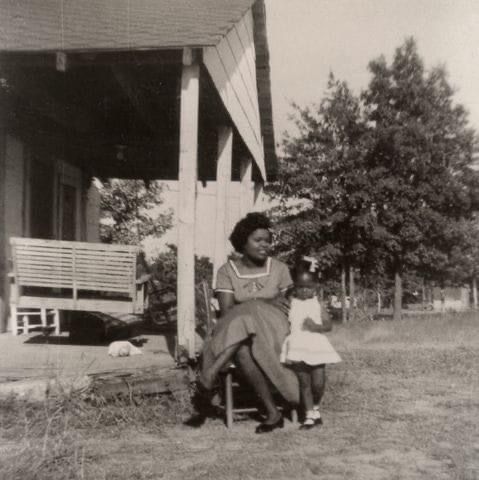
Oprah Winfrey’s story reads like a rags-to-riches fairy tale – but it’s all true. Born in 1954 on her grandmother’s Mississippi farm, young Oprah grew up in extreme poverty. Life was hard – she even wore dresses made of potato sacks and walked miles to a one-room schoolhouse. Yet even as a little girl, Oprah showed extraordinary talent. Her grandmother taught her to read before age three, and by then she was already reciting poems and Bible verses in church.
At six, life changed again: Oprah was sent to live with her mother in inner-city Milwaukee. There, during her mother’s long workdays, Oprah endured abuse by relatives and others. At age 14, she ran away and briefly lived in a juvenile detention center before moving to Nashville to live with her strict father, Vernon Winfrey. Vernon Winfrey imposed structure – curfews and book reports – and in this stable environment Oprah flourished. She became an honor student, winning speech contests and awards. By 17 she had won a Miss Black Tennessee pageant, which earned her a scholarship and a job at WVOL radio. These early triumphs – overcoming abuse and hardship to win scholarships and awards – showed that even in poverty, Oprah’s talent and resilience were shining through.
Breaking Through: The Rise of a TV Star
Oprah’s broadcasting career literally started in a Nashville radio station. In 1971, at age 17, a contest sponsored by WVOL radio led to her first job on the air. From there her star quickly rose. By 1976 she was co-anchoring the evening news on Baltimore’s WJZ-TV – one of the first Black women to hold such a position. She also co-hosted a local morning talk show (People Are Talking) in Baltimore, where her warm, empathetic style already drew fans.
The real breakthrough came in Chicago. In January 1984 Oprah was invited to host a floundering half-hour morning show called AM Chicago. It was a gamble – but Oprah poured her heart into it. Within a year, she had turned AM Chicago from worst to best in the ratings through her authenticity and upbeat approach. The station expanded the show to a full hour and in 1985 renamed it The Oprah Winfrey Show. By 1986 the new show went national, and before long it became the #1 talk show in America. In 1987 alone, the program swept three Daytime Emmy Awards (for Outstanding Host, Program, and Direction), making Oprah the youngest-ever winner of the “Broadcaster of the Year” award. Over its 25-year run (1986–2011), The Oprah Winfrey Show won a record 47 Emmys and regularly drew tens of millions of viewers.
Oprah’s genuine emotion on air – her tears, laughter, and heartfelt connection with guests – created a bond with audiences nobody had seen before. One minute she’d be talking to a Hollywood star, the next to a caller with a problem, and she gave everyone her full attention. By the time Oprah’s show dominated American TV, she had become the richest talk-show host ever – reportedly earning about $315 million a year at its peak – and a beloved household name. Her breakthrough in Chicago proved that audiences craved a talk show host who was real, compassionate, and empowering.
Building a Media Empire: Harpo, OWN, O Magazine and Beyond
Oprah didn’t stop at hosting a hit TV show – she set out to own it. In 1986 she formed Harpo Productions (Oprah spelled backwards) to produce The Oprah Winfrey Show and other projects. This savvy move gave her full creative control and most of the profits. Harpo even branched into Hollywood: in 1990 she co-produced major films like The Color Purple, Beloved, and Selma. These film projects were not only critically acclaimed, they added big revenue. In fact, Forbes notes that reinvested profits from Oprah’s show and her movie projects contributed to more than $2 billion in earnings for her.
In 2000 Oprah launched O, The Oprah Magazine, a glossy lifestyle mag showcasing her voice. It was an instant juggernaut: within months O was outselling established women’s magazines, with over 2 million in monthly circulation and readership soon in the tens of millions. Oprah appeared on virtually every cover and steered the content – empowering stories, celebrity interviews and practical advice. (Notably, O broke its own tradition in Sept 2020 by featuring Breonna Taylor instead of Oprah on the cover, a powerful editorial statement.) Through O, she influenced fashion, beauty and book sales worldwide.
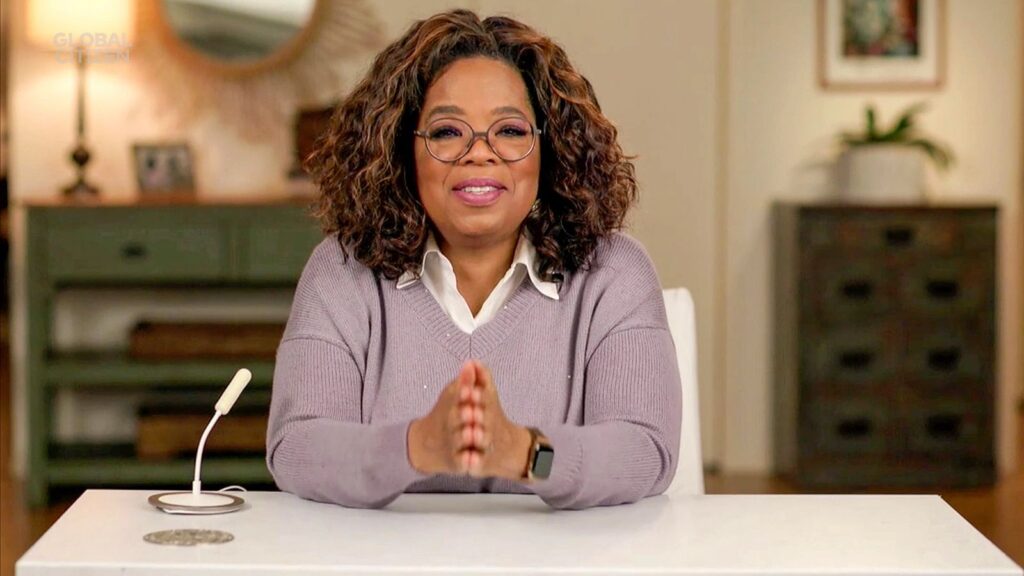
Never content with just TV and print, Oprah continued expanding. In 2011 she partnered with Discovery to launch the Oprah Winfrey Network (OWN) – her own cable channel. OWN was literally the first TV network named for a person. Its early years were shaky – ratings were low and critics skeptical – but Oprah stayed involved. She retooled the lineup to reflect her brand of inspiration and fun (drama series like Greenleaf, talk specials, reality shows). Gradually OWN found an audience. In 2020, Oprah traded most of her OWN stake to Warner Bros. Discovery (the corporate successor to Discovery) in exchange for a share of the larger company, yielding her even more billions.
Across Harpo, O Magazine, OWN and other ventures, Oprah proved she was more than a talk-show host – she was a media mogul. She branched into many industries. For instance, in 2015 Oprah invested in Weight Watchers (WW), buying nearly 10% of the company. The move was headline news: WW’s stock surged nearly 18% that day. As an ambassador, Oprah appeared in WW ads and on the company’s magazine cover, and she served on the board for years. She has also backed other brands – from health foods (partnering with Kraft Heinz on a natural foods line) to startups (opting in on a $130M funding round for the cosmetics brand Il Makiage, for example). Through these decisions, Oprah diversified her holdings and solidified her status as a billionaire entrepreneur. In fact, by the late 2000s Forbes declared her America’s first Black female billionaire. Her net worth today is estimated around $2.8 billion – a testament to how far her media empire has grown.
Giving Back: Philanthropy and Advocacy
With great success came great generosity. Oprah has always been quick to give back, especially in education and welfare. In 1989 she launched a scholarship program at Morehouse College (an all-male historically Black university), donating over $25 million to help hundreds of young Black men graduate. Many of those scholars say Oprah’s belief in them was life-changing – one even credits the scholarship with saving his life. Oprah mentors some scholars personally, a tradition she’s maintained for decades. She often says that education was the surest path out of poverty for her, and she’s determined to provide that chance for others.
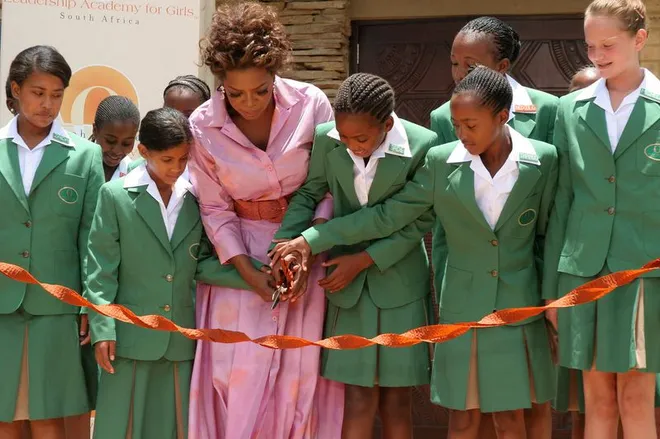
Her largest gift came overseas. After years of planning, in 2007 Oprah opened the Oprah Winfrey Leadership Academy for Girls near Johannesburg, South Africa. She had poured roughly $40 million of her own money into building this free boarding school for vulnerable but high-potential girls. The vision was to lift girls from poverty through rigorous education and character training. The Academy’s first class graduated to top universities, and over 1,000 girls have attended the school. It’s a concrete example of Oprah turning her wealth into opportunity: by 2014, independent auditors reported that every dollar Oprah donated to the Academy – not just her construction money, but ongoing support – went directly to school operations and student aid.
Oprah’s philanthropy doesn’t stop at education. On her show she launched campaigns that raised millions. From 1997–2010, Oprah’s Angel Network raised about $80 million. Those dollars built Habitat for Humanity homes, funded scholarships, and helped communities in crisis. For example, Oprah quietly donated to help rebuild schools and libraries after Hurricane Katrina hit New Orleans, and she contributed to local charities in towns she’d visited on tour. Her foundations support nonprofits for women’s health, children’s welfare and education worldwide. In short, Oprah has given away hundreds of millions of dollars to good causes, often without fanfare. As one observer put it, she leads by example – giving “10 cents of every dollar” she earns to charity.
Oprah also uses her voice to advocate on social issues. A famous case was the 2008 presidential election. Oprah publicly endorsed Barack Obama and even introduced him at the Democratic National Convention. Political scientists estimate her support delivered roughly one million votes to Obama in the primaries. That so-called “Oprah effect” arguably helped propel him to the nomination and presidency. Oprah has spoken out on issues from poverty to literacy. After publicly discussing her own childhood abuse, she campaigned for a national sex-offender registry. In 1993 President Bill Clinton signed the National Child Protection Act – sometimes called “Oprah’s Bill” – creating a database of convicted child abusers. In 2013, President Obama awarded Oprah the Presidential Medal of Freedom (the nation’s highest civilian honor) for her contributions to society.
Recent Ventures: Streaming, Investments, and Wellness
Even after 40+ years in media, Oprah keeps evolving with the times. Since 2020 she’s thrown herself into streaming and wellness. One major shift was partnering with Apple. In 2018 she signed a deal to produce content for Apple TV+, including exclusive interviews and features. That led to projects like The Me You Can’t See (2021), a docuseries about mental health she co-created with Prince Harry. Interestingly, it was also reported in 2024 that Oprah negotiated to buy back the rights to a long-planned Apple documentary about her own life – effectively shelving it. AppleInsider revealed that after disagreements, Oprah paid Apple to ensure the two-part film “will never air”. (It’s been noted that by 2022 the formal collaboration between Oprah and Apple had quietly ended.) In any case, Oprah’s move showed she still calls the shots on her story.
On the business front, Oprah has made savvy investments in health and wellness brands. For example, she quietly joined a $130 million funding round for the cosmetics startup Il Makiage in 2020, and she invested about $1 million in the luxury mattress company Effortless Sleep Co. in 2019. She also backed the health-food chain True Food Kitchen and partnered with Kraft on a line of nutritious foods. These ventures reflect her long-standing passion for healthy living. True to form, Oprah often shares her own wellness journey: she’s been open about using a new weight-loss medication to manage her health, which many fans found inspirational (and even looked up to Oprah to better understand it). On her OWN network and social media, Oprah runs “OWN Your Health” campaigns, brings on fitness and meditation experts, and promotes mindfulness and gratitude. Simply put, Oprah has turned her platform into a wellness megaphone.
Oprah also continues building her brand in the digital age. In late 2020 she published the final monthly issue of O Magazine (ending its print era). Instead, she relaunched O as a digital outlet called Oprah Daily, and in 2021 she introduced Oprah Insider, a subscription-based community for her most devoted followers. She produces podcasts and livestreams, and remains active on Instagram where her messages routinely go viral. By adapting to streaming and online platforms, Oprah ensures she stays connected to new generations. Whether it’s a Netflix interview with Michelle Obama or a TikTok clip of her life advice, Oprah knows how to meet her audience where they are.
Pop Culture Icon: The Oprah Effect
Oprah Winfrey isn’t just rich – she’s a cultural phenomenon. Dubbed the “Queen of All Media,” she changed the way people watch TV, read books, and even shop. The term “Oprah Effect” was coined to describe her power to transform lives and markets. When Oprah endorsed a product or book, sales skyrocketed overnight. Investopedia notes that 59 of her Oprah Book Club picks made the USA Today bestseller list and 22 of them hit #1 – numbers that dwarf almost any other endorsement program. Entire careers were launched on her show. For example, TV personalities like Dr. Phil and Dr. Oz first gained fame after appearing on Oprah’s show; she later helped produce their own syndication series.
Oprah also reinvented the talk-show genre. Before her arrival, daytime talk tended to be either trivial or sensational. Oprah introduced empathy and authenticity as the currency. On The Oprah Winfrey Show, guests would open up on camera – some laughed together with Oprah, others cried together. That raw honesty became her hallmark, and countless other shows (from Dr. Phil to Ellen) have since imitated her style. By the 1990s, simply being an “Oprah-approved” author or entrepreneur meant instant credibility. Magazines and TV networks courted her endorsement, knowing it could turn a niche idea into a national trend. In interviews, people often say that Oprah interviews someone like a conversation with a friend – a tone that set a new standard.
Her influence reaches even into everyday pop culture. Jokes and memes about Oprah are everywhere. (“You get a book!” “Everybody get an Oprah!”) Comedians have poked fun at her generosity and enthusiasm, but always in a way that’s affectionate. Perhaps her biggest pop-culture moment was her 2018 Golden Globe acceptance speech: Oprah spoke passionately about overcoming abuse and seeking equality, and the internet exploded. Google reported a massive spike in searches for “Oprah” during that speech, and fans jokingly started #Oprah2020 as if she were going to run for president. Her name even entered the lexicon: we talk about getting “Oprahed” as a synonym for being gifted or uplifted by a powerful ally.
Ultimately, Oprah’s rise from a dirt-poor Mississippi girl to a $2.8 billion media queen shows the power of authenticity and perseverance. She started with almost nothing – as she often says, “I went through hell and came out shining.” By building The Oprah Winfrey Show into a phenomenon, founding Harpo and OWN and a million-dollar magazine, and by lifting others through philanthropy, Oprah has created an enduring legacy. Her story is now modern American legend. As O Magazine once put it, Oprah proves that speaking your truth and caring for others can literally change your life – and the world around you. In short, Oprah Winfrey isn’t just a billionaire – she’s a cultural force who helped shape American life and continues to light the way for others.
Key Takeaways:
-
Humble Beginnings: Oprah overcame extreme poverty and childhood trauma. She grew up on her grandmother’s Mississippi farm and later endured hardships in Milwaukee. Early on, her talent stood out – she won a statewide pageant and got a radio job by age 17.
-
Media Breakthrough: Her big break was in Chicago, turning a failing local talk show into The Oprah Winfrey Show. The show ran 25 years, won 47 Emmys, and made Oprah a national icon. Her authentic, emotional style redefined daytime TV.
-
Empire Builder: Oprah founded Harpo Productions and O, The Oprah Magazine, and launched OWN (her own cable network). She also invested in companies like Weight Watchers, turning her fame into a multibillion-dollar empire. By 2016 she was Forbes’ first Black female billionaire.
-
Philanthropy & Advocacy: Oprah has given away hundreds of millions to charity. She funds scholarships (e.g. $25M to Morehouse College) and built a girls’ school in South Africa. She used her voice too – notably, her endorsement in 2008 may have delivered ~1 million votes for Barack Obama. She’s also influenced social causes like child protection and women’s empowerment.
-
Cultural Impact: The “Oprah Effect” is real – her book club and product endorsements launch bestsellers and hit products. She has reshaped TV and media, and her name is synonymous with giving and inspiration. Oprah’s influence remains vast: she continues to create content (streaming shows, podcasts) and promote ideas that inspire millions worldwide.
Also Read: Starbucks’ Third Place Concept: Coffee Shop as Community Hub
To read more content like this, subscribe to our newsletter