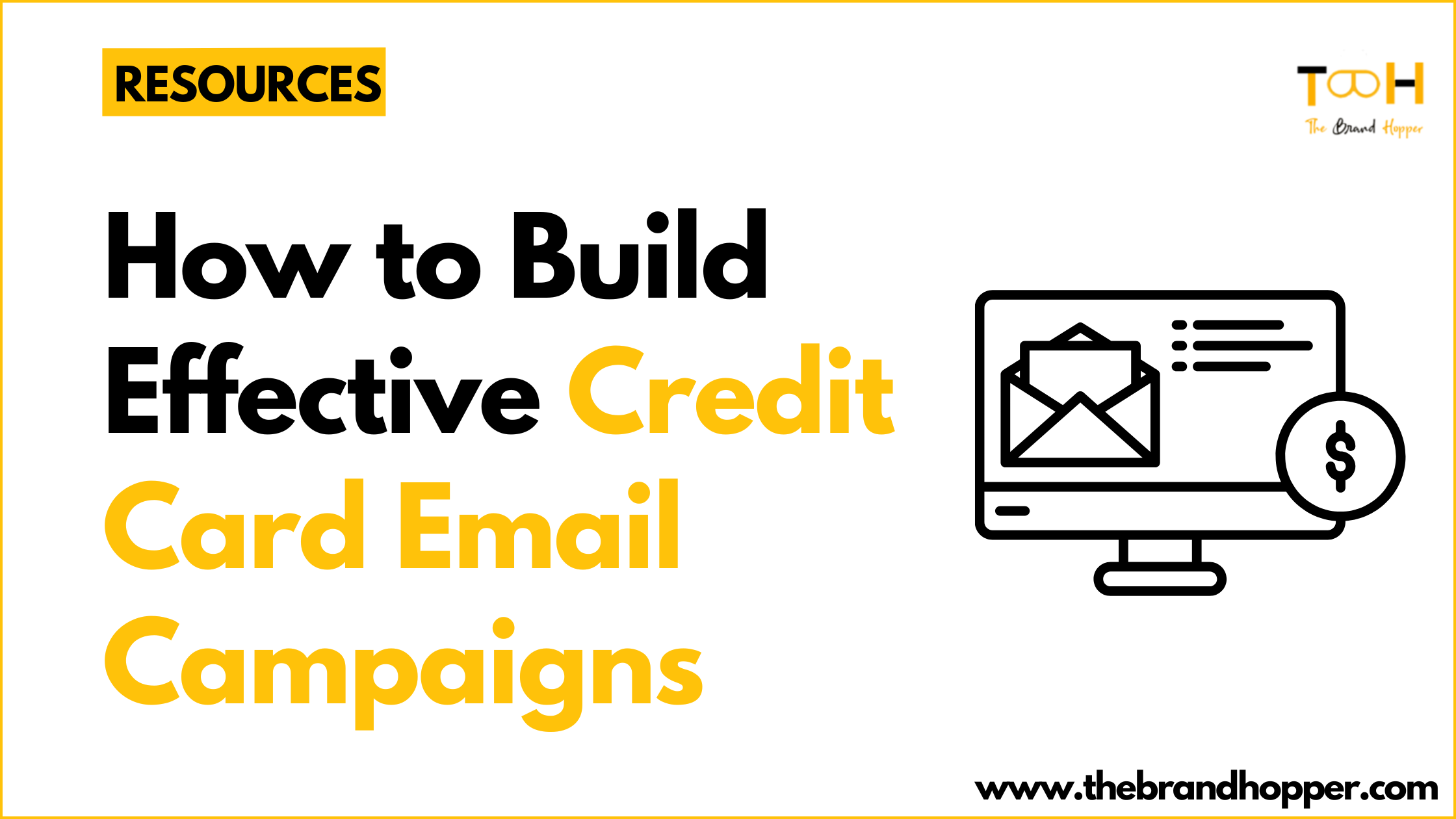
Email marketing is a core channel for credit card providers. Customers expect timely communication on offers, reminders, and account activity.
Your emails must be clear, compliant, and persuasive. Poorly written messages risk confusion or even regulatory problems. Well-structured campaigns build trust and increase conversions.
Below is a practical guide to planning and improving your credit card email campaigns.
Understand Your Audience
Every audience segment has different needs. A first-time applicant wants simple explanations. A long-term customer values loyalty rewards. A high-spending customer expects premium perks.
Start with clean data. Know who you are writing to. Segment lists by age, spending habits, and account type. Use this data to guide tone, message, and timing.
- A student card email should highlight no annual fee and easy approval.
- A travel card email should focus on miles and lounge access.
- A cash back card email should emphasize savings on groceries or gas.
Test which segments respond best to specific offers. Small changes in wording or timing can increase engagement rates.
Focus on Compliance and Clarity
Credit card emails operate in a heavily regulated environment. You must present terms and conditions in a visible way. Do not bury rates or fees in fine print. A single unclear phrase can trigger penalties or damage trust.
Keep subject lines short. Avoid exaggerated claims. Say exactly what the offer provides. Example: “Earn 2% cash back on every purchase.” Clear, direct, and compliant.
Structure content so that the primary benefit appears first. Supporting details and disclaimers should follow. This reduces the risk of misunderstanding. Customers decide quickly whether to trust your message.
Use Templates to Save Time
Managing multiple campaigns requires efficiency. Building emails from scratch each time wastes resources. This is where credit card email templates are essential. Templates ensure consistency in tone, design, and compliance. They also reduce errors when handling sensitive financial content.
- Templates cover a wide range of needs:
- Welcome emails for new cardholders.
- Payment reminders with due dates.
- Fraud alerts for suspicious activity.
- Promotional offers for balance transfers.
- Reward program updates.
A good template includes placeholders for customer names, balances, or account details. It also contains approved legal wording. This speeds up production while protecting compliance standards. Your marketing team can focus on message testing rather than formatting.
Personalize Without Overstepping
Personalization improves engagement, but overuse creates discomfort. Customers expect relevance, not intrusion. Adding a first name to the subject line helps. Mentioning a spending category, such as “grocery rewards,” is effective. Quoting exact balances or locations often feels invasive.
Balance personalization with respect for privacy. Use aggregated insights instead of sensitive data. For example: “Cardholders like you saved an average of $120 last year with cash back.” This builds interest without exposing personal information.
Test, Measure, and Improve
Data tells you whether your campaigns succeed. Open rates measure subject line strength. Click-through rates show content appeal. Conversion rates reveal true effectiveness.
Run A/B tests on subject lines, call-to-action buttons, and send times. Do not change everything at once. Isolate one factor per test. A 5 percent lift in conversion from a subject line test translates to large revenue over time.
Track unsubscribe rates. If they rise, adjust frequency or content. Monitor deliverability. Poor list hygiene leads to spam filtering. Remove inactive addresses. Send only to engaged recipients.
Strengthen Security Awareness
Fraudsters often impersonate credit card companies. Customers must trust your emails. Design all communications with strong security signals. Use consistent branding, clear sender names, and domain-based authentication.
Include reminders in your campaigns: “We will never ask for your password by email.” This protects customers and reduces phishing risks. Security messaging builds credibility and reassures customers.
Conclusion
Effective credit card email campaigns require structure and discipline. You must know your audience, stay compliant, and use proven templates. Personalize messages carefully, test relentlessly, and strengthen security at every step.
Templates reduce mistakes and save time, but strategy ensures results. Focus on clear benefits, honest wording, and relevant offers. With a consistent approach, your campaigns will increase trust and drive growth.
To read more content like this, explore The Brand Hopper
Subscribe to our newsletter