Gerber – founded in 1927 by Dorothy and Daniel Gerber – is a household name in baby nutrition, recognized by its iconic baby-faced logo and more than 90 years of heritage. Originating from strained fruits and vegetables made for Dorothy’s baby, Gerber grew into a global leader in infant nutrition. Today it is part of Nestlé (acquired in 2007) and continues its legacy of “Start Healthy, Stay Healthy” by offering stage-based foods, cereals, formula and snacks for infants and toddlers.
The brand’s history of research-backed nutrition is notable – Gerber and Nestlé conduct the long-running Feeding Infants and Toddlers Study (FITS) to guide product innovation. Gerber’s “Nutrition Journey” system, developed after Nestlé’s acquisition, aligns products with a child’s development stage (0–4 years) and comes with tailored feeding guidance.
Over decades, Gerber has built trust through quality and science. It pioneered stage-based packaging icons and color codes to help parents choose the right product for each age. The company emphasizes rigorous quality control (e.g. testing ingredients beyond required standards) and sources ingredients thoughtfully (from U.S. farms, for example) to assuage parental concerns.
In marketing, Gerber positions itself alongside dedicated parents: it has teamed with medical experts (pediatricians, dietitians, lactation consultants) and consumer groups to reinforce its credibility. Gerber also supports causes like maternal and infant health – for instance, donating to March of Dimes programs – to underscore its commitment to baby well-being. Altogether, Gerber’s brand identity blends nostalgia and innovation, appealing to modern parents who want science-based nutrition and the trusted “Gerber quality” for their children.
Marketing Strategies of Gerber
1) Integrated Campaigns: The “Gerber Generation” Campaign
Gerber’s multi-channel brand campaigns exemplify its marketing strategy of telling a consistent story across media. In 2010, Gerber launched the “Gerber Generation” integrated marketing campaign around the tagline “Start Healthy, Stay Healthy”. Developed with DraftFCB/New York, this campaign showcased all Gerber products in one unified narrative. It kicked off with a TV spot called “United Babies” on Live! with Regis and Kelly, and portrayed children from birth to preschool (“the Gerber Generation”) speaking about nutrition. The campaign introduced bold, color-coded packaging cues – a unique Milestone Symbol and Benefit Band on each jar – so mothers could easily identify age-appropriate foods. Advertisements spanned TV, print and out-of-home (billboards) and were synchronized with digital, social and mobile efforts.

Gerber also used events and word-of-mouth within this campaign. For example, on May 15, 2010 it hosted 1,001 simultaneous Gerber Generation baby showers across America in partnership with House Party™. Selected moms and moms-to-be hosted parties to “talk about the importance of good nutrition” and sample Gerber products. These events combined education and fun, using games and product samples to connect with parenting communities. In sum, Gerber’s Gerber Generation strategy integrated Television, print, out-of-home, direct mail, digital and social media, consumer events and even mobile apps to reinforce its nutrition message. By aligning all touchpoints under a single concept (healthy start to early life), Gerber strengthened brand recognition and motivated parents to choose Gerber products consistently across stages.
-
Campaign Elements: The Gerber Generation campaign featured TV (“United Babies” spot), magazine ads, billboards, direct mail and interactive digital content, all echoing a common theme.
-
Packaging Innovation: It leveraged new Nestlé Start Healthy, Stay Healthy icons on packages – each color-coded by developmental stage – to clarify product benefits and support the campaign narrative.
-
Experiential Marketing: As part of the campaign, Gerber threw 1,001 national “baby showers” through House Party™, enabling peer-to-peer word-of-mom marketing.
This integrated approach exemplifies Gerber’s strategy to reach parents everywhere with one coherent message, using traditional media (TV, print) and modern channels (online, social, events) in harmony.
2) Social Media and Photo-Contest Campaigns
Gerber has embraced social media contests to engage parents and create brand advocates. A notable example was the “Gerber Generation” photo search contests for the next Gerber Baby. In early 2010, Gerber partnered with Cision to launch a 6-month online contest where parents submitted baby photos and campaigned for votes. Entrants fell into six developmental categories (Newborn, Sitter, Crawler, Toddler, Preschool), aligning with Gerber product lines. Each month, one finalist was chosen per category, and at the end a panel selected six winners. Prizes included being featured in Gerber advertising, scholarships, video cameras and baby product kits.
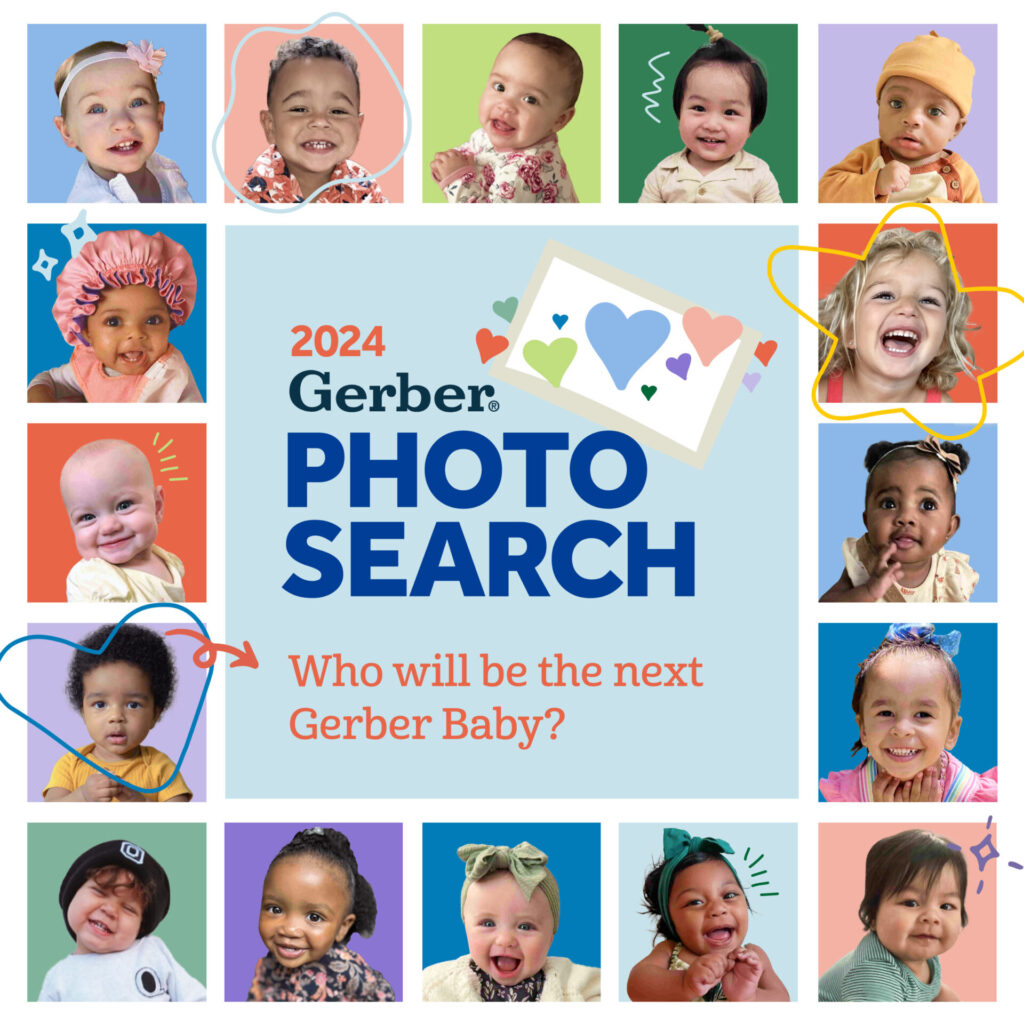
This contest leveraged user-generated content and viral marketing. Gerber used Facebook, Twitter, YouTube and its own contest website to update vote tallies and engage fans. It encouraged participants to share their children’s photos and rally votes from friends and family. The clear daily-vote rule (one vote per person per day) and free entry kept participation high. Winners became de facto brand ambassadors – promoting the contest across their networks – and Gerber captured entrants’ data (emails, preferences) for future marketing.
By 2022, Gerber had continued this tradition: the annual Gerber Baby Photo Search crowned Isa Slish of Oklahoma as the 2022 Gerber Baby (and “Chief Growing Officer”). Notably, Isa was born with limb differences, and Gerber used her story to promote inclusivity and support (donating contest prize money to March of Dimes programs). The photo search exemplifies how Gerber’s marketing ties into its heritage: parents submit photos of smiling babies (echoing the original Gerber Baby), and winners receive the honor of representing Gerber nationally. In short, Gerber’s social media contests create buzz, deepen community ties, and reinforce the brand image of a caring parent like Gerber’s iconic baby face.
-
Contest Mechanics: Parents uploaded baby photos to the Gerber website and promoted them on social media. Contest rules (one vote per email per day) and substantial prizes (scholarships, ad shoots) drove heavy participation.
-
Community Engagement: The contest format mobilized families to rally support for their own entrants, effectively spreading Gerber’s message through personal networks.
-
Results: Each year, the contest generates hundreds of thousands of participants and thousands of social posts. Winners (the “Gerber Baby”) become spokespeople and collaborate with Gerber, giving the brand fresh stories to share.
This strategy of user-driven campaigns helps Gerber stay relevant on modern platforms, turning customers into co-marketers while highlighting the brand’s family focus.
3) Personalized Digital Engagement (MyGerber and “Dotti”)
Gerber has invested in one-to-one digital services to build deeper consumer relationships. A standout example is “Dotti”, a 24/7 text-based advice service for parents enrolled in the MyGerber loyalty program. Launched around 2018, Dotti allows users to text questions about infant nutrition, lactation, sleep or development and receive real-time replies from Gerber’s team of human experts. Importantly, Dotti is not a chatbot: all responses are provided by actual registered dietitians, pediatricians and lactation consultants on Gerber’s staff. This human touch differentiates Gerber’s service; as Gerber’s director of consumer engagement noted, “Dotti is not a bot. It is entirely backed by humans”.
The strategy behind Dotti reflects Gerber’s goal to translate expertise into marketing. By offering free, personalized support (“an expert baby specialist”) at any time, Gerber creates value and trust with parents. It turns daily interactions (a parent’s feeding question via Facebook, SMS or web) into brand engagement. Gerber’s team likens Dotti to a concierge service – for example, parents can schedule one-on-one calls with nurses or coaches through it. This service has reportedly improved key metrics: more parents engage with the brand across channels, and those interactions have “turned relationships into revenue” through increased loyalty. In essence, Dotti embodies a digital customer service strategy that leverages Gerber’s nearly century-long expertise in baby nutrition and presents it directly to the consumer in a conversational format.
-
Accessibility: Dotti is integrated with Facebook Messenger, SMS and Gerber.com, making it easy for parents to ask questions on their preferred platform.
-
Personalization: All answers are personalized and human-driven, strengthening the brand’s credibility (Gerber’s in-house experts draw on the company’s extensive research data).
-
Impact: Gerber reports that parents respond positively to the empathy and convenience of Dotti’s support. This boosts loyalty and keeps the brand top-of-mind through the parenting journey.
By combining human expertise with digital convenience, Gerber’s one-to-one engagement strategy helps it remain relevant in the smartphone era while reinforcing its identity as a trusted advisor for parents.
4) Packaging Innovation and Stage-Based Products
Gerber’s marketing also focuses on convenience and innovation in products and packaging. Parents on-the-go increasingly value easy-to-use, low-mess solutions. In 2015, for example, Gerber redesigned its baby cereal packaging to address this need. New plastic cereal jars featured a wide opening and flip-top lid so caregivers could pour or scoop cereal without spills. The redesign eliminated the aluminum tin liner and BPA, underscoring product safety (“made without BPA”) and freshness (touting a proprietary NutriLock Quality Guarantee). Alongside the new package, Gerber introduced “Lil’ Bits” Cereals – a line of textured, flavorful cereals specifically formulated for older babies and toddlers. These cereals contained more iron (45% vs. 30% daily value) and nutrient-fortified “Powerblend” ingredients, reflecting Gerber’s emphasis on nutritional quality as well as convenience. The cereal redesign campaign was marketed by highlighting both the improved user experience (no-mess feeding) and the advanced nutrition of the product.
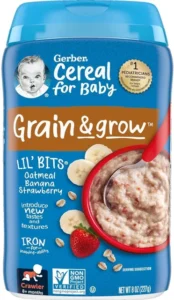
Gerber’s stage-based product segmentation is another key marketing strategy. Packaging across all categories now displays the child’s developmental stage prominently. For instance, a unique “Milestone” symbol on each product identifies whether it’s for a supported sitter (around 6 months), crawler (8+ months), toddler (12+ months) or older preschooler. Color bands and “Benefit Band” labels explain how each formula or puree supports that stage’s needs. This visual system not only guides buyers in-store, but reinforces Gerber’s positioning as the brand that “knows children’s nutritional needs at every age.” In marketing materials (ads, website, direct mail) Gerber consistently ties products to stages – a strategy emphasized in the Gerber Generation campaign’s launch.
Thus, Gerber’s packaging innovation serves multiple purposes: it adds real value for parents (ease, safety) while also reinforcing marketing messages. By combining functional improvements (spill-proof cereal jars) with clear branding (stage icons, quality seals), Gerber ensures its products stand out on shelves and online as the healthy, modern choice for growing babies.
5) Community Events and Partnerships
To build brand affinity, Gerber often creates community events and partnerships that put its products directly into parents’ hands. A prime example was the House Party baby showers during the Gerber Generation campaign. Gerber distributed party kits to 1,001 host homes, each including toys, games and lots of Gerber samples. At these “Gerber Generation Celebrations”, moms and moms-to-be chatted about nutrition with each other and Gerber representatives, playing informational games and sharing tips. These events generated word-of-mouth excitement and allowed Gerber to sample products in a fun, social setting. By celebrating milestones (baby showers) in 1,001 living rooms nationwide, Gerber aligned itself with traditional parent support networks and tapped into the power of peer recommendation.
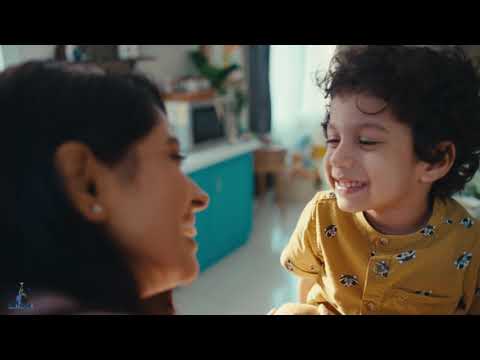
Gerber also partners with other organizations to reach families. In 2022, for instance, Gerber collaborated with Ogilvy India to launch a national TV and digital campaign “Bachchon se badhkar kuch nahi” (Nothing is bigger than your children) in India. This campaign not only adapted Gerber’s global message to local language and culture, but involved local media platforms and influencer partnerships to connect with Indian moms. Similarly, Gerber sponsors parenting events and provides educational content through its MyGerber platform (e.g. webinars on infant nutrition), leveraging experts and allied brands to extend its reach.
-
Sample-Driven Events: Initiatives like the 1001 baby showers gave Gerber direct access to thousands of families, creating grassroots buzz.
-
Local Partnerships: By teaming up with companies like HouseParty™ or with health organizations, Gerber embeds itself in community networks.
-
Educational Content: Through sponsored parenting seminars and online workshops (often featuring Gerber nutritionists), the brand adds value beyond its products.
These community-centric strategies reinforce trust. When Gerber products appear alongside local mom communities or child health organizations, it signals authenticity and support. The result is deeper brand loyalty: mothers who participate in Gerber-hosted events often share their experiences online and are more likely to choose Gerber foods for their babies.
6) Local and Global Market Adaptation
Gerber tailors its marketing to different regions, blending its global brand promise with local culture and needs. In India, for example, Nestlé India relaunched Gerber baby cereals in 2022 with a Hindi ad campaign titled “Bachchon se badhkar kuch nahi” (There is nothing greater than children). The TVC (Ogilvy India) depicts a mother going to great lengths for her baby’s happiness – conveying that Gerber too is committed to doing the best for children. This campaign emphasized Gerber’s 90+ years of global expertise in toddler nutrition and positioned the brand as a “pioneering” ally of modern, health-conscious Indian moms. By using a local language tagline and culturally resonant storytelling, Gerber connected emotionally with its new market while showcasing its international pedigree.
In China, Gerber’s strategy has focused on safety and quality – critical concerns for Chinese parents. When Nestlé opened its first Gerber rice-puff snack factory in China (Harbin) in 2019, the company emphasized strict quality control measures to counter negative publicity about baby food safety. Chinese communications stressed that Gerber performed “over 40 tests on raw material and more than 60 tests on finished products,” far exceeding local requirements. The marketing highlighted traceable, locally-sourced ingredients (e.g. “Akitakomai rice” from Heilongjiang) and global Nestlé food safety standards. By publicizing these facts in Chinese media, Gerber aimed to build trust through transparency. It contrasted Gerber’s careful processes with sensational reports of toxic baby food, reassuring parents that Gerber takes utmost care in every step from field to jar.
These examples show Gerber’s global-local balance: it maintains a consistent core message (healthy, high-quality nutrition) while adapting language, imagery and emphasis. In India the appeal is emotional and values-driven, whereas in China the focus is on scientific guarantees and stringent testing. In each market, Gerber leverages its international reputation (“global commitment to nutrition for more than 90 years”) alongside locally relevant messaging, whether that means warm storytelling or technical assurance.
7) Corporate Social Responsibility and Partnerships
Beyond products and advertising, Gerber invests in social causes and partnerships to reinforce its brand purpose. A notable example is its long-standing relationship with the March of Dimes (a nonprofit focused on infant health). In 2022, Gerber doubled its photo-contest prize winnings by donating an equal amount ($25,000) to March of Dimes maternal/infant health programs. This not only provided media-worthy good news, but also signaled that Gerber’s mission extends to supporting families in need. The partnership is often highlighted in PR communications; a March of Dimes executive called it “furthering [Gerber’s] longstanding partnership to give every family the best possible start”.
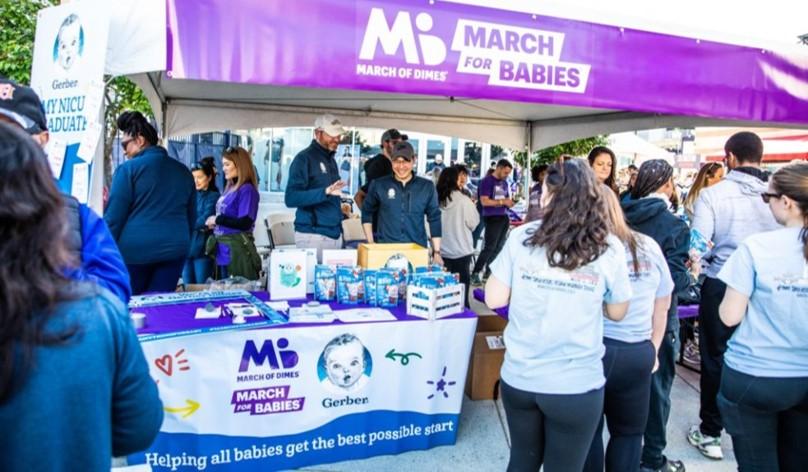
Gerber also aligns with its parent company’s initiatives. For example, Nestlé’s global “Start Healthy, Stay Healthy” education campaign (in 40+ countries) under the Gerber brand often includes classes for new parents, healthy feeding guidelines and collaboration with pediatric associations. These programs tie the Gerber name to caregiving beyond selling jars of food. Additionally, Gerber’s packaging invites customers to contact pediatric experts via its 24/7 text line and even book virtual appointments. By presenting itself as part of a broader child-health ecosystem (baby foods, expert advice, charitable outreach), Gerber strengthens its reputation as a responsible, caring brand.
-
Charitable Giving: Matching contest prizes with donations to maternal health charities and sponsoring nonprofit initiatives shows Gerber’s community-minded side.
-
Industry Collaboration: Gerber participates in nutrition coalitions and supports labeling reforms (e.g. non-GMO, clean label efforts) to align with parental expectations.
-
Partnership with Parents: By framing the “Gerber Baby Search” winners as spokespeople and “Chief Growing Officers”, Gerber personifies a parent-child partnership.
Through CSR and partnerships, Gerber bolsters brand trust and connects its century-old heritage to modern values. Families see Gerber as more than a product line – it is a partner in parenting that gives back and stands for infant health causes. This broadens Gerber’s appeal, especially to young parents who expect brands to have a purpose and social conscience.
Also Read: The Nestle Success Story and Key Factors Behind It
To read more content like this, subscribe to our newsletter