CoverGirl was launched in 1961 by the Noxzema (Noxell) Chemical Company as a line of “medicated” makeup sold in drugstores alongside Noxzema creams. Its name, coined by advertising director Carolyn Oelbaum, evoked both blemish coverage and the glamour of magazine cover girls.
Early ads targeted women 18–54, running “glamour” campaigns in women’s magazines and “medicated” product claims in teen publications. The brand’s affordable, accessible positioning distinguished it from department-store cosmetics and quickly resonated with American consumers. In fact, CoverGirl’s first spokeswoman – 14-year-old Jennifer O’Neill – endorsed the line for 30 years, helping it become the top-selling makeup brand in the U.S.
Over the decades CoverGirl became known for its “girl-next-door” image and famous tagline “Easy, Breezy, Beautiful, CoverGirl.” The brand’s marketing always featured glamorous models, and it often saturated print and TV media: for example, Vogue featured its models, and national TV commercials combined allure with the Noxzema-backed “medicated” promise.
In 1985 Christy Brinkley headlined a campaign that boosted sales, and in 1997 CoverGirl formalized the “Easy, Breezy” slogan to convey natural beauty. Throughout its history CoverGirl has regularly updated its roster of faces: from Jennifer O’Neill and Cheryl Tiegs to later stars like Drew Barrymore, Rihanna, and Ellen DeGeneres, as well as models of color (By the 1980s it explicitly included African-American and Hispanic women in ads).
The brand’s ownership and scope also evolved. Acquired by Procter & Gamble in 1989 and later sold to Coty, Inc. in 2016, CoverGirl grew into a global mass-market powerhouse. By the late 2010s it was marketed worldwide and closely associated with inclusive, trend-driven beauty. A 50th-anniversary event in 2011 illustrated its star power, attended by cover-girls and celebrity friends (Taylor Swift, Drew Barrymore, Queen Latifah, Ellen DeGeneres). CoverGirl’s legacy of everyday glamour and empowerment – encapsulated in its long-running slogan – made it an influential player in the drugstore cosmetics segment worldwide.
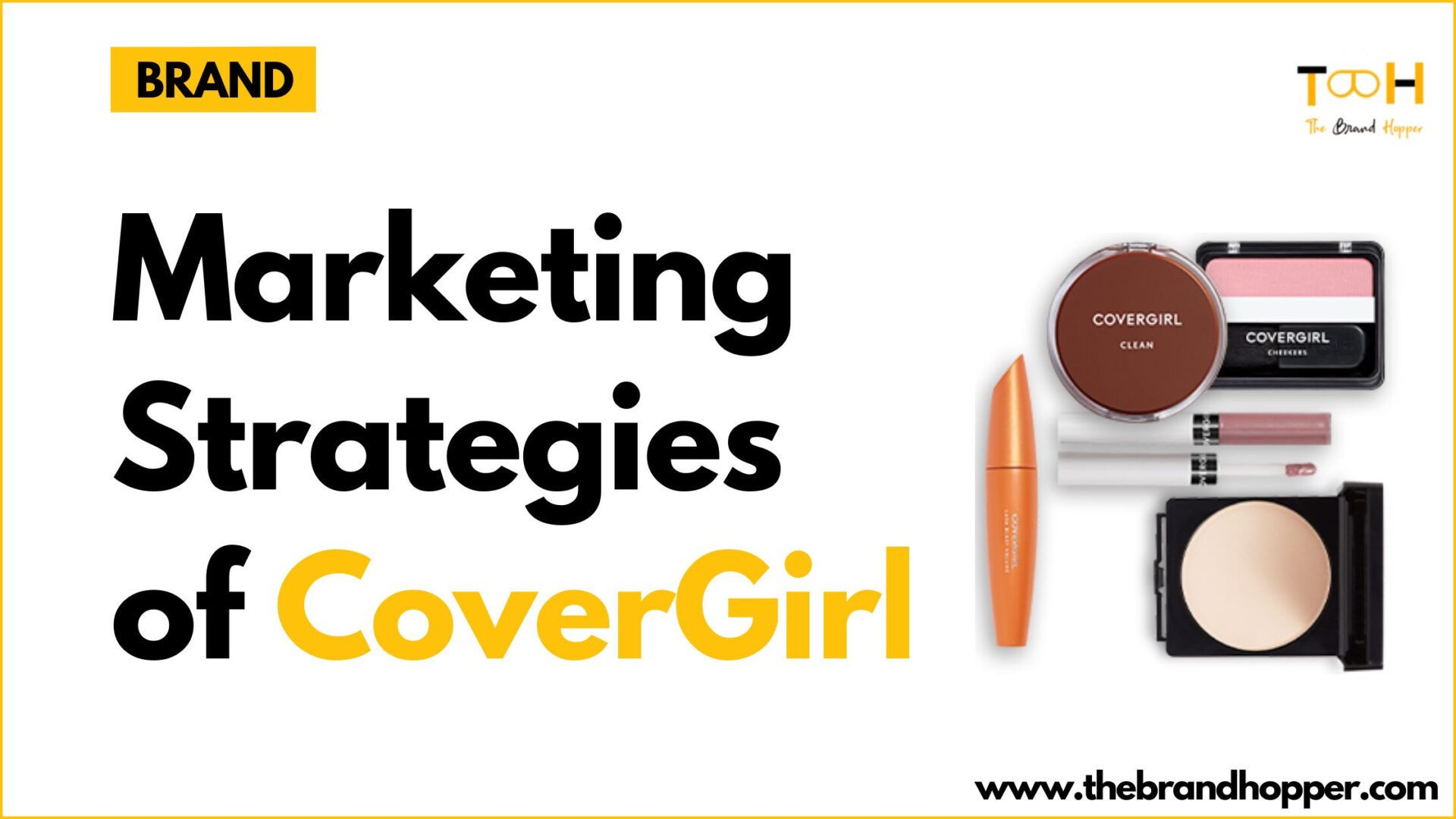
Marketing Strategies of CoverGirl
1) Influencer and Celebrity Marketing
CoverGirl’s marketing has long leaned on high-profile spokespeople.
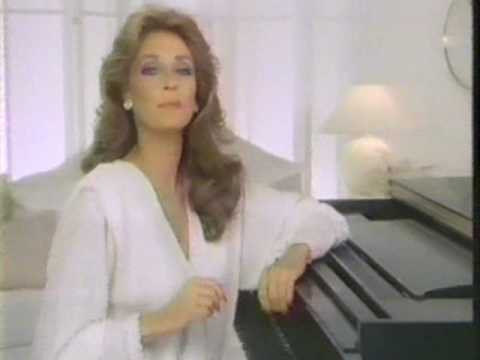
From its early years, legendary models and actresses were featured: for example, 1960s ads starred Jennifer O’Neill and Cybill Shepherd with a wholesome new look, while by the 1970s it signed Cheryl Tiegs to a record-breaking contract and by the 1980s launched campaigns with Christie Brinkley.
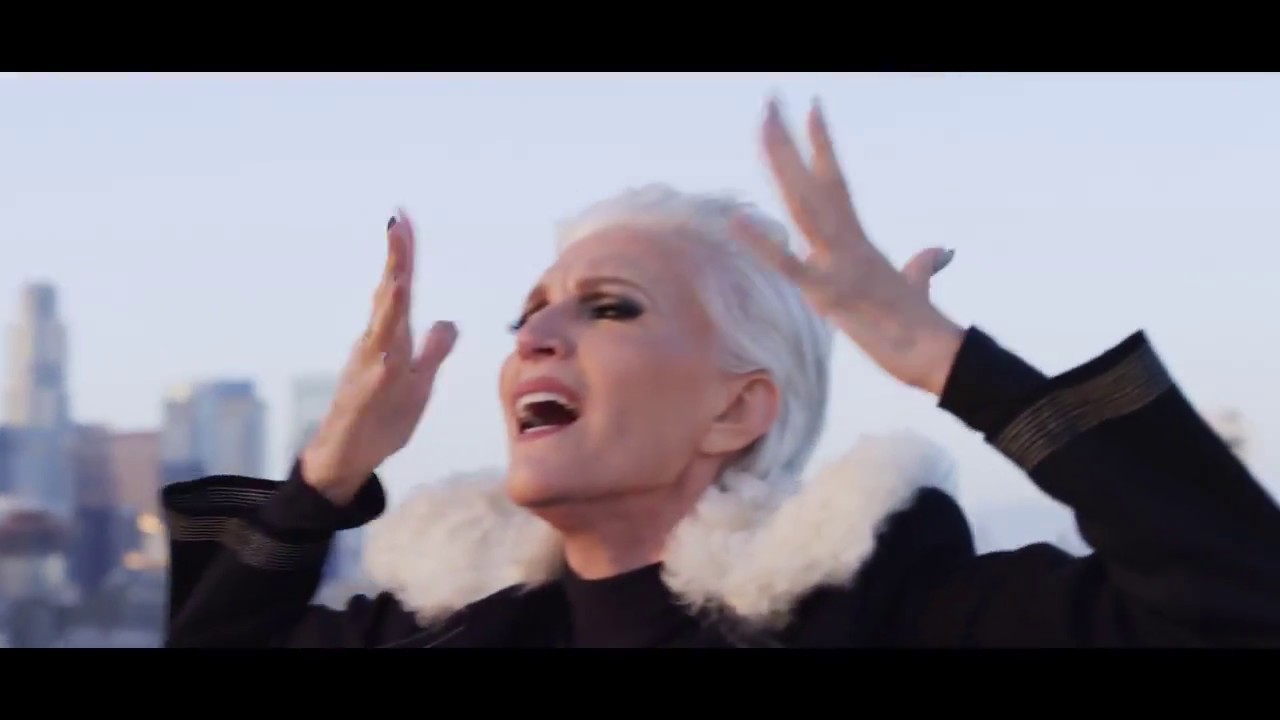
In recent years the brand has deliberately diversified its talent pool. Global stars have served as ambassadors – e.g., Katy Perry became a CoverGirl partner (announced 2014) – and Hollywood personalities like Zendaya and Queen Latifah have fronted campaigns. Around 2017, CoverGirl’s ambassador roster included fitness and entertainment stars of various backgrounds (69‑year‑old model Maye Musk, fitness influencer Massy Arias, musician Janelle Monáe, etc.).
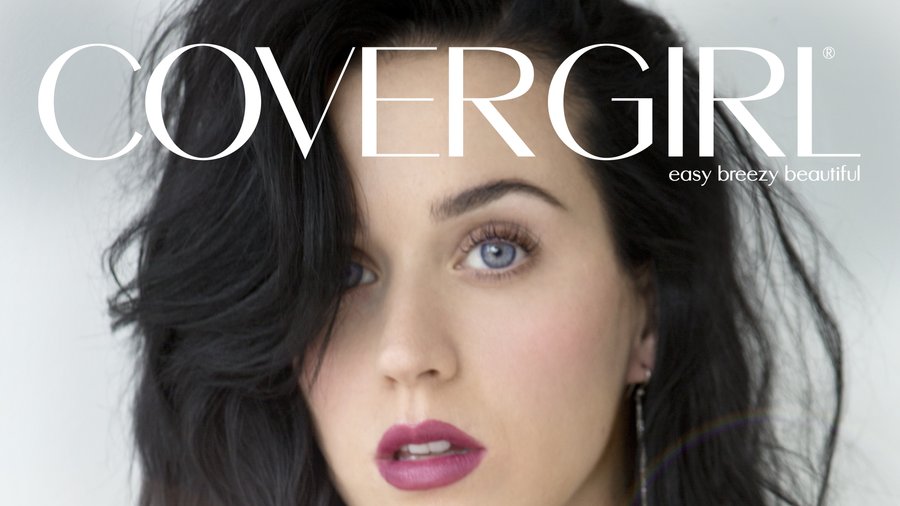
In sum, CoverGirl’s celebrity strategy emphasizes boundary-breaking personalities: plus-size and older models (Queen Latifah has long represented its Queen line), athletes (Coty spokespeople like Shelina Moreda, a pro racer), and social influencers, alongside youthful pop stars and actresses.
In parallel, CoverGirl has built an extensive social influencer program. For Gen Z audiences, the brand engaged TikTok and Instagram creators. Digital Voices reports that a recent CoverGirl campaign for its Clean Invisible Foundation deliberately targeted Hispanic and Black influencers via TikTok, Instagram Reels and YouTube Shorts. The multi-tier influencer approach (Nano/Micro/Macro creators) prioritized authenticity: creators were chosen for their genuine style and given creative freedom, and short tutorial-style clips featuring the product early in the video boosted engagement. This strategy paid off: the campaign delivered 2.27 million views (39% above target) and nearly perfect positive sentiment, proving influencer content resonated strongly with younger consumers.
CoverGirl (under Coty) actively recruits new social media personalities. In 2017 the brand announced nine “Creator Network” influencers and even printed their Instagram images on retail display cards to show shoppers which CoverGirl products could recreate each look.
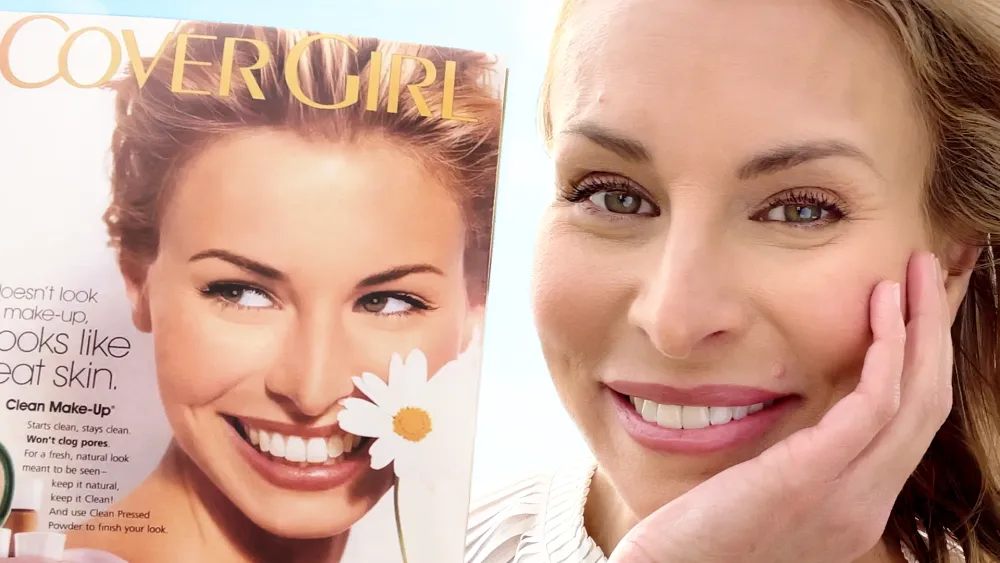
A third facet is celebrity nostalgia and reinvention. CoverGirl often brings back veteran ambassadors to bridge generations. For instance, in 2021 CoverGirl unveiled a campaign for its Simply Ageless anti-aging foundation starring Niki Taylor – a supermodel who was a CoverGirl icon in the 1990s – to give the product an aspirational yet familiar face. And in 2019 actress Lili Reinhart was named a new CoverGirl, along with the revival of the classic “Easy, Breezy, Beautiful” slogan, signaling a return to its roots while still engaging her Gen Z fan base. Through such moves – combining long-standing stars, pop culture names and digital creators – CoverGirl maintains broad appeal and capitalizes on both celebrity buzz and peer-to-peer influence.
2) Inclusivity and Diversity in Advertising
A core strategy for CoverGirl has been celebrating diversity across its campaigns.
From the start, the brand portrayed a more “wholesome” and accessible beauty. CoverGirl’s early ads featured fashion models and, starting in the 1970s, shifted from “aloof” glamor to a girl-next-door look; by the 1980s, the ads consciously included African-American, Hispanic and working women. In recent years CoverGirl has doubled down on this ethos. Its 2017 rebrand stated a new mission to “celebrate authenticity, diversity and expressiveness,” deliberately rejecting narrow beauty ideals.
The resulting “Made in the Mirror” campaign literally cast an international mix of women – an African-American actress (Issa Rae), a Latina basketball player (Ayesha Curry), a Latino MMA instructor (Massy Arias), a 69‑year‑old model (Maye Musk), a Muslim motorcycle racer (Shelina Moreda), and pop star Katy Perry – each shown unabashedly making up and celebrating herself. CoverGirl promoted this as “inspiration for women to embrace their unique identities,” underlining that “makeup is a significant part” of self-expression.
CoverGirl also pursues inclusivity through its product lines and niche branding. It launched a “Queen” line specifically for dark skin tones, long represented by Queen Latifah. It has featured the first hijab‑wearing model (Nura Afia) and the first openly male CoverGirl (James Charles) to signal that makeup is gender-neutral.
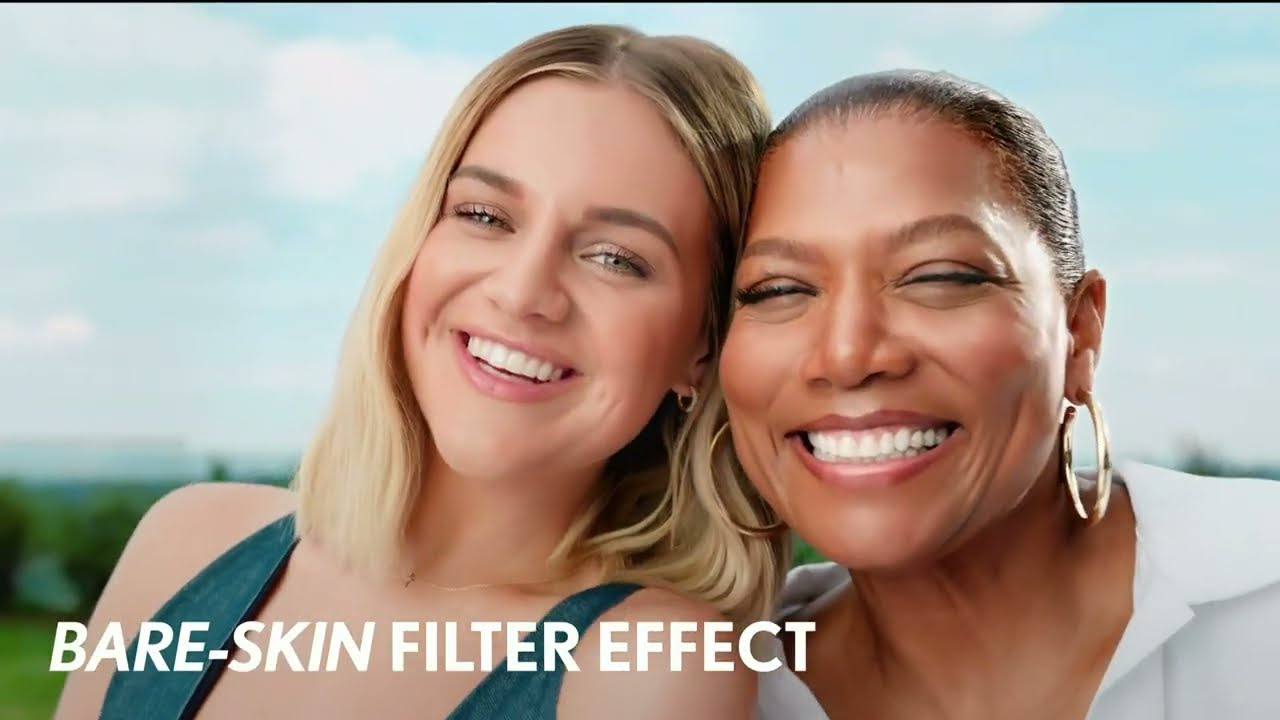
On age inclusivity, the brand’s Simply Ageless collection (for mature skin) has been fronted by figures ranging from Sangita Patel (Canada) to television host Tracy Moore, reinforcing that beauty transcends youth. In Canada’s 2025 “Ageless Beauty” campaign, three female media icons in mid-life campaign for the foundation and #TikTok Skin Perfector Essence, with messaging like “aging is beautiful” and “embrace your age with pride. These efforts reflect a consistent message: beauty is for everyone.
The company has backed up this messaging with cause-related partnerships. For example, CoverGirl teamed with Susan G. Komen and Sally Hansen in 2021 for a “Together for the Cure” breast-cancer awareness program, promoting 15 “clean” drugstore products during Breast Cancer Awareness Month and donating $100,000. Similarly, in 2025 CoverGirl announced a first-time sports partnership with women’s basketball champion Chicago Sky, explicitly celebrating women’s strength and self-expression. Such partnerships – whether with health causes or female‑centric sports – reinforce CoverGirl’s image as a brand for all women, not just a narrow set of “beauty ideals.”
3) Digital and Social Media Strategy
CoverGirl’s modern marketing heavily leverages digital channels. The brand maintains a strong presence on Instagram, TikTok, Facebook and YouTube, where it shares tutorials, user content and campaign films.
For instance, when CoverGirl launched its 2017 “Made in the Mirror” relaunch, it created short videos for each ambassador and distributed them on Instagram, Facebook, Twitter and YouTube. In practice, CoverGirl treats social media as prime real estate: user engagement rates and platform trends shape content.
Their influencer campaigns (for Gen Z) centered on TikTok – recognizing it as a primary discovery platform for beauty trends. CoverGirl specifically targeted TikTok audiences with short, impactful content; the campaign also drove traffic to shoppable Instagram and TikTok posts, integrating social listening and commerce.
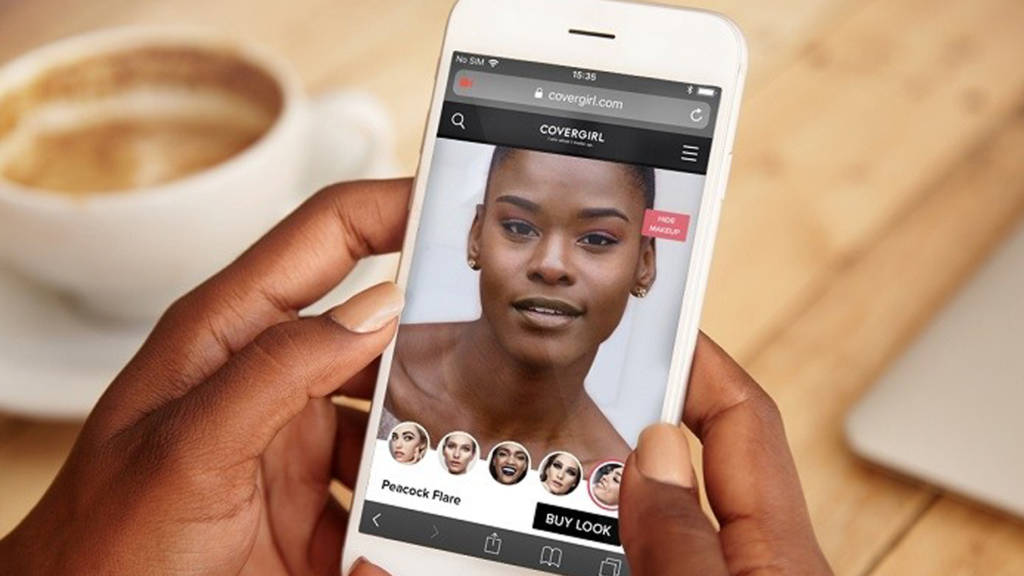
CoverGirl also experiments with interactive digital tools. In 2018 it launched a web-based AR “Try It” makeup experience (no app needed) so consumers could virtually apply and purchase its Spring 2018 collection. The AR tool – part of the “I Am What I Make Up” campaign – highlighted multiple looks (Matte Lip, Smoky Eye, etc.) and linked to Walmart’s e-commerce checkout. CoverGirl influencers were enlisted to promote the virtual try-on, blurring the line between digital and influencer channels.
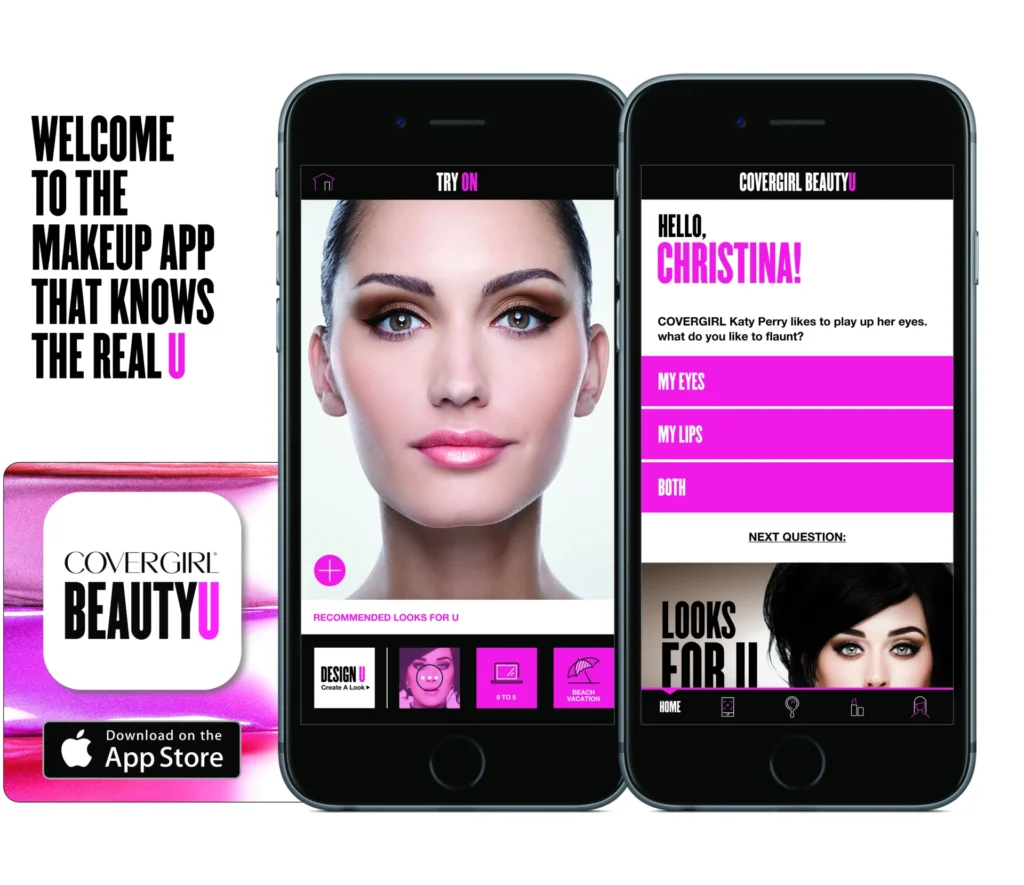
Prior to that, CoverGirl had even pioneered a facial-scanning BeautyU app (2016) for virtual makeovers. Such innovations reinforce CoverGirl’s tech-savvy image and give consumers novel ways to engage.
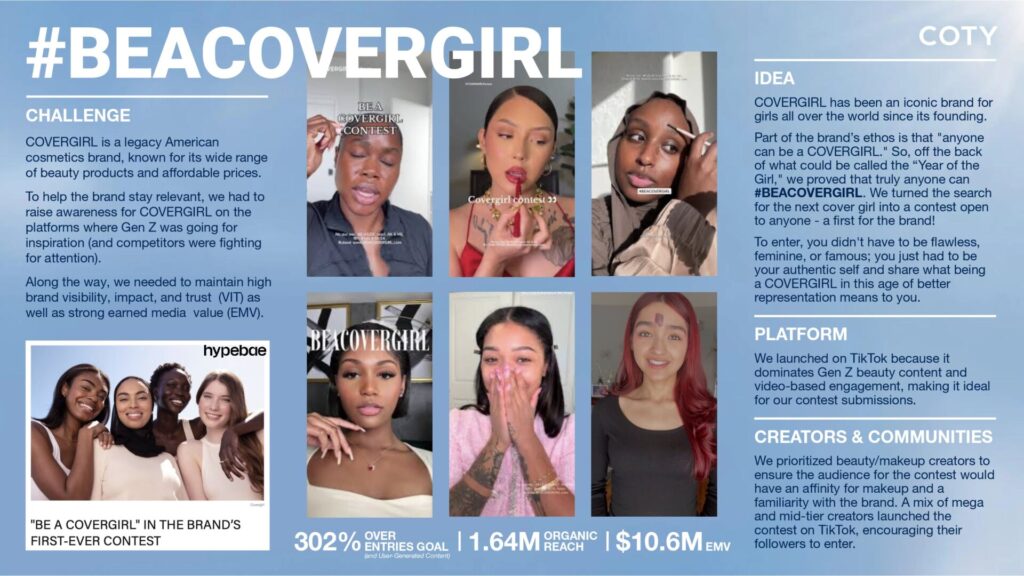
Beyond technology, CoverGirl’s social strategy is about community building. The brand encourages user participation via hashtags and interactive contests. For example, in 2023 CoverGirl ran a viral #BeACoverGirl TikTok contest, open to everyone. Instead of casting only celebrities, it invited real people to post videos explaining what being a CoverGirl means to them. This campaign leveraged a cultural trend (“Year of the Girl”) and the insight that “anyone can be a COVERGIRL,” drawing thousands of entries and social buzz. Earlier efforts likewise asked fans to share looks and win prizes (e.g. follower-count sweepstakes or product giveaways).
On a retail level, CoverGirl’s “Beauty Story” pop-up in NYC gamified sharing: visitors were encouraged to take Instagram-worthy photos and earned free product via “social currency” for posts. Overall, CoverGirl’s digital strategy marries paid campaigns with earned and owned media: it amplifies brand-led content (campaign ads on YouTube/FB) and also harnesses UGC – letting customers become spokespeople through challenges, reviews, and social feeds.
4) Brand Partnerships and Sponsorships
CoverGirl strategically partners with organizations and media to extend its reach.
One prominent example is its 2025 alliance with the WNBA’s Chicago Sky basketball team. CoverGirl is the Sky’s first official cosmetics sponsor. The deal includes in-arena product sampling, beauty bar activations, and custom content featuring players and the team’s mascot. This partnership – a first-of-its-kind merger of beauty and sports – positions CoverGirl alongside emerging women’s sports audiences. Sky collaboration specifically includes “beauty bars, sampling, and player-led content campaigns,” effectively integrating CoverGirl into the live game experience.
Beyond sports, CoverGirl engages in cause marketing and cultural sponsorships. For instance, CoverGirl has supported LGBTQ+ pride initiatives and sustainability goals (highlighting its cruelty-free and vegan products in campaigns like “Clean Fresh”). Its collaboration with Susan G. Komen in 2021 (“Together for the Cure”) is an example of corporate social responsibility: 15 clean-beauty products were co-promoted with Sally Hansen during Breast Cancer Awareness Month, and $100,000 was donated to Komen. These cause partnerships reinforce CoverGirl’s image as a socially conscious brand. Similarly, the America Ferrera campaign for the Clean Fresh Skincare line was cross-promoted in English and Spanish markets as an inclusive, bilingual initiative.
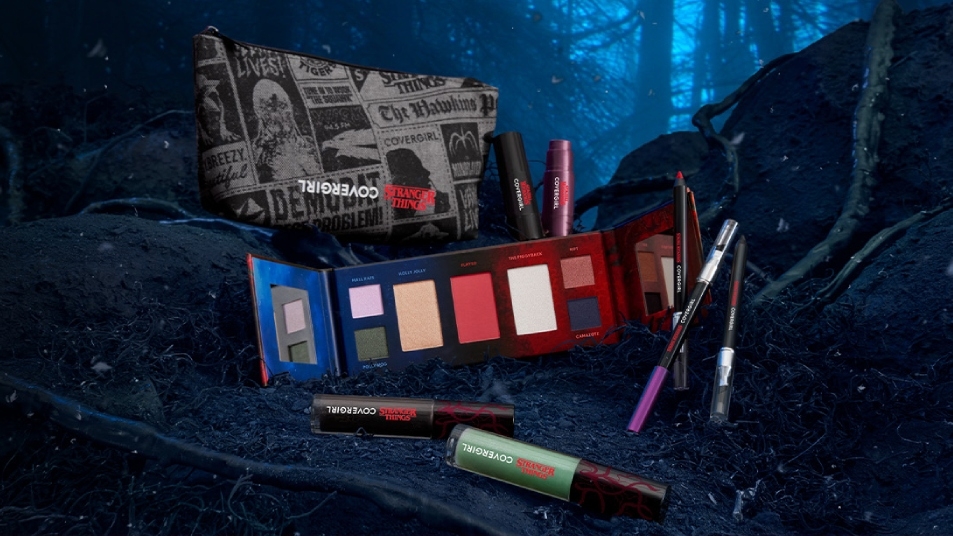
CoverGirl also leverages entertainment partnerships. It occasionally ties into pop culture releases: for example, it launched a limited-edition Stranger Things collection in 2022 (products and packaging inspired by the show’s 1980s vibe). While such collabs are more product tie-ins, they serve as marketing partnerships that generate buzz among younger fans (though details of that campaign are announced mainly on retailer and Netflix channels).
Overall, CoverGirl’s sponsorships – whether with sports teams, nonprofits or media franchises – are chosen to align with its core audience and message of empowerment. These partnerships broaden CoverGirl’s exposure beyond traditional beauty channels and create integrated, experiential touchpoints with consumers.
5) Product Innovation Marketing
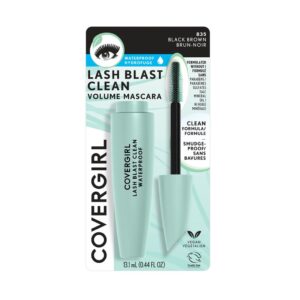
CoverGirl often highlights product innovations and ingredient trends in its marketing. In recent years this has meant focusing on “clean” and inclusive beauty science. In late 2020 CoverGirl launched Lash Blast Clean Volume Mascara, billed as the brand’s first truly “clean” mascara. The product (in a mint-green tube) is 100% vegan and cruelty-free and promises “up to 10X” lash volume. The press release emphasized CoverGirl’s iconic orange-tube Lash Blast lineage and framed the new formula as delivering “a punch” while meeting consumer demand for safer ingredients. Packaging innovations accompanied it: the Clean mascara uses FSC-certified recycled paper for its carton.
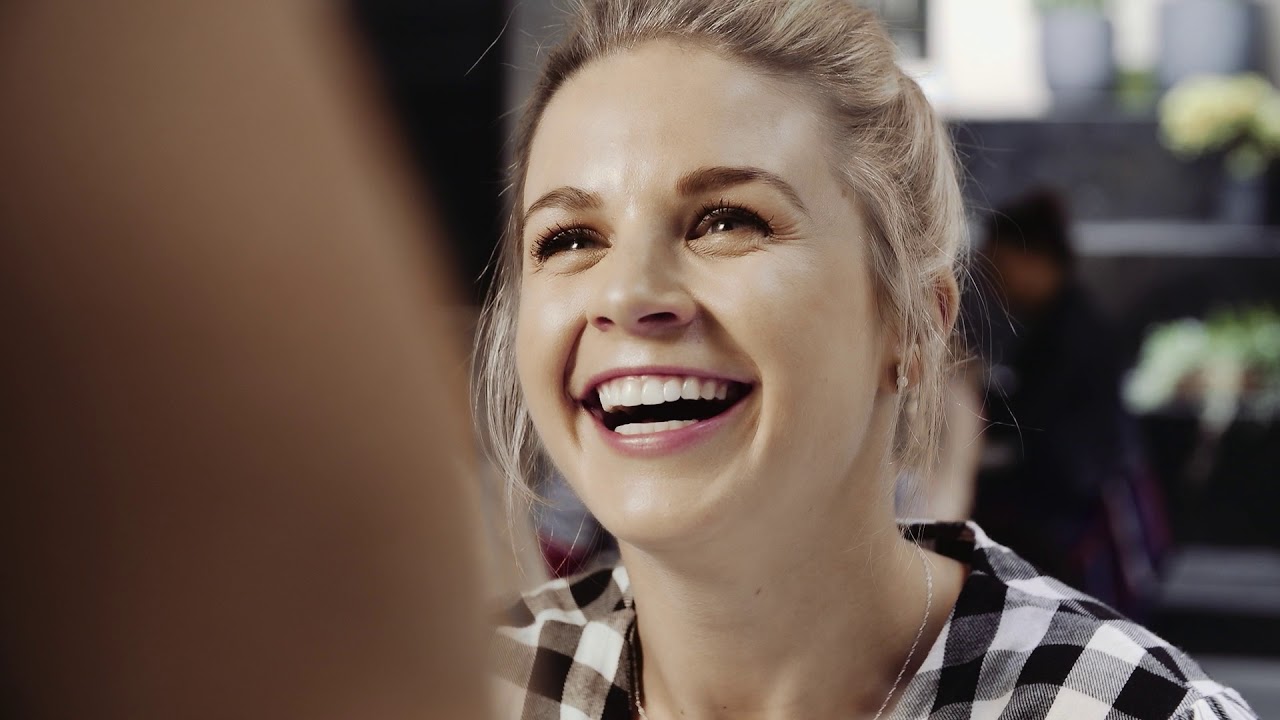
Another example is CoverGirl’s Clean Invisible Foundation update. In 2024 the brand revamped this signature fragrance-free foundation with a new squeeze-tube packaging and 100% naturally derived pigments. The launch was promoted via a nostalgic digital campaign: CoverGirl produced a video set in a 1960s salon to echo the brand’s original 1961 advertising. The marketing headline noted that this relaunch “celebrate[s] its birth year – 1961,” connecting product innovation to heritage. Likewise, the Simply Ageless line (for mature skin) itself represents innovation – combining foundation with skincare benefits – and its campaign has highlighted that feature (images showed Niki Taylor’s real-life skin, for example).
CoverGirl has also expanded into skincare to capture the clean-beauty trend. In 2022 it unveiled a Clean Fresh Skincare collection (cleansing water, moisturizer, etc.) with America Ferrera as the face. The campaign was bilingual (English/Spanish) and emphasized “clean, vegan, cruelty-free” ingredients, playing on CoverGirl’s heritage claim of having “brought the world clean makeup” 60 years prior. CoverGirl was “the first brand to bring the world clean make-up 60 years ago” and that it now aims to make the latest clean-beauty innovations accessible. In messaging and packaging, these product launches stress affordability (“accessible beauty at scale”) while fulfilling modern trends. By marketing both the science and story behind new products (e.g. “clean” formulations, anti-aging tech, inclusive shade ranges), CoverGirl keeps its image fresh and engages consumers seeking innovation in drugstore cosmetics.
6) Rebranding and Repositioning Efforts
CoverGirl has periodically refreshed its brand positioning through major rebrands. The most dramatic example came in 2017 with its campaign “I Am What I Make Up” with the company describing it as CoverGirl’s “biggest reinvention in its 60-year history,” unveiling a new mission to challenge beauty norms. The tagline replaced “Easy, Breezy” and the logo was redesigned; all digital platforms updated overnight. The edgy campaign films (with voice-overs by Toni Morrison) and inclusive imagery were part of an effort to depict CoverGirl as a champion of authenticity. Even packaging and store displays were redone immediately to reflect the new look.
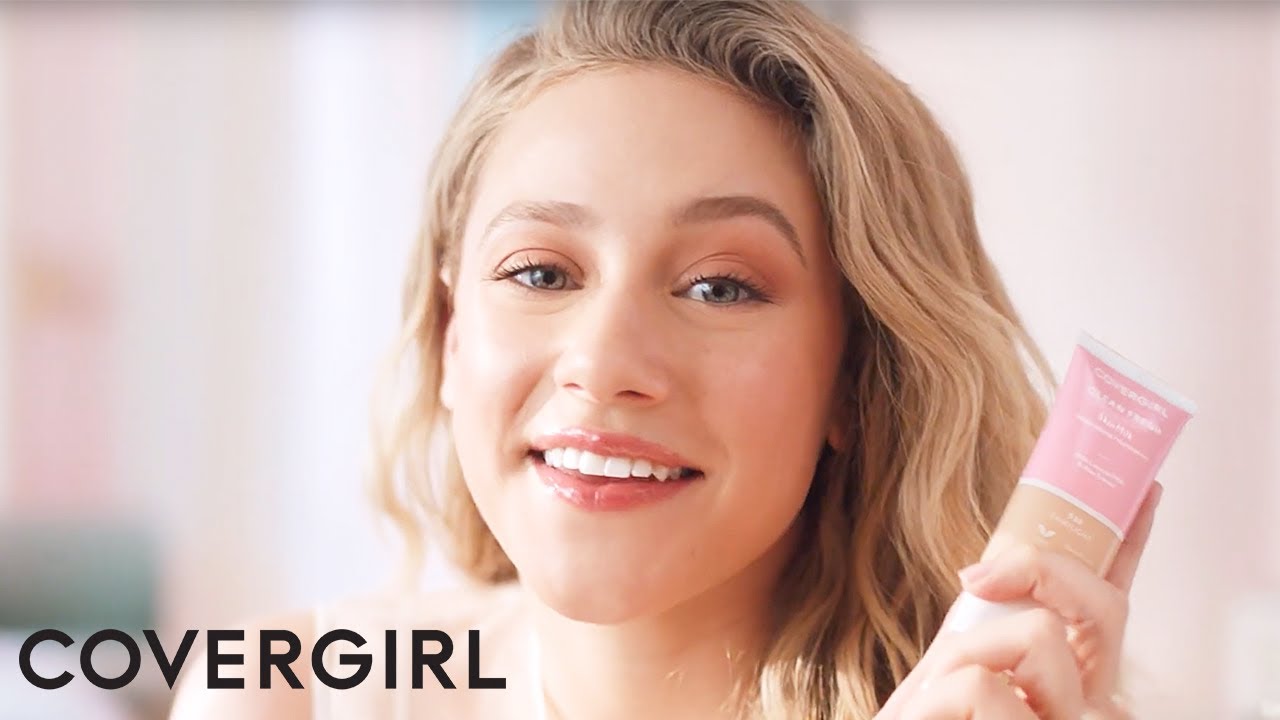
In 2019 CoverGirl made another tonal shift by reviving its classic slogan. The brand announced actress Lili Reinhart as a new face and, in tandem, brought back “Easy, Breezy, Beautiful” as a nod to its heritage. This move – returning to a familiar cue – was seen as a way to leverage nostalgia while still appealing to younger fans (Reinhart has Gen Z clout). Essentially, CoverGirl oscillated between a rebellious new identity (2017) and its iconic legacy (2019) to stay relevant to different segments.
More recently, CoverGirl has employed local repositioning strategies. In 2025 CoverGirl Canada launched an “Ageless Beauty” campaign for its Simply Ageless line. The Canadian ads feature three media personalities in their 40s/50s and stress the idea that “aging is beautiful”. The campaign explicitly aims to “redefine age in beauty” and encourage women to “embrace their age with pride”. This targeted repositioning – celebrating confidence and diversity at every life stage – shows how CoverGirl adapts its message for different markets and demographics.
In sum, CoverGirl’s rebranding efforts – whether changing slogans, redesigning packaging, or shifting campaign themes – are consistently backed by broad marketing pushes and tight integration of new messaging across channels.
7) User-Generated Content and Community Engagement
CoverGirl actively involves consumers in its brand narrative through user-generated content (UGC) campaigns and social challenges.
A notable example is the 2023 #BeACoverGirl TikTok contest. CoverGirl invited anyone to audition for the title of CoverGirl by posting videos about what being a CoverGirl means to them. The contest emphasized authenticity (“no filters, just real people, real stories”) and directly “proved that anyone can be a COVERGIRL”. This open-call approach generated broad engagement and social buzz, aligning with CoverGirl’s inclusive brand ethos.
Other UGC initiatives include social media giveaways and hashtag campaigns. For instance, CoverGirl’s Instagram and TikTok periodically host follower milestone sweepstakes or product giveaways requiring users to comment or share content (e.g. the “CoverGirl 150K Followers Giveaway”). These campaigns reward customer participation (comments, shares, creative posts) with prizes, thereby encouraging viral sharing. In retail activations, CoverGirl’s “Beauty Story” pop-up store also gamified UGC: visitors were encouraged to take and share photos of themselves experimenting with makeup and hairstyling, earning free products in return. By incentivizing social posting, CoverGirl turned consumers into brand advocates and organically amplified campaign visibility.
CoverGirl maintains an active dialogue with its community online. The brand follows trends and often reposts fans’ content (makeup looks tagged with #covergirl or #IAmWhatIMakeUp) on its official channels. It also solicits feedback for new products and features – for example, using Instagram Stories polls or comments to gauge interest. During major launches, CoverGirl hashtags unite user conversations (e.g. fans and influencers using #LashBlast or #CleanFresh to showcase new products). The marketing aim is twofold: first, to make consumers feel seen as part of CoverGirl’s story, and second, to leverage peer influence and peer validation (seeing real people love a product encourages others to try it). In an industry where word-of-mouth and authenticity matter, CoverGirl’s user-generated campaigns help sustain buzz between big ad blasts and keep the brand culturally relevant.
8) Traditional Media Outreach
Despite its digital pivot, CoverGirl still exploits traditional media to reach mass audiences. Historically it has been a fixture in print and TV advertising. Since its 1961 debut, CoverGirl ads ran in national women’s magazines and on network television. Early TV spots combined glamour imagery with Noxzema’s “medicated” claims, cementing the brand’s credibility and style. In more recent decades, CoverGirl has maintained a presence in magazines like Cosmopolitan and Women’s Health and on daytime TV. For example, CoverGirl has sponsored makeup tips segments on morning shows, and its models regularly appear on daytime talk shows and entertainment news, keeping the name ubiquitous.
On the PR side, CoverGirl regularly issues press releases to fashion and trade media announcing new ambassadors, product launches or initiatives. These releases (often via Business Wire or Coty’s newsroom) secure coverage in outlets like Allure, WWD, and mainstream news. For example, the businesswire announcing America Ferrera’s ambassadorship generated articles in dozens of outlets, amplifying the campaign. CoverGirl executives and brand leads also give interviews to style and beauty journalists at events (e.g., industry conferences or launch parties) to maintain press interest.
Finally, CoverGirl sponsors key cultural events. It has been a partner of the People’s Choice Awards and Fashion Week in the past, and it often collaborates on red-carpet appearances (supplying products to stylists for celebrities). While direct advertising on TV networks has waned (as CoverGirl focuses on cable and streaming deals), it still invests in out-of-home media: billboards in fashion districts and transit ads in major cities reinforce its visibility. In sum, CoverGirl’s traditional outreach – a mix of print, broadcast, outdoor and PR – complements its modern campaigns, ensuring the brand retains broad awareness across all demographics.
Also Read: The Winning Marketing Strategies of Ulta Beauty
Also Read: Estée Lauder : Exploring the Marketing Strategies of Beauty Empire
To read more content like this, subcribe to our newsletter