Many first-time sellers find themselves overwhelmed by the intricacies of the real estate market. Knowing the critical steps in this process can ease the experience. From setting the right price to navigating negotiations, knowing what to expect can make a world of difference. Here, we will break down the various stages of selling a home and offer strategies to help first-time sellers successfully navigate the journey.
Knowing the Real Estate Market
Before diving into the selling process, grasp the dynamics of your local real estate market. Each area has its own set of trends, fluctuating prices, and buyer demands. Researching neighborhoods and average home prices can provide valuable insights that will set a competitive asking price.
Consulting with real estate agents or market analysts can improve your understanding. Professionals in the industry offer expertise that could be advantageous during your selling process. They have access to data not readily available to the average seller, which can help you effectively position your property.
Exploring Cash Offers for Quick Sales
For those looking to expedite the selling process, accepting cash offers can be enticing. Many buyers seek homes they can purchase as-is for fast cash, bypassing the need for repairs or real estate agents. Companies like Unload My Home specialize in buying homes in various conditions, providing sellers with an alternative way to sell swiftly. This route can save time and simplify the selling process so that sellers can close deals quickly.
Each company may offer different solutions, promising fast, fair offers without the stress of typical negotiations. Still, don’t forget to evaluate each company’s reputation and past performance thoroughly. Reading reviews and conducting due diligence guarantees that sellers can land on a reliable partner for a quick sale.
Preparing Your Property for Sale
Sellers who are going the traditional route must prepare their property for sale. First impressions matter, and potential buyers make snap judgments within seconds. Start with a thorough cleaning, removing clutter, and making minor repairs. Peeling paint, squeaky doors, and outdated fixtures can all be red flags that discourage buyers.
The outside of the home is the first thing buyers will see, so your landscaping should be well-kept, and the exterior should be inviting. There’s nothing wrong with investing a little to yield more in return, but be mindful of excessive renovations that may not offer a proper financial return.
Setting the Right Price
Pricing a home appropriately attracts buyers and will get you a good return. A home priced too high risks stagnating on the market, while one priced too low could lead to financial loss. To set the right price, use comparative market analysis (CMA), which takes into account similar properties in your area that have sold recently.
Even look into your unique selling points. If your home has been renovated or is in a desirable location, this may justify a higher asking price. An appraisal can provide an unbiased estimate of your home’s value. Such assessments can offer peace of mind that your pricing strategy aligns with market expectations.
The Role of Real Estate Agents
Many first-time sellers opt to work with real estate agents. A competent real estate agent brings valuable experience and helps with everything from pricing strategies to marketing efforts. Agents can handle negotiations and paperwork, freeing sellers from some of the more tedious aspects of the transaction.
Select an agent who is knowledgeable about your local market and has a proven track record. Don’t hesitate to read reviews or ask for recommendations from friends and family. The right agent will prioritize your interests and guide you through expectations and potential obstacles.
Marketing Your Home Effectively
To successfully market your home, create a strong online presence through listings on popular real estate websites and social media platforms. Provide engaging descriptions highlighting your property’s unique features, neighborhood amenities, and nearby facilities: all of which can paint a vivid picture for prospective buyers.
Utilizing high-quality photos and virtual tours can further boost interest. Consider traditional marketing methods, too. Open houses, flyers, and community events can draw in local buyers. Word of mouth is a powerful tool: let friends and family know that you’re selling your home.
Negotiations and Offers
Once your home is on the market, be ready for negotiations. Prospective buyers may make offers below your asking price, and this is where your research and preparation pay off. Don’t feel rushed to accept the first bid: having patience can sometimes yield improved financial outcomes.
Keep emotions separate from the business side of selling to maintain a clear perspective. When you receive an offer, check both the price and the terms. Every offer should be evaluated as a whole package, assessing contingencies and close dates.
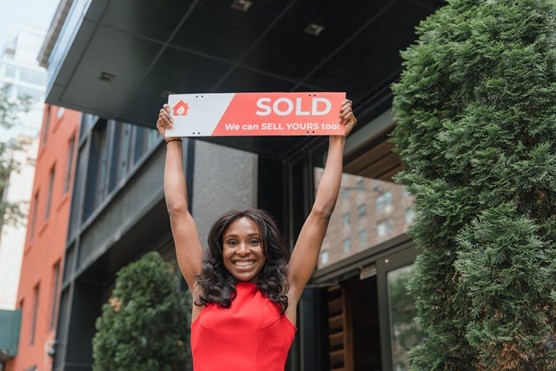
When selling a property for the first time, understanding the market, preparing adequately, and navigating offers are imperative for a successful sale. By following these strategies, you can minimize stress and gain valuable insights that lead you to a rewarding selling process.
To read more content like this, explore The Brand Hopper
Subscribe to our newsletter