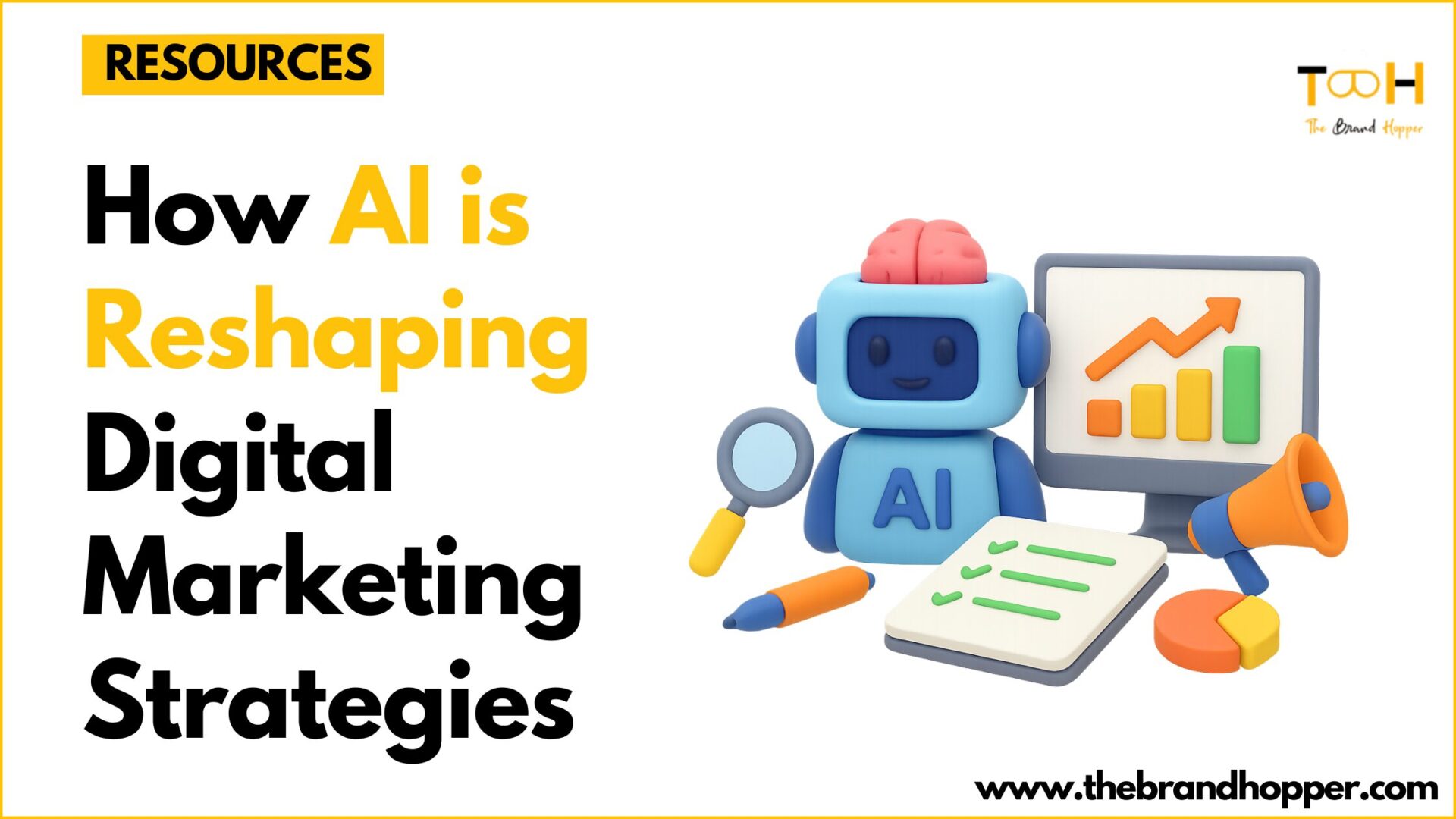
In 2025, digital marketing is undergoing a revolution—and AI is at the heart of it. What was once a tool for data analysis and automation has evolved into a powerful driver of strategy, creativity, and customer engagement. Brands are no longer guessing what their audience wants; AI can predict behaviors, personalize experiences in real-time, and even generate content that speaks directly to individual users. From intelligent chatbots handling customer queries to algorithms optimizing campaigns with unprecedented precision, AI is reshaping every aspect of digital marketing. For marketers, the question is no longer if AI will change the game, but how quickly they can adapt to stay ahead in a fiercely competitive landscape. This article dives into the transformative impact of AI on marketing strategies in 2025 and what it means for the future of brand-consumer relationships.
Evolution of AI in Digital Marketing
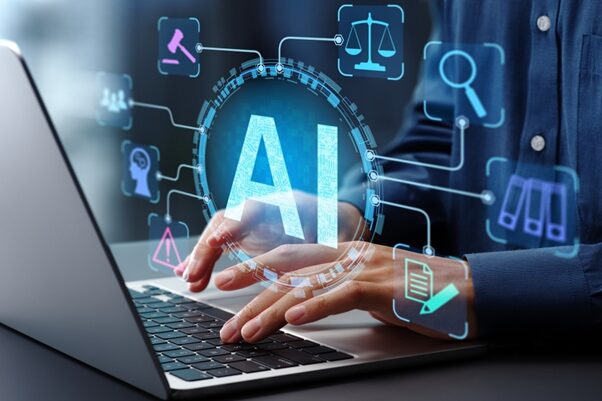
Artificial intelligence has steadily transformed digital marketing from a supporting tool into a central component of business strategy. In the early 2010s, AI primarily assisted with basic data analysis and automated tasks like email campaigns. Marketers relied on rudimentary algorithms to segment audiences and optimize ad placements, but the human touch still dominated decision-making.
Fast forward to 2025, and the landscape has changed dramatically. AI now drives predictive analytics, personalization, and content creation on a scale that was unimaginable just a few years ago. Platforms leverage machine learning to understand user behavior, enabling marketers to deliver hyper-targeted messages and offers at the right time. Generative AI can produce compelling copy, images, and even video content tailored to individual preferences, while advanced chatbots provide real-time customer support around the clock.

This evolution has also influenced how businesses approach mobile engagement. Today, consumers expect seamless, AI-enhanced experiences on their devices, from personalized notifications to intelligent app interfaces. For example, users looking to access mobile platforms for sports and entertainment can benefit from AI-driven features when they 1xbet cameroon download for android, ensuring smoother navigation and tailored recommendations.
As AI continues to evolve, its role in digital marketing grows not only in efficiency but also in creativity, offering marketers the tools to connect with audiences in ways that are increasingly meaningful, relevant, and automated.
AI-Powered Personalization
One of the most significant ways AI is reshaping digital marketing in 2025 is through personalization. Today’s consumers expect tailored experiences that match their preferences, behaviors, and interests. AI algorithms analyze vast amounts of data—from browsing habits and purchase history to social media interactions—to create dynamic, individualized content that speaks directly to each user.
This level of personalization goes beyond simply addressing a customer by name in an email. AI can recommend products, suggest content, and even predict what a user is likely to want next. For instance, e-commerce platforms can automatically adjust product recommendations based on real-time user behavior, while media apps can deliver customized playlists or news feeds that align with individual tastes.
The impact of AI-driven personalization extends to mobile apps and digital platforms as well. Users enjoy smoother, more intuitive experiences, from smart notifications to tailored promotions. For example, platforms that offer entertainment and gaming services allow users to quickly access personalized features when they 1xbet login registration. By leveraging AI in this way, brands can increase engagement, improve customer satisfaction, and ultimately drive loyalty.
In 2025, personalization powered by AI is no longer optional—it’s a key differentiator that enables marketers to connect with audiences more meaningfully than ever before.
Predictive Analytics and Decision-Making
In 2025, AI has become a powerful tool for predictive analytics, transforming how marketers make decisions and plan strategies. By analyzing historical data, user behavior, and market trends, AI algorithms can forecast future outcomes with remarkable accuracy. This allows businesses to anticipate customer needs, optimize campaigns, and allocate resources more effectively.
Predictive analytics goes beyond simple trend identification. For example, AI can estimate the likelihood of a user making a purchase, engaging with content, or responding to a promotion. Marketers can then tailor campaigns proactively, delivering the right message to the right audience at the right time. This reduces wasted marketing spend, increases conversion rates, and enhances overall campaign performance.
AI-driven decision-making also enables real-time adjustments. Platforms can automatically optimize ad placements, pricing strategies, and content recommendations based on live data, ensuring marketing efforts remain agile and responsive. Companies leveraging predictive analytics can identify high-value opportunities before competitors, giving them a significant edge in a fast-paced digital marketplace.
Ultimately, predictive analytics empowers marketers to move from reactive strategies to proactive, data-driven decision-making, creating more effective campaigns and stronger connections with customers.
AI in Creative Strategy
AI is no longer confined to data analysis and automation—it has become a vital tool for creative strategy in digital marketing. In 2025, marketers are using AI to generate content, design visuals, and even produce video campaigns that resonate with specific audiences. Generative AI tools can craft compelling copy, suggest engaging visuals, and test multiple creative variations in real time, giving brands the ability to experiment and innovate faster than ever before.
This technology allows for more efficient A/B testing, as AI can quickly analyze which headlines, images, or messages perform best with different segments of an audience. It also enhances collaboration between human creativity and machine intelligence: while AI handles repetitive and analytical tasks, marketers can focus on strategic storytelling, brand voice, and emotional connection.
Furthermore, AI-driven creative tools can personalize content at scale, ensuring that each user receives a version of a campaign tailored to their interests and behavior. For example, digital ads, social media posts, and email campaigns can all be automatically adjusted to maximize engagement. By integrating AI into creative strategy, brands can achieve both efficiency and innovation, producing high-impact campaigns that capture attention and drive results.
To read more content like this, explore The Brand Hopper
Subscribe to our newsletter