Rebranding is rarely a quiet evolution. It is often a noisy, messy, and terrifying revolution.
If you are currently standing on the precipice of a rebrand, you likely feel less like a creative genius and more like a captain steering a ship through a storm while simultaneously rebuilding the engine. The stakes are high. You aren’t just changing a logo; you are performing open-heart surgery on your company’s identity.
In the age of “move fast and break things,” there is a temptation to rush the process—to hire a designer before you’ve hired a strategist. But the most successful rebrands aren’t born from a sudden burst of artistic inspiration; they are built on the bedrock of strategic rigor.
To help you navigate this transition, we have curated a library of mentors. These aren’t just marketing textbooks; they are field guides for the weary brand manager. Here are the best brand strategy books to anchor your rebranding journey.

Phase 1: The Diagnosis (Before You Draw a Single Pixel)
Before you touch the visuals, you must fix the thinking. A rebrand often fails because the internal culture and the external promise are misaligned. You need clarity before you need creativity.
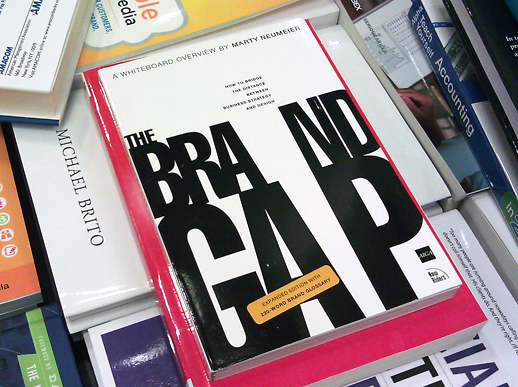
1. The Brand Gap by Marty Neumeier
-
The Role: The Bridge Builder
-
Best For: Bridging the divide between business strategy and creative design.
If you read only one book before your rebrand, make it this one. Neumeier redefines a brand not as what you say it is, but what they (the customers) say it is. In a rebrand, this is critical. You are likely rebranding because there is a “gap” between your strategy and your execution. This book teaches you how to close it. It is visual, punchy, and can be read in a two-hour flight, yet it contains more wisdom than most MBA courses.
Key Takeaway for Rebranding: A brand is a gut feeling. Your goal is to align your business logic with the customer’s emotional magic.
Link to buy: https://amzn.to/483GmfX
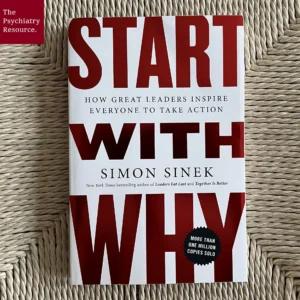
2. Start with Why by Simon Sinek
-
The Role: The North Star
-
Best For: Companies that have lost their way or forgotten their mission.
Rebranding is often a symptom of an identity crisis. You know what you do, but you’ve forgotten why you do it. Sinek’s classic is essential during the discovery phase of a rebrand. If your new logo doesn’t reflect your core purpose, it’s just decoration. This book forces you to dig deep into the company’s archaeology to find the original spark.
Key Takeaway for Rebranding: People don’t buy what you do; they buy why you do it. Your rebrand must be the visual manifestation of your “Why.”
Link to buy: https://amzn.to/3KffNv4
Phase 2: The Positioning (Finding Your Space)
Once you know who you are, you need to determine where you sit in the market. A rebrand is the perfect opportunity to move your seat.
3. Zag by Marty Neumeier

-
The Role: The Differentiator
-
Best For: Brands in crowded markets looking to stand out.
If “The Brand Gap” is the theory, “Zag” is the practice. The premise is simple: When everybody zigs, zag. Most rebrands fail because they look at competitors and try to do the same thing, but “better.” Neumeier argues that “better” is subjective; “different” is undeniable. This book provides a 17-step process to find your “onliness”—the one thing you can own that nobody else can.
Key Takeaway for Rebranding: Don’t just refresh your look to match modern trends. Use the rebrand to radically differentiate your offering.
Link to buy: https://amzn.to/3JVDJnf
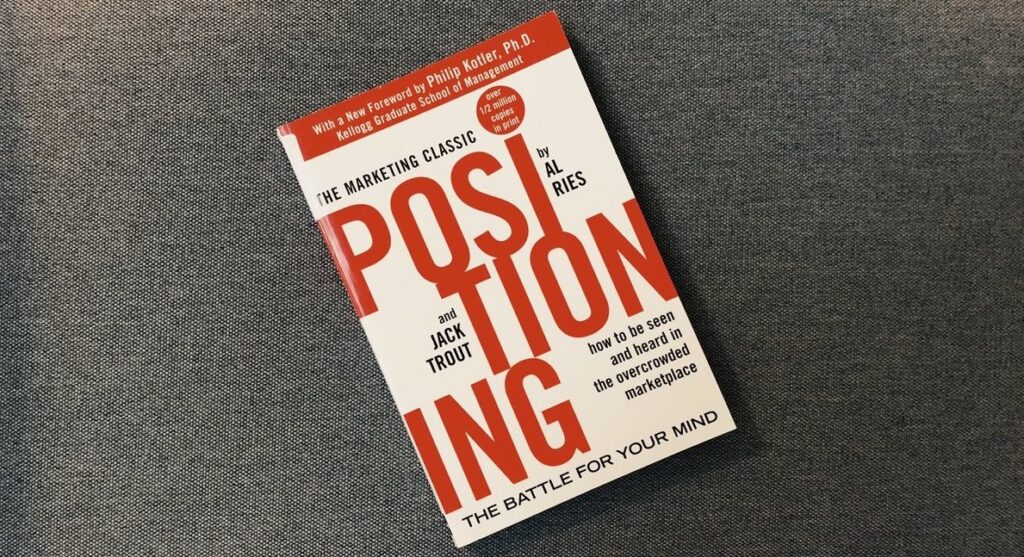
4. Positioning: The Battle for Your Mind by Al Ries and Jack Trout
-
The Role: The General
-
Best For: Understanding market psychology and competition.
Originally published in the 80s, this is the grandfather of marketing strategy. While the examples are dated, the psychology is timeless. Rebranding is essentially an attempt to re-position your company in the mind of the prospect. This book teaches you that you cannot be everything to everyone. You must sacrifice to succeed.
Key Takeaway for Rebranding: You can’t change the market’s mind easily. It is better to find an open hole in the mind and fill it.
Link to buy: https://amzn.to/3XNnD23
Phase 3: The Narrative (Telling the Story)
You have the strategy and the position. Now, how do you talk about it?
5. Building a StoryBrand by Donald Miller
-
The Role: The Scriptwriter
-
Best For: Clarifying your messaging and website copy.
A confusing rebrand is a failed rebrand. Donald Miller uses the universal framework of storytelling (The Hero’s Journey) to help you clarify your message. The biggest shift this book advocates is realizing that your brand is not the hero. The customer is the hero; your brand is the guide (the Yoda to their Luke Skywalker).
Key Takeaway for Rebranding: If you confuse, you’ll lose. Ensure your new brand voice positions the customer as the protagonist.
Link to buy: https://amzn.to/4p0i0JQ
Phase 4: The Execution (Designing the System)
Finally, you are ready for the visuals. This is where the rubber meets the road.
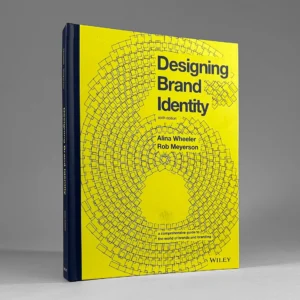
6. Designing Brand Identity by Alina Wheeler
-
The Role: The Bible
-
Best For: Marketing managers and designers managing the actual rebranding process.
This is the comprehensive manual. It covers everything from research and strategy to designing the touchpoints and launching the brand. It is heavy, detailed, and incredibly practical. If you need to explain to your CEO why a logo takes three months to design, show them this book. It breaks down the discipline of branding into a proven process.
Key Takeaway for Rebranding: Process saves projects. Do not skip steps in the design phase, or the foundation will crack later.
Link to buy: https://amzn.to/4ak7g4q
7. The Hero and the Outlaw by Margaret Mark and Carol S. Pearson

-
The Role: The Psychologist
-
Best For: creating a brand with deep emotional resonance.
This book applies Jungian psychology to branding. It identifies 12 master archetypes (e.g., The Ruler, The Jester, The Caregiver). When rebranding, choosing an archetype helps ensure consistency. If you decide your brand is “The Rebel,” you immediately know how you should sound, look, and act—and more importantly, how you shouldn’t.
Key Takeaway for Rebranding: Consistency creates trust. Adopting an archetype gives you a cheat sheet for maintaining that consistency across all platforms.
Link to buy: https://amzn.to/48hzp9Y
Phase 5: The Connection
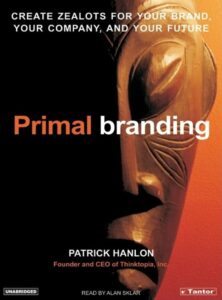
8. Primal Branding by Patrick Hanlon
-
The Role: The Cult Leader
-
Best For: Brands that want to build a community, not just a customer base.
If Start with Why provides the spark, Primal Branding provides the fuel to keep the fire burning. Hanlon deconstructs why people become zealous advocates for brands like Apple or Starbucks. He outlines seven assets (like creation stories, creeds, and rituals) that construct a belief system. When rebranding, you aren’t just changing a logo; you are updating your “sacred texts.” This book ensures your new brand invites people to belong, not just buy.
Key Takeaway for Rebranding: A rebrand must update your rituals. If you change the symbol but keep the old belief system, the community will reject the transplant.
Link to buy: https://amzn.to/4pA86i8
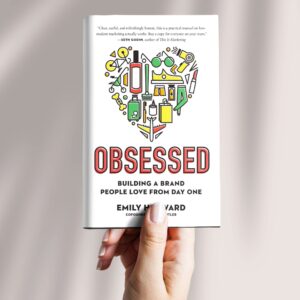
9. Obsessed by Emily Heyward
-
The Role: The Modernist
-
Best For: DTC (Direct-to-Consumer) brands and startups needing to launch with impact.
Written by the co-founder of Red Antler (the agency behind Casper and Allbirds), this is the most modern book on the list. Heyward argues that in the digital age, a brand isn’t something you slap on at the end; it is the business strategy. This is crucial for a rebrand because it forces you to ask: “Does our new identity solve a real problem in a human way?” It moves beyond traditional “positioning” into “obsession.”
Key Takeaway for Rebranding: You can’t buy attention anymore; you have to earn affection. Your rebrand must demonstrate an obsession with the customer’s life, not just the product’s features.
Link to buy: https://amzn.to/4pxq8Sa
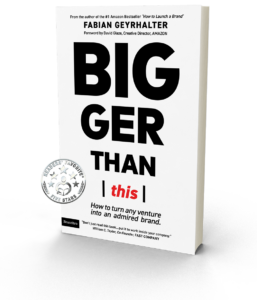
10. Bigger Than This by Fabian Geyrhalter
-
The Role: The Empath
-
Best For: Commodity businesses trying to become beloved brands.
If you sell something “boring” (like insurance, socks, or software) and are rebranding to escape the commodity trap, this is your manual. Geyrhalter provides a concise framework for turning a transactional business into an emotional brand. It is a short, potent read that strips away the jargon and focuses on the eight traits of empathetic brands.
Key Takeaway for Rebranding: Use your rebrand to stop selling “what” and start selling a feeling. Even a commodity can be a hero if it has a soul.
Link to buy: https://amzn.to/3M6OVOh
Summary: The Top 10 Rebranding Library
Here is the complete table with all 10 books for your readers to scan.
| Book Title | Author | Rebranding Role | Ideal For… |
| 1. The Brand Gap | Marty Neumeier | The Bridge Builder | Connecting business strategy with design. |
| 2. Start with Why | Simon Sinek | The North Star | Founders seeking the core purpose. |
| 3. Zag | Marty Neumeier | The Differentiator | Companies in saturated, “me-too” markets. |
| 4. Positioning | Ries & Trout | The General | Understanding market psychology. |
| 5. Building a StoryBrand | Donald Miller | The Scriptwriter | Clarifying confusing website copy. |
| 6. Designing Brand Identity | Alina Wheeler | The Bible | Managing the nuts and bolts of the project. |
| 7. The Hero and the Outlaw | Mark & Pearson | The Psychologist | Defining the brand’s personality/archetype. |
| 8. Primal Branding | Patrick Hanlon | The Cult Leader | Building a loyal community/tribe. |
| 9. Obsessed | Emily Heyward | The Modernist | DTC brands and modern digital launches. |
| 10. Bigger Than This | Fabian Geyrhalter | The Empath | Commodity brands seeking emotional depth. |
Here is a comprehensive brand story article designed for your blog. It is structured to guide the reader through the narrative of a rebranding journey, using books as the primary tools for navigation.
Summary: The Rebrander’s Toolkit
To help you decide which book to pick up first, here is a quick comparison based on where you are in your journey.
| Book Title | Author | Rebranding Stage | Ideal For… |
| The Brand Gap | Marty Neumeier | Strategy & Foundation | Bridging logic and magic; the “big picture.” |
| Start with Why | Simon Sinek | Internal Discovery | Founders and leaders seeking purpose. |
| Zag | Marty Neumeier | Competitive Positioning | Companies in saturated markets. |
| Building a StoryBrand | Donald Miller | Messaging & Copy | Clarifying web copy and sales pitches. |
| Designing Brand Identity | Alina Wheeler | Execution & Design | The project manager leading the rebrand. |
| The Hero and the Outlaw | Mark & Pearson | Personality & Voice | Brands looking for deep emotional connection. |
The Final Chapter
A rebrand is a promise of a new tomorrow. It signals to the market that you have evolved. But a logo without a strategy is just a pretty picture, and a strategy without a story is a dry document.
These books won’t do the work for you. You still have to make the hard choices, kill the darlings, and take the risks. But they will provide the map. They will remind you that while the journey is treacherous, the destination—a brand that resonates, connects, and endures—is worth the struggle.
Go forth and build something that matters.
Also Read: Rebranding vs. Brand Refresh: Understanding the Differences
To read more content like this, subscribe to our newsletter