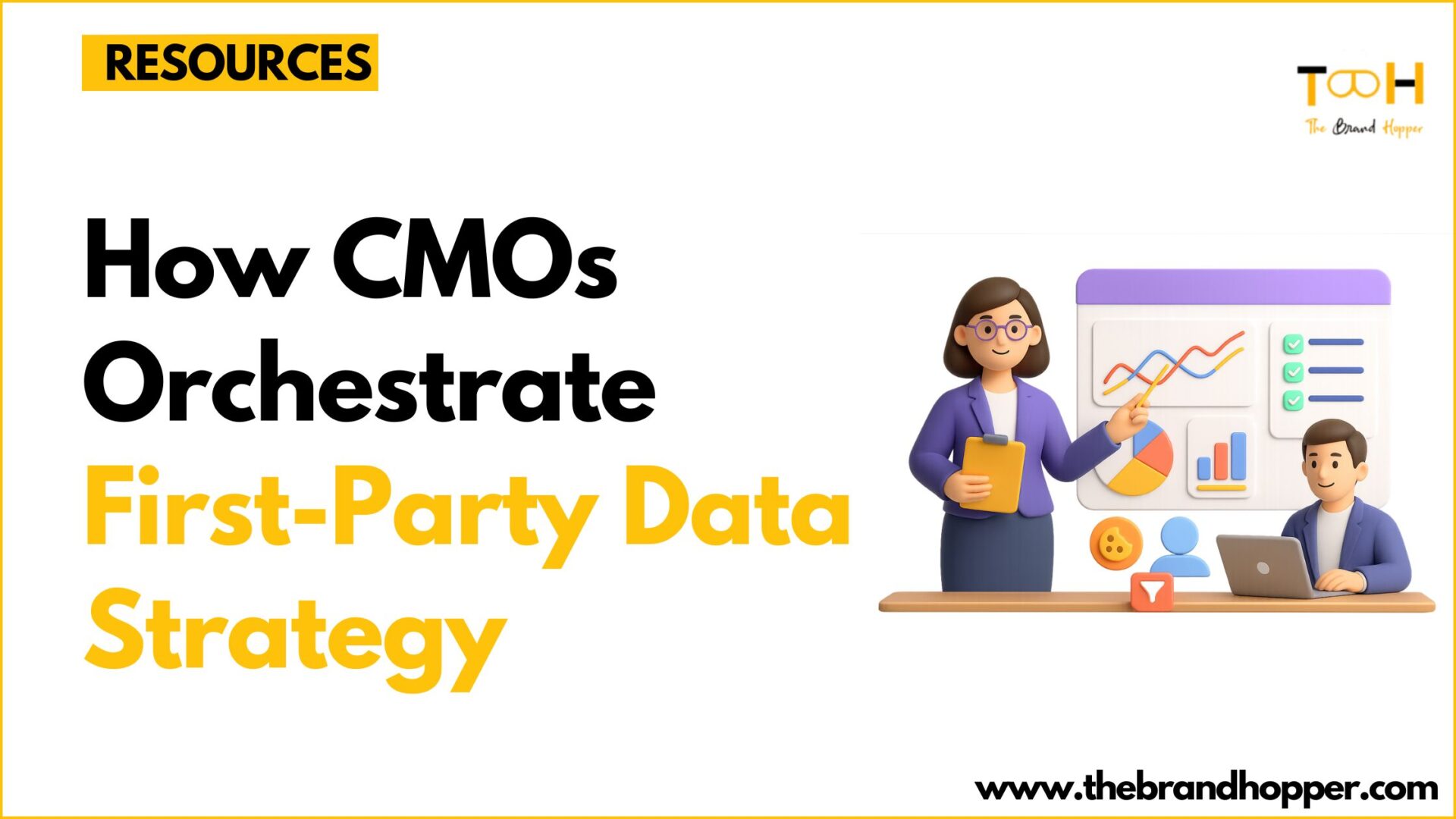
Cookie deprecation is changing how marketers understand and serve their customers. CMOs now treat first-party data as a living system rather than a one-time asset.
It works only when teams connect consent, value exchange, and analytics within a disciplined framework that earns trust and reveals long-term growth signals. Here’s how to establish one.
Building the Foundation of Consent and Transparency
Strong consent design starts with respect. Customers share more when they see exactly how their data improves their experience. Explicit language, visible controls, and adaptive preferences help maintain trust.
It’s like showing guests every room in your house before they agree to stay. That openness makes people comfortable and builds confidence in your brand.
Modern consent tools now sync across web, app, and connected TV environments, ensuring compliance and consistency. CMOs who track consent metrics weekly can test new prompts or incentives that sustain opt-in rates and deepen loyalty.
Designing Value Exchanges That Motivate Data Sharing
Value exchange works when customers feel they receive something tangible in return for their data. Personalized offers, early access, or community status can motivate honest sharing.
The key is clarity about what data is collected and how it improves the experience. It’s the same thing as offering a fair trade in a marketplace, where both sides walk away satisfied.
CMOs at direct-to-consumer brands often test loyalty rewards tied to survey completion or profile updates. Small incentives reveal deeper preferences over time without eroding margins or trust.
Developing Data-Fluent Leadership and Executive Alignment
Data-fluent leadership begins with curiosity. CMOs who ask better questions about how data flows through the organization set a higher bar for everyone. They see analytics as a shared language, not a specialist’s tool.
Teams learn faster when executives model this mindset. For instance, completing a cohort-based MBA in Dallas at Baylor can help leaders practice structured decision-making while staying active in their roles.
Data fluency grows through conversation, not command. Regular reviews, open dashboards, and cross-department learning sessions turn insight into habit and align marketing with enterprise growth goals.
Selecting and Integrating the Right Customer Data Platform
Choosing a customer data platform requires more than a feature checklist. It starts with defining what decisions the data should power, from media spend to creative testing.
CPG and DTC marketers now prefer modular CDPs that integrate easily with commerce, CRM, and consent systems. This approach keeps data unified while letting teams swap components as technology evolves.
It’s like installing a sound system where each speaker fits the room. When signals stay clean and connections are stable, analytics, automation, and personalization all perform at a higher level, and smarter brands get built.
Applying Clean-Room Collaboration Without Risking Privacy
Data clean rooms let brands collaborate safely without exposing customer identities. They work by matching encrypted datasets from different parties, revealing shared insights while keeping each side’s raw data private.
CPG firms often use them to measure campaign reach with retailers or streaming platforms. DTC brands use them to compare audience overlap before joint promotions.
It’s like working on a puzzle together where each player holds pieces only they can see. The final picture becomes clear, yet no one reveals more than they intend.
Measuring Lifetime Value to Guide Spend and Creative Decisions
Lifetime value turns scattered transactions into a long-term picture of customer health. CMOs use it to decide when to invest more in retention versus acquisition.
When LTV becomes the main metric, teams shift focus from short bursts of conversion to sustained engagement. Subscription brands like Dollar Shave Club or HelloFresh rely on these signals to balance spend across channels.
It’s like caring for a garden instead of chasing quick blooms. The goal is steady growth, nurtured by relevant messaging and consistent experiences that reward loyalty.
Creating Governance Structures That Reinforce Brand Trust
Governance keeps first-party data reliable and trusted. It defines who can access what, how data moves, and where accountability sits. Without it, even the best tools create confusion.
Strong governance works like a traffic system. Rules and signals let data flow safely between teams, partners, and platforms. Regular audits confirm that controls remain aligned with evolving regulations.
CPG companies now link governance to brand equity metrics, recognizing that privacy lapses cost reputation faster than they cost revenue. CMOs lead this discipline to prove trust is measurable.
Final Thoughts
A first-party data strategy is a living system that thrives on trust, transparency, and continuous learning. Each component, from consent to governance, feeds the next.
When CMOs treat data as a shared asset rather than a possession, they unlock collaboration that drives smarter marketing and lasting customer relationships.
To read more content like this, explore The Brand Hopper
Subscribe to our newsletter