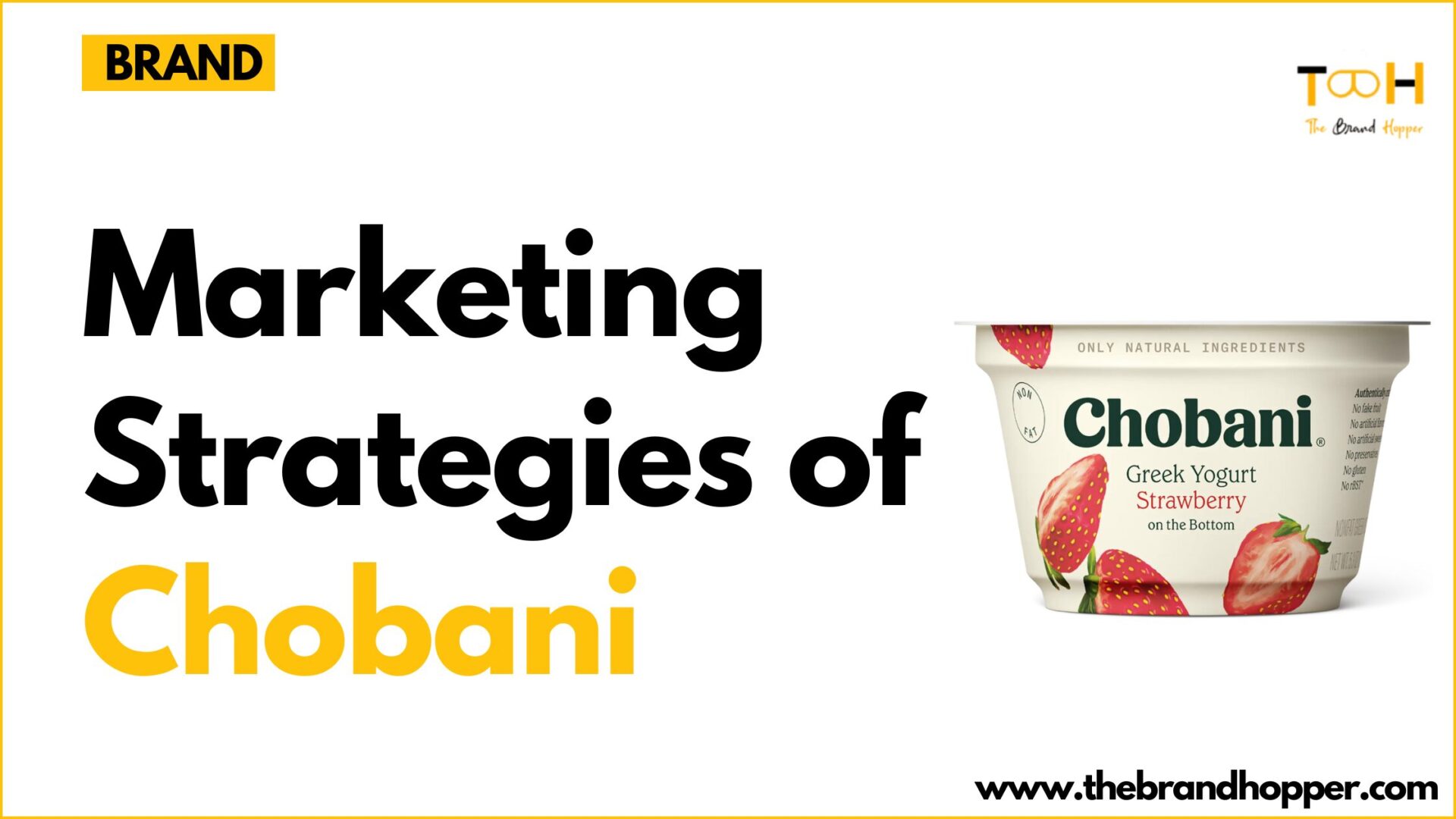
Chobani is a notable success story in the consumer packaged goods industry, transforming the U.S. yogurt market with its authentic brand ethos and innovative marketing. Founded by Turkish immigrant Hamdi Ulukaya in 2005, Chobani began when Ulukaya purchased a defunct yogurt plant in New York and set out to create a thicker, creamier “Greek-style” yogurt using only natural ingredients. The first Chobani cups hit shelves in 2007 and quickly sold out, validating his vision that American consumers were craving a better-tasting, high-protein yogurt without artificial additives. In fact, the very name Chobani means “shepherd” in Turkish – symbolizing the brand’s guiding mission to lead consumers to more wholesome food options.
Chobani’s early bet on quality and authenticity paid off. At a time when U.S. yogurt aisles were dominated by sugary, artificial products, Chobani introduced an all-natural Greek yogurt to the mainstream and insisted it be stocked in regular dairy sections alongside big brands. This strategy effectively “democratized” Greek yogurt, making a premium product accessible to all. The impact was transformative – Greek yogurt grew from just 1% of the U.S. yogurt market in 2007 to nearly 50% by 2013, a surge largely fueled by Chobani’s success. Within eight years, Chobani not only became the top-selling Greek yogurt in America, but also helped expand the entire yogurt category, which grew into a multi-billion dollar market by the mid-2010s.
From its humble origins, Chobani has evolved into a global brand and a case study in effective marketing. It rapidly gained nationwide distribution and even extended overseas, entering markets like Australia where it quickly captured ~20% market share in yogurts. Throughout this growth, Chobani has maintained a values-driven approach. The company’s mission to provide “better food for more people” (often phrased as using “food as a force for good”) is woven into its products and messaging. This commitment is reflected in everything from using simple natural ingredients to engaging in community initiatives, and it resonates strongly with consumers seeking brands that align with their values.
In the following sections, we will explore key marketing strategies that Chobani has employed to build its brand and loyal customer base. These strategies range from authentic storytelling and community-building to savvy partnerships and product innovation. Each strategy is illustrated with examples from Chobani’s past and present campaigns, demonstrating how the company’s marketing playbook has driven its remarkable rise and continued relevance in a competitive global market.
Marketing Strategies of Chobani
1. Authentic Brand Story and Mission
One of Chobani’s foundational marketing strategies is authentic storytelling. From the beginning, the brand has built its identity around the genuine narrative of its founder and mission. Hamdi Ulukaya’s personal journey – an immigrant entrepreneur who revived an abandoned factory and created jobs in a small American town – became a powerful PR focal point for the brand. Chobani leaned into this narrative, securing media coverage in outlets like The New York Times and Forbes, which amplified the story of a values-driven underdog brand challenging industry giants. By sharing Ulukaya’s passion for quality food and community, Chobani crafted a brand story that felt human and inspiring, helping consumers form an emotional connection with the company.
Crucially, Chobani’s storytelling goes beyond founder lore – it emphasizes the brand’s broader mission of “better food for all”. The company has consistently highlighted its commitment to natural ingredients and ethical practices in its communications. For example, Chobani adopted the slogan “How Matters” in a 2014 campaign to stress that how you make your product (with pure ingredients and integrity) is as important as the product itself. A memorable Super Bowl ad that year featured a rogue bear searching a grocery store for wholesome food and only finding satisfaction with Chobani yogurt – a creative way to reinforce the message that quality and authenticity set Chobani apart. The emphasis on transparency and purity in messaging has built trust with consumers. Chobani openly shares details about its recipes (e.g. real fruit, no preservatives) and even its business practices, which has furthered its reputation as an honest brand.

Chobani’s mission-driven actions have also served as marketing assets by generating positive buzz. A notable example is the company’s decision in 2016 to grant about 10% of its equity to employees, a rare move in the food industry that garnered widespread media praise and underscored Chobani’s people-first ethos. Similarly, Ulukaya’s advocacy for refugees – hiring refugees at Chobani plants and speaking out on inclusion – has been covered in the press and woven into the brand’s identity. When conspiracy theorists attacked these practices, Chobani took a bold stand by suing for defamation and won a public apology in 2017, which further reinforced its values-driven image. By living its values and defending them, Chobani turned its principles into a marketing strength, showing consumers that it truly walks the talk. This authenticity has been key to differentiating Chobani in a crowded market – consumers feel they are supporting more than just a yogurt, but a company with a heart and purpose.
2. Quality Product and Mainstream Positioning
Chobani’s marketing savvy begins with how it positioned its product in the market. Rather than targeting a niche health-food audience, Chobani took a bold approach to “mainstreaming” Greek yogurt as an everyday option for all consumers. Early on, Ulukaya made the pivotal decision to distribute Chobani through national supermarket chains and to stock it in the regular dairy aisle, right alongside household-name yogurt brands. This was unconventional at the time – Greek yogurt was largely a specialty item sold in gourmet sections or small natural food stores. By insisting Chobani be placed at eye-level in high-traffic dairy cases, the brand dramatically expanded its reach and visibility. “Insisting that Chobani be stocked in the dairy aisle—rather than the gourmet section—is probably the single most important decision we made,” Ulukaya has noted, highlighting how this move introduced the brand to a massive audience.
This democratized positioning helped Chobani rapidly gain trial and adoption. Shoppers who might never visit a health food store suddenly encountered Chobani at Walmart, Kroger, Target and other big retailers in their normal shopping routine. The strategy was a win-win with retailers as well – Chobani drove growth in the yogurt category, boosting overall dairy sales when it was introduced, which encouraged grocers to give it more shelf space. By the early 2010s, major supermarkets were dedicating large sections to Greek yogurt, and Chobani often occupied a prominent share of the dairy aisle, sometimes even with secondary displays for its expanding product lines.
Chobani’s product positioning was not only about placement but also about quality and differentiation. The yogurt itself was a cut above competitors – thicker texture, higher protein, real fruit, and no artificial sweeteners – which justified its slightly higher price point. Chobani essentially introduced premium yogurt to the mass market and positioned it as an everyday indulgence that was both tasty and healthy. This positioning was reinforced by packaging and branding. The clean package design with visible fruit imagery signaled freshness and authenticity on store shelves.
Chobani also innovated in formats (offering single-serve cups, multi-packs, and later innovations like the mix-in “Flip” cups) to appeal to different consumer needs. By combining a superior product with broad distribution, Chobani carved out a unique space: a high-quality yogurt that was accessible to the average shopper. This strategy significantly expanded its customer base and helped the brand overtake long-established players. By 2015, Chobani had surpassed Yoplait to become the #1 yogurt brand by market share in the U.S., proving that mainstream consumers would embrace a better product when marketed effectively.
3. Community Engagement and Word-of-Mouth Marketing
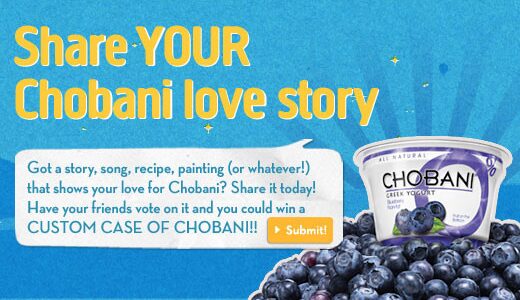
Instead of relying solely on traditional top-down advertising in its early years, Chobani fostered a grass-roots marketing movement by turning its enthusiastic customers into brand ambassadors. A signature strategy was encouraging word-of-mouth (WOM) and user-generated content through what became known as Chobani “Love Stories.” Rather than push corporate advertising, the company invited real consumers to share their personal experiences and love for Chobani yogurt. Beginning around 2009–2010, Chobani fans started writing to the company with glowing reviews and even heartfelt tales – one fan described bicycling 80 miles to visit the Chobani factory out of pure devotion!. Recognizing the marketing gold in these organic testimonials, Chobani launched its “Love Stories” campaign to amplify them. The company showcased authentic customer stories in its marketing materials and on social media, celebrating the community’s passion as part of the brand narrative. This not only provided free, genuine promotion but also made fans feel heard and valued.
Chobani also spurred WOM marketing by heavily investing in sampling and grassroots events. The company famously deployed the “CHOmobile” – a mobile yogurt truck – that toured the country handing out free Chobani samples at festivals, fairs, and city streets. The CHOmobile generated buzz wherever it went and even expanded overseas to the UK and Australia, showing Chobani’s commitment to constantly being in touch with fans globally. Additionally, Chobani formed street teams dubbed “Chobaniacs” who popped up at supermarkets and community events giving away yogurt cups and coupons. By placing the product directly in people’s hands and encouraging trial, these grassroots efforts let consumers discover Chobani for themselves and spread the word to friends. It was classic community marketing – build excitement on the ground and let customer enthusiasm cascade into broader awareness.
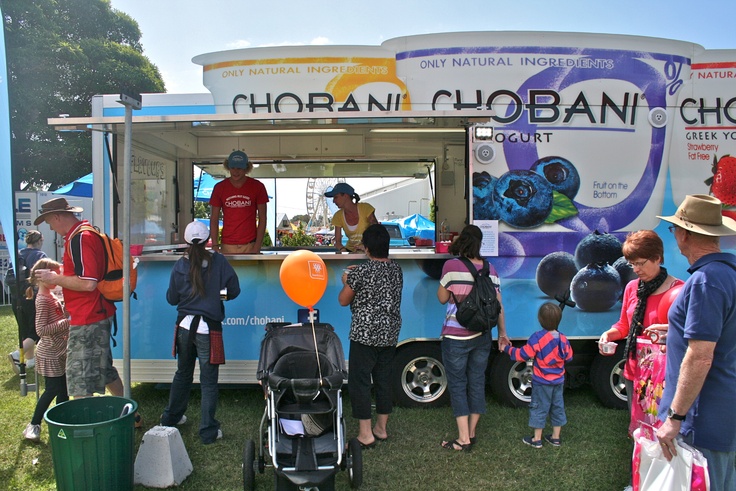
The results were powerful: organic word-of-mouth turned Chobani into a movement. Satisfied customers eagerly recommended the yogurt to others, and the company’s two-way engagement reinforced this loyalty. Chobani often reciprocated fan love by surprising devotees with thank-you packages or new flavor samples in the mail. This personal touch further fueled positive chatter and a sense of community. In fact, Chobani started affectionately calling its fans “Chobaniacs,” a label embraced by its community of yogurt lovers. By prioritizing customer relationships and letting fans help tell the brand story, Chobani achieved something every brand covets – a tribe of advocates who amplify marketing messages far more credibly than any advertisement could.
4. Social Media Engagement and Influencer Marketing
Chobani was an early adopter of social media as a core marketing channel, using it to engage directly with consumers and humanize the brand. The company recognized that platforms like Facebook, Twitter, and Instagram could serve as modern-day word-of-mouth engines, so it built a strong online presence to nurture its community of followers – the “Chobaniacs.” User-generated content (UGC) played a central role here. Chobani frequently encouraged fans to post about their favorite flavors, recipes, and Chobani moments, sometimes through hashtags or contests. This strategy not only provided the brand with a stream of authentic content but also made customers feel like part of the brand’s story. Chobani would repost or celebrate fan photos and stories, reinforcing a sense of belonging among its audience.
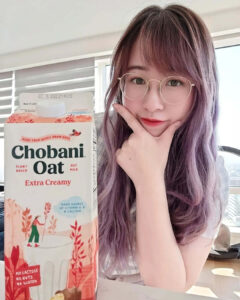
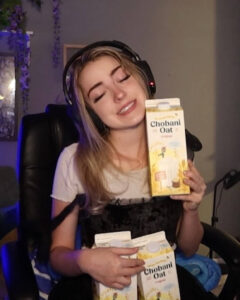

Moreover, Chobani actively engaged in two-way conversations on social media. The brand became known for its responsive and friendly tone – replying to tweets, addressing concerns, and thanking fans publicly. At its peak, Chobani’s social media team was reportedly seeing about 1,500 tweets and over 150 Facebook comments per day from fans. This diligent engagement helped Chobani cultivate a reputation for approachability and customer care. When fans saw the brand listening and responding, it strengthened their loyalty. Chobani even took ideas from its online community; famously, the company created two TV commercials based on real fan stories that had been shared on social media – one about the student who biked across states to visit the factory, and another about an office worker hiding her Chobani in the office fridge. By mining social conversations for insights and content, Chobani showed it truly valued its consumers’ voices, which in turn encouraged more people to chime in.
In addition to everyday engagement, Chobani leveraged influencer partnerships and social media campaigns to widen its reach. Early on, Chobani partnered with health and fitness bloggers, mommy bloggers, and influencers whose values aligned with the brand (e.g. advocates of wholesome eating). These influencers created recipe posts, reviews, or lifestyle content featuring Chobani, effectively introducing the yogurt to niche audiences in an authentic way. For example, teaming up with cookbook authors and food bloggers to develop creative yogurt recipes allowed Chobani to market itself as a versatile ingredient, not just a snack. The brand also tapped athletes and fitness influencers – aligning with its high-protein, healthy image – including sponsorship deals that had sports figures share their “powered by Chobani” stories on social media. Such collaborations extended Chobani’s online buzz beyond its own channels. Overall, by treating social media not just as an advertising platform but as a community forum, Chobani managed to turn digital engagement into real relationships and sustained word-of-mouth momentum.
5. Content Marketing and Education
Chobani understands that consumers don’t just buy yogurt – they buy into what they can do with yogurt. This insight has driven the brand’s content marketing strategy, which focuses on educating and inspiring customers through high-quality content. One prominent example is Chobani’s investment in recipe content. The company has consistently published recipes showing the versatility of Greek yogurt as a healthy ingredient – from smoothies and parfaits to using yogurt as a substitute in cooking and baking. By sharing enticing recipes (via its website, social media, and even printed booklets in stores), Chobani positions its products as an essential part of a wholesome lifestyle. The logic is simple: if consumers see a delicious recipe for, say, yogurt-marinated chicken or a protein-packed yogurt bowl, they are more likely to purchase Chobani to try it themselves. As marketing folks like to say, you’re not just selling yogurt; you’re selling what people can make or experience with that yogurt. This form of content marketing adds value for the consumer and subtly drives product usage.
Beyond recipes, Chobani has used content to tell richer stories about its brand values and product benefits. The company’s blog posts and social content often delve into topics like the importance of natural ingredients, the benefits of probiotics and protein, or spotlights on the farmers who supply Chobani’s milk. All of this educational content serves to deepen the brand’s credibility. For instance, Chobani has shared posts explaining the differences between Greek yogurt and regular yogurt, helping consumers appreciate why its product is special. It also creates content around its new innovations – when Chobani introduced plant-based yogurts and oat milks, it produced explanatory videos and graphics about those products’ nutrition and eco-friendly attributes, thereby easing consumers into these new categories. By proactively answering questions and providing usage ideas, Chobani reduces barriers to trial for new products.
Chobani’s content marketing frequently involves collaborations as well. As noted, they have partnered with cookbook authors and chefs who develop unique recipes with Chobani yogurt. These collaborations are sometimes featured in magazines, on cooking websites, or through live demonstrations (e.g., cooking classes or segments sponsored by Chobani), amplifying reach. The brand also engages in cause-related content – for example, sharing stories of its community initiatives or employee spotlights – which reinforces its image as a company that cares (this intersects with their purpose-driven marketing, see Strategy 8). All in all, Chobani’s content strategy has been about informing and inspiring the consumer. By providing valuable content (whether a fun new smoothie idea or knowledge about gut health), Chobani stays on consumers’ minds and further integrates its products into their daily lives.
6. Experiential and Grassroots Marketing
In an age where digital advertising is ubiquitous, Chobani also recognizes the power of real-world experiences to create lasting brand impressions. The company has rolled out various experiential marketing initiatives that invite people to taste, touch, and directly engage with the brand. One of the most notable was the Chobani SoHo Café in New York City, a branded cafe/store opened in 2012. This cafe served gourmet yogurt creations and smoothies, essentially functioning as a living advertisement for the Chobani lifestyle. Customers could experience Chobani in creative ways (with toppings like olive oil and pita chips for a Mediterranean twist, or sweet parfait-style bowls), and this not only drove word-of-mouth but also provided Chobani with consumer insights for product ideas. The café garnered press attention as an innovative brand experience, blurring the line between retail and marketing.

Another cornerstone of Chobani’s experiential strategy has been sampling tours and event marketing, much of which overlaps with the grassroots efforts mentioned earlier. The CHOmobile yogurt truck, as discussed, brought free yogurt to the masses and turned heads wherever it parked. Chobani also made sure to have a presence at major events popular with its target demographics. This included health and fitness expos, marathons and races (handing out cups at finish lines), music festivals, and local fairs. By setting up cheerful Chobani tents or food trucks at these events, the brand engaged consumers in a fun, low-pressure setting and often tied the experience to social media (e.g., photo booths where attendees could snap a picture with a Chobani logo and share online). These face-to-face interactions humanized the brand and often converted curious onlookers into new fans on the spot.
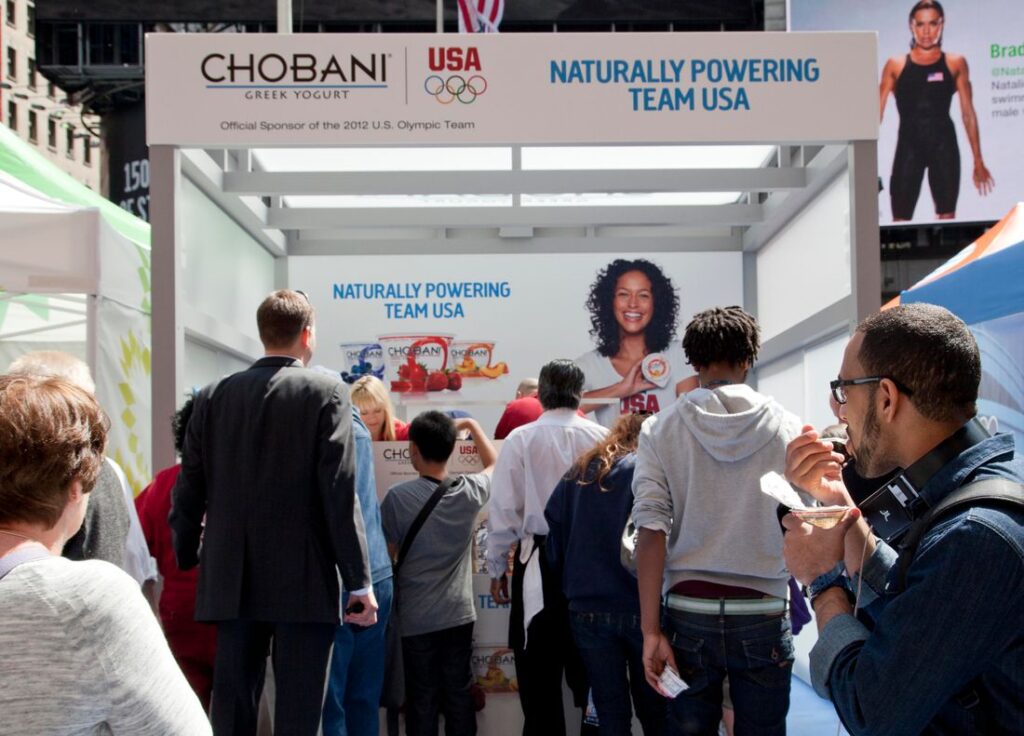
Chobani’s experiential marketing went big on the global stage as well. When Chobani became an official sponsor of Team USA for the Olympics, it didn’t just slap its logo on ads – it created immersive experiences around the Games. For instance, ahead of the 2012 London Olympics, Chobani launched a multi-faceted campaign “Naturally Powering Team USA,” which included a pop-up Chobani Yogurt Bar in Times Square during the 100 Days to London event. This pop-up “Chobani Gallery” offered free samples to tens of thousands of visitors and showcased Olympic-themed branding, standing out among other sponsors with its interactive approach. The company continued this experiential push during the Games themselves (e.g., presence in the Olympic Village and fan zones) and in other high-traffic areas, effectively tying Chobani to the excitement of the Olympics in consumers’ minds. By investing in such memorable in-person experiences, Chobani strengthened brand loyalty and created a trove of positive associations that pure advertising alone might not achieve.
7. Strategic Partnerships and Sponsorships
Chobani has amplified its marketing reach through smart partnerships and sponsorships that align with its brand values and target audiences. A prime example is Chobani’s sports sponsorships, which have served both to increase visibility and to reinforce the product’s positioning as a healthy, high-performance food. As mentioned, Chobani became an official sponsor of the U.S. Olympic and Paralympic teams for multiple Games (including London 2012 and Sochi 2014). These sponsorships yielded extensive campaigns – Chobani featured real Olympians (from decathletes to soccer stars) in its ads and on special yogurt packaging, often telling the athletes’ personal stories of “goodness” and how Chobani is part of their training diets. Slogans like “Naturally Powering Team USA” or later the “No Bad Stuff” campaign during the 2016 Olympics highlighted that Chobani’s all-natural products fuel greatness. By associating with elite athletes and major sporting events, Chobani gained credibility among health-conscious consumers and got its brand in front of millions of viewers globally. It also executed on-the-ground activations (as noted in Strategy 6) around these sponsorships, maximizing their impact.
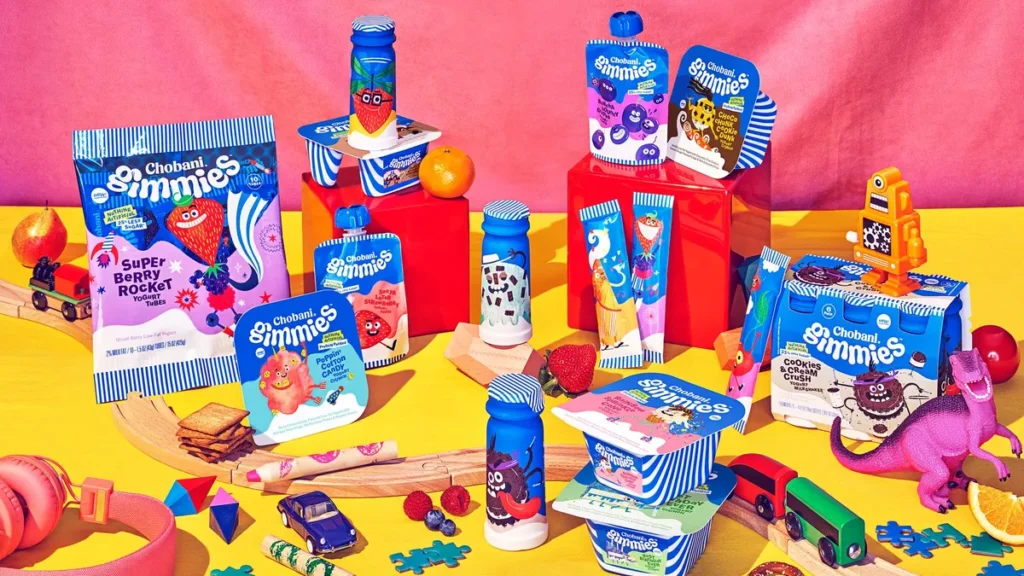
Beyond sports, Chobani has pursued co-branding partnerships to tap into new customer segments. One creative partnership was with Disney in 2019, when Chobani launched a new kids’ yogurt line called “Chobani Gimmies.” They teamed up with Disney to feature popular Disney cartoon characters on the packaging. This collaboration instantly made Chobani’s kids products more appealing to children (and their parents) by leveraging beloved characters, and it positioned Chobani as a fun, family-friendly brand. The Disney tie-in also gave Chobani an edge in marketing to a younger demographic where characters can significantly influence choices in the grocery aisle. Similarly, Chobani has worked with fitness brands and events – for example, partnering with marathon organizers or CrossFit competitions to provide yogurt to participants. Such partnerships ingratiate Chobani with fitness communities and lend authenticity to its image as a protein-packed snack for active lifestyles.
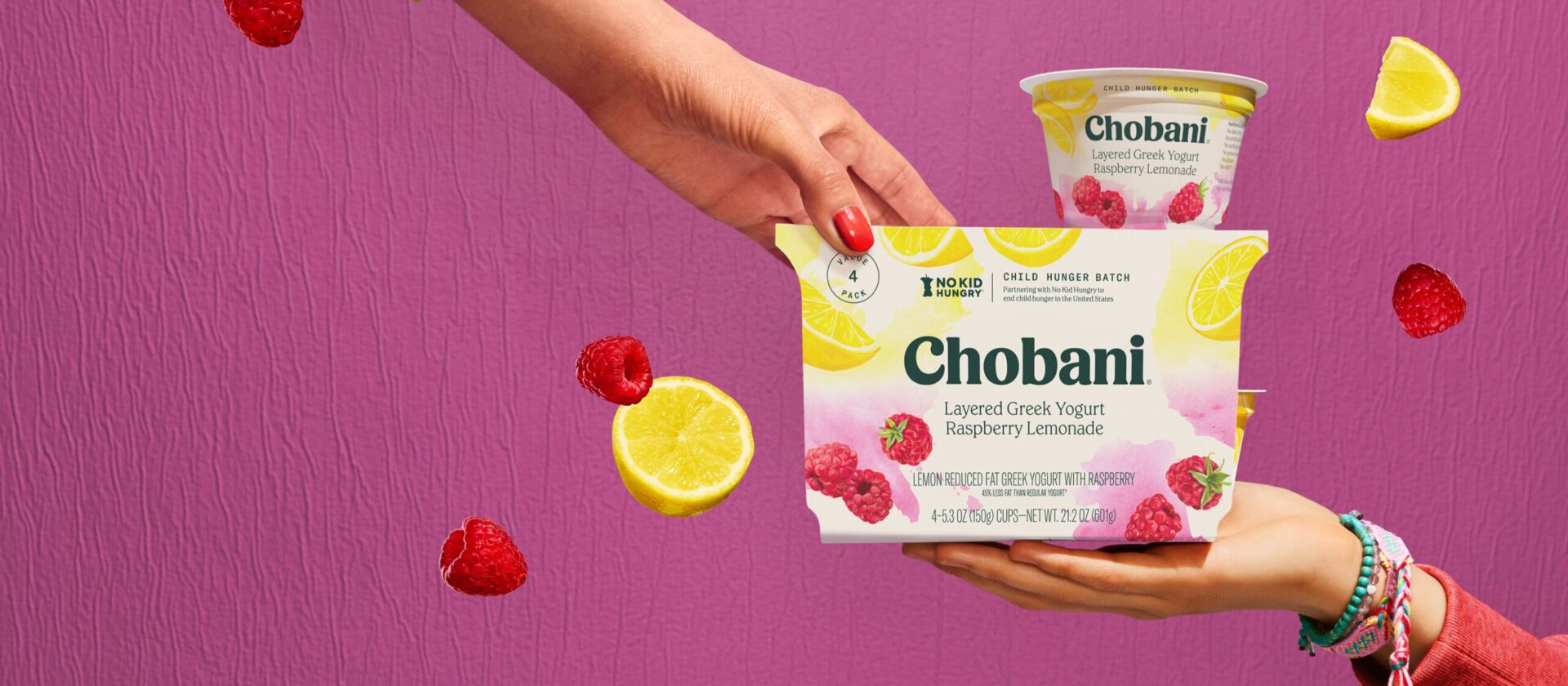
Chobani’s partnerships aren’t limited to commercial brands; they also extend to cause-related collaborations. The company has joined forces with nonprofits and campaigns that align with its mission of nutrition and community. For instance, Chobani developed special product batches in support of the No Kid Hungry campaign to fight child hunger, with proceeds helping fund that cause. By integrating philanthropy with products (sometimes labeled with the cause branding), Chobani engages consumers in giving back while marketing its values. Even internally-driven initiatives – like Chobani’s pledge to hire refugees or its employee ownership program – have been promoted in partnership with broader movements (refugee support networks, inclusive hiring advocacy, etc.), effectively turning them into marketing moments that strengthen the brand’s bond with socially-conscious consumers. In summary, Chobani’s use of strategic partnerships and sponsorships, whether with Olympians, corporations like Disney, or charitable causes, has expanded its reach and enriched its brand story. Each partnership is carefully chosen to echo Chobani’s core themes: health, authenticity, family, and community.
8. Innovation and Brand Extension Marketing
As Chobani matured, a key strategy has been to continuously innovate and expand its product portfolio – and to market these new offerings in a way that leverages the strong Chobani brand. By the late 2010s, Greek yogurt was no longer a novelty (many competitors had launched copycat products), so Chobani deliberately pivoted to avoid being a one-hit wonder. It introduced new product lines like Chobani Flip (yogurt with mix-in toppings), Chobani Kids pouches, dairy-based Chobani Drinks, and eventually non-yogurt products such as oat milk, coffee creamers, and ready-to-drink coffees. To support this diversification, Chobani undertook a brand refresh in 2017 – updating its logo and packaging with a classic, nostalgic look and launching the tagline “Love This Life” – to signal a broader lifestyle positioning beyond just Greek yogurt. The refreshed branding, inspired by 1960s Americana design, emphasized nutrition and community in its messaging, helping to rejuvenate consumer interest as the brand entered new categories.
Marketing the new products required a careful balance: Chobani needed to educate consumers about unfamiliar items (like oat-based yogurt and milk) while still maintaining the strong equity of its name. The company’s strategy was to lean on the master brand. For example, when Chobani launched its oat milk line in 2019, it ran a campaign called “Almost Milk” which humorously positioned oat milk as the next-best thing to real dairy. The ads made it clear that this oat milk came from the same trusted makers of Chobani yogurt, thereby transferring existing trust to the new product. The campaign spanned digital videos on YouTube and Hulu, social media ads, billboards in key cities, and even bus wraps, showing the scale of Chobani’s push. Chobani’s Chief Creative Officer noted that the goal was to illustrate the brand’s versatility for “all lifestyles,” not to vilify dairy, thus respecting the core yogurt consumers while expanding into plant-based. This exemplifies how Chobani used thoughtful messaging to broaden its appeal without alienating its base.

Another tactic in Chobani’s expansion marketing has been cross-promotion – using one product to promote another. As its lineup grew, Chobani would create ads or social content that show multiple Chobani products fitting into a consumer’s day. For instance, a single campaign visual might depict a family starting the morning with Chobani Greek yogurt, enjoying a Chobani Flip for an afternoon snack, and using Chobani Oat milk in their coffee. This subtly encourages customers who know Chobani for one thing to try its other offerings. In stores, Chobani fought to have its new categories placed near its core products when possible (such as putting Chobani oat milks in the dairy aisle next to its yogurts) and used similar packaging aesthetics to reinforce the connection. By educating consumers about how these new products complement each other (for example, sharing tips on using the oat milk in recipes or highlighting the probiotic benefits of its drinks), Chobani has largely succeeded in extending its brand. The payoff is evident: around 2019, after these innovations and marketing efforts, Chobani regained the #1 overall yogurt brand spot and hit new revenue highs, demonstrating that reinventing itself kept the brand dynamic and relevant. Chobani’s ability to market its evolution – to tell consumers “we are more than just Greek yogurt now, and here’s why you’ll love it” – has been essential in sustaining its growth.
Conclusion
From its inception as a one-product startup to its current status as a diversified food company, Chobani has relied on savvy marketing strategies to build an enduring brand. By staying true to an authentic story and mission, Chobani differentiated itself in a crowded market and earned consumer trust. By focusing on product quality and making Greek yogurt mainstream, it won a broad audience. Through community engagement, social media dialogue, and content creation, Chobani turned customers into passionate advocates who spread the word. The brand’s investments in experiences, partnerships, and purpose-driven initiatives further deepened its connection with consumers on emotional and lifestyle levels. Finally, an emphasis on innovation and brand evolution in its marketing kept Chobani fresh and ahead of trends.
Chobani’s marketing playbook shows the power of combining authenticity with creativity. The company didn’t just sell yogurt; it sold an idea of better food for a better life, and it invited consumers to join that movement. Each strategy – whether handing out yogurt from a food truck or showcasing Olympians fueled by natural yogurt – reinforced the notion that Chobani is not just another CPG brand, but a community-centric, values-driven leader in its category. In summary, the marketing strategies of Chobani offer valuable lessons in how blending product excellence with heartfelt storytelling and innovative engagement can revolutionize a product category and cultivate a loyal global following.
Also Read: A Deep Dive into the Marketing Strategies of Gerber
To read more content like this, subscribe to our newsletter