Coca-Cola’s “Taste the Feeling” campaign, launched in January 2016, marked a pivotal shift in the beverage giant’s marketing strategy. This was more than just a new tagline – it was Coca-Cola’s first unified global campaign across all its product variants (Coca-Cola Classic, Diet Coke/Light, Coke Zero, and Coca-Cola Life).
Replacing the seven-year-old “Open Happiness” slogan, “Taste the Feeling” aimed to refocus the brand on everyday moments of pleasure and the simple joy of drinking a Coke. The campaign rolled out in over 200 countries with a comprehensive mix of TV commercials, print and outdoor ads, digital content, and a new musical anthem.
By uniting all Coca-Cola variants under one message, the company embarked on a bold experiment in “One Brand” global strategy – reinforcing Coca-Cola’s core promise while adapting to modern consumer expectations.
Background: From Open Happiness to One Brand Strategy
By the mid-2010s, Coca-Cola faced growing challenges: declining soda sales amid health concerns and fragmentation in its brand messaging. The prior campaign “Open Happiness” had built an emotional, almost utopian image of Coke, but it also treated each Coke variant (Classic, Diet, Zero, Life) as separate brands with separate identities. According to Coca-Cola’s Chief Marketing Officer Marcos de Quinto, this “generation of sub-brands” created inconsistencies and “distortions in the main brand”, sometimes undermining Coca-Cola’s core brand promise. In response, Coca-Cola undertook a major global brand strategy overhaul in 2016.
The “One Brand” strategy – unveiled by de Quinto in Paris – meant that for the first time, all Coca-Cola varieties would be marketed together, sharing one iconic brand identity and one campaign. This approach leveraged the universal brand equity of Coca-Cola Classic to lift the entire portfolio. As de Quinto explained, “We are reinforcing that Coca-Cola is for everybody… whichever one they want, they want a Coca-Cola brand with great taste and refreshment”.
In practice, this meant moving away from multiple separate campaigns to a single unified message across Classic, Diet, Zero and Life, with Coca-Cola’s famous symbols (the red disc logo, Spencerian script, and contour bottle) serving as common visual threads. Importantly, the strategy aimed to “share the equity of Coca-Cola” across all variants, while still highlighting each product’s particular appeal (e.g. zero calories, caffeine-free, etc.). The goal was to eliminate consumer confusion and present Coke’s options as one family of products differing only by flavor or nutrition, not by brand personality.
This strategic shift also acknowledged changing consumer attitudes. Coca-Cola recognized that consumers wanted authenticity and realness from brands – “people were craving something more real” than lofty brand ideals. Health critics had dominated the conversation around sugary drinks, and internal analysis showed Coca-Cola’s sales volumes were stagnant (only ~1% growth in 2015). To “change the conversation” around the brand, Coke decided to double down on what it does best – remind people of the simple pleasure and refreshment of an ice-cold Coke. This insight set the stage for “Taste the Feeling.”
Campaign Concept: “Taste the Feeling”
“Taste the Feeling” was conceived to humanize the Coca-Cola brand and bring it back to everyday life. Instead of selling an abstract notion of happiness, the new campaign spotlights ordinary moments made special by Coca-Cola. The core message is simple: “Drinking a Coca-Cola – any Coca-Cola – makes the moment special.” In other words, Coke isn’t portrayed as a ticket to happiness; rather, it’s the companion to the happiness you’re already experiencing. This nuanced shift – from “Open Happiness” (drink Coke to be happy) to “Taste the Feeling” (Coke enhances the happiness of the moment) – reflects a more humble and authentic brand tone.
At its heart, “Taste the Feeling” celebrates the product experience. The campaign idea was to anchor on the feeling of simple, everyday pleasure that a sip of Coke can bring. Coca-Cola’s marketing team literally catalogued those little moments – the fizz and pop of a freshly opened bottle, the clink of ice on a hot day, the first refreshing sip that brings a “tiny jolt of joy”. The brand wanted to position Coca-Cola as a tangible part of people’s daily lives: something in “your fridge, your date nights, your everyday little moments” – not a distant concept, but “something that lives in your fridge”. By focusing on “small, universally human moments” rather than grand gestures, the campaign aimed to create an emotional resonance that felt genuine and personal.
Visual storytelling in “Taste the Feeling” reflects this ethos. Each ad depicts relatable scenes – friends laughing over Cokes, a shy first kiss interrupted by a shared Coke, brothers reconciling with a bottle of Coke – with the product integrated naturally into the narrative. Crucially, Coca-Cola is always at the center of these moments, both literally and figuratively: the imagery often zooms in on the iconic Coke bottle in hand, underscoring that without Coca-Cola, “there is no story”. This was a conscious departure from the previous campaign’s imagery. As Coca-Cola’s creative team noted, “Open Happiness” focused on what the brand stands for, whereas “Taste the Feeling” puts the product itself back in focus, as an integral part of the emotional experience.
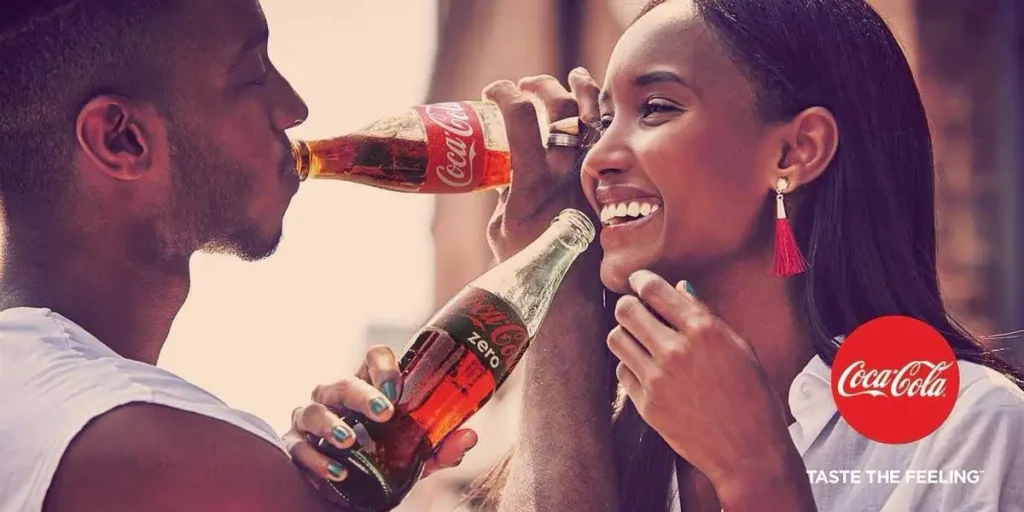
In summary, the campaign concept can be seen as branding a feeling – specifically, that uplifting, refreshing feeling of enjoying a Coke during life’s everyday pleasures. By doing so, Coca-Cola sought to strengthen the emotional bond between the product and consumers worldwide, reminding them that Coke = pleasurable moments. The tagline “Taste the Feeling” brilliantly ties the sensory (taste) to the emotional (feeling), encapsulating the campaign’s promise in three simple words.
Creative Execution and Elements
To bring “Taste the Feeling” to life, Coca-Cola orchestrated a massive integrated campaign touching virtually every media channel – allunified by the new theme. The company assembled creative minds from 10 different agencies worldwide to develop ideas, ultimately producing a suite of content that was consistent globally yet adaptable locally. Key elements of the campaign’s execution included:
1) Television Commercials
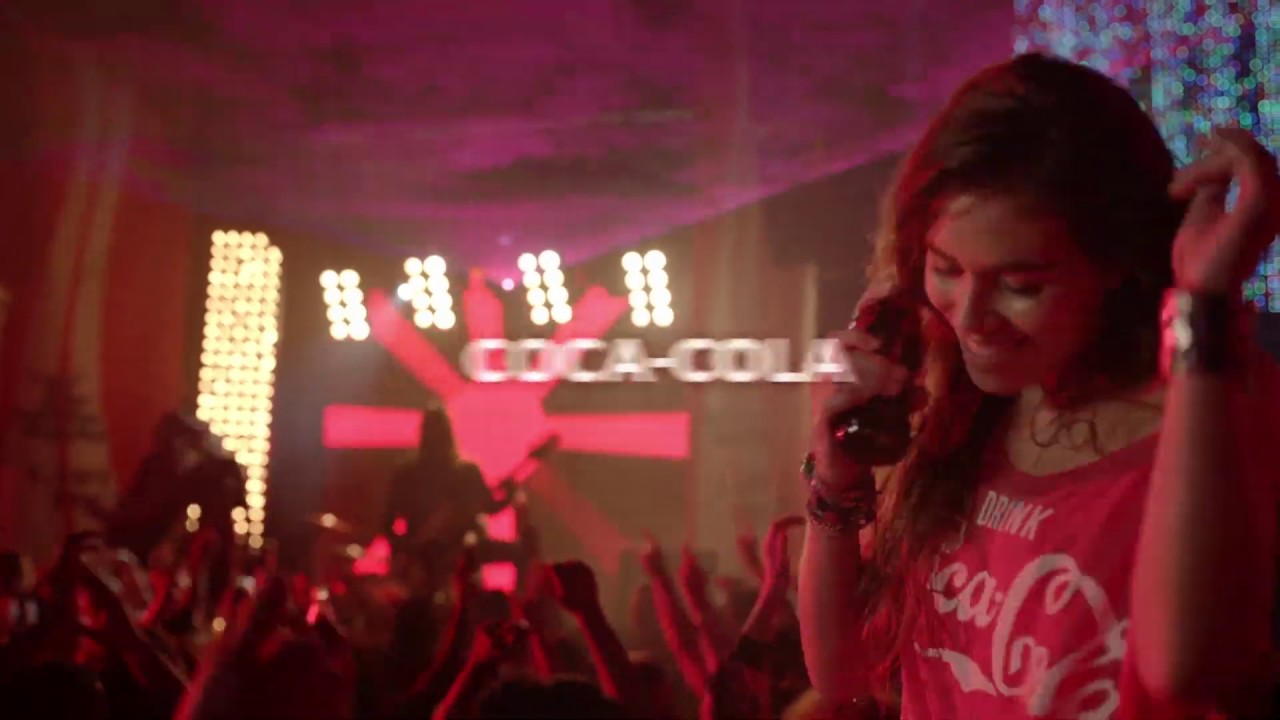
Ten TV spots were created, each a vignette of everyday life with Coca-Cola. Six ads launched immediately in January 2016 (with more rolled out later that year). The lead commercial, “Anthem,” by Mercado-McCann, stitched together a series of ordinary moments – from ice-skating with friends to first love – all linked by Coca-Cola and set to the campaign’s anthem song. Another notable ad, “Brotherly Love,” told a heartwarming story of sibling rivalry turned to affection over a bottle of Coke, set to a remake of Avicii’s “Hey Brother”. Each spot ended with a unifying visual: all Coca-Cola products (Classic, Diet, Zero, Life) coming together under the iconic red Coca-Cola disc logo. This closing shot reinforced the One Brand message that regardless of type – “any Coca-Cola makes the moment special.”
2) Print and Out-of-Home Images
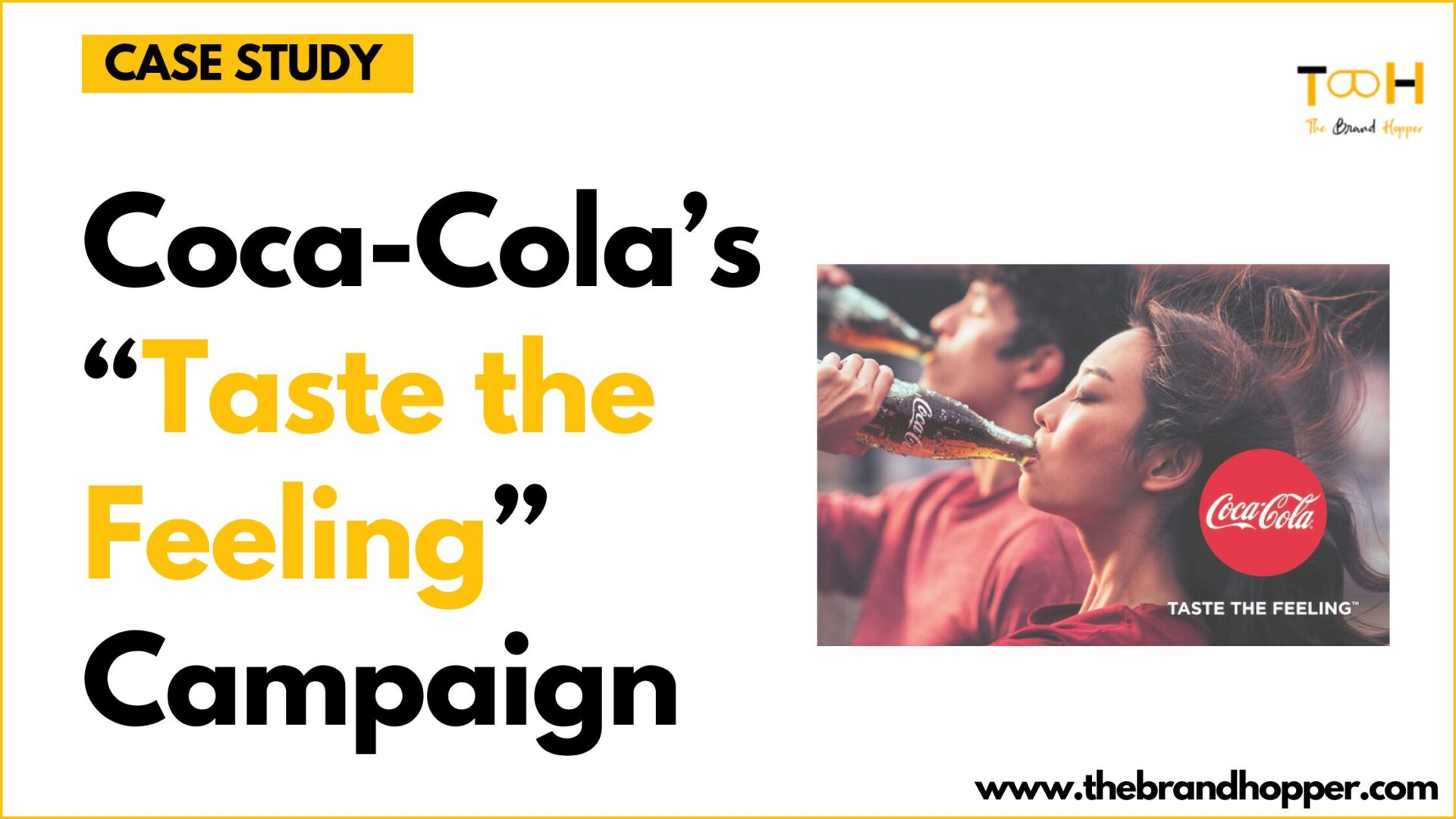
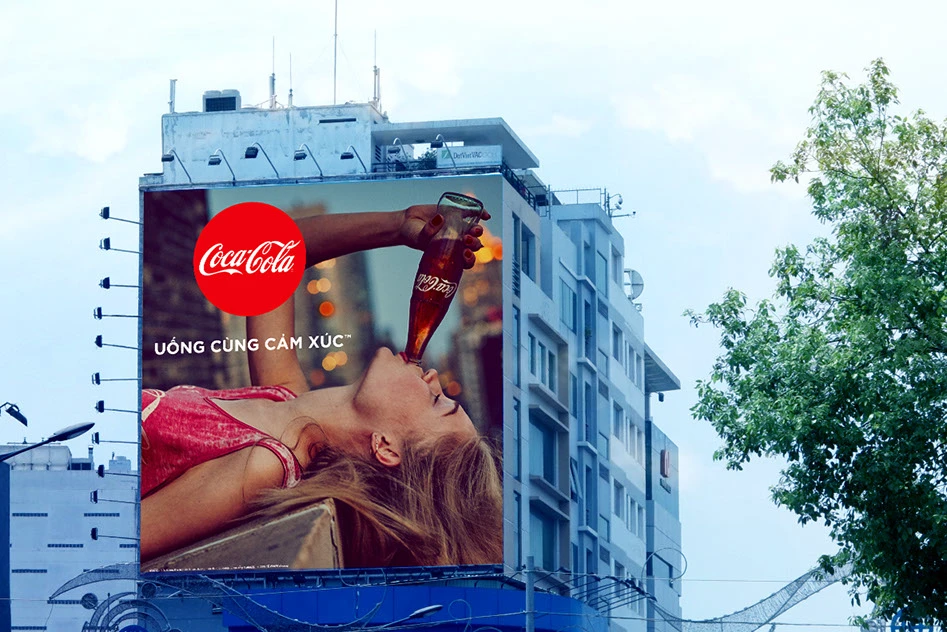
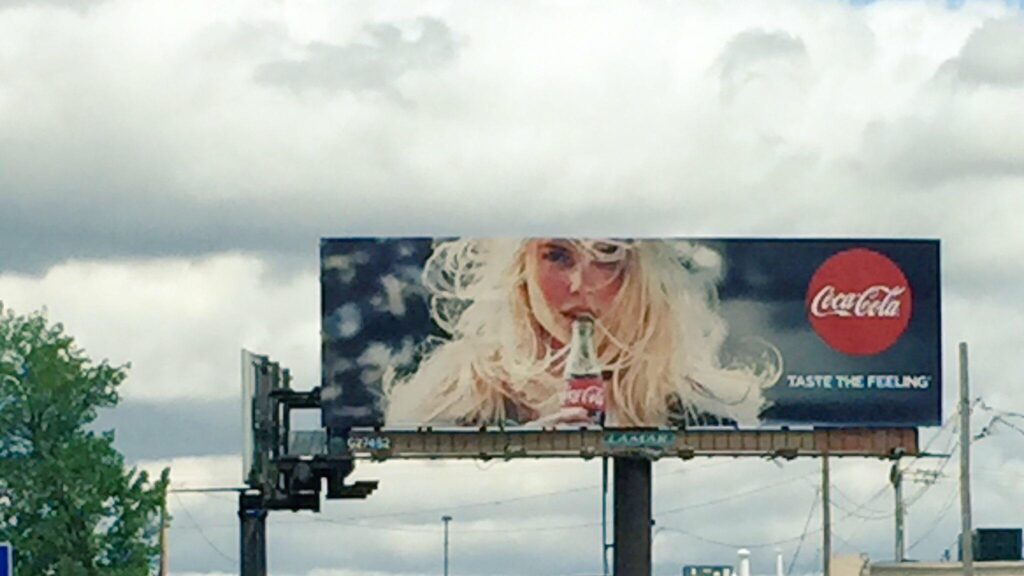
Over 100 campaign still images were shot by noted fashion photographers (e.g. Guy Aroch and Nacho Ricci) for use in print ads, billboards, and in-store displays. These images mirror the commercials’ themes, portraying diverse people around the world sharing Coca-Cola in everyday situations – a couple in a diner, friends at the beach, families at dinner. Each photograph prominently features the product (the red Coke label or contour bottle) amidst genuine moments of happiness.
The visual style is candid and youthful, using warm, nostalgic tones to evoke authenticity. Notably, the Coca-Cola Red Disc (a red circle backdrop with a Coca-Cola signature) became a recurring graphic device in many layouts, linking back to the brand’s heritage iconography. This red disc wasn’t just in ads: it also extended onto Coca-Cola’s packaging worldwide as part of the One Brand design overhaul. Starting in 2016, Coca-Cola began rolling out new packaging that unified all variants under one visual identity, featuring the classic red disk and Coca-Cola logo on every can and bottle.
Each product retained its distinguishing color (black for Zero, silver for Diet, green for Life), but the red disk now signaled that “this is a Coca-Cola” no matter the variety. As Coca-Cola’s VP of Design James Sommerville put it, “By applying the Red Disc across the trademark, we’re sharing the equity of Coca-Cola across all products… consumers will see the Red Disc at the end of our ‘Taste the Feeling’ TV ads, in our print ads, and on our packaging – completing the picture.” This packaging change was the biggest in Coke’s history, and tied in seamlessly with the campaign’s imagery and message of unity.
3) Music and Anthem:
A standout element of “Taste the Feeling” was its original music anthem. Coca-Cola partnered with Swedish DJ Avicii and Australian singer Conrad Sewell to produce a song titled “Taste the Feeling,” which served as both the soundtrack to the ads and a pop single in its own right. This upbeat track – infused with Avicii’s signature energetic EDM-pop sound – was carefully crafted to evoke “uplifting and emotionally charged” feelings associated with Coca-Cola. The lyrics celebrate sharing moments and the invigoration of that first sip (e.g. “No one can stop me when I taste the feeling… nothing could ever bring me down”), reinforcing the campaign’s theme in a catchy, memorable way.
The anthem was embedded in Coca-Cola’s marketing across channels: it scored the TV commercials (in various edits), was made available on music streaming platforms, and was even performed live at Coca-Cola events. By using a full-length song rather than a jingle, Coca-Cola created a piece of branded content that consumers could engage with repeatedly on their own (streaming, downloading), thus extending the campaign’s emotional impact beyond advertisements.
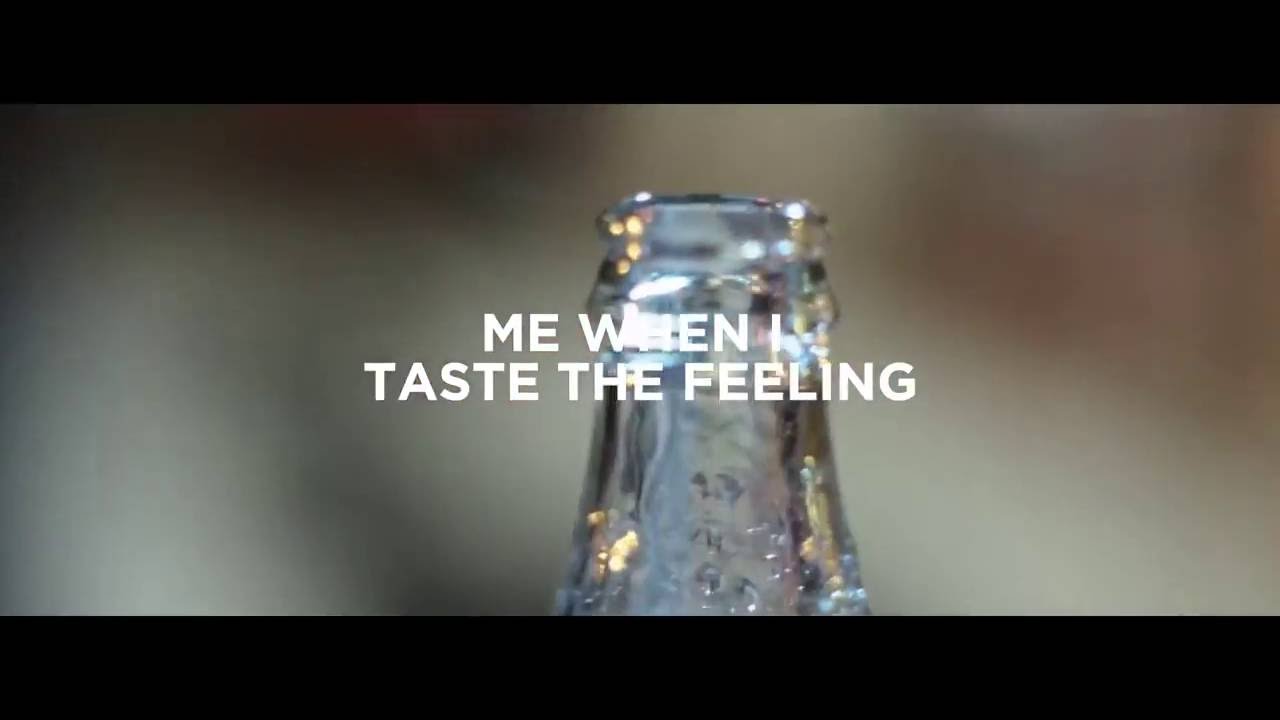
The choice of Avicii also helped target younger audiences – his blend of youthful energy and emotional melody made the song a “sensory shortcut” to the feeling Coca-Cola wanted people to associate with the brand. The company didn’t stop there: special versions of the song were produced for major global events that Coke sponsored. Avicii remixed “Taste the Feeling” for the 2016 UEFA Euro Cup and the Rio 2016 Olympics, aligning Coca-Cola’s campaign with those cultural moments. In sum, the music strategy exemplified “music as memory anchor” – leveraging pop culture to make the Coke feeling stick in consumers’ minds.
4) Digital and Social Media Activation:
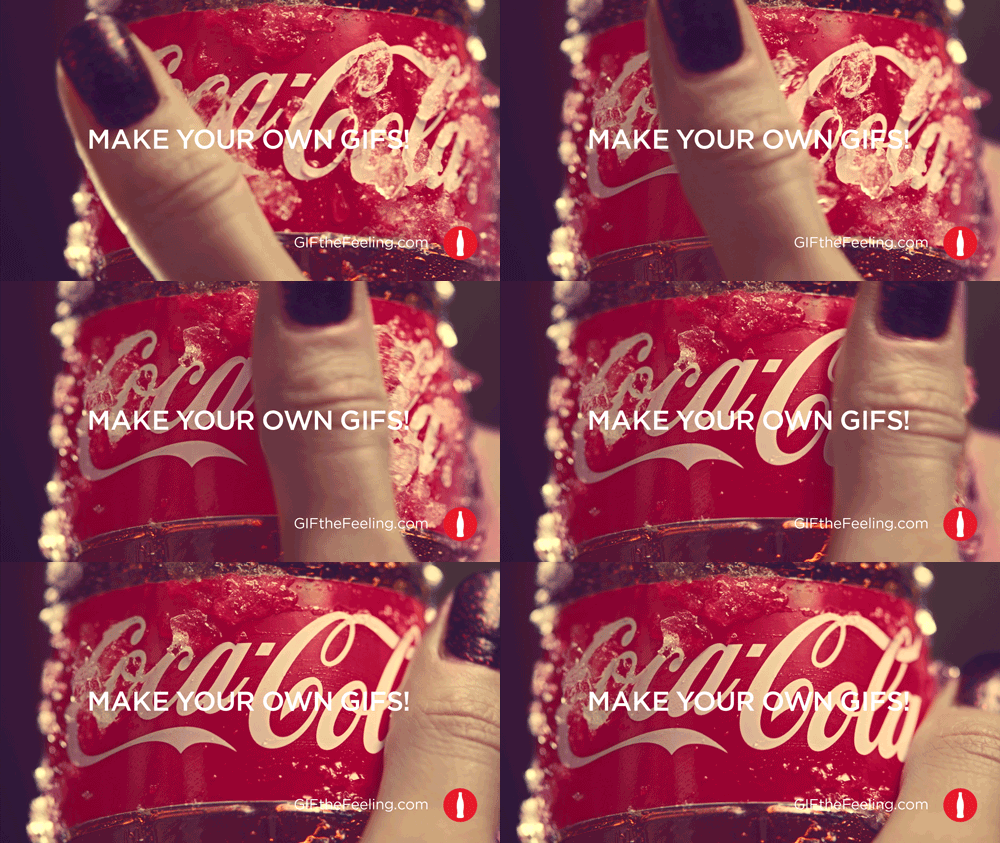
Given the modern media landscape, Coca-Cola ensured “Taste the Feeling” was highly social and shareable. The campaign launched with an interactive digital experience called “GIF the Feeling.” This microsite offered a library of short, looping video clips (GIFs) of people enjoying Coca-Cola, each tagged with a feeling (joy, friendship, courage, etc.). Users could customize these Coke-themed GIFs with their own text or filters and share them on social media with the hashtag #TasteTheFeeling.
By encouraging fans to create and post their own Coke moments, Coca-Cola tapped into user-generated content to amplify the campaign’s reach. The hashtag #TasteTheFeeling became a rallying point on Twitter, Instagram, and Facebook for consumers to share photos and stories of their Coke experiences, effectively turning real people into ambassadors of the brand’s message. Additionally, Coca-Cola smartly integrated the campaign into real-time marketing opportunities.
Throughout 2016, the “Taste the Feeling” motif appeared in seasonal and event-based communications – from Valentine’s Day posts (leveraging the love theme in ads like “Brotherly Love”) to summer promotions and sporting events. This always-on digital presence kept the campaign fresh and contextually relevant. Coca-Cola’s substantial media investment (drawing from a ~$4 billion annual advertising budget) heavily favored digital and social channels to engage millennials and Gen Z with shareable content. The result was a campaign that lived everywhere – on TV, on billboards, on your Facebook feed, and in your Spotify playlist – delivering a consistent message: taste the feeling of Coca-Cola in life’s enjoyable moments.
Impact and Results
“Taste the Feeling” was Coca-Cola’s largest campaign in a decade, and it carried big expectations. In terms of brand cohesion and visibility, the campaign was a clear success. Coca-Cola managed to create a single narrative that resonated globally yet allowed for local flavor. The unified branding – from ads to packaging – reinforced consumers’ mental link between all Coke products and the core brand values. Coca-Cola executives noted that by mid-2016, the One Brand approach was strengthening the overall trademark: for example, early markets like Spain and Mexico saw improved sales for Coke Light and Zero after adopting the new unified packaging and ads.
According to Coca-Cola’s 2016 annual reports, the global rollout coincided with a modest uptick in sales – about 1% increase in worldwide unit case volume – reversing a stagnation trend. While 1% may seem small, for a behemoth like Coca-Cola it indicated millions of additional servings being consumed, and it was a positive signal amid industry headwinds. Company leadership credited the “Taste the Feeling” marketing and the One Brand strategy as helping to stabilize the flagship brand’s performance in a challenging time for sugary beverages.
Beyond sales, the campaign succeeded in shifting consumer perception and conversation. Coca-Cola effectively steered the narrative away from abstract happiness or health debates to the product experience and emotional uplift. The tagline entered the pop-culture lexicon; from social media mentions to people humming the Avicii anthem, “Taste the Feeling” became strongly associated with Coca-Cola moments. The emotional appeal – celebrating authenticity and simple joys – generally received positive responses from the public. In market research, consumers reported that the campaign felt “more real and relatable” than previous Coke ads, and they appreciated seeing Coca-Cola integrated in everyday life scenarios. The use of a contemporary song and vibrant imagery helped Coca-Cola connect with younger audiences (teens and millennials) on an emotional level. Industry observers hailed the campaign as a textbook example of emotional branding done right – one marketing publication noted Coca-Cola “didn’t just market a product, they made us feel it.”.
It’s worth noting that not every metric was perfect – for instance, Coca-Cola Life (the stevia-sweetened variant) still underperformed and was eventually pulled from some markets, illustrating that marketing alone couldn’t overcome all product challenges. However, the overall Coca-Cola brand health remained robust under “Taste the Feeling.” The campaign’s success also bought the company time to innovate and address sugar concerns (through smaller package sizes, new recipes, etc.) while keeping consumers emotionally engaged with the brand.
Longevity and Legacy: “Taste the Feeling” ran as Coca-Cola’s global tagline and platform for nearly five years. By late 2021, the company began phasing it out in favor of a new brand platform called “Real Magic,” which represented the next evolution of the One Brand strategy. The Real Magic campaign shifted emphasis to themes of creativity and shared magical moments (often digitally driven), but it maintained the unified branding across Coke variants that “Taste the Feeling” had established. The transition illustrates how “Taste the Feeling” laid a strong foundation – Coca-Cola could pivot to a new message without splintering its brand again. Elements of “Taste the Feeling” remain in Coca-Cola’s playbook: the focus on universal stories, the integration of music and pop culture, and the red disc branding all continue to influence Coca-Cola’s marketing. Even today, Coca-Cola occasionally revisits the “Taste the Feeling” assets for regional promos or nostalgia, and the 2016 anthem song is archived on official channels, still garnering listens and reinforcing the timeless link between Coke and uplifting feelings.
Conclusion
Coca-Cola’s “Taste the Feeling” campaign stands as a compelling case study in global brand strategy and emotional marketing. By unifying its product lines under one banner, Coca-Cola reinforced its core identity while also refreshing its image for a new era. The campaign brilliantly balanced consistency and flexibility: one worldwide message – the simple pleasure of Coke – executed with locally relevant stories and creativity.
“Taste the Feeling” succeeded in making a 130-year-old brand feel personal and present in consumers’ daily lives, proving that even in a health-conscious market, an authentic emotional connection can make a brand timeless. From the clink of ice in a glass to a song that triggers happy memories, Coca-Cola found myriad ways to embed itself in the feelings of its audience.
The payoff was a reinvigorated brand that not only drove engagement and incremental growth, but also reclaimed its narrative in popular culture. In short, “Taste the Feeling” taught marketers everywhere that when you sell a feeling – and deliver it consistently across touchpoints – you’re not just selling a product; you’re selling a slice of life’s joy with your brand at the heart of it.
Also Read: Case Study Analysis: Coca-Cola’s “Open Happiness” Campaign
Also Read: Case Study Analysis: Pepsi’s “The Choice of a New Generation”
To read more content like this, subscribe to our newsletter