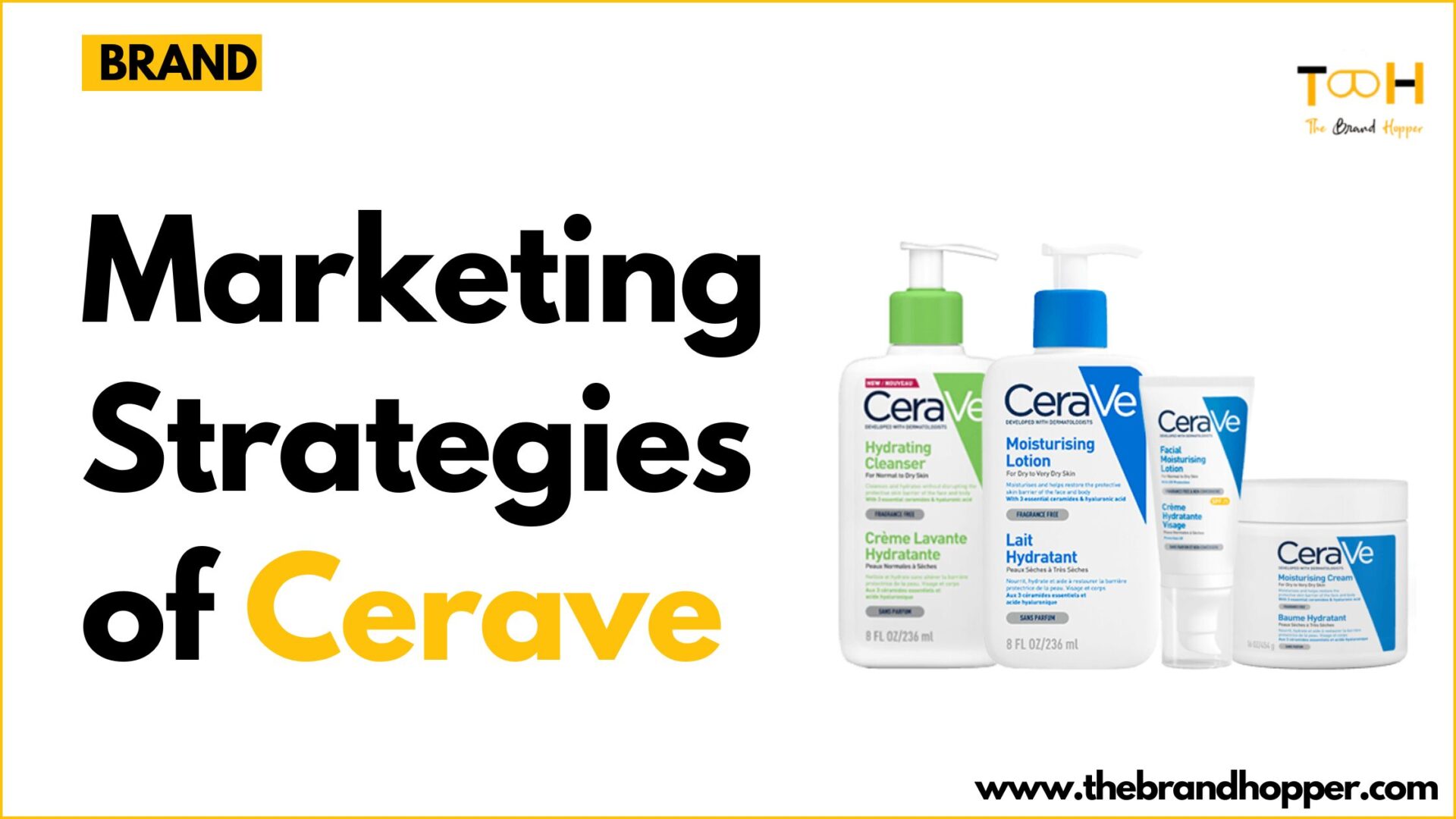
CeraVe is a skincare brand that has experienced meteoric growth by combining clinical credibility with savvy marketing. Co-founded by Tom Allison in 2005 with dermatologists’ input, CeraVe set out to create effective, affordable skincare accessible to everyone. Instead of flashy ads or celebrity spokespeople, the young brand focused on product efficacy and word-of-mouth endorsements.

This approach paid off: CeraVe became a global phenomenon, growing into a $2 billion brand after its 2017 acquisition by L’Oréal. The brand is now #1 dermatologist-recommended in the U.S. and the #1 skincare brand on TikTok (with over 4.4 billion views on its hashtag), even ranking as the most-loved skincare brand among U.S. teens in a recent survey. Such success stems from a blend of smart marketing strategies that balance medical credibility with modern digital engagement.
CeraVe’s rise was notably propelled by the pandemic-era skincare boom. In 2020, as consumers stuck at home started scrutinizing their skin and scrolling social media for advice, CeraVe’s sales surged 82% in the first nine months. Price-conscious shoppers and an increased interest in science-backed skincare drove many to try CeraVe’s straightforward products. L’Oréal reported CeraVe as the fastest-growing brand in its Active Cosmetics division by 2022, with balanced growth across North America and worldwide – including doubling sales in Latin America and a strong launch in Africa. This international expansion underscores CeraVe’s broad appeal.
With a reputation for no-frills packaging, under-$20 price points, and formulas developed with dermatologists, CeraVe built trust through simplicity and efficacy. Now, as competition heats up, the brand continues to innovate its marketing playbook to entertain and engage consumers without losing its dermatological roots.
Below, we explore key marketing strategies that CeraVe has employed – from leveraging expert credibility to embracing TikTok trends – each illustrated with past and present campaigns. These strategies highlight how CeraVe turned a clinical skincare line into a beloved global brand.
Marketing Strategies of Cerave
1. Dermatologist-Backed Credibility and Trust
From day one, CeraVe’s marketing strategy has been anchored in dermatological credibility. Rather than invest in big ad campaigns early on, the brand built relationships with dermatologists and distributed products through their offices. By getting doctors to recommend CeraVe to patients, the company tapped into a highly motivated consumer base seeking real solutions for skin concerns. This medical endorsement strategy created a foundation of trust. Co-founder Tom Allison deliberately took a slow, science-first approach: “Instead of securing a celebrity spokesperson or a flashy campaign, [we] chose to build relationships with dermatologists, trusting that in turn, they would convince consumers”. Being “#1 Dermatologist Recommended” isn’t just a tagline – it’s the result of years of cultivating professional advocacy.
This emphasis on expert trust continued as the brand grew. Even after expanding to drugstores globally, CeraVe sustains extensive outreach to the dermatology community. The company invests heavily in sampling programs and sales reps who visit dermatology clinics worldwide. By providing doctors with product samples to pass on to patients, CeraVe ensures that new users often hear about the brand from a medical professional. The brand also funds clinical studies with universities to validate its products’ efficacy for various uses – reinforcing that CeraVe is scientifically sound. These offline relationships give CeraVe a unique authority. As Allison explains, this “flywheel” of derm credibility even fuels online buzz: skincare influencers often learn from derms and then echo those recommendations on social media. In short, keeping dermatologists “top of mind” creates a ripple effect of trust – an unpaid army of credible advocates bolstering CeraVe’s reputation.
The results of this strategy are evident in consumer perception. Efficacy and trust are core to CeraVe’s brand image, repeatedly praised in online sentiment. During the COVID-19 lockdowns, when dermatologist appointments moved online, many professionals began posting skincare advice on social media. Because CeraVe was already a staple in dermatologists’ toolkits, the brand saw “many organic mentions” from experts on platforms like Instagram and TikTok. This translated into an influx of new customers seeking the products their skin doctors (or favorite derm influencers) recommended. By grounding its marketing in dermatologist endorsement and medical credibility, CeraVe established a trust bank that it continues to draw on for every other marketing initiative.
2. Educational Content and Ingredient Transparency
Closely tied to its dermatological roots is CeraVe’s focus on consumer education. The brand consistently markets its products by explaining why and how they work, rather than relying on glamorous imagery. CeraVe’s formulas center on proven ingredients like ceramides (hence the name “CeraVe”), hyaluronic acid, and niacinamide, and the company makes a point to highlight these in its messaging. By breaking down the science in simple terms, CeraVe empowers consumers to understand their skincare. For example, the brand often publishes content about the role of ceramides in skin barrier health – reinforcing why CeraVe’s ceramide-rich products are effective for issues like dryness or eczema. This commitment to transparency about ingredients and their benefits has differentiated CeraVe in a market full of vague promises.
On social media, CeraVe leverages experts to deliver this educational messaging in a digestible way. Dermatologists who are also content creators frequently partner with CeraVe to discuss topics like cleansing techniques or the importance of moisturizing. They explain technical ingredients in accessible language, which builds trust with an audience that might be skeptical of skincare fads. For instance, dermatology influencers have used TikTok to clarify how CeraVe’s three essential ceramides work to repair the skin barrier. These mini “skincare lessons” double as marketing, positioning CeraVe as the science-backed choice. CeraVe even coined the term “Medutainment” – medicine meets entertainment – to describe its approach of using fun content to deliver dermatological education.
Internally, CeraVe sees education and transparency as powerful marketing tools. By candidly sharing the science behind its products, the brand has built credibility with increasingly savvy consumers. “Providing transparent and educational content can differentiate a brand” in a crowded field, one analysis noted of CeraVe’s strategy. This includes content like how-to guides, dermatologist Q&As, and skin concern explainer videos – all reinforcing that CeraVe’s claims are backed by research. Ultimately, this strategy nurtures an informed customer base. Consumers are more likely to stick with (and advocate for) a brand when they understand the why behind its effectiveness. CeraVe’s educational marketing not only attracts curious new users, but also deepens loyalty by positioning the brand as a genuine skincare authority rather than just a seller of creams.
3. Influencer Partnerships with Authentic Fans
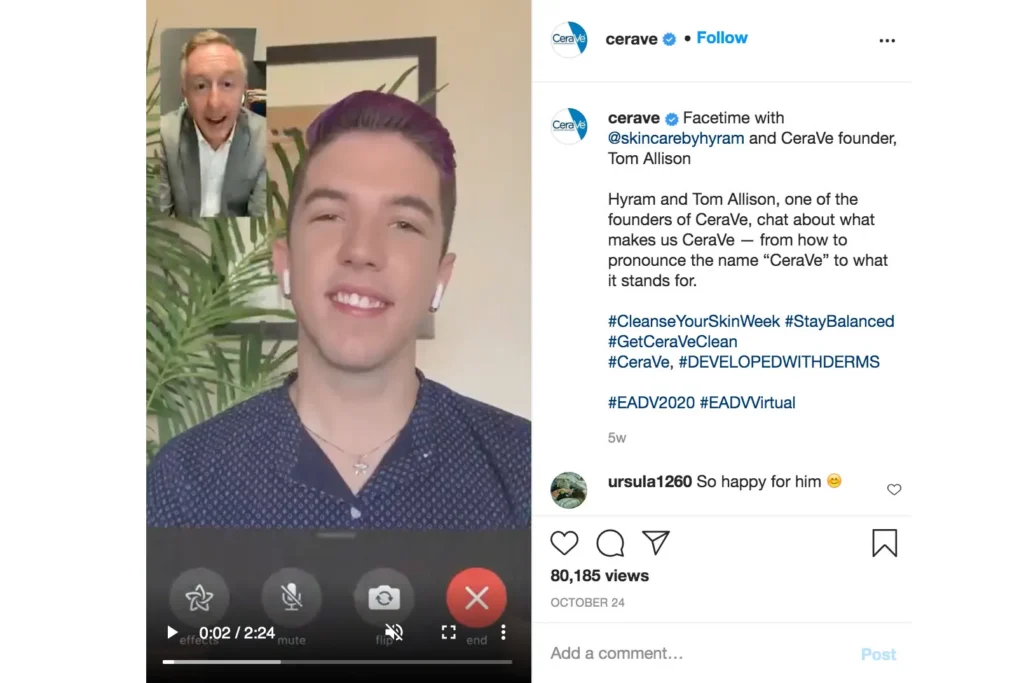
CeraVe has mastered the art of influencer marketing, but with a twist: the brand prioritizes authenticity and long-term relationships over one-off celebrity endorsements. Rather than pay big-name influencers who might not care about the product, CeraVe seeks out creators who are already genuine fans. A prime example is Hyram Yarbro, one of TikTok and YouTube’s most influential skincare gurus, who rose to fame by giving product advice. Early on, Hyram frequently praised CeraVe’s cleansers and moisturizers from his own experience, not as a paid spokesperson. His genuine enthusiasm introduced millions of Gen Z viewers to CeraVe, effectively making him an unofficial ambassador. Seeing this organic love, CeraVe later partnered with Hyram – a move that resonated because his support was perceived as real. This strategy of “if you can’t beat them, join them” with true fans has lent CeraVe tremendous credibility in the influencer space.
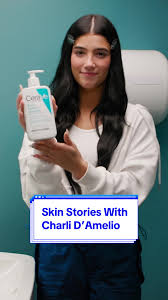
Beyond individual stars, CeraVe cultivates squads of influencers who reflect its diverse customer base. Melanie Vidal, CeraVe’s global general manager, explains that the brand works with many “authentic users and patients” across different demographics. For instance, its recent “Head of CeraVe” campaign for a new haircare line enlisted TikTok icon Charli D’Amelio (who had organically used CeraVe) alongside NBA star Anthony Davis and college basketball phenom Paige Bueckers. This unusual mix of a teen social media celebrity and athletes helped CeraVe reach distinct audiences, all tied together by genuine product usage. By creating an ambassador squad, CeraVe ensures that various consumer “tribes” see someone they relate to endorsing the brand. Crucially, these partnerships don’t feel forced – the influencers often share their personal skincare stories with CeraVe, reinforcing authenticity.
Notably, CeraVe is less concerned with follower count than with fit. In fact, around 70% of online mentions of CeraVe come from “micro-influencers” with under 100k followers. The brand readily works with smaller creators if they have an engaged community or a voice in the skincare culture. As Allen Ortega, CeraVe’s digital marketing manager, puts it: “On platforms like TikTok, you see very little correlation between the number of followers and the ability to reach people”. CeraVe asks instead, who is speaking to the culture, and how can we unlock their creativity for the brand?. This philosophy led CeraVe to collaborate with all kinds of content creators – from dermatologists-turned-influencers to beauty enthusiasts – as long as they genuinely champion skin health. The impact of this authentic influencer strategy has been quantifiable. One report found CeraVe’s collaborations with “skinfluencers” drove a 64% increase in earned media value for the brand, demonstrating how powerful these genuine endorsements can be. By treating influencers as real partners and fans rather than just ad channels, CeraVe amplifies word-of-mouth marketing at scale.
4. Dominating TikTok and the “SkinTok” Movement
If there’s one platform that turbocharged CeraVe’s popularity, it’s TikTok. The brand’s ascent is practically a case study in how to win over Gen Z on social media. CeraVe’s TikTok strategy was no accident – the team crafted a clear plan that combined authentic voices, expert input, and grassroots content. In the late 2019–2020 period, TikTok saw the rise of #SkinTok, a corner of the app where users share skincare routines and product tips. CeraVe became a SkinTok darling largely through organic buzz (like Hyram’s rave reviews) and then leaned into that momentum with its own content. By engaging with trends and creators on TikTok, CeraVe turned the platform into a major awareness and education channel.
One key to CeraVe’s TikTok success was adapting content to the platform’s style. Rather than repurpose dull ads, CeraVe created short, catchy videos that fit TikTok’s playful vibe while still conveying product benefits. The brand understood that TikTok users want to be entertained, so it embraced creative formats – from skincare hacks to satisfying foam cleanser demos – often set to music and trending sounds. Yet, importantly, CeraVe didn’t compromise its identity: even in fun clips, it maintained its core message of being dermatologist-developed and effective. Marketing experts noted that CeraVe managed to engage Gen Z on TikTok “without compromising its brand integrity,” by using the app’s viral features while holding onto its clinical values. This balance helped CeraVe appear in Gen Z’s feeds as a friendly, relevant presence rather than a stuffy pharma brand.
CeraVe also kept a finger on the pulse of TikTok’s fast-moving trends. The marketing team actively tracks what’s going viral broadly, not just within beauty topics. This led to some unconventional but hugely successful moves – for example, partnering with Jericho Mencke, a TikTok creator known for bizarre comedy skits. Jericho wasn’t a typical beauty influencer at all, but he was drawing tens of millions of views with absurdist humor. CeraVe saw an opportunity: they sent him some product (“seeding”) and let him create his own offbeat TikTok featuring CeraVe in a comical mini-movie scenario. The result? A surreal video of a man in a half-suit giving a clownish facial and balancing a CeraVe cleanser on his foot – content so weird it captivated viewers. The clip amassed over 5 million likes and tons of positive comments, putting CeraVe front-and-center in a viral moment. Such experiments show CeraVe’s willingness to “embrace the chaos” of TikTok culture – a strategy that can be scary for traditional marketers, but one that keeps the brand culturally relevant. By being agile and open-minded on TikTok, CeraVe entrenched itself as a favorite of the app’s skincare community.
Today, the hashtag #CeraVe has over billions of views, and TikTok has effectively become a search engine for skincare where CeraVe often tops the results. The brand’s ability to dominate this medium showcases its broader strategy: meet young consumers where they are, in the tone they prefer, with content that educates and entertains.
5. User-Generated Content and Community Engagement
CeraVe’s marketing isn’t just about broadcasting messages – it’s also about sparking a conversation and community among users. A huge part of the brand’s viral growth has come from regular people sharing their love for CeraVe products online. The company actively encourages this kind of user-generated content (UGC), knowing that peer recommendations often carry more weight than any ad. On TikTok and Instagram, CeraVe fans post their morning and night routines featuring the brand’s cleansers and moisturizers, often tagged with #CeraVe. Instead of letting this happen by chance, CeraVe has stoked the trend by re-sharing user content, creating hashtags, and even running contests to celebrate fans. This participatory approach makes customers feel like they’re part of the brand’s story, not just passive buyers.
The results speak for themselves: the hashtag #CeraVe has garnered billions of views as everyday users document their skin journeys. Communities have formed around swapping tips for using CeraVe to tackle acne or eczema. Such grassroots content gives CeraVe an authenticity that polished marketing can’t match – it’s real people vouching for real results. “The consumers that tried the products weren’t silent about it,” recalls CeraVe’s GM, “they started talking about it on their social media”. Many of those early evangelists just happened to be influencers too, which amplified the reach of this word-of-mouth buzz. But even those without large followings contribute to the groundswell. CeraVe often reposts UGC, signaling that the brand listens and values its fans. For example, when one user’s testimonial or transformation story goes viral, CeraVe might feature it on their official channels (with permission), effectively turning customers into brand advocates.
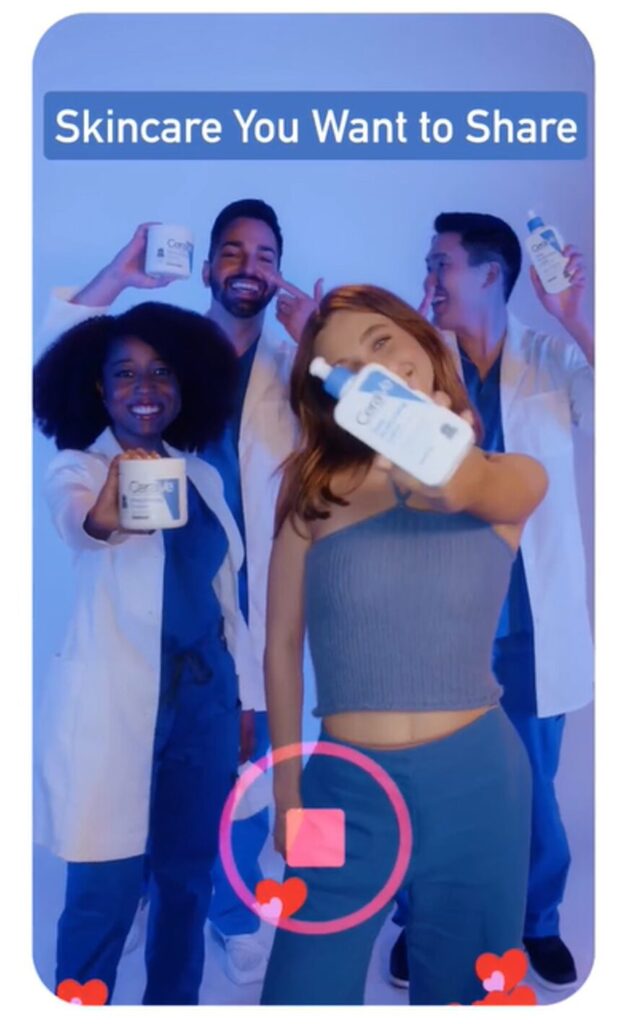
CeraVe has also orchestrated campaigns explicitly designed to get people sharing. A notable example is the “Skincare You Want to Share” campaign, a recent global initiative built entirely around social sharing. The idea was to rally CeraVe’s loyal fans – from dermatologists to influencers to everyday users – to post how they moisturize with CeraVe and to tag friends. The brand gathered “skincare secrets” from derms worldwide and had these experts and content creators flood social media with their tips, inviting the audience to do the same. This campaign rewarded participation and underscored CeraVe’s community ethos (“sharing is caring,” as they put it). It ultimately helped defend CeraVe’s position as the most talked-about skincare brand on TikTok and beyond. By blending user-driven content with a unifying theme, CeraVe further cemented that its popularity isn’t manufactured – it’s genuinely fan-powered. This strategy of listening to and amplifying its community has not only increased CeraVe’s share of voice, but also built deep goodwill and a sense of belonging among its customers.
6. Humor and “Medutainment” in Campaigns
One of the more surprising turns in CeraVe’s marketing has been its embrace of humor and pop-culture savvy – an approach far from the clinical tone one might expect. To keep audiences engaged (especially younger consumers who want to be entertained, not just educated), CeraVe began infusing comedy and creativity into its campaigns. The brand’s team calls this blend of medical education and entertainment “medutainment,” and it has become a hallmark of their strategy. The philosophy: a spoonful of humor helps the science go down. By capturing attention with jokes or absurd scenarios, CeraVe can then slip in a message about skincare benefits without losing the viewer’s interest.
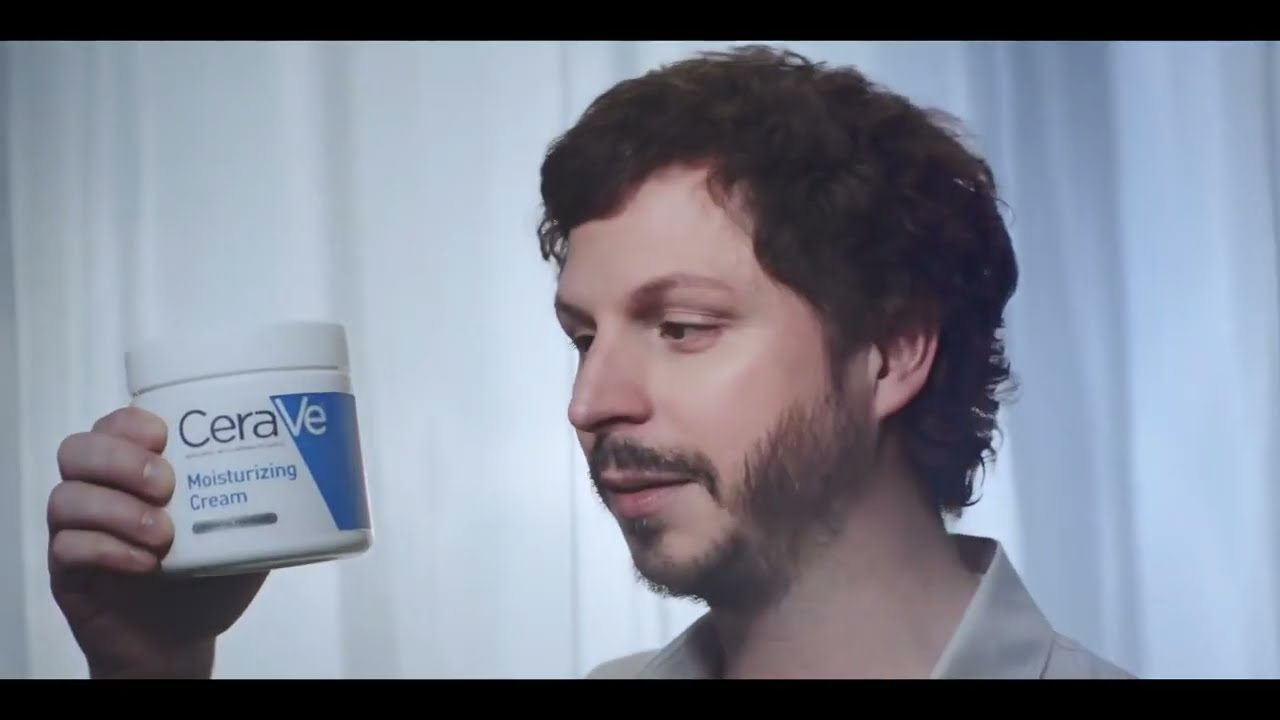
A standout example is CeraVe’s Michael Cera Super Bowl campaign (2024) – a masterclass in quirky, viral marketing. Instead of a straightforward product ad, CeraVe ran a satirical narrative suggesting that actor Michael Cera might secretly be behind the brand (playing on the CeraVe name sounding like “Cera”). Weeks before the Super Bowl, the brand planted Easter eggs: an influencer “spotted” Michael Cera autographing CeraVe products in public, and he appeared on a popular podcast joking about having “some skin in the game” with CeraVe. These humorous leaks got social media buzzing with theories. It all culminated in a Super Bowl commercial where Cera dramatically pitches an ad idea to a panel of dermatologists – revealing that of course, CeraVe was actually created by skin experts, not Michael Cera. The campaign was tongue-in-cheek and self-aware, ending with a nod to the brand’s real origin (named after ceramides, developed with derms) on a special microsite. This offbeat approach “blurred fact and fiction” and delighted viewers, earning CeraVe a spot on Adweek’s top 25 Super Bowl commercials of the past 25 years. More importantly, it generated a wave of free publicity – fans shared the “Michael CeraVe” conspiracy all over TikTok and Twitter, vastly amplifying the campaign beyond the 30-second TV spot.
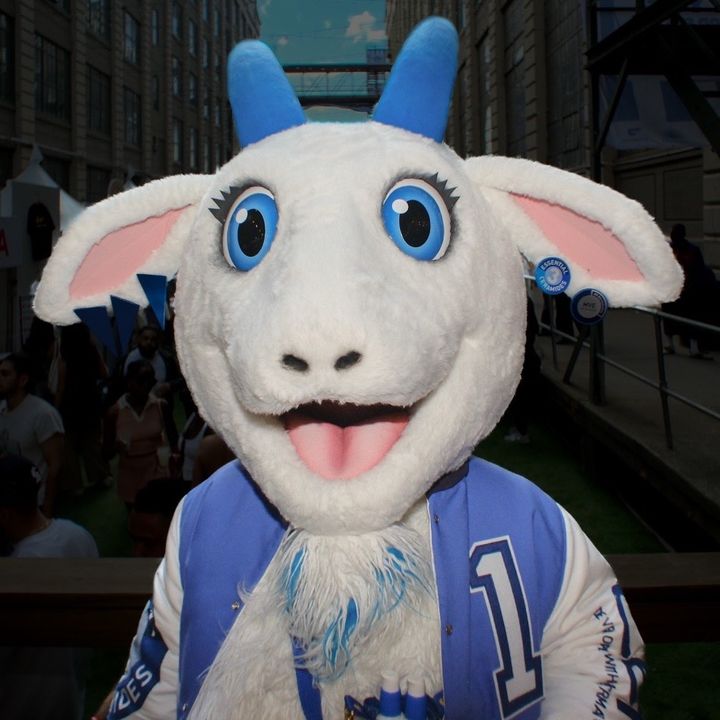
CeraVe has continued with witty, culturally-relevant content in other campaigns. They’ve produced a fake rom-com movie trailer about someone falling in love with moisturizer, a melodramatic soap opera spoof for a product launch, and even a prank video with a viral comedian. In each case, the humor is often “punny” or over-the-top, embracing internet meme culture while subtly reinforcing a product benefit. In 2023, the brand even introduced a mascot – “Sarah V.” the goat – a literal GOAT to signify CeraVe’s claim as the “Greatest of All Time” skincare brand. This goofy mascot appeared in social posts and events, again showing the brand’s playful side. All of these efforts exemplify how CeraVe uses entertainment as a vehicle for its message. As one report noted, these fun campaigns make CeraVe’s medical pitch “easier to swallow” for consumers who might otherwise tune out dry facts. The medutainment strategy has been crucial in nudging new customers to give CeraVe a try – by first making them laugh or piquing their curiosity, and then delivering the dermatologist-approved advice. It’s a delicate balance, but CeraVe’s success here proves that even a serious skincare brand can win big with a sense of humor.
7. Integrated Multi-Channel Marketing and Events
Another pillar of CeraVe’s strategy is its integrated approach across channels and markets. The brand doesn’t rely on just one medium or one-off ad; instead, it orchestrates cohesive campaigns that span social media, traditional media, live events, and more. CeraVe recognizes that reaching today’s consumer requires being present in multiple touchpoints with a consistent story. One way they do this is by tailoring content to the strengths of each channel – for instance, using entertaining awareness ads on TV or Facebook (passive channels), but providing in-depth educational content on platforms where people actively search for info (like YouTube or TikTok). Melanie Vidal describes this as meeting consumers in the right context: catching their attention with fun bits where they’re casually browsing, and offering expert knowledge where they’re seeking answers. This multi-channel mix shortens the distance between curious consumers and credible dermatological advice, effectively guiding people down the funnel with the right content at the right place.
CeraVe’s recent campaigns illustrate how the brand integrates efforts for maximum impact. The “Skincare You Want to Share” campaign, which won industry accolades, was built on four strategic pillars executed in unison for a global push:
-
Influencer & Creator Collabs: CeraVe paired teen icon Emma Chamberlain (an authentic CeraVe fan) with top dermatologists and TikTok illusionist Zach King to create eye-catching hero content that anchored the campaign. This unusual collaboration mixed star power, expert credibility, and viral creativity in videos that grabbed attention.
-
Professional Community Activation: The brand set up a content creation studio at the American Academy of Dermatology conference, rallying an “army” of dermatologists to film quick educational clips on-site. By involving dozens of derms at a major event, CeraVe generated a trove of authoritative content and signaled derm-world endorsement.
-
Live Global Event: CeraVe enlisted Dr. Muneeb Shah – TikTok’s most-followed dermatologist – to host a global livestream during the campaign, educating viewers around the world about moisturization. This virtual event targeted consumers, media, and influencers simultaneously, creating a splash of earned media and real-time engagement across countries.
-
Paid Amplification Worldwide: To tie it all together, CeraVe supported these efforts with strategic media buys, including TikTok takeovers in 25 countries and coordinated ads beyond social. Launching the content in multiple markets at once gave the campaign a synchronized, worldwide presence.
By executing these elements together, CeraVe ensured that consumers heard about the campaign from all angles – their favorite influencer’s post, a derm’s video, a live broadcast, or just seeing an ad. The results were record-breaking: the campaign drove a 3,000% surge in web traffic, nearly crashing CeraVe’s site from 35+ countries’ worth of interest. In Canada, products sold out as sales jumped over 20% that month. In Europe, CeraVe shot up to become L’Oréal’s #1 Amazon brand in the body care category. Markets from Spain to Mexico saw CeraVe leap into top ranks in skincare sales, demonstrating the global reach of the effort. This campaign exemplifies CeraVe’s integrated marketing prowess – by aligning content and messaging across influencers, professionals, live experiences, and digital advertising, the brand can create buzz that translates into both online chatter and real-world sales.
CeraVe applies a similar integrated mindset to smaller-scale efforts as well. The Michael Cera Super Bowl campaign discussed earlier wasn’t just a TV ad; it was a multi-touch narrative (social media skits, podcast cameo, website, then TV spot) designed to amplify a single message across channels. Likewise, when launching products, CeraVe often combines in-store promotions with social media challenges or educational webinars with dermatologists. By ensuring each marketing move isn’t in isolation, but part of a broader synchronized plan, CeraVe maximizes its marketing ROI. Every touchpoint – whether a person encounters CeraVe on TikTok, at their dermatologist’s office, or at an event – feels connected and reinforces the same core brand story. This holistic approach has been key to CeraVe’s ability to punch above its weight in a competitive industry, making a relatively simple skincare line feel omnipresent in the conversation.
Concluding..
Finally, CeraVe’s authenticity is evident in how it responds to its community. The brand listens to feedback and engages honestly. For instance, when fans have jokingly memed CeraVe’s plain packaging or its almost medicinal smell, the brand good-naturedly acknowledges it on social media – turning potential negatives into relatable quirks. And when serious skin issues are discussed, CeraVe responds with compassion and scientifically-grounded advice, reinforcing that it genuinely cares about skin health.
In sum, CeraVe’s marketing may have evolved with flashy platforms and creative campaigns, but at its core the brand has not changed who it is. This consistency builds a strong emotional connection with consumers, who feel they can trust CeraVe through fads and fancies. In an industry often accused of overpromising, CeraVe’s unwavering authenticity has become its own kind of superpower – the quiet strategy underpinning all the others, and ultimately, a key reason people keep coming back to (and raving about) CeraVe.
Also Read: A Deep Dive into the Marketing Strategies of CoverGirl
To read more content like this, subscribe to our newsletter