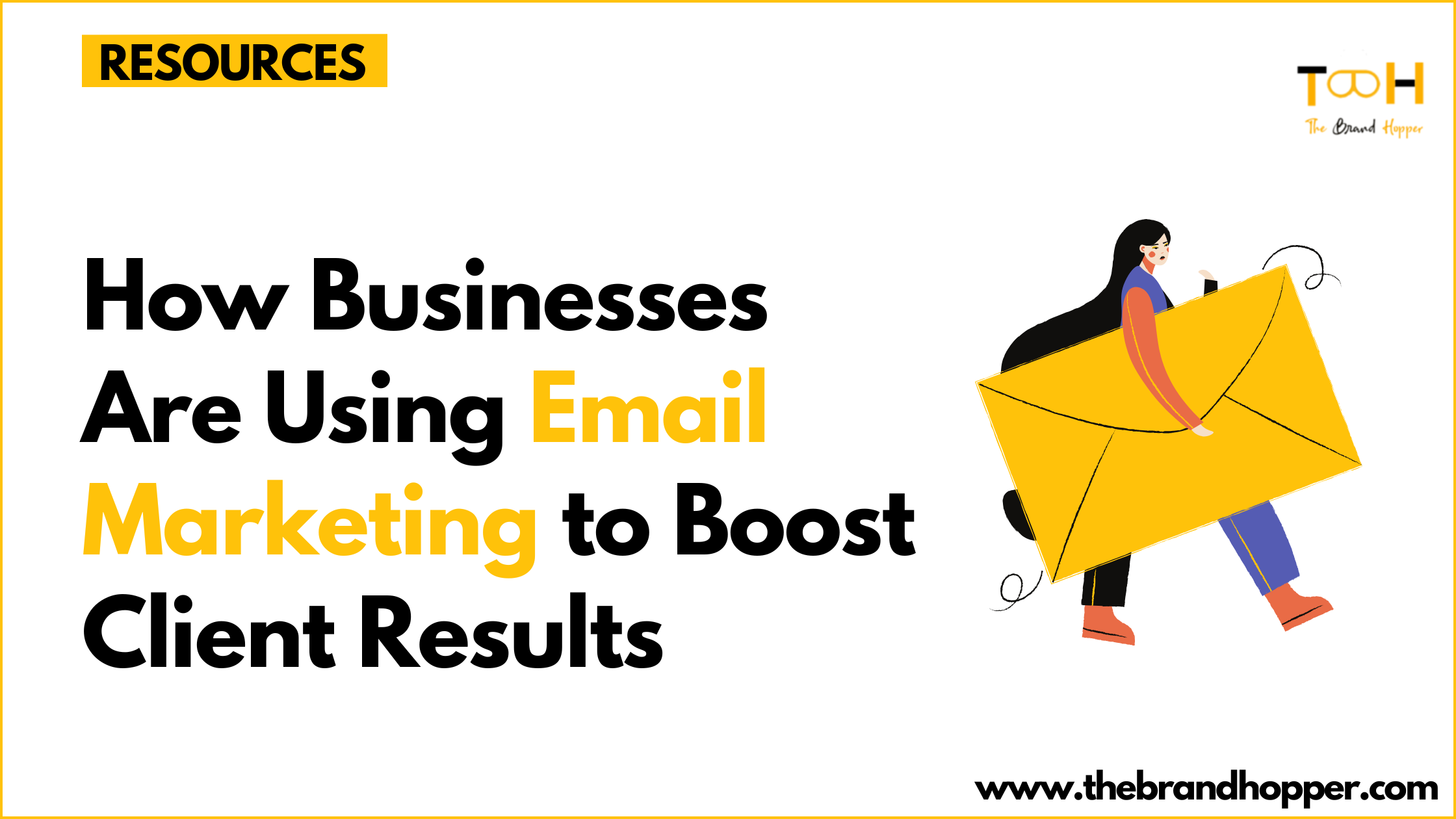
Step into the fast-paced digital world of 2025. You’ll find new social media trends popping up by the minute and paid advertising campaigns growing ever more intricate. Yet, amidst all this, one marketing channel consistently proves its enduring strength: email. It’s genuinely far from an outdated relic; in fact, email marketing has firmly established itself as a cornerstone for businesses aiming to cultivate deeper client relationships, drive conversions, and, crucially, grow their bottom line.
Data from this year shows the average return on investment (ROI) for email marketing sitting impressively at $36 for every $1 spent, with many companies seeing even higher returns. This article will unpack the winning strategies and cutting-edge innovations that empower businesses, including leading digital marketing companies, to achieve unparalleled results from their email marketing efforts right now.
The Shifting Sands of Email Marketing in 2025
Today’s email marketing is a truly sophisticated, data-driven discipline—miles away from the generic mass mailings of yesteryear. Several key shifts are making it remarkably effective:
Hyper-Personalization and Segmentation
Sending a single, generic email to everyone? Those days are definitely behind us. In 2025, personalization stretches far beyond simply using someone’s first name. Businesses are tapping into vast amounts of customer data—think purchase history, Browse habits, demographic details, and explicitly stated preferences—to craft incredibly targeted and relevant messages. Breaking down email lists into smaller, highly specific segments, in particular, has been shown to boost revenue by an astonishing 760%.
Interactive Emails (AMP for Email)
Static emails? They’re becoming a rare sight. Interactive elements like live polls, embedded quizzes, dynamic product carousels, and even little mini-games built right into the email itself are making interactions richer and far more immersive for recipients. Accelerated Mobile Pages (AMP) for email are making these dynamic features possible, effectively turning emails into miniature, engaging web pages that keep people hooked.
A Privacy-First Ethos
With increasing global data privacy regulations (like GDPR and CCPA) and growing user concerns, businesses are placing transparency and user consent at the forefront of their email strategies. This translates to crystal-clear opt-in processes, straightforward unsubscribe options, and an unwavering commitment to using data responsibly. Trustworthiness, a cornerstone of Google’s E-E-A-T guidelines, is absolutely paramount in this new landscape.
AI Takes a Leading Role in Email Creation and Optimization
Artificial intelligence (AI) is genuinely transforming nearly every aspect of email marketing, from drafting compelling content to analyzing audience behaviors. AI-powered tools can now whip up catchy subject lines, generate engaging body copy, pinpoint the absolute best times to send, and even dynamically tweak content based on individual recipient preferences. This isn’t just about efficiency; it’s driving unprecedented levels of personalization and engagement, helping businesses connect on a much deeper level.
Mobile Optimization Isn’t Optional Anymore
Considering that well over 60% of all email opens happen on mobile devices, ensuring your emails look and function perfectly across all screen sizes isn’t merely a good idea—it’s a fundamental requirement. We’re talking responsive design, clean single-column layouts, generous font sizes, and easily tappable call-to-action (CTA) buttons. It just makes sense.
Emphasis on Lifecycle Marketing and Automation
Businesses are increasingly setting up sophisticated automated email sequences that walk clients through every single stage of their journey. This includes warm welcome series, thorough onboarding flows, gentle abandoned cart reminders, timely post-purchase follow-ups, and clever re-engagement campaigns. Automated emails, it turns out, typically generate significantly more revenue than manual ones, delivering timely, relevant communication without constant hands-on effort.
How Email Marketing Delivers Real Client Results: Strategies in Action
Let’s dive into the practical ways businesses are harnessing these trends to achieve concrete, measurable results for their clients:
1. Building and Nurturing Strong Client Relationships
Email marketing remains unmatched in its capacity to cultivate direct, intimate connections with clients. Unlike the fleeting nature of a social media post, an email lands right in a client’s personal inbox, allowing for more sustained and truly meaningful conversations.
- Personalized Content Delivery: Imagine a real estate agent sending a client an email digest of new listings that perfectly match their specific criteria (bedrooms, location, price range), rather than just a generic newsletter that lands in everyone’s inbox. Or consider a financial advisor sending tailored market updates specifically based on a client’s actual investment portfolio. This level of personalized content, powered by smart data analysis and AI, builds immense trust and genuinely shows clients you understand their unique needs.
- Exclusive Content and Offers: Clients truly value feeling special. Businesses are cleverly using email to deliver exclusive content (things like early access to new products, intriguing behind-the-scenes insights, or members-only tips) and special offers (discounts, invitations to VIP events) that are unavailable anywhere else. This exclusivity not only strengthens loyalty but also makes clients feel genuinely appreciated.
- Thought Leadership and Education: Positioning your business as a go-to, authoritative source in your industry through email newsletters and educational content (e.g., in-depth whitepapers, engaging webinars, or expert analyses) builds immense credibility and trust. A prime example: a digital marketing company might send its clients regular insights on the latest digital trends, showcasing their deep expertise and providing genuinely actionable advice.
2. Driving Conversions and Sales
The direct line of communication email offers makes it an incredibly effective tool for boosting sales and conversions.
- Abandoned Cart Recovery: This is consistently one of the most powerful automated email sequences out there. When a client adds items to their online cart but then, for whatever reason, doesn’t complete the purchase, a well-timed email reminder can recover a substantial amount of lost revenue. In 2025, these emails are often hyper-personalized, displaying the exact items left behind and sometimes even offering a small incentive to complete the purchase.
- Product Recommendations and Upselling/Cross-selling: Based on past purchases and Browse behavior, businesses can send highly relevant product recommendations directly to their clients’ inboxes. An e-commerce store might suggest complementary items (cross-selling) or upgraded versions of previously purchased products (upselling). AI is getting remarkably sophisticated at identifying these perfect opportunities.
- Promotional Campaigns with Urgency and Scarcity: Email is perfectly suited for announcing sales, limited-time offers, and sudden flash deals. By incorporating countdown timers and crystal-clear messaging about limited stock or strict timeframes, businesses skillfully create a sense of urgency that encourages immediate action.
- Event Invitations and Registrations: For businesses hosting webinars, workshops, or any other events, email remains the primary channel for sending out invitations, managing RSVPs, and delivering helpful event reminders. This direct approach consistently helps ensure higher attendance rates.
3. Enhancing Customer Experience and Retention
Beyond just the initial sale, email marketing plays an absolutely crucial role in post-purchase engagement and fostering long-term customer loyalty.
- Onboarding Sequences: For brand new clients, a thoughtfully structured onboarding email series can dramatically improve their initial experience. This might include a warm welcome message, clear tutorials on using a product or service, helpful tips and tricks, and even invitations to join relevant community forums.
- Customer Feedback and Surveys: Email provides a super convenient way to gather valuable client feedback through surveys. This not only genuinely helps businesses improve their offerings but also shows clients that their opinions are truly valued, further strengthening the relationship.
- Customer Support and Service Updates: Timely email communication about order status, shipping updates, service outages, or important announcements can significantly boost customer satisfaction and reduce the volume of support inquiries. It keeps everyone in the loop.
- Loyalty Programs: Email forms the very backbone of most successful loyalty programs, enabling businesses to communicate points balances, offer reward redemption options, and highlight exclusive benefits to their most loyal customers.
Real-World Success Stories: Email Marketing in Action in 2025
To really illustrate the impact, let’s look at some highly plausible scenarios from this very year:
Case Study 1: “FitFusion” – A Personalized Fitness Coaching Platform
- Challenge: FitFusion initially struggled with client retention after the excitement of the initial sign-up period wore off, as many clients often lost motivation.
- Email Solution: FitFusion wisely implemented an AI-driven email automation system that completely transformed their client retention.
- Personalized Workout Plans: Clients began receiving weekly emails with customized workout plans and tips, which intelligently adapted based on their real-time progress tracked through the app.
- Motivational Reminders: AI analyzed client engagement levels and sent out personalized motivational messages, celebrated milestones, and even gently nudged inactive users back into their routines.
- Nutrition Advice & Recipes: Based on their stated dietary preferences, clients received tailored nutrition advice and healthy recipes delivered directly via email.
- Interactive Challenges: They introduced monthly interactive email challenges (think a “7-Day Core Challenge” with embedded progress trackers) which truly boosted engagement and kept clients coming back.
- Client Results: FitFusion proudly reported a 25% increase in 6-month client retention and a notable 15% rise in premium subscription upgrades, directly attributable to their highly personalized and genuinely engaging email communication.
Case Study 2: “ArtisanCraft Co.” – An Online Handmade Goods Marketplace
- Challenge: ArtisanCraft Co. had such a wonderfully diverse product catalog that it was proving difficult to recommend truly relevant items to all their customers, leading to missed sales opportunities.
- Email Solution: They smartly integrated their email platform with their e-commerce data to implement hyper-segmentation and dynamic content.
- Behavioral Segmentation: Customers who had viewed specific product categories (e.g., ceramics, textiles, jewelry) received emails featuring new arrivals and popular items exclusively within those categories.
- Abandoned Cart with Rich Visuals: Their abandoned cart emails now included stunning, high-quality images of the exact items left in the cart, along with a “Customers also bought” section powered by AI-driven recommendations.
- Post-Purchase Storytelling: After a purchase, customers received an email that beautifully told the story of the artisan who created their product, fostering a deeper connection and genuinely encouraging repeat purchases.
- Client Results: ArtisanCraft Co. experienced a fantastic 30% increase in average order value (AOV) and a significant 40% reduction in abandoned cart rates, largely because their email campaigns became so incredibly relevant and visually appealing.
Weaving in E-E-A-T Guidelines for Email Marketing Success
Email marketing must adhere to Google’s E-E-A-T (Experience, Expertise, Authoritativeness, Trustworthiness) principles in order to be effective and establish that crucial, enduring trust. Although the main purpose of these is search ranking, the fundamental ideas are universally relevant for producing compelling, high-quality content:
- Experience: Your emails ought to demonstrate authentic, practical experience. If your company provides a service, the email should include concrete examples and actual customer reviews. Showcase your product’s first-hand use in reviews. Consider it more than just telling; consider it showing.
- Expertise: Your emails should only contain information that has been verified by reliable sources. This entails offering knowledgeable commentary, sound industry analysis, and thoughtful, useful guidance. When quoting statistics or studies, always provide due acknowledgment to your sources; this increases credibility.
- Authoritativeness: Make an effort to position your brand as the authority in your field. This is systematically developed over time by delivering high-quality material consistently, receiving positive client feedback, and becoming recognized in your field. Since their reputation depends on being seen as specialists, digital marketing companies are fully aware of this.
- Trustworthiness: This is arguably the most important feature of email. Make sure all of your links are safe, provide clear and understandable privacy policies, and be absolutely open about how you use recipient data. Above all, always fulfill the promises you make in your email content and subject lines. Give recipients simple, obvious ways to get in touch with your company in case they need assistance or have queries.
Measuring Success: Looking Beyond Open Rates in 2025
Businesses in 2025 are shrewdly turning their attention to increasingly significant criteria for accurately assessing email marketing ROI, as privacy settings are changing (for example, Apple’s Mail Privacy Protection has a direct impact on open rates).
- Conversion Rate: The percentage of receivers who finish a desired action (such as buying something, scheduling a demo, or downloading an ebook) after clicking through an email is the most significant measure. It accurately depicts observable business results.
- Revenue Per Email (RPE) / Revenue Per Subscriber: This indicator shows how much money your email campaigns or each subscriber actually bring in. It is the most accurate indicator of financial impact.
- Click-Through Rate (CTR) and Click-to-Open Rate (CTOR): Even if open rates are less accurate, you can still tell how engaging your content is by looking at CTR (the proportion of receivers who click on any link in your email) and CTOR (the percentage of opened emails that result in a click).
- Customer Lifetime Value (CLV): CLV is directly impacted by email marketing’s exceptional capacity to foster enduring relationships. Businesses may easily show the significant, long-term return on investment (ROI) of their email initiatives by closely monitoring how email-engaged clients gradually increase income.
- Unsubscribe Rate: Problems with audience segmentation, email frequency, or content relevancy might be strongly indicated by a persistently high unsubscribe rate. You may avoid list churn and improve your tactics by keeping a careful eye on this metric.
The Future is Now: Sustained Growth Through Email
Email marketing is clearly not only surviving, but rather prospering as we confidently travel beyond 2025. It is an essential tool for companies looking to improve their outcomes because of its unmatched capacity to send tailored, pertinent, and highly timely messages straight to a client’s inbox.
By wholeheartedly embracing sophisticated AI, compelling interactivity, stringent privacy practices, and a relentless focus on the entire client journey, businesses—including agile digital marketing companies—are fundamentally transforming email. It’s evolving from a mere communication channel into a powerful engine for building enduring relationships, driving significant revenue, and achieving sustainable growth. Without a doubt, the future of client engagement truly lives and breathes in the inbox.
To read more content like this, explore The Brand Hopper
Subscribe to our newsletter