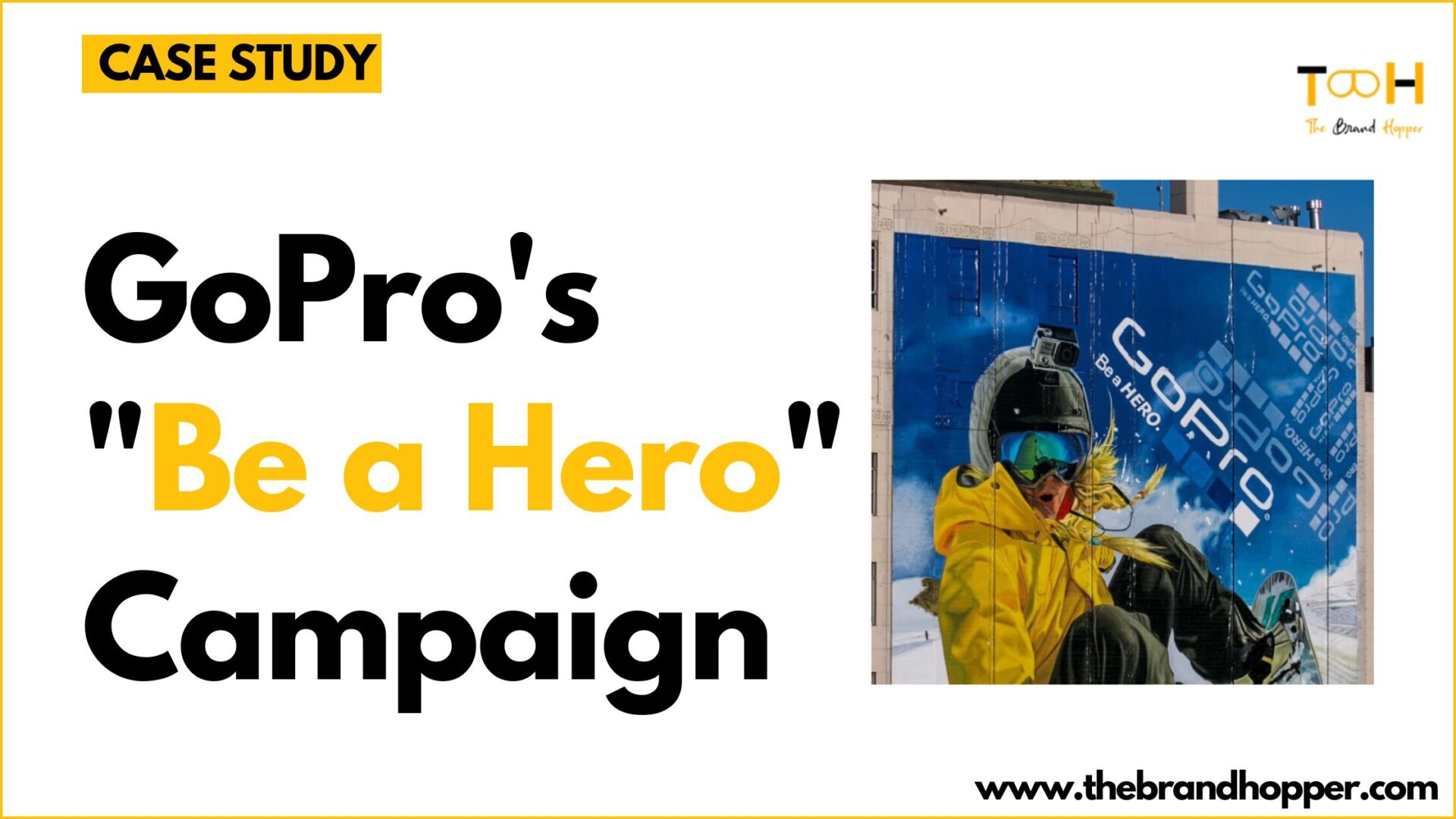
GoPro launched in 2002 to let everyday athletes film their own adventures. Its first camera was aptly named the HERO, and the slogan “Be a HERO” followed naturally – the camera was meant to make ordinary users look heroic in their action footage. In practice, GoPro’s marketing positions every customer as the hero of their own story.
For example, typical campaign visuals show users filming epic scenes. This aligns with founder Nick Woodman’s vision: to “capture close-up action shots that made the subject look like a hero.”
The “Be a Hero” campaign has always encouraged creativity and fun over extreme risk, inviting people to “just enjoy what you’re doing” while documenting it.
Origins and Tagline: From HERO Camera to “Be a Hero”
GoPro’s name comes from “go pro,” reflecting founder Nick Woodman’s dream of turning amateur surfers into professional-level filmmakers. After founding the company in 2002, Woodman named his first wearable 35mm camera HERO because its purpose was to make action shots look heroic.
As Woodman later explained, “‘Be a HERO’ came out of the name of our first product, the HERO Camera,” because the camera helped capture photos that made you look like “a HERO.”
This simple, bold tagline was designed to be universally inspiring and geographically transferable. It resonated with extreme sports enthusiasts at launch and proved just as effective for everyday users – a person using a GoPro to record a fun family outing or a cooking session could also feel like a hero of that experience.
Brand Message and Archetype
GoPro’s “Be a Hero” messaging aligns with the Hero brand archetype. It encourages consumers to “attack life full-on” and excel at whatever they do.
The campaign’s core values – experiencing the thrill and sharing it – are consistent across all media. GoPro stresses “meaningful experiences” and “sharing” in its mission, while the slogan “Be a Hero” invites everyone to join in.
The result is a strong, consistent identity: GoPro sells not just cameras, but the promise that anyone can capture their life in an epic way and feel heroic doing it.
Campaign Launch and Strategy
GoPro officially rolled out its “Be a Hero” campaign via integrated marketing in the early 2010s. A notable example (circa 2013) was a four-minute TV/internet spot showcasing the camera’s versatility. A Campaign India report explained: “How do you go about showcasing the world’s most versatile camera? Here’s how GoPro does it… but remember: you don’t have to ‘be a hero’ this work week… just enjoy what you’re doing”. This ad reinforces that being a hero means enjoying life’s moments, not necessarily doing life-threatening stunts.
Key elements of the campaign included:
-
Emotional storytelling – using real people and real adventures (e.g. a firefighter saving a life, a teacher taking students on a boat ride) to resonate with viewers.

-
High-impact visuals – adrenaline-filled stunts and beautiful travel footage highlight the camera’s image quality and go well with the heroic theme.
-
Consistency – the “Be a Hero” slogan appeared on all media (TV, YouTube, social channels), reinforcing a unified brand voice.
User-Generated Content & Community
A hallmark of the “Be a Hero” campaign has been its reliance on user-generated content (UGC). GoPro turned its customers into a content machine by encouraging them to submit videos and photos.
The company even launched GoPro Awards and contests around the hero theme. For example, a recent “Be a HERO” awards challenge invited users to share clips of positive, inspiring actions (community service, helping others, etc.) to illustrate everyday heroism. This UGC strategy served multiple purposes: it provided authentic, free content for marketing, it engaged customers deeply, and it made those customers feel like true brand heroes.
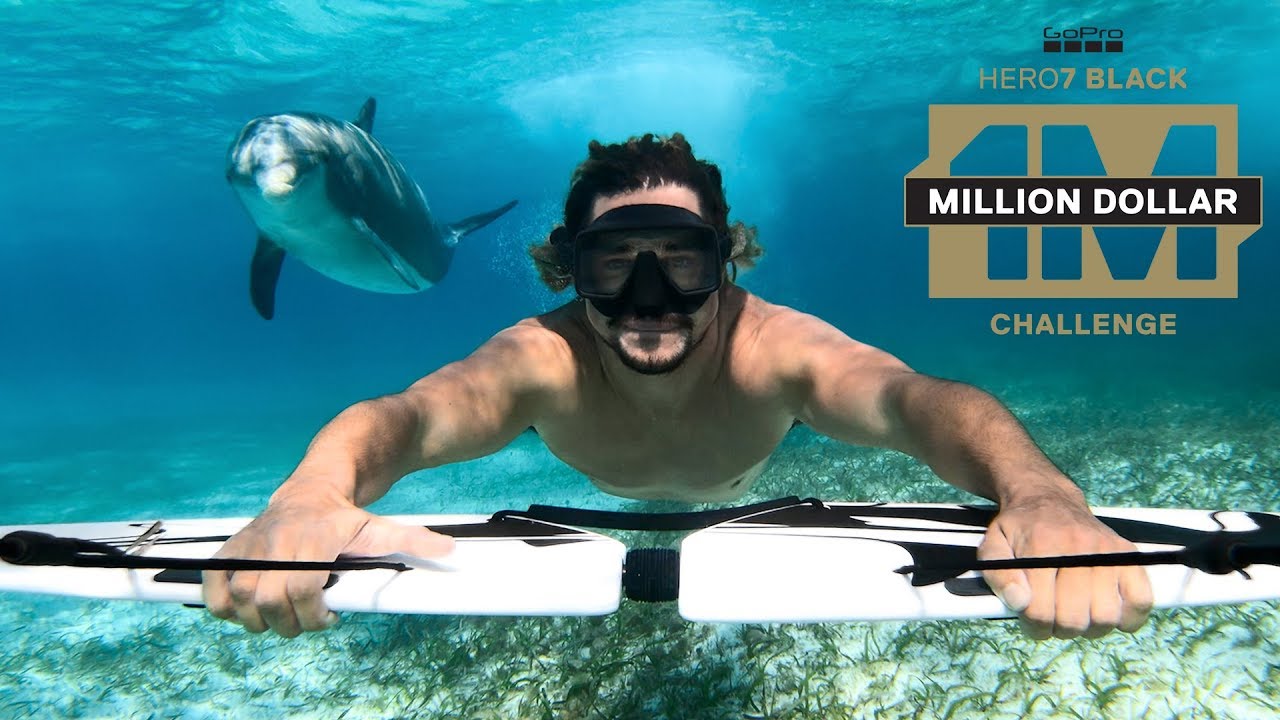
As one analysis notes, the “Be a HERO” campaign in particular “showcased everyday heroes, from firefighters to teachers, capturing their stories and the impact they make, all filmed on a GoPro.” This emotional storytelling ties directly to the slogan: it suggests anyone can do heroic things, and GoPro helps document them.
Platforms like Instagram (with #GoProHero), Facebook (Photo of the Day), and GoPro’s own website became hubs where fans shared their GoPro footage. The large volume of UGC also meant GoPro rarely had to produce costly ads – users were doing it for them.
In fact, GoPro’s very first marketing budgets were tiny: from 2010–2013 they spent under $200k per year on marketing, yet profits and social reach skyrocketed. The viral word-of-mouth effect was massive – GoPro’s Facebook page grew from 50,000 to over 1.3 million fans in 2011, and by 2021 GoPro dominated nearly 90% of the action-camera market.
Multi-Channel Execution
The “Be a Hero” campaign was executed across digital, social, and traditional channels in a coordinated way.
On the digital side, GoPro ran heavy social-media campaigns, YouTube ads, influencer partnerships (e.g. with Red Bull and pro athletes), and programmatic display ads. For example, one global initiative created 1,600 pieces of addressable content targeting different countries and interests. In fact, AdWeek praised GoPro’s programmatic strategy – it ran ads in 14 countries and nine languages, earning over 153 million impressions.
Outdoor and TV ads also featured the hero theme (often using UGC-style footage), while GoPro sponsored events (like the X Games) and placed content in sports media to reach core audiences.
This broad approach ensured the “Be a Hero” message was everywhere customers looked. According to GoPro’s advertising manager, they strove to inspire everyone to “live a full life and find new ways to capture and share their experiences”.
By aligning paid ads with organic UGC on social channels, GoPro maintained a seamless brand narrative: viewers would see the same heroic vibe whether watching a TV spot or browsing Instagram.
Impact and Results
The “Be a Hero” campaign proved extremely effective in building brand awareness and demand. Key results include:
-
Impressions and Reach: The 2017 “Hero5” campaign alone generated 153 million media impressions, with a $7 return for every $1 spent on advertising. More recently, a 2022 relaunch for the HERO11 Black delivered 127 million impressions in 24 hours via a PR/influencer blitz.
-
Sales Growth: By leveraging UGC, GoPro scaled revenue with minimal marketing spend. For instance, GoPro doubled profits to $24.6M in 2011 on just $65K marketing spend, and by 2013 it earned $60.6M revenue on a $157K budget.
-
Market Share: By consistently reinforcing the hero theme, GoPro cemented itself as the leader of the action-camera category. Founder Woodman claimed ~90% market share by 2011, and GoPro remained dominant even as smartphones encroached on casual video.
-
Community Growth: The campaign built a loyal community of enthusiasts. Social media followings grew into the millions, and GoPro videos often went viral. The brand’s user-focused approach created advocates who regularly shared GoPro content – effectively making customers part of GoPro’s marketing engine.
Evolution to the Present
From its launch, the “Be a Hero” campaign has evolved with the brand. While early ads centered on adrenaline sports, later marketing broadened to include travel, family, and everyday adventures – always with the same heroic undertone. During the COVID-19 pandemic, GoPro even repurposed the tagline for a social message: “Be a HERO. Stay Home.”, encouraging people to capture life’s smaller moments. In product marketing, GoPro has continued to reference the hero theme. For example, UK PR campaigns for the HERO11 and HERO12 still use “Be a Hero” as the campaign name, focusing on tech press and social influencers to reach new audiences.
Today, GoPro remains synonymous with point-of-view action cameras largely thanks to the success of the “Be a Hero” narrative. The campaign’s enduring strength lies in its emotional appeal and simplicity: anyone can become the hero of their own story by capturing the extraordinary in the ordinary. As GoPro continues to innovate (e.g. in mobile apps, subscription services, and new camera features), the legacy of “Be a Hero” provides a consistent rallying cry for the brand’s community.
Also Read: Case Study Analysis: Puma’s “Forever Faster” Campaign
To read more content like this, subscribe to our newsletter