Last Updated on January 12, 2026 by Team TBH
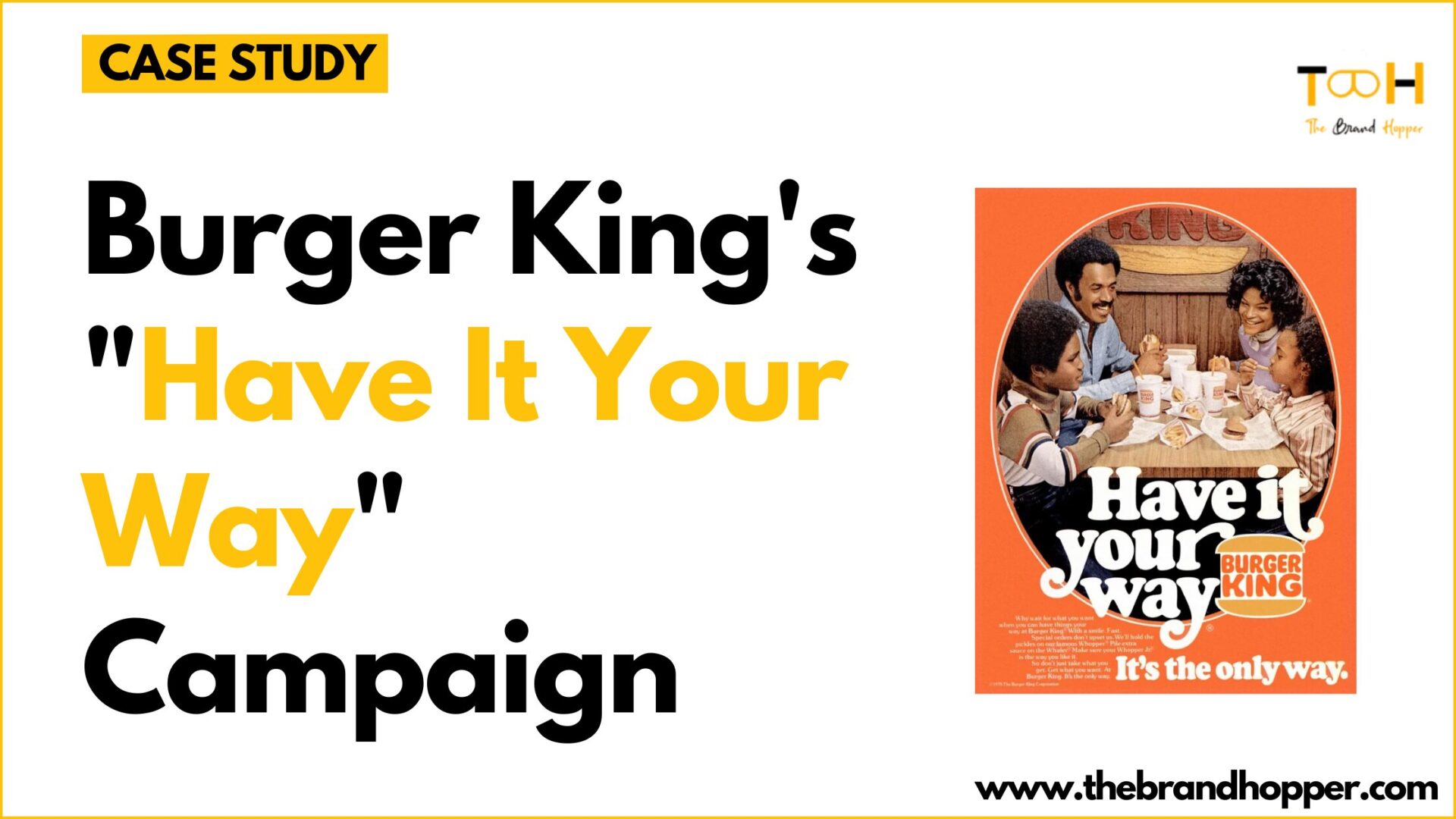
Burger King’s famous tagline “Have It Your Way” is one of the most iconic campaigns in fast-food history, encapsulating the brand’s promise of personalized service and customer empowerment.
Launched in the 1970s, this slogan has endured – evolving through decades of marketing shifts and even inspiring Burger King’s modern rebranding efforts.
In this case study, we’ll explore the origins of “Have It Your Way,” its impact on Burger King’s brand identity, how it changed over time (from the original 1970s jingle to the recent “You Rule” revival), and what lessons it offers in marketing and branding.
We’ll see how Burger King used this campaign to differentiate itself from rivals like McDonald’s, how the slogan was adapted or replaced in various eras, and why it ultimately remains a cornerstone of Burger King’s branding strategy.
Origins of “Have It Your Way” in the 1970s
In the early 1970s, Burger King was looking for a compelling way to stand out against its much larger competitor, McDonald’s. The solution came in 1974 with the introduction of the slogan “Have It Your Way.” Created by the advertising agency BBDO (hired by Burger King’s owner Pillsbury in 1968), the campaign positioned Burger King as the anti-McDonald’s – a place where customers could get exactly what they wanted on their burger, rather than accepting a standard, pre-made order. This concept was memorably delivered through a catchy jingle that employees sang in the TV commercials: “Hold the pickles, hold the lettuce; special orders don’t upset us. All we ask is that you let us serve it your way!”. The jingle’s lyrics underscored Burger King’s willingness to customize orders (e.g. no pickles or no lettuce upon request) at a time when competitors were known for a more “take it or leave it” approach.
The “Have It Your Way” campaign struck a chord with the public. It not only differentiated Burger King’s customer service philosophy, but also gave the brand a friendly, customer-centric personality. The upbeat and easy-to-remember jingle made the slogan stick in consumers’ minds – so much so that decades later, people who grew up in the 70s can still instantly recall the tune.
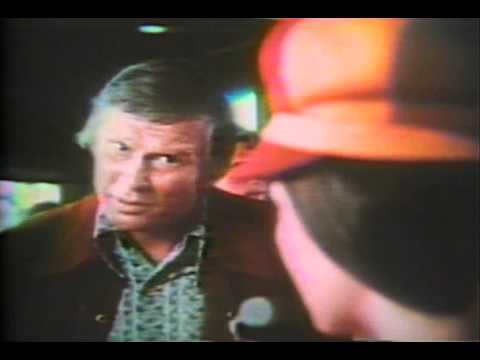
At the time of its launch, the campaign was a significant success: Burger King reported that ad awareness jumped by 50% thanks to “Have It Your Way”. The company even phased out its old mascot (“the Little King”) to focus on this new theme, extending the concept to kids’ advertising with lines like “All kids are different” and a character named “Pickle-less Nicholas” for a child who didn’t want pickles. All these efforts reinforced the message that Burger King cares about individual preferences – a refreshing idea in the 1970s fast-food landscape.
Strategically, Burger King’s flexibility became its brand identity. The slogan was a direct contrast to McDonald’s operations, which at the time were perceived as less accommodating of custom orders. As one retrospective noted, this “advertising strategy aimed to contrast Burger King’s flexibility with McDonald’s famous rigidity” in food prep and options. In essence, Burger King was telling customers: “Why settle for what’s on the menu, when you can get it exactly how you want it?” That empowering message helped Burger King define itself as a customer-first, service-oriented alternative in the “burger wars.” Not only did it improve brand recall, it also positioned the signature Whopper as a burger that could be personalized to taste – a key selling point in Burger King’s competitive marketing.
Impact and Cultural Significance
“Have It Your Way” quickly became more than just an ad slogan – it became Burger King’s brand mantra. Culturally, it entered the American lexicon as an expression synonymous with getting things exactly the way one wants. Throughout the late 1970s, Burger King leaned into the popularity of the campaign. The jingle’s cheerful portrayal of Burger King staff cheerfully accommodating custom orders gave the chain a friendly, welcoming image. It helped foster customer loyalty by implying a simple but powerful promise: the customer is boss at Burger King.
By championing choice and personalization, Burger King tapped into a broader social trend of the 1970s: individualism. In an era of rising consumer empowerment, the idea that a fast-food restaurant would bend to your wishes (even for “no pickles” or “extra onions”) resonated strongly. The campaign’s tone – with smiling employees singing and encouraging special requests – portrayed Burger King as a place that actually listens to customers. This not only boosted short-term sales but also solidified long-term brand affinity. Advertising historians often cite “Have It Your Way” as emblematic of the industry’s shift toward customer-centric marketing in the 1970s. In fact, Burger King’s slogan became one of the most recognizable in advertising, parodied and referenced in TV shows and pop culture for years to come (a testament to its fame).
Internally, “Have It Your Way” also defined Burger King’s business strategy. The company trained its staff and adjusted operations to fulfill the promise of customization. Unlike some competitors, Burger King was willing to prepare food to order (e.g. flame-broiling Whoppers and adding or omitting toppings per request). The slogan set an expectation that Burger King had to live up to in every restaurant: special orders shouldn’t “upset” us. This commitment helped Burger King cultivate a reputation for better customer service in the fast-food realm. It’s often noted that McDonald’s eventually adapted – by the late 1990s, McDonald’s introduced its “Made For You” kitchen system to allow more order customization, essentially validating Burger King’s original strategy. In that sense, “Have It Your Way” not only shaped Burger King’s brand, but also influenced the direction of the fast-food industry toward more customization.
Evolving the Slogan Through the 1980s and 1990s
As successful as “Have It Your Way” was, Burger King did not use the tagline exclusively and eternally without experimentation. In the late 1970s and through the 1980s, Burger King tried out new slogans and campaigns as management and advertising agencies changed. For a time around 1976–1977 (after BBDO was replaced), the company used the slogan “America’s Burger King” (as part of a campaign line “America loves burgers and we’re America’s Burger King”). In the early 1980s, Burger King waged comparative “burger wars” advertising with lines like “Battle of the Burgers” (directly comparing the Whopper to competitors’ burgers). While these campaigns kept Burger King in the spotlight, none achieved the iconic status of “Have It Your Way.” Throughout the 1980s, in fact, Burger King struggled to find equally resonant advertising. A famous misstep was the 1985 “Where’s Herb?” campaign (about a man who had never tried a Whopper) which flopped and had little impact on sales. Other taglines from the ’80s – “This is a Burger King town,” “Best Food for Fast Times,” “We do it like you do it” – came and went without much success.
Despite rotating through these slogans, Burger King never fully abandoned “Have It Your Way.” The phrase had become part of Burger King’s DNA and consumer expectations. In 1991, Burger King tried an updated twist with “Your Way, Right Away.” This slogan, used in a campaign called BK Tee Vee, aimed to convey not just customization but also speed – you get your meal made your way, without waiting. It was essentially an evolution of the original promise, adding the element of quick service (“right away”). By the late 1990s, as Burger King fought to reclaim market share, the company explicitly brought the famous phrase back into its advertising. A 1998 campaign used the slogan “When you have it your way, it just tastes better,” linking the customization concept to superior taste. Around 1999, some ads even used the line “Burger King: where you’re the boss!” – another way of expressing the “have it your way” ethos. These efforts show how strongly the company valued the core message of customer control. Even when trying new angles, Burger King often referenced or echoed “Have It Your Way” to leverage the slogan’s strong brand equity.
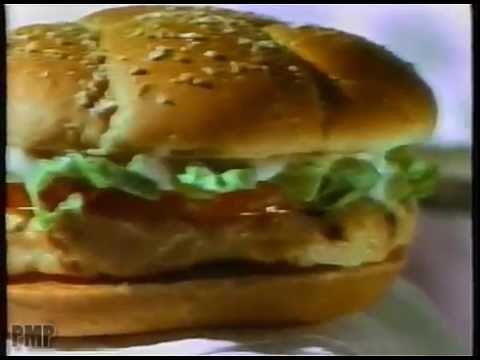
By the end of the 1990s, Burger King’s identity was firmly tied to the idea that the customer rules. The challenge, however, was consistency – unlike McDonald’s which found long-running taglines (such as “You Deserve a Break Today” in the ’70s or “I’m Lovin’ It” in the 2000s), Burger King kept tweaking its messaging. Some campaigns worked, others failed, but through it all “Have It Your Way” remained the unofficial consistent theme that the public associated with Burger King. In an Advertising Age retrospective, Burger King’s 1970s campaign was lauded for establishing a clear point of difference that many later campaigns tried to recapture.
“Have It Your Way” in the 2000s: Reinvented and Reimagined
The early 2000s brought major changes to Burger King’s marketing approach. After a period of slumping sales, Burger King hired the edgy Miami-based agency Crispin Porter + Bogusky (CP+B) in 2003. CP+B became famous for unconventional, viral marketing – and interestingly, they reinvigorated the “Have It Your Way” idea for a new generation. One of CP+B’s first moves was to redesign Burger King’s packaging and in-store materials to reconnect with the classic slogan. They created a tongue-in-cheek “Burger King Bill of Rights” printed on tray liners and cups, which humorously proclaimed customers’ rights to have their burger prepared their way The old tagline appeared prominently, reminding customers that, at Burger King, “Have It Your Way” was still the guiding principle. This was a clever way to use nostalgia and brand heritage to Burger King’s advantage, even as the advertising got more unconventional.
CP+B also reintroduced the Burger King mascot (“The King”) in surreal commercials, and launched a series of viral campaigns that tapped into pop culture. Notably, in 2004 Burger King rolled out the now-legendary “Subservient Chicken” web campaign – a bizarre interactive website where a man in a chicken suit would perform any command typed in by users. The concept behind this viral hit was directly tied to “Have It Your Way.” As the creative team explained, Burger King was introducing a new chicken sandwich and “their brand platform was ‘Have It Your Way.’” So they asked, what if you could have your chicken your way too? The result was Subservient Chicken, which literally let people tell a chicken how to behave, humorously demonstrating that “at BK, you can get chicken just the way you like it.” This quirky campaign was enormously effective – over 15 million people visited the site in just the first few days, generating huge buzz for Burger King. More importantly, it showed how Burger King’s core promise (customization and customer control) could be creatively extended beyond burgers and into modern digital marketing.
Throughout the mid-2000s, Burger King’s advertising (whether it was the creepy King handing out Whoppers in people’s beds, or Whopper Freakout hidden-camera stunts) often carried an undercurrent of “have it your way” – even if the slogan itself wasn’t always spoken. The brand cultivated an image of being a bit subversive, youth-oriented, and willing to “break the rules” (indeed one 2000s tagline was “Sometimes you gotta break the rules”). Yet, in-store and in its brand DNA, “Have It Your Way” remained the foundation. In fact, Burger King’s global Chief Marketing Officer at the time, Russ Klein, described the slogan as “the one constant…that represents the core of the brand.” It’s telling that even as Burger King targeted young men with edgy ads, it still printed “Have It Your Way” on every bag, cup, and wrapper – reinforcing that promise at every customer touchpoint.
By the end of the 2000s, Burger King’s bold marketing had raised its profile, but the company hit turbulence again during the late-2000s recession and was sold to a new owner (3G Capital). Under new leadership in the early 2010s, Burger King dialed back the outrageous campaigns and attempted to broaden its appeal. During this period, the “Have It Your Way” slogan, while still well-known, was not always front-and-center in advertising. Burger King experimented with product-focused taglines like “Taste is King.” However, the company realized that the emotional connection of its brand needed strengthening. This set the stage for a significant change in 2014.
Moving Beyond the Transaction: “Be Your Way” (2014)
In 2014, after 40 years of telling customers to have it their way, Burger King made a surprising move: it retired the slogan “Have It Your Way” – at least officially. The new tagline introduced was “Be Your Way.” Burger King announced that this change was meant to broaden the brand’s message beyond the literal act of ordering a burger. Whereas “Have It Your Way” was focused on the transaction (customizing your food), “Be Your Way” was about lifestyle and self-expression. As Burger King’s senior VP of global brand management, Fernando Machado, explained at the time, “‘Have It Your Way’ focuses on only the transaction – the ability to customize a burger. By contrast, ‘Be Your Way’ is about making a connection with a person’s greater lifestyle…we want to evolve from just the functional side to having a much stronger emotional appeal.”. In other words, Burger King was attempting to tell consumers: be yourself, be an individual – and Burger King is a part of that story. This mirrored a trend in marketing where brands aspire to stand for broader values or identity (similar to how Taco Bell was using “Live Más” or how Coca-Cola has often sold happiness, not just soda).
The “Be Your Way” campaign, developed with ad agency David (WPP), targeted a younger generation for whom personal identity and authenticity are key values. Burger King wanted to show that it understands its customers on a deeper level – encouraging them to “live how they want, anytime” and embrace imperfection and individuality. Some critics found the slogan grammatically odd or vague (“Be your way?”), but Burger King defended it as an intentional play on words conveying that it’s okay to just be you. It’s interesting to note that Machado also mentioned that Burger King hadn’t actively used “Have It Your Way” in its U.S. ads for some time by 2014 – the classic slogan had quietly taken a back seat, even if it was still on older signage or ingrained in public memory. Additionally, Burger King phased out the short-lived “Taste Is King” motto to unify messaging under the new theme.
“Be Your Way” ran in Burger King’s marketing for the next year or two (2014–2015), including in TV spots and digital content. It attempted to maintain a connection to Burger King’s heritage (individuality and choice) while pivoting to a more emotional, lifestyle-oriented branding. The company wanted to be seen as a brand that celebrates self-expression, not just one that makes customizable burgers. For example, one commercial under “Be Your Way” might show a montage of diverse customers being themselves in everyday life, ending with a Burger King meal – a noticeable shift from the product-centric ads of the past.
However, despite the noble aim of increasing emotional resonance, “Be Your Way” never achieved the fame or clarity of its predecessor. Many consumers remained more familiar with “Have It Your Way,” and some marketing analysts felt that Burger King was walking away from a tremendous asset in brand recognition. It wasn’t that the public rejected “Be Your Way” outright, but it didn’t stick in the cultural consciousness the way “Have It Your Way” did. By 2016, Burger King’s use of the “Be Your Way” slogan had faded, and the company’s advertising shifted focus to specific products (like the introduction of the Impossible Whopper) or quirky campaigns (like “Burn That Ad” or various stunts), usually without an overarching tagline. In effect, Burger King went without a strong tagline for a few years, aside from the continued underlying ethos of letting customers have what they want.
The Revival: “You Rule” and the Return to the Classic Jingle (2022–Present)
Fast-forward to the early 2020s, and Burger King found itself needing a major brand refresh. The company had fallen behind rivals in the U.S. – in fact, by 2021 Wendy’s surpassed Burger King as the #2 burger chain in America. Burger King’s leadership launched a sweeping turnaround plan in 2022 called “Reclaim the Flame,” which included a $400 million investment in advertising, restaurant remodels, and digital upgrades. A key component of this plan was to reinvigorate Burger King’s brand messaging to win back customers and reignite relevance. Recognizing the enduring power of its brand heritage, Burger King decided to dust off the old jingle and slogan that people still remembered fondly. In October 2022, Burger King unveiled a new campaign with a tagline “You Rule.” According to Burger King, “‘You Rule’ is the emotional articulation of ‘Have It Your Way’” – essentially a modern spin on the same idea. Rather than telling the customer to have it their way, Burger King is now directly telling the customer they rule (as in, they are kings/queens). The phrase plays off Burger King’s name and its familiar crown iconography, while still conveying that the customer is at the forefront of everything the brand does.
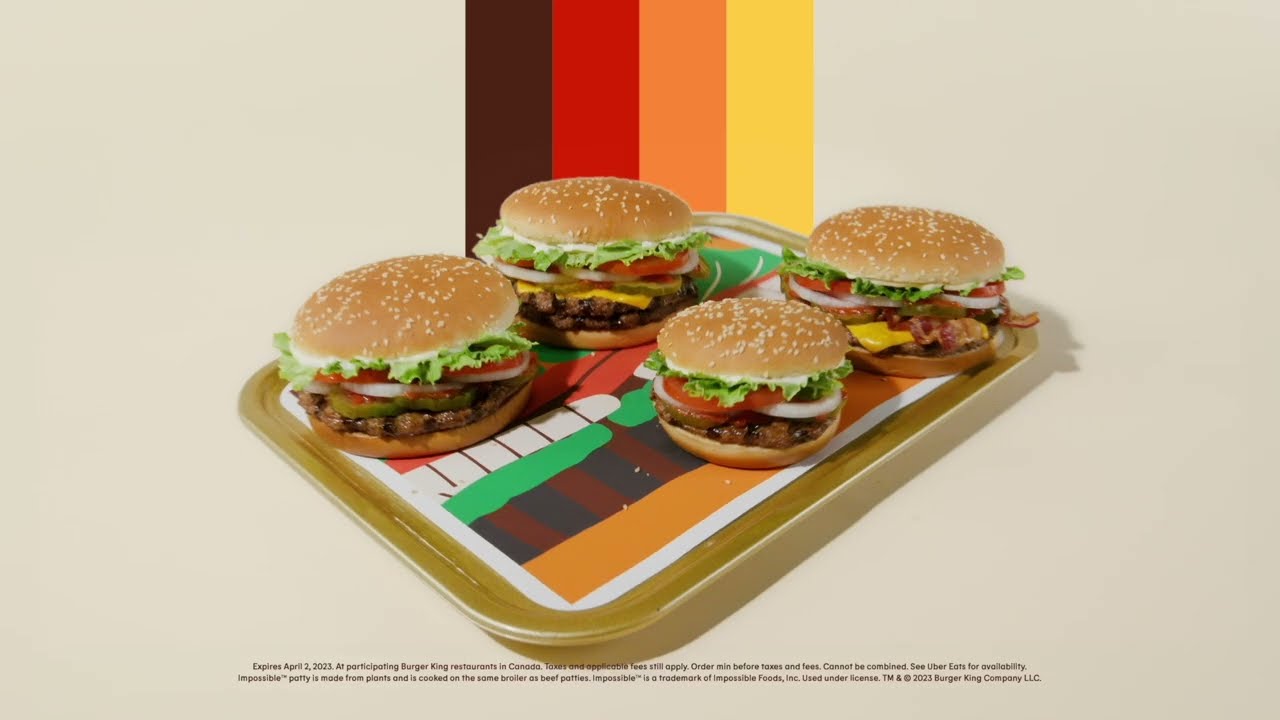
Crucially, the classic 1970s jingle was revived with a new twist. The campaign’s commercials feature a remixed version of the “Have It Your Way” jingle – updated with a modern beat and lyrics that incorporate the line “♪ … at BK, have it your way… You rule! ♪”. This melding of nostalgia and fresh energy hit the mark. The ads show everyday people (often young adults) enjoying Whoppers in their own style – whether biking with friends or goofing around at home – underscoring individuality and everyday celebration. As Burger King’s North America president Tom Curtis explained, the new campaign “embraces individuality, and elevates ‘Have It Your Way’ – something our brand has always been known for – beyond pure product customization.” It’s still about getting what you want at Burger King, but now it’s packaged as a feel-good acknowledgement: you, the customer, are royalty (“everyday royalty” as Burger King phrased it) in our restaurants.
This “You Rule” campaign is effectively a full-circle moment for Burger King’s branding. After years of various slogans, Burger King realized that its original promise is still its strongest: making the customer feel like a king. The reaction has been very positive. The jingle became an instant viral hit in late 2022 and early 2023, especially on social media. During the 2023 NFL playoffs, Burger King’s ads featuring the “Whopper, Whopper…” jingle (ending in “you rule!”) ran frequently, and the catchy tune blew up on TikTok and YouTube. It was an earworm that people couldn’t get out of their heads. Burger King even released the jingle on music streaming platforms – it garnered over 3 million streams on Spotify in a matter of months. The company saw this as a huge win in terms of re-engaging younger consumers. “The jingle’s fervent success was unanticipated,” admitted Tom Curtis, noting that it drew a lot of younger customers to Burger King and generated new buzz for the brand. In other words, by reviving a slice of 1970s nostalgia and giving it a fun Gen-Z-friendly twist, Burger King managed to become a talking point in 2023’s cultural zeitgeist – no small feat for a 69-year-old fast food chain.
From a business perspective, the early results of the “You Rule” campaign and the “Reclaim the Flame” initiative have been encouraging. By early 2023, Burger King reported an uptick in sales momentum – U.S. same-store sales growth turned positive after being flat, partly crediting the marketing refresh. In Q4 2022 (when the new ads launched), Burger King’s system-wide sales grew about 12% year-over-year a significant improvement. The company’s leadership specifically highlighted the “You Rule” marketing as a key driver, alongside menu innovations like the Whopper Melts. The campaign also helped rebuild brand favorability – lapsed customers were reminded of why they liked Burger King (for that flame-grilled, customized Whopper experience), and younger customers discovered the brand’s personality anew. The “You Rule” tagline, with its positive, customer-centric tone, has been rolled out across Burger King’s app, in-store signage, and even the iconic BK crown giveaway (those paper crowns handed to kids now reinforce the idea that every guest is a king or queen). Burger King and its franchisees are investing heavily to keep this messaging consistent and pervasive, as they view it as a return to what Burger King stands for at its best.
Conclusion
The “Have It Your Way” campaign’s journey from 1974 to today is a fascinating study in branding. It began as a simple idea – let the customer customize their meal – and grew into a brand philosophy that differentiated Burger King for decades. Even when Burger King strayed from the slogan or tried new messages, the essence of “Have It Your Way” was so strong that it kept resurfacing, eventually becoming the foundation of the brand’s resurgence. The case of Burger King shows the power of a consistent brand promise: customers value a clear, enduring message, especially one that makes them feel valued. “Have It Your Way” succeeded because it wasn’t just about hamburgers; it was about respecting individual preferences and giving people a sense of control (and a bit of fun) in their dining experience. That builds a emotional connection and loyalty that flashy one-off campaigns can’t easily achieve.
From a marketing expert’s perspective, Burger King’s campaign also illustrates the need to adapt and modernize a classic slogan without losing its core meaning. Burger King experimented – some efforts (like “Be Your Way”) fell flat, perhaps because they drifted too far from what people loved about the brand. In contrast, the current “You Rule” campaign works brilliantly because it amplifies the original promise in a contemporary way. It taps into nostalgia (bringing back a beloved jingle) while also speaking to today’s audience (celebrating the customer in a more direct, colloquial way). The result is authentic to Burger King’s heritage and fresh enough to feel new.
In summary, Burger King’s “Have It Your Way” brand campaign is a testament to the enduring power of putting the customer first – and meaning it. It carved out Burger King’s identity in the shadow of a larger competitor, carried the brand through ups and downs, and has proven to be the key to reigniting the brand in the modern era. As Burger King moves forward, the slogan reminds us that consistency and customer-centric branding, when done right, never go out of style. Burger King invited everyone to “have it your way” in 1974, and here we are in the 2020s – still singing along that at Burger King, you can “Have It Your Way!” – because you rule.
Also Read: Case Study Analysis: McDonald’s “You Deserve a Break Today”
To read more content like this, subscribe to our newsletter