Last Updated on January 17, 2026 by Team TBH
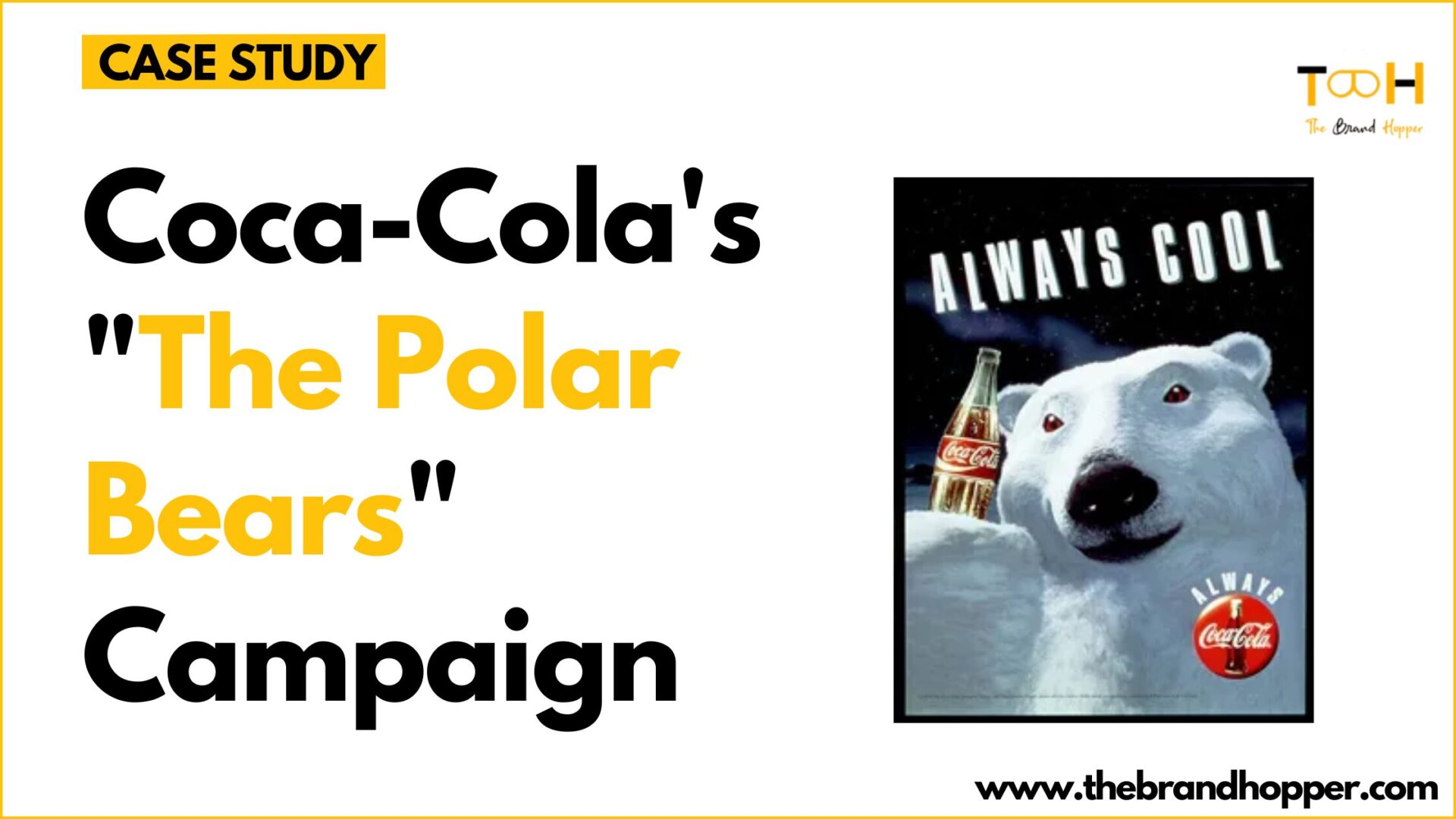
In 1993, The Coca-Cola Company launched one of its most iconic advertising campaigns – “The Polar Bears” – as part of the new “Always Coca-Cola” marketing push. This campaign introduced the world to animated polar bear characters that would become a beloved symbol of Coca-Cola’s brand, especially during the holiday season.
The following case study explores the campaign’s background, creative development, emotional appeal, production process, multi-channel distribution, public reception, business impact, and enduring legacy. It also highlights key lessons for marketers on brand storytelling and emotional branding around the holidays.
Background: Coca-Cola’s Brand and Holiday Marketing Legacy
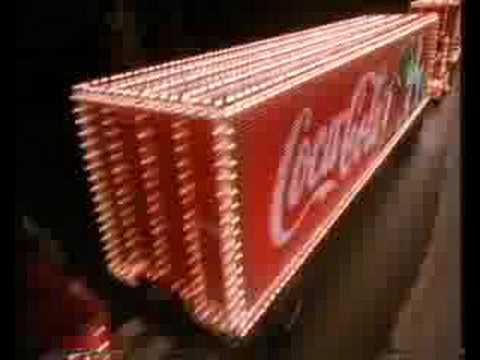
Coca-Cola has a rich legacy of holiday marketing, dating back to the early 20th century. The brand famously helped shape the modern image of Santa Claus through its 1930s advertisements – Coca-Cola commissioned artist Haddon Sundblom in 1931 to depict a wholesome, jovial Santa, an image that became instantly popular. For over three decades, Sundblom’s Santa paintings appeared every Christmas in Coca-Cola ads, firmly establishing the company’s association with Christmas nostalgia and cheer. These annual holiday campaigns, featuring Santa enjoying a Coke, fostered feelings of warmth, family, and tradition. By the late 20th century, Coca-Cola’s holiday advertising was not only a commercial tradition but a cultural one – from Santa Claus to jingling “Holidays are Coming” Coca-Cola trucks, the brand consistently aimed to evoke festive joy and togetherness.
Alongside Santa, polar bears have also been part of Coca-Cola’s advertising heritage – albeit in a more sporadic way – long before 1993. In fact, Coca-Cola’s first polar bear advertisement debuted as early as 1922 in France. This 1922 print ad depicted a friendly polar bear enjoying a Coke with the rising sun, symbolizing refreshment and coolness. Throughout the mid-20th century, polar bears appeared occasionally in Coca-Cola’s print ads, though they took a backseat during the 1960s and beyond. By the early 1990s, Coca-Cola had an extensive holiday marketing repertoire and a well of nostalgia to draw from. The stage was set for a new holiday icon to emerge – one that could complement the classic Santa imagery and resonate with a new generation.
Origin and Creative Development of the 1993 Polar Bears Campaign
By 1993, Coca-Cola was seeking fresh creative approaches to connect with audiences, especially youth, in a changing media landscape. The company embarked on the “Always Coca-Cola” campaign, an ambitious global marketing strategy that departed from its old one-size-fits-all approach. Coca-Cola turned to the Hollywood talent agency Creative Artists Agency (CAA) – led by Michael Ovitz – to infuse its advertising with Hollywood-style creativity and appeal. CAA’s plan for “Always Coca-Cola” was to produce a diverse set of ads (27 commercials in the initial wave) tailored to different audiences and interests. Crucially, this included experimenting with cutting-edge computer animation technology for the first time in Coke’s marketing.
One of these new commercials, “Northern Lights,” would introduce the Coca-Cola Polar Bears to the world. The concept for “Northern Lights” – and the polar bear characters – originated with Ken Stewart, the ad’s creator. Stewart drew inspiration from a personal, lighthearted source: his pet Labrador puppy. As a puppy, Stewart’s Lab resembled a fuzzy polar bear cub, which sparked an imaginative question – what if polar bears themselves were enjoying a Coca-Cola while watching a movie?. This whimsical thought led to the idea of polar bears gathering to watch the aurora borealis (the natural “Northern Lights” phenomenon) as if it were a movie in the sky – complete with bottles of Coke in paw. Stewart’s vision perfectly melded Coca-Cola’s themes of enjoyment and togetherness with an arctic, magical setting.
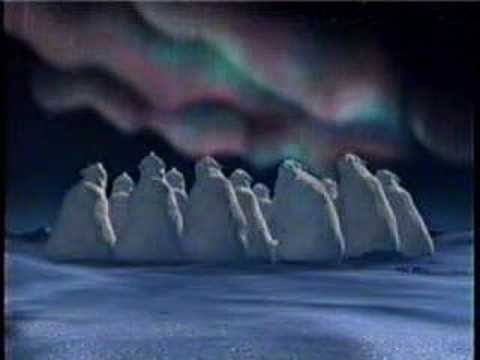
Stewart pitched the polar bear concept as an “innovative” commercial idea, and it quickly gained support. In developing the ad, Stewart worked with CAA and illustrator Eugene Yelchin to storyboard the entire 30-second spot. The storyboards depicted endearing white polar bears against a night sky, gazing up at shimmering northern lights, then cracking open classic glass Coke bottles. The imagery promised to be both heartwarming and technically groundbreaking – an ideal showcase for the “Always Coca-Cola” campaign’s creative ambition.
To bring the polar bears to life, Coca-Cola enlisted Los Angeles-based visual effects company Rhythm & Hues Studios, known for its pioneering computer animation work. Rhythm & Hues – with Ken Stewart overseeing – began the complex process of translating the storyboards into a fully animated commercial. This marked Coca-Cola’s first major use of CGI characters in advertising, a bold move at a time when computer animation was still in its infancy for commercials (remember, this was two years before Pixar’s Toy Story would revolutionize animated films). The choice to move forward with high-end animation demonstrated Coca-Cola’s willingness to invest in innovation to refresh its brand image. As one analysis noted, the “Always Coca-Cola” campaign’s success in branding the polar bears owes much to the company’s decision to embrace new technology and “try new things”, rather than playing it safe with traditional methods.
Conceptual Goals and Emotional Appeal of the Polar Bear Characters
The conceptual goal of Coca-Cola’s polar bear campaign was to create a new brand icon that could evoke strong emotions and universal appeal, especially during the holidays. The polar bears were designed to encapsulate qualities that would resonate with a broad audience – innocence, family-friendly warmth, and a sense of joyful mischief.
Emotionally, the polar bears tapped into the same vein of heartwarming nostalgia that Coca-Cola had long cultivated with its Santa ads, but with a fresh twist. By using animals instead of human actors or celebrities, Coca-Cola aimed for a timeless, family-friendly charm. Polar bears naturally connote winter and snow, making them apt for holiday-themed storytelling. Their gentle, cuddly depiction in the ads (far from real-life ferocious bears) signifies “wholesome, family, Coke-drinking fun,” as one commentary put it. Unlike a celebrity spokesperson who might fall out of favor, these animated bears carried no risks – they wouldn’t misbehave off-screen or lose public appeal. They were as pure and uncontroversial as the Arctic snow.
Visually, the polar bears were depicted with a soft, rounded design to maximize their cuteness and approachability. With their wide-eyed expressions and gentle smiles, the bears were essentially analogues for an excited audience – watching a “movie” in the sky just as families watch holiday movies together. The Northern Lights themselves cast a beautiful glow on the scene, adding to the magical atmosphere. Every element was crafted to give viewers “all the fuzzy feelings,” leveraging nostalgia and seasonal warmth. It’s no surprise that the aurora-watching polar bears quickly struck a chord, as they successfully blended Coca-Cola’s long-standing themes of happiness, togetherness, and refreshment into an emotionally captivating new symbol.
Distribution Channels: TV, Cinema, Packaging, and Merchandising
The “Northern Lights” polar bear commercial first aired in late 1993, strategically timed for the holiday season. Its primary channel was television, where it ran in rotation in the U.S. and in many international markets as part of the global “Always Coca-Cola” campaign. The ad’s cinematic quality also made it suitable for cinema advertising – Coca-Cola reportedly screened the polar bear spot in movie theaters, which was fitting given the bears in the ad are “at the movies” themselves. By presenting the ad on the big screen and on TV, Coca-Cola ensured wide exposure and capitalized on the ad’s visual splendor.
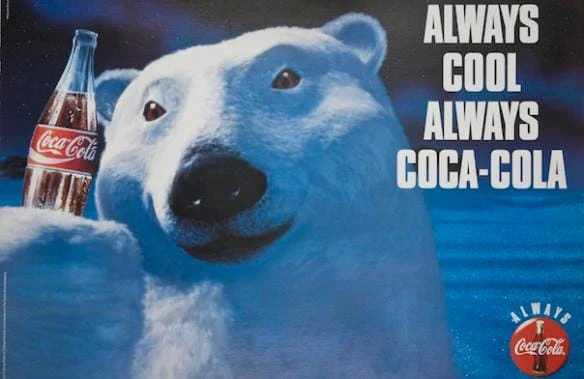
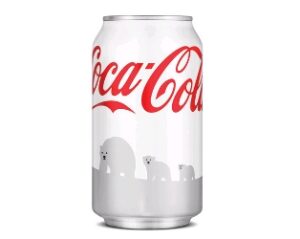
In retail settings, Coca-Cola extended the polar bear imagery to product packaging and point-of-sale materials, further distributing the campaign’s presence. Special edition holiday packaging featured the polar bears to catch shoppers’ eyes – for example, in later years Coca-Cola printed polar bear family scenes on seasonal cans and bottles. (One notable instance was a limited-edition white Coke can in winter 2011 featuring polar bear silhouettes as part of a conservation partnership. While that particular white can was short-lived due to consumer confusion with Diet Coke cans, Coca-Cola continued to use polar bear graphics on its traditional red holiday cans and packaging, showing the bears playfully enjoying Coke in a snowy backdrop.) These packaging tie-ins reinforced the campaign’s theme right at the point of consumption, reminding buyers of the charming Arctic characters every time they picked up a Coke.
Coca-Cola also leveraged merchandising and promotional giveaways to amplify the polar bear campaign. The lovable characters spurred an avalanche of merchandise – everything from plush polar bear toys to collectibles adorned with Coke bottles. The company licensed and produced items such as stuffed animals, Christmas ornaments, figurines, snow globes, and even novelty items like polar bear-shaped lava lamps and telephone sets, all featuring the Coca-Cola polar bears or logo. Consumers could purchase these or receive them as promotional rewards, effectively turning the campaign into a mini retail brand of its own. In 1993–94, Coca-Cola even offered polar bear premiums and contests – for instance, some promotions allowed fans to win polar bear plushies or collectible items, capitalizing on the characters’ popularity.
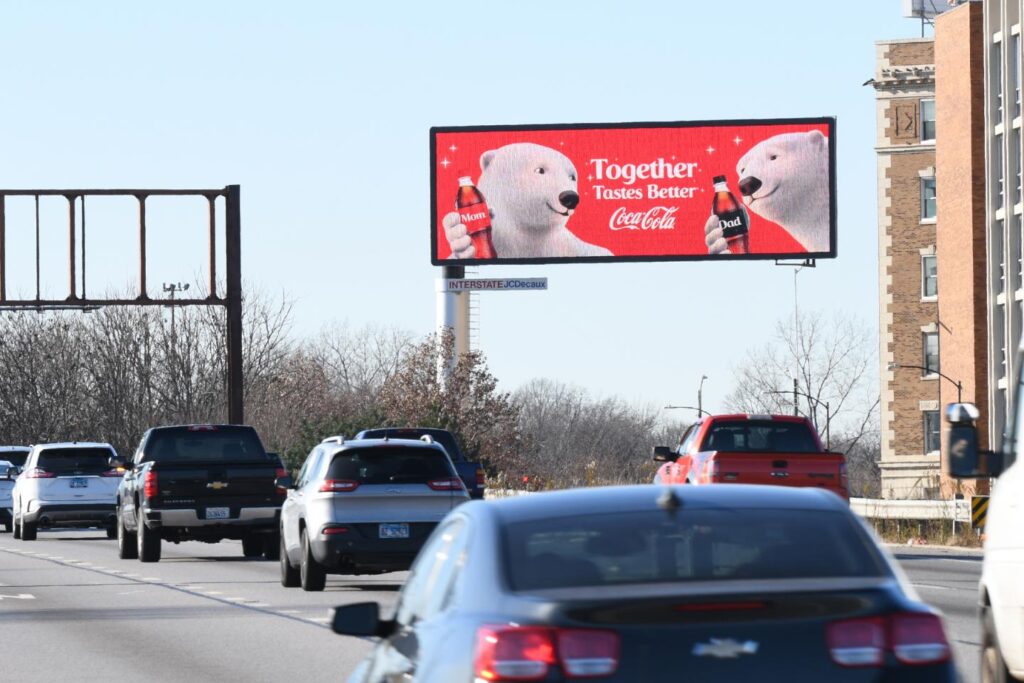
Beyond physical goods, the polar bears appeared on billboards and print ads as part of the extended campaign. Todd Shifflett recalled seeing them on billboards, indicating that Coca-Cola created still-image adaptations of the bears for outdoor advertising. The consistency of seeing the polar bears across multiple channels – TV, cinema, packaging, in-store displays, merchandise, and outdoor media – made them inescapable during the campaign’s peak. This omnipresence built strong memory associations. In essence, Coca-Cola turned the polar bears into seasonal brand mascots, akin to how it had long used Santa. The broad distribution ensured that the polar bears became a cultural touchpoint of the 1993 holiday season, rather than just another commercial.
Reception, Cultural Impact, and Audience Response
Upon release, Coca-Cola’s polar bear commercial was met with overwhelmingly positive audience response. The polar bears were “an immediate hit with viewers,” according to Coca-Cola’s own historical account. People found the ad adorable, memorable, and refreshingly different from typical soft drink commercials. The absence of dialogue and the heartwarming visuals made “Northern Lights” stand out. In fact, the spot was so popular that Coca-Cola quickly ordered sequel ads – the bears would return in two commercials during the 1994 Winter Olympic Games broadcast (one featuring a bear gracefully sliding down a luge, another soaring off a ski jump). These follow-up ads continued the bears’ adventures and further endeared them to the public. The campaign also introduced bear cub characters in later holiday ads (e.g. a touching spot where a parent bear and cub find a Christmas tree), adding a familial element that audiences loved.
Culturally, the Coca-Cola polar bears quickly ascended to iconic status. By the end of 1994, the polar bear commercials were acclaimed as some of the most popular TV ads of the year. Industry observers noted that the polar bears had essentially become the “spokes-characters” of Coca-Cola’s new image – as recognizable as any celebrity endorser, yet purely a creation of the brand. The campaign won critical praise too: the original “Northern Lights” commercial was featured in the Museum of Modern Art’s 1994 exhibition of best TV commercials (The Art and Technique of the American Television Commercial). It also later earned the polar bears a place in the Madison Avenue Advertising Walk of Fame in 2011, recognizing them as advertising icons on par with past Coke legends like the Contour bottle and Santa.
One reason for this cultural impact was how universally appealing the polar bears were. Children and adults alike could enjoy the ad. The bears transcended language and nationality, which was vital since Coca-Cola ran the campaign globally. Surveys in 1993 reported extremely high ad recall for the polar bear commercial, especially among young viewers. Kids in particular were enchanted by the “cool” (literally and figuratively) polar bears. Coca-Cola even briefly explored the idea of turning the animated polar bears into a TV series, shopping the concept around to studios given the characters’ immense popularity. While a full series didn’t materialize, the company did secure deals for polar bear toys, collectibles, and promotional tie-ins, as mentioned earlier, which further cemented the bears in 90s pop culture.
The imagery from the campaign – polar bears sipping Coca-Cola under the Northern Lights – became an enduring part of holiday pop culture. Even years later, many look back on the 90s Coke polar bear ads with nostalgia. The phrase “Always Coca-Cola” and the image of a polar bear with a Coke bottle now evoke a sense of 90s holiday nostalgia for countless consumers. In sum, the campaign didn’t just sell soda – it created characters that people wanted to interact with, whether through merchandise or simply by eagerly awaiting the next commercial. The polar bears essentially joined Santa Claus in Coca-Cola’s pantheon of holiday brand icons.
Brand Performance: Sales Impact and Business Metrics
From a business perspective, Coca-Cola’s Polar Bears campaign had a notable impact on brand metrics, though its effect on short-term sales came with some lessons. In the immediate term, the “Always Coca-Cola” campaign (with the polar bears as its star attraction) succeeded in boosting public awareness and positive perception of Coca-Cola. Coca-Cola’s own 1993 annual report credited the campaign’s success with helping fuel volume growth that year. The lovable polar bears made Coca-Cola seem “hip” and rejuvenated, especially to younger audiences, which was a key objective as the brand was fending off competition from Pepsi in the youth market.
However, early surveys showed a disconnect between ad recall and immediate purchase behavior. Consumers remembered the polar bear ads at very high rates (demonstrating strong brand recall and ad retention), but this didn’t instantly translate into more Coke being bought. In fact, one report noted that while the campaign achieved extraordinarily high recall, many viewers didn’t mention Coca-Cola’s product specifically in their recall – they remembered the polar bears more than the soda. Pepsi, with its flashy ads featuring Shaquille O’Neal at the time, still maintained slightly higher overall ad recall in some surveys. This prompted some internal concern at Coca-Cola that the campaign, though beloved, wasn’t directly driving enough short-term sales lifts.
In response, Coca-Cola made some adjustments: they continued the polar bears (given their clear popularity) but also broadened the campaign in 1994 with even more variants (ordering 30 new commercials for the following year). Marketing leadership was shaken up – the executive who launched “Always Coca-Cola,” Peter Sealey, was replaced in mid-1993 by the returning chief marketing officer, Sergio Zyman. Zyman’s more hard-nosed approach to marketing emphasized that advertising needed to ultimately sell product, not just entertain. Under his guidance, Coca-Cola stuck with the multi-ad strategy but made sure to integrate the polar bear icons into a broader, sales-focused plan. It appears this balance paid off: by the end of 1994, Coca-Cola’s U.S. soft drink market share and sales were on the rise, and globally the company hit record sales volumes (with international unit case sales reaching 6.8 billion cases in 1994, a big jump credited partly to robust marketing spend).
Moreover, the polar bear campaign had a lasting brand equity impact that is harder to quantify but immensely valuable. The polar bears strengthened Coca-Cola’s brand associations with happiness, family, and holidays – intangible assets that keep consumers loyal over time. Coca-Cola found that what the polar bears may not have done in immediate sales, they made up for in brand love and differentiation. Advertising industry rankings at the end of 1994 placed the polar bears as the top ads of the year, indicating that Coca-Cola won the “mindshare” battle. Over subsequent years, every time the polar bears reappeared in winter campaigns, they likely gave Coca-Cola a seasonal boost in visibility and goodwill. In essence, the campaign built an annuity of goodwill that Coca-Cola could tap into each holiday season.
It’s also worth noting that Coca-Cola used the polar bears’ popularity to further cause marketing and PR in later years. For example, in 2007 Coca-Cola partnered with the World Wildlife Fund to use the polar bear as a symbol for Arctic habitat conservation, and in 2011 the brand’s polar bear cans helped raise awareness (even if that particular execution had packaging hiccups). These efforts may not directly drive sales, but they bolster corporate image – an indirect yet important metric.
Long-Term Legacy and Use in Future Campaigns
The legacy of Coca-Cola’s 1993 Polar Bears campaign is profound – the polar bears became permanent fixtures of Coca-Cola’s brand identity. What started as one commercial blossomed into a continuing cast of characters that the company could reintroduce and reinvent for years to come. Throughout the 1990s, the polar bears returned frequently in Coca-Cola’s winter and holiday advertising. As mentioned, they starred in Olympic-themed ads in 1994, and by 1997 they were making appearances in international markets far from their Arctic home (e.g. Coca-Cola ran polar bear ads in Eastern Europe as it expanded into new markets). This global reach showed the bears’ appeal was truly universal – a polar bear chugging a Coke needed no translation and symbolized fun and refreshment across cultures.
Going into the 2000s, Coca-Cola continued to feature the polar bears in holiday campaigns, often alongside or in alternation with the traditional Santa imagery. The brand found clever ways to keep the bears “fresh”. For example, in some later commercials the polar bears interact with Santa Claus himself, essentially uniting Coca-Cola’s two holiday mascots in one universe. In others, the bears engage in contemporary activities (snowboarding, trimming a Christmas tree, etc.), always with a Coca-Cola nearby. The advancement of animation technology over time allowed the bears to become more expressive and lifelike – by the 2010s, their fur looked fluffier and their faces more emotive than the relatively simple 1993 versions. Yet, Coca-Cola was careful to maintain the signature look and spirit of the polar bears. Consistency was key to preserving their identity: they remained the friendly white bears who love Coca-Cola and love each other’s company.
One of the most notable legacy moments came in 2012, when Coca-Cola released an animated short film titled “The Polar Bears.” This six-minute film, produced by Ridley Scott and directed by John Stevenson (of Kung Fu Panda fame), gave the Coca-Cola bears a longer narrative format. The short film portrayed a polar bear family (including a rebellious teenage cub) in a heartwarming adventure, naturally punctuated by Coke-drinking and family bonding. By investing in a mini-movie, Coca-Cola signaled just how iconic the bears had become – essentially characters that could carry their own story. The film was made available online and as part of Coca-Cola’s promotional content, extending the bears’ lore and engaging audiences on a deeper level than a 30-second spot could. It also tied into environmental messaging, as Coca-Cola concurrently used the bears to bring attention to polar bear habitat conservation (leveraging the bears as ambassadors for the World Wildlife Fund partnership).
Even outside of commercials, the polar bear is a brand ambassador for Coca-Cola. At the World of Coca-Cola museum in Atlanta, a life-sized Coca-Cola Polar Bear mascot greets visitors for photos, underlining the character’s enduring popularity. The Coke Store sells polar bear-themed apparel and collectibles year-round. During the holiday season, retail displays often feature polar bear cutouts or plushes alongside Coca-Cola products. In social media and digital marketing, Coca-Cola regularly incorporates the polar bears for seasonal content. In essence, the polar bears evolved from a single campaign into a brand property unto themselves.
As a result of this sustained presence, entire generations have grown up with Coca-Cola’s polar bears as a familiar symbol each winter. Ask many people to name Coca-Cola Christmas images, and alongside Santa, they’ll mention the polar bears. Notably, Coca-Cola has sometimes opted to downplay Santa in favor of the bears in certain years or markets – recognizing that the white bears on a red background are almost as effective at eliciting that warm Christmas feeling. The campaign also arguably influenced other brands and pop culture; it set a precedent for using CGI animals in emotional storytelling (many ads since have tried similar approaches, though few have matched Coke’s success in this arena).
However, the legacy is not without its ironies. As the Arctic polar bear became an icon of climate change awareness in the 2000s and 2010s, Coca-Cola at times faced questions about using an endangered species imagery to sell soda. This even inspired a 2014 New Yorker article titled “Should the Polar Bear Still Sell Coca-Cola?” questioning the practice. Coca-Cola’s response was to support conservation efforts (as noted) and carefully manage the polar bear’s image in a respectful way. The overall public sentiment, though, remains that the Coke polar bears are a cherished piece of holiday nostalgia and brand history.
Today, more than 30 years since their debut, the Coca-Cola polar bears are still going strong. They continue to appear in Coca-Cola’s winter advertisements and on seasonal packaging in many regions. Their design has been subtly updated for modern campaigns (sometimes appearing in CGI, sometimes in 2D illustrations, depending on the campaign). But their core appeal – family, joy, togetherness – endures. As Coca-Cola puts it, the polar bear embodies “the spirit of joy and togetherness that Coca-Cola represents” during the holidays. Few advertising characters have that kind of longevity. In short, the 1993 campaign not only accomplished its immediate goals, but created a lasting brand asset that Coca-Cola has leveraged for decades.
In conclusion, Coca-Cola’s 1993 Polar Bears campaign is a masterclass in brand storytelling that balances innovation with nostalgia. It created emotional appeal without words, introduced a lovable icon that reinforced the brand’s image, and leveraged multi-channel marketing to embed that icon in popular culture. The campaign’s success and longevity show that when a brand strikes the right chord – emotionally and creatively – the payoff can last far beyond a single advertisement. For students of marketing and casual readers alike, the Coca-Cola polar bears exemplify how a well-told brand story (especially around the holidays) can become the stuff of marketing legend, delighting audiences and strengthening brand equity for generations.
Also Read: Case Study Analysis: Coca-Cola’s “Taste the Feeling” Campaign
Also Read: Case Study Analysis: Coca-Cola’s “Open Happiness” Campaign
To read more content like this, subscribe to our newsletter