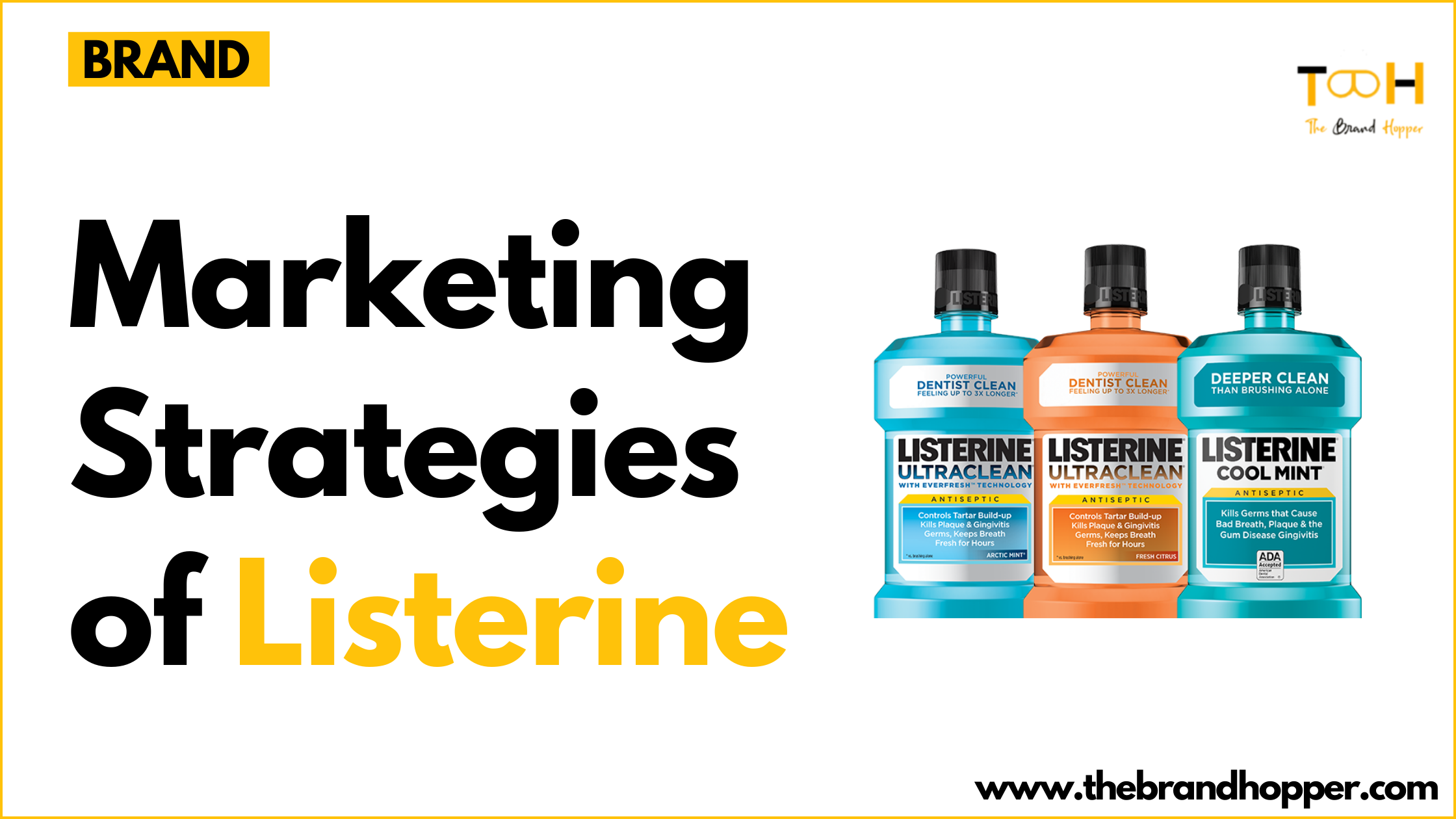
Listerine is one of the world’s most recognized oral care brands, with a legacy spanning over a century. Originally formulated in 1879 as a surgical antiseptic, Listerine was named in honor of Dr. Joseph Lister – the pioneer of antiseptic surgery. The product found its true calling in oral care by the early 20th century, becoming the first over-the-counter mouthwash in the United States by 1914. Today, Listerine is the #1 global mouthwash brand and the #1 dentist-recommended mouthwash in the U.S., sold in over 80 countries and embedded in millions of consumers’ daily routines.
What truly sets Listerine apart is its groundbreaking marketing history. Listerine didn’t just market a mouthwash – it created a need for mouthwash through ingenious (and at times aggressive) campaigns. Marketing lore often cites Listerine’s early advertising as the masterclass in transforming a mundane product into a household necessity. From coining the term “halitosis” to highlight a problem people didn’t realize they had, to repositioning the brand for a modern lifestyle audience, Listerine’s strategies have continually evolved. Over the decades, the brand built a narrative around hygiene, health, and confidence, making Listerine synonymous with feeling clean and self-assured.
In this article, we will explore key marketing strategies that Listerine has employed, each illustrated with examples from past and present campaigns. These range from the early fear-based appeals that skyrocketed Listerine to fame, to contemporary digital campaigns that engage new generations of consumers. Let’s delve into the top strategies behind Listerine’s marketing success.
Top Marketing Strategies of Listerine
1. Inventing the Problem: The Halitosis Campaign
One of Listerine’s most famous marketing strategies was its early 1920s campaign that essentially invented a problem for the product to solve. At the time, mouthwash was not a household staple – Listerine had been marketed for assorted uses (from floor cleaner to dandruff remedy) with “unspectacular” sales. The turning point came when the company zeroed in on a single issue: halitosis, a clinical-sounding term for bad breath. By popularizing this obscure term (borrowed from a 19th-century medical text) and framing halitosis as an urgent social ill, Listerine created a sense of fear and embarrassment around bad breath. Suddenly, consumers were made aware that they might be suffering from “halitosis” – a condition they’d never heard of – and that Listerine was the effective cure.
The advertising of this era pulled no punches in using fear appeal. One famous ad featured a story of a young woman named Edna who was “always a bridesmaid, never a bride” due to her halitosis, which no one would tell her about. Another blunt slogan declared “Halitosis makes you unpopular,” warning that friends may tolerate your bad breath only for so long. Such ads tapped into deep social anxieties – the fear of personal defect leading to social rejection or missed opportunities. By positioning Listerine as the only reliable solution to this mortifying problem, the campaign spurred consumers to take action. The results were staggering: Listerine’s annual sales reportedly leapt from about $100,000 in 1921 to over $4 million by 1927. In other words, within a few years of the halitosis-focused strategy, sales increased nearly forty-fold, cementing Listerine’s place in bathroom cabinets across America.
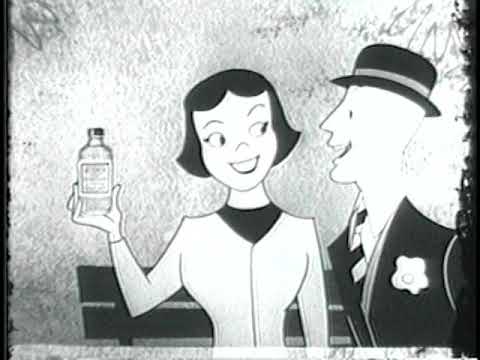
This “problem-solution” marketing strategy not only drove revenue but also had a lasting cultural impact. The very phrase “always a bridesmaid, never a bride” entered the popular lexicon via Listerine’s ads. More importantly, Listerine normalized the idea that daily mouthwash use was essential for social acceptability and personal confidence. It was a pioneering example of using persuasive storytelling and fear-based messaging to change consumer behavior – a tactic that has been emulated in various forms by marketers ever since. Listerine’s halitosis campaign demonstrates how identifying (or creating) a compelling consumer problem, then presenting your product as the definitive solution, can explode demand and even change societal norms.
2. Selling Confidence and Cleanliness as a Lifestyle
Beyond instilling fear of bad breath, Listerine’s marketing has long focused on selling the outcome of using the product – namely, confidence, cleanliness, and modern hygiene. The brand positioned itself not just as a medicine for bad breath, but as a symbol of freshness and social confidence. Early on, once people were aware of halitosis, Listerine’s ads began reinforcing positive messages: using Listerine meant you were clean, attractive, and responsible. For example, 1930s and 1940s campaigns often featured health professionals or stylish individuals extolling the virtues of a “Listerine-clean mouth.” By mid-century, Listerine leaned into the idea that its strong, germ-killing formula conferred extra reassurance. The tagline “Kills germs that cause bad breath” became a mainstay, and even the product’s harsh taste was spun as proof of its efficacy – “the taste you hate, twice a day,” as one wry slogan went, implying that enduring the zing was worth the confidence of truly clean breath.
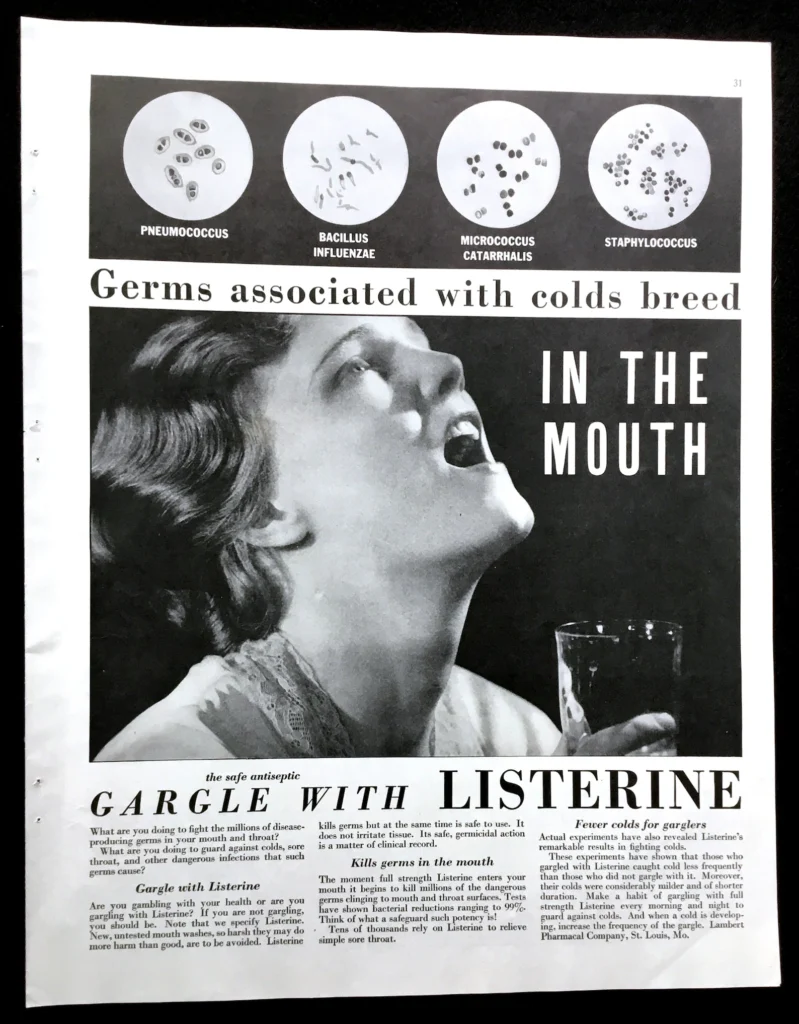
This approach highlights how Listerine consistently tied its product to social desirability and self-assurance. The narrative in such ads was clear: by using Listerine, you weren’t just avoiding embarrassment; you were gaining a boost in charisma and personal poise. Over decades, this messaging evolved but remained centered on confidence. As one retrospective noted, Listerine “sold an idea – the idea of feeling confident and clean,” making the brand experience about personal empowerment as much as about oral health.
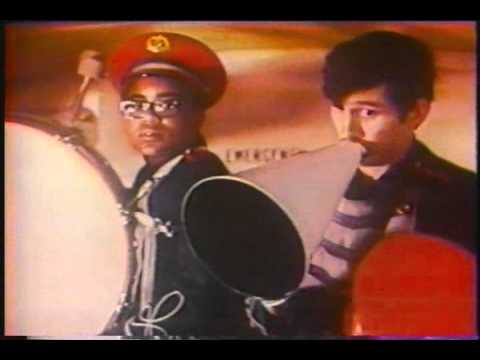
The lifestyle angle of confidence was reinforced through storytelling in marketing. Listerine’s brand communication often featured everyday scenarios (a date, a job interview, a social gathering) where fresh breath could make or break one’s confidence. By consistently associating Listerine with success in these moments, the brand became linked to personal well-being and modern etiquette. In the late 20th century, Listerine even introduced more lighthearted, humorous ads (like the “knock ’em dead” example above) to keep the tone relatable while still underscoring the core message: a clean mouth brings confidence and social advantage. This strategy of selling a lifestyle benefit – confidence – rather than just a functional benefit helped Listerine remain culturally relevant. It elevated mouthwash from a trivial hygiene product to an essential tool for anyone aspiring to be their best self. To this day, Listerine’s marketing emphasizes that using the rinse is not a step to skip if you want to feel truly clean, healthy, and confident as you face the world
3. Continuous Product Innovation and Line Extensions
While its core antiseptic formula remained iconic, Listerine has not relied on a one-size-fits-all product strategy. A key marketing move has been continuous product innovation – introducing new variants, flavors, and formulations to attract a wider range of consumers and address various needs. As consumer preferences evolved, Listerine expanded beyond the classic amber antiseptic in several notable ways. For instance, in 1992 the brand launched Listerine Cool Mint, a milder, mint-flavored version that quickly became popular. This was followed by other flavors like FreshBurst (green), Citrus, and even a less intense Vanilla Mint, providing options for those who found the original taste too strong. By 2006, responding to consumers who disliked the burning sensation of the alcohol-based formula, Listerine introduced an alcohol-free variant (often marketed as Listerine Zero) with a gentler taste. These innovations showed an awareness that taste and intensity were barriers for some users, and addressing those barriers could bring new users into the fold.
In addition to flavors, Listerine has rolled out specialized formulations targeting specific oral care goals. Today there are Listerine mouthwashes for gum health (e.g., Listerine Gum Therapy), for teeth whitening, for tartar control, and all-in-one “Total Care” solutions. Each new product is backed by marketing that highlights the added benefit: for example, Listerine Healthy White was promoted in Asia with the “Bring Out The Bold with Healthy White” campaign to reframe whitening rinse as a confidence booster in social settings. The brand’s ability to find niches – whether it’s a less intense rinse for kids or a quick-dissolving Listerine PocketPaks breath strip for on-the-go freshness – has expanded its consumer base. Every line extension is an opportunity to market the brand to someone new or to encourage existing customers to add another Listerine product to their regimen.

Packaging and format innovations also played a role. For nearly a century Listerine came in glass bottles, but in 1994 the switch to plastic bottles made the product more convenient and safe in bathrooms. The brand has experimented with sizes too – from large economy bottles to pocket-sized trial bottles – often marketing smaller bottles as travel-friendly or perfect for office/handbag use. By continually updating its product lineup, Listerine’s marketing stays fresh. Campaigns for a new flavor or formula often emphasize that there’s a Listerine for everyone: whether you “can’t handle the sting” of the original or you need extra help fighting plaque, the brand likely has a tailored solution. This strategy not only drives incremental sales, but also reinforces Listerine’s image as an innovator and category leader. In the words of the company, Listerine’s offerings have “found a permanent place in millions of bathrooms and medicine cabinets around the world” by catering to diverse tastes and needs.
4. Emphasizing Scientific Efficacy and Health Benefits
A core pillar of Listerine’s marketing is scientific credibility. The brand consistently anchors its messaging in clinical proof, positioning itself not just as a fresh-breath solution but as a preventive oral health product. Claims like “kills 99.9% of germs that cause bad breath, plaque, and gingivitis” and campaigns highlighting plaque reduction and gum health reinforce Listerine as an essential part of daily oral care—not an optional add-on.
Listerine strengthens this trust by aligning closely with dental professionals. It promotes dentist recommendations, professional programs like the 21-Day Challenge, and clinical endorsements to encourage habit formation and long-term use. This strategy reframes mouthwash as a medically backed routine rather than a cosmetic extra.
Post-COVID, Listerine’s emphasis on germ-kill and “whole mouth health” gained renewed relevance. By tying scientific proof to contemporary health concerns and culturally sensitive campaigns, the brand elevated mouthwash into a credible preventive healthcare tool—boosting trust, relevance, and daily adoption.
5. Educational Campaigns and Habit Formation Initiatives
Complementing its scientific messaging, Listerine has invested heavily in educational and habit-forming campaigns that encourage regular use of mouthwash. The realization here is that even if people purchase a bottle, they may not stick to using it daily – so the marketing must also promote behavior change. One notable effort is the aforementioned Listerine 21-Day Challenge. Initially launched in the 2010s and repeated in various forms, this challenge hinges on the idea that it takes 21 days to form a habit. Listerine’s marketing invites consumers (often through dentists or online promotions) to commit to brushing, flossing, and rinsing with Listerine twice a day for three weeks. To motivate participants, the brand often provides progress trackers, incentives (like the chance to win rewards), or money-back guarantees if one doesn’t “feel the difference” after the trial. The underlying educational message is clear: consistency in oral care will lead to a healthier mouth, and Listerine is a critical part of that routine.
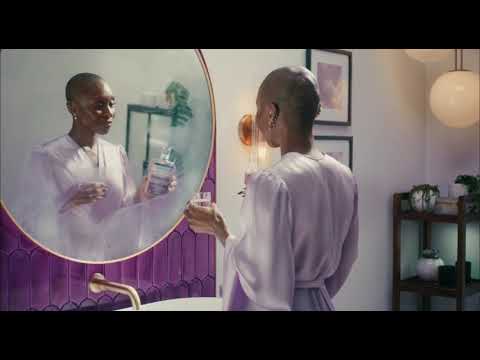
Another recent campaign on this front is “Wash Your Mouth”, launched in 2025. In this campaign, Listerine aimed to reframe mouthwash rinsing as an essential daily step on par with brushing teeth. The brand notably partnered with actress and singer Cynthia Erivo – even going so far as to insure her famous “Wicked” Broadway-caliber mouth for $2 million as a PR stunt. This dramatic gesture grabbed headlines and reinforced the message that one’s mouth is a valuable asset worth protecting. The Wash Your Mouth ads and social media content feature Erivo encouraging people to add rinsing to their routine for “whole mouth cleanliness,” emphasizing that brushing and flossing alone are not enough. To drive engagement, Listerine sent out “Wash Your Mouth” kits (including a toothbrush, floss, a bottle of Listerine, and a swish cup) to consumers via social media promotions. By providing consumers the tools and framing the activity as a challenge or routine, Listerine uses this strategy to instill long-term usage habits.
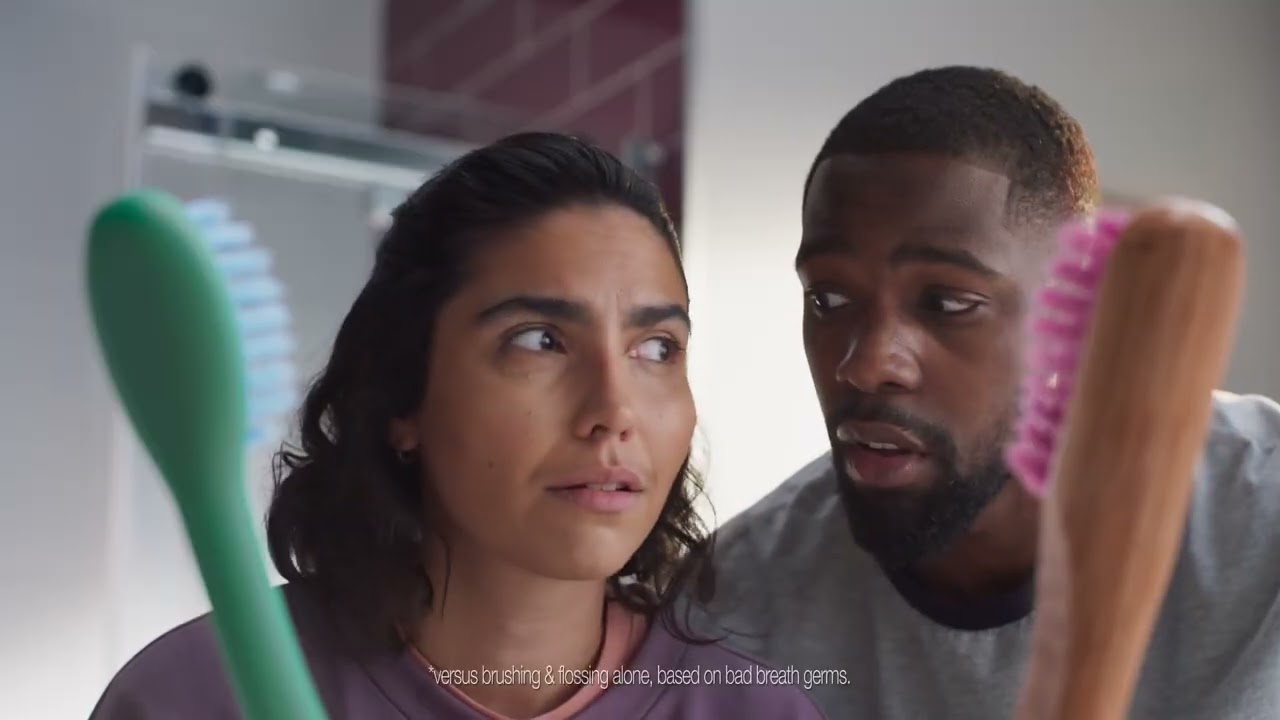
Education-focused marketing also extends to community initiatives. Listerine frequently ties into public health campaigns like World Oral Health Day, using that opportunity to share tips on oral hygiene and position its products as solutions for common issues (plaque, gum disease, bad breath). The brand’s website and materials often include five essential steps for oral health – brush, floss, rinse, etc. – reinforcing that message in consumers’ minds. In some markets, Listerine has worked with schools or dental clinics to spread awareness about oral care from a young age. All these efforts serve a dual purpose: they genuinely educate the public (which builds goodwill and brand authority) and they drive home the idea that using Listerine regularly is part of being a responsible, health-conscious individual. By making the habit itself the focus of marketing, Listerine helps convert one-time users into loyal customers who incorporate the rinse into their daily lives – a strategic move for sustained market growth.
6. Lifestyle Repositioning: The “Bring Out The Bold” Campaign
As Listerine looked to grow among younger consumers and in emerging markets, it undertook a significant lifestyle rebranding in the mid-2010s. The hallmark of this shift was the global “Bring Out The Bold” campaign, launched around 2016. Departing from decades of purely product-focused and germ-kill messaging, this campaign positioned Listerine as a brand that inspires bold living. The insight came from a fun piece of research: a survey of 6,000 people in multiple countries found that self-identified Listerine users tended to do bolder, more adventurous things than non-users. They were reportedly more likely to skydive, start a business, dance in public, try exotic foods – in short, to embrace life’s thrills. While one can debate the causality, the marketing team cleverly spun this into a narrative: Listerine ignites something inside you. It prepares you to go out in the world and do bold things. This quote from J. Walter Thompson’s creative director encapsulated the new positioning. Instead of just being about killing germs, Listerine became a catalyst for confidence and bold action in one’s lifestyle.

The Bring Out The Bold campaign was truly global, rolling out in over 80 countries with TV, digital, and in-person activations. In Asia, for example, the campaign took on a humorous tone: JWT Singapore created quirky characters like “The Fearless Warrior” and “Handsome Teeth (a K-pop spoof)” in a series of comedic ads to make young Asian audiences laugh and remember Listerine’s bold message. The idea was that being “bold” could mean different things to different people, and Listerine wanted to celebrate all forms of boldness – whether it’s standing up to a bully or doing a goofy dance – while subtly linking that attitude back to the energy of using Listerine.
Moreover, Listerine extended Bring Out The Bold to experiential marketing and sponsorships. The brand became a sponsor of high-energy events like music award shows. Notably, Listerine was a sponsor of the 2016 MTV Europe Music Awards, where it literally brought bold moments to the red carpet. Fans tuning into the pre-show saw “the boldest Listerine moments,” such as impromptu rap battles between celebrities and surprise musical performances, all under the banner of boldness. These stunts were amplified on social media with hashtags and live videos, yielding a viral uplift in social engagement for the brand (a 99% increase in viral reach in Listerine’s case during that EMA event). By associating with pop culture and excitement, Listerine managed to recast itself as a “cool” lifestyle brand rather than just a clinical product. Internally, the company recognized this as breaking “new ground for the category,” especially to attract young consumers and non-users in markets where mouthwash wasn’t yet habitual. The success of Bring Out The Bold demonstrated Listerine’s willingness to evolve its brand personality – from stern germ-fighter to energetic life-enabler – in order to stay relevant and aspirational for new generations.
7. Celebrity Partnerships and Creative PR Stunts
To boost reach and cultural relevance, Listerine has increasingly used celebrity partnerships and PR-worthy stunts alongside its core advertising. While the brand wasn’t traditionally celebrity-driven, recent collaborations added star power to its health messaging. A standout example is the 2025 partnership with Cynthia Erivo for the “Wash Your Mouth” campaign. Her credibility and vibrant personality helped make daily mouthwash use feel aspirational and modern. The campaign drew major attention through a playful PR stunt—Listerine publicly insured Erivo’s mouth and vocal cords—turning oral health into a headline-grabbing story and reinforcing how valuable a healthy mouth is.
Beyond global celebrities, Listerine has also partnered with athletes, influencers, and local public figures in different markets to humanize the brand and build trust. These endorsements position Listerine as part of confident, high-performance lifestyles. The brand also leverages earned media during public health conversations—such as issuing expert clarifications during COVID-era debates about germ-kill—keeping Listerine visible as a credible voice in oral wellness.
Listerine further extends reach through creative collaborations and stunts, including co-promotions with modern oral care brands and media events designed to spark buzz. These tactics turn routine hygiene into shareable moments, helping the brand feel contemporary and culturally relevant while reinforcing its core promise of better oral health.
8. Embracing Digital and Social Media Engagement
In the digital era, Listerine has shifted heavily toward social and online-first marketing to stay relevant with younger audiences. A large share of its ad spend now goes into digital platforms like Instagram, Facebook, and emerging channels such as TikTok and Pinterest. This allows the brand to use precise targeting, interactive formats, and culturally relevant content—such as region-specific campaigns during Ramadan—to reach consumers where they spend time online.
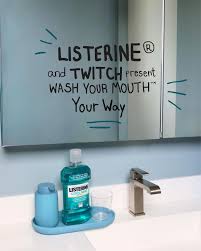
One of Listerine’s most creative digital moves was the “Wash Your Mouth Your Way” campaign on Twitch, where streamers and musicians turned mouthwash sounds into live music during interactive streams. By blending gaming culture, music, and real-time participation, Listerine made mouthwash fun and shareable—especially around New Year’s resolutions, positioning the brand as part of healthy habit-building.
Alongside this, Listerine leverages influencers, hashtags, and user-generated challenges to spark organic sharing and turn consumers into brand advocates. These social-first tactics show how an established brand can stay culturally relevant by speaking the language of new media and internet culture—extending Listerine’s legacy into the feeds of Gen Z and millennials.
Conclusion
Listerine’s marketing journey demonstrates how a brand can evolve with time while staying rooted in a powerful core positioning. From its early success in creating awareness around halitosis to its modern focus on whole-mouth health, confidence, and lifestyle relevance, Listerine has consistently shaped consumer behavior rather than merely responding to it. The brand’s ability to identify social and psychological triggers, supported by science-backed claims and continuous product innovation, has allowed it to remain dominant in a highly competitive oral care market.
What makes Listerine particularly instructive is its long-term strategic consistency combined with tactical adaptability. While the core promise of hygiene and confidence has remained unchanged, the execution has evolved across traditional advertising, experiential marketing, celebrity partnerships, and digital-first campaigns. This balance between heritage and reinvention highlights the importance of aligning brand legacy with contemporary consumer expectations and cultural trends.
Ultimately, Listerine’s success underscores a key marketing lesson: strong brands are built not only on functional benefits but also on emotional resonance and habitual integration into daily life. By embedding itself into consumers’ routines and identities across generations and geographies, Listerine has transformed a simple mouthwash into a globally trusted oral care icon—offering a valuable blueprint for building enduring consumer brands in any category.
Also Read: Who are Colgate’s Competitors in Personal Care Industry?
Also Read: Who are Reckitt Benckiser’s Competitors in FMCG Industry?
To read more content like this, subscribe to our newsletter