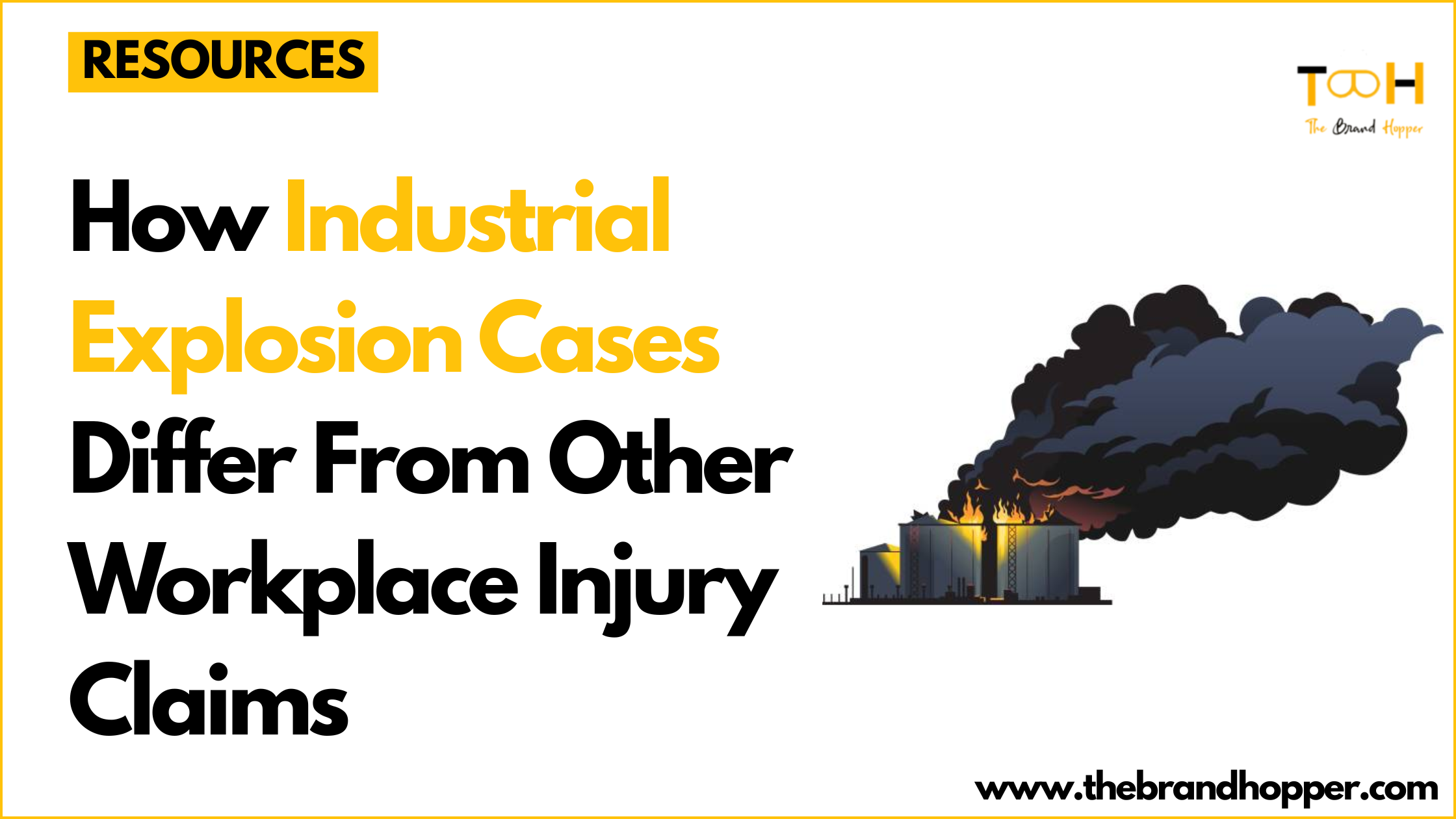
Workplace injuries can happen in any industry, but not all accidents are the same. A slip-and-fall or repetitive strain injury is typically limited in scope and impact. Industrial explosions, on the other hand, are catastrophic events that often involve multiple victims, severe injuries, and widespread damage. These cases are not just more serious—they are fundamentally different in how they are investigated, litigated, and resolved.
Understanding those differences is critical for anyone affected by such an event. Industrial explosion claims often involve complex liability issues, extensive evidence, and higher stakes. If you or a loved one has been impacted, working with an experienced Texas City refinery explosion lawyer can help you navigate these complexities and pursue a claim that reflects the full scope of the harm.
The Scale and Severity of Injuries Are Much Greater
Most workplace injury claims involve a single employee and relatively contained injuries. Industrial explosions, however, often result in severe trauma such as burns, blast injuries, amputations, and long-term respiratory damage. These injuries frequently require extensive medical treatment, rehabilitation, and lifelong care.
Because of this, the damages in explosion cases are typically much more serious. Victims may face not only immediate medical costs but also ongoing treatment, lost earning capacity, and significant pain and suffering. The long-term nature of these injuries makes proper evaluation and compensation far more complex than in standard workplace claims.
Multiple Parties May Be Liable Instead of Just an Employer
In a typical workplace injury, the employer is often the primary party involved, and the claim may be handled through workers’ compensation. Industrial explosion cases are different because they frequently involve multiple entities—refinery operators, contractors, equipment manufacturers, and maintenance providers.
This opens the door to third-party claims, which can go beyond workers’ compensation. Identifying all responsible parties requires a detailed investigation into who was involved in operations, maintenance, and safety oversight. Each party’s role must be examined to determine how their actions—or inaction—contributed to the explosion.
Workers’ Compensation May Not Be the Only Option
Standard workplace injuries are often limited to workers’ compensation benefits, which typically cover medical expenses and a portion of lost wages. While these benefits are important, they may not fully address the damages associated with a catastrophic explosion.
In industrial explosion cases, injured workers may have the option to pursue additional claims against third parties. These claims can include compensation for pain and suffering, full wage loss, and other damages not available through workers’ compensation. This distinction significantly changes the legal strategy and potential recovery.
Investigations Are More Complex and Evidence-Driven
Industrial explosion cases require extensive investigation. Unlike routine workplace accidents, these incidents often involve technical failures, chemical reactions, or system breakdowns that must be analyzed by experts. Engineers, safety specialists, and industry professionals may all play a role in determining what went wrong.
Evidence collection is also more intensive. Investigators may review maintenance logs, safety reports, equipment data, and regulatory compliance records. Accident reconstruction is often necessary to piece together the sequence of events. This level of complexity sets explosion cases apart from more straightforward workplace claims.
Regulatory Oversight Plays a Larger Role
Industrial facilities such as refineries are subject to strict regulations enforced by agencies like OSHA and environmental authorities. After an explosion, these agencies often conduct detailed investigations, issuing citations and identifying safety violations.
While regulatory findings do not automatically determine liability, they can provide critical evidence. A history of violations or failure to comply with safety standards can strengthen a legal claim. This layer of oversight adds another dimension to industrial explosion cases that is typically absent in standard workplace injuries.
The Impact Extends Beyond the Individual Worker
Most workplace injury claims focus on a single employee. Industrial explosions often affect multiple people, including other workers, contractors, and even nearby residents. The damage can extend to surrounding communities through environmental contamination, property damage, and long-term health risks.
This broader impact can lead to multiple claims arising from the same incident. Class actions or mass tort cases may develop, adding further complexity. The scale of these cases requires coordination and a comprehensive legal approach to address all affected parties.
Long-Term Consequences Are More Significant
In many workplace injury cases, recovery is expected within a defined period. Industrial explosion injuries often have lifelong consequences. Victims may face permanent disabilities, chronic pain, or ongoing medical conditions that require continuous care.
These long-term effects must be carefully considered when pursuing a claim. Calculating future medical needs, lost earning potential, and quality-of-life impacts requires detailed analysis. This makes settlement negotiations and litigation more involved than in typical workplace injury cases.
Emotional and Psychological Impact Is Often Greater
The trauma associated with an explosion can be profound. Survivors may experience anxiety, depression, or post-traumatic stress, especially if the incident involved severe injuries or loss of life. These psychological effects can be just as significant as physical injuries.
Addressing these impacts is an important part of a comprehensive claim. Mental health treatment, counseling, and emotional distress damages may all be considered. Recognizing the full scope of harm ensures that victims receive support beyond just physical recovery.
Why Legal Strategy Matters More in Explosion Cases
Because of the complexity and stakes involved, industrial explosion cases require a more strategic approach than standard workplace claims. Identifying all liable parties, gathering expert evidence, and navigating regulatory findings all play a role in building a strong case.
A well-prepared claim not only seeks compensation but also holds responsible parties accountable. This can lead to improved safety practices and help prevent future incidents. In cases of this magnitude, the legal process becomes a critical tool for both recovery and accountability.
A Different Kind of Case Requires a Different Kind of Approach
Industrial explosion cases are not simply larger versions of workplace injury claims—they are fundamentally different in scope, complexity, and impact. From multiple layers of liability to long-term consequences, these cases demand careful investigation and a comprehensive legal strategy.
For those affected, understanding these differences is the first step toward protecting their rights. With the right approach and experienced guidance, it is possible to pursue a claim that reflects the true extent of the harm and supports recovery in the years ahead.
To read more content like this, explore The Brand Hopper
Subscribe to our newsletter