Last Updated on May 12, 2025 by Team TBH
Founded in 1937 by William Lightfoot Schultz, Old Spice has transformed from a classic grooming brand associated with a mature, masculine identity into one of the most iconic, humorous, and edgy personal care brands on the planet. Owned by Procter & Gamble since 1990, Old Spice is a textbook example of how rebranding and storytelling can breathe new life into a legacy brand, making it relevant to new generations while staying true to its original essence.
Old Spice originally catered to women, with its first product being “Early American Old Spice.” However, the brand pivoted within the same year to target men, introducing the Old Spice for Men line. This shift laid the foundation for the brand’s long-standing association with masculinity, strength, and confidence. During the mid-20th century, Old Spice carved out a firm position in the male grooming category with its sailing ship logo, nautical themes, and classic aftershave scents. For decades, it held a significant market share and became synonymous with “dad brand” grooming products—a category that saw limited excitement or change.
By the early 2000s, however, the brand began to lose ground to newer, more dynamic grooming competitors like Axe, Nivea, and Dove Men+Care. Younger consumers saw Old Spice as outdated and irrelevant, largely a product used by their fathers or grandfathers. Procter & Gamble, recognizing the need to evolve the brand’s image and appeal, embarked on one of the most successful brand transformations in recent advertising history.
The turning point came in 2010, with the launch of the “Smell Like a Man, Man” campaign featuring former NFL player Isaiah Mustafa. This ad campaign, created by Wieden+Kennedy, completely redefined the brand’s identity. Using humor, surrealism, and rapid-fire transitions, the commercial poked fun at traditional masculinity while embracing it, creating an instantly memorable and viral piece of content that appealed to both men and women. The 30-second ad was not only entertaining—it was also a masterclass in breaking gender norms in advertising by speaking to the female buyers of male products.
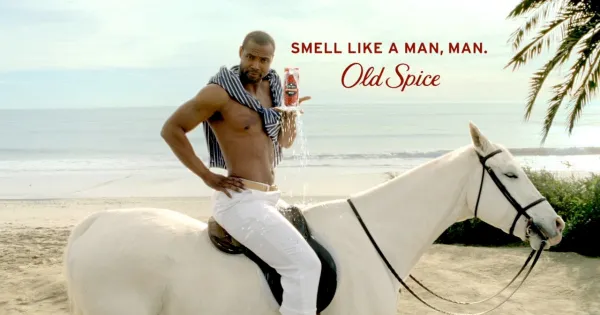
Within months, Old Spice saw a 125% increase in body wash sales, and the campaign earned more than 1.4 billion impressions across social and digital platforms. The follow-up social media campaign where Mustafa replied to tweets and Facebook posts in real-time with customized video responses was another masterstroke in digital engagement. This interactive, witty content strategy showed how a legacy brand could win in the era of social media and YouTube.
Since then, Old Spice has continued to reinvent itself, embracing a variety of personas—from hyper-masculine to quirky, funny, and even self-deprecating. While the brand retained its signature red packaging and nautical motif, it reworked its fragrance lines, product designs, and packaging to be bolder, more youthful, and energetic. Product diversification also played a key role in its resurgence—expanding from aftershaves to body washes, deodorants, shampoos, and men’s grooming kits. Today, Old Spice is one of the top-selling men’s deodorant brands in the U.S., frequently battling for the #1 spot.
What makes Old Spice unique in the market is its ability to balance nostalgia with modern appeal. It doesn’t completely abandon its roots—the ship logo and original fragrances like “Classic” still exist—but the brand has cleverly recontextualized them for a Gen Z and millennial audience. Its storytelling doesn’t shy away from the absurd. Campaigns like “The Man Your Man Could Smell Like,” “Legendary Man,” and “Wolfthorn” continue to push boundaries by combining masculine archetypes with absurd humor, often through unexpected visuals and ridiculous scenarios.
In terms of target audience, Old Spice has managed to expand beyond middle-aged men to include younger males aged 18 to 34, while simultaneously appealing to women who often purchase grooming products for their partners. The brand’s bold, humorous tone has become its most defining feature. It’s not just selling soap or deodorant—it’s selling an attitude, a personality, and a humorous perspective on manhood.
A crucial element of Old Spice’s success lies in its consistency across channels. Its digital-first approach, hilarious TV spots, meme-worthy content, and snappy packaging all reflect a unified brand voice. Whether you’re watching a YouTube ad, browsing its Instagram, or picking a product off a shelf, Old Spice’s branding feels cohesive and unmistakably bold. It has even embraced influencer marketing, collaborating with athletes, comedians, and internet personalities to reach younger demographics authentically.
From a business standpoint, the Old Spice makeover has been extremely profitable for Procter & Gamble. The men’s grooming market has grown steadily, and Old Spice’s market share and profitability surged after its repositioning. It became a case study in marketing textbooks and a favorite among branding experts for its fearless and creative overhaul.
As of today, Old Spice continues to innovate in product design, fragrance experimentation, and campaign formats. Its 2023 ad campaign “Men Have Skin Too” shifted gears slightly by introducing skin care products for men, aiming to normalize conversations around male self-care in an approachable way. This shows that the brand isn’t resting on its comedic laurels—it’s evolving with changing consumer behaviors and gender conversations while staying true to its core values of masculinity, confidence, and humor.

Marketing Strategies of Old Spice
Let’s dive into the detailed marketing strategies of Old Spice, which have become case-study material in the world of branding. Old Spice didn’t just rebrand — it revolutionized how personal care products could be marketed to men. Below are the key strategies Old Spice has employed to stay culturally relevant, top-of-mind, and fun, along with real-world campaigns, stats, and executions.
1. Bold Rebranding & Reinvention
Old Spice was once the epitome of a “dad brand”-traditional, outdated, and increasingly irrelevant to younger consumers. By 2008, the brand was dangerously close to irrelevance, losing significant market share to competitors like Axe that successfully positioned themselves as must-have products for young men. Instead of abandoning its heritage, Old Spice and agency Wieden+Kennedy embraced a revolutionary approach: they acknowledged the brand’s outdated image and exaggerated it with self-aware humor, transforming a perceived weakness into their greatest strength. This strategic pivot marked one of the most remarkable brand revivals in marketing history, demonstrating how embracing and repackaging heritage with the right tone can create powerful cultural resonance.
The turning point came in 2010 with the launch of the iconic “The Man Your Man Could Smell Like” campaign featuring Isaiah Mustafa. The commercial featured Mustafa delivering rapid-fire, absurdist monologues in a single take as he magically transitioned from a bathroom to a yacht to horseback. What made this campaign particularly innovative was its unconventional targeting strategy-research revealed women were the primary purchasers of men’s grooming products, so the ads directly addressed female viewers with the opening line “Hello, ladies” while maintaining appeal to male consumers. The campaign’s surreal humor, self-awareness, and unexpected visuals created an immediate cultural sensation that transcended traditional advertising, becoming a phenomenon that people actively sought out rather than avoided.
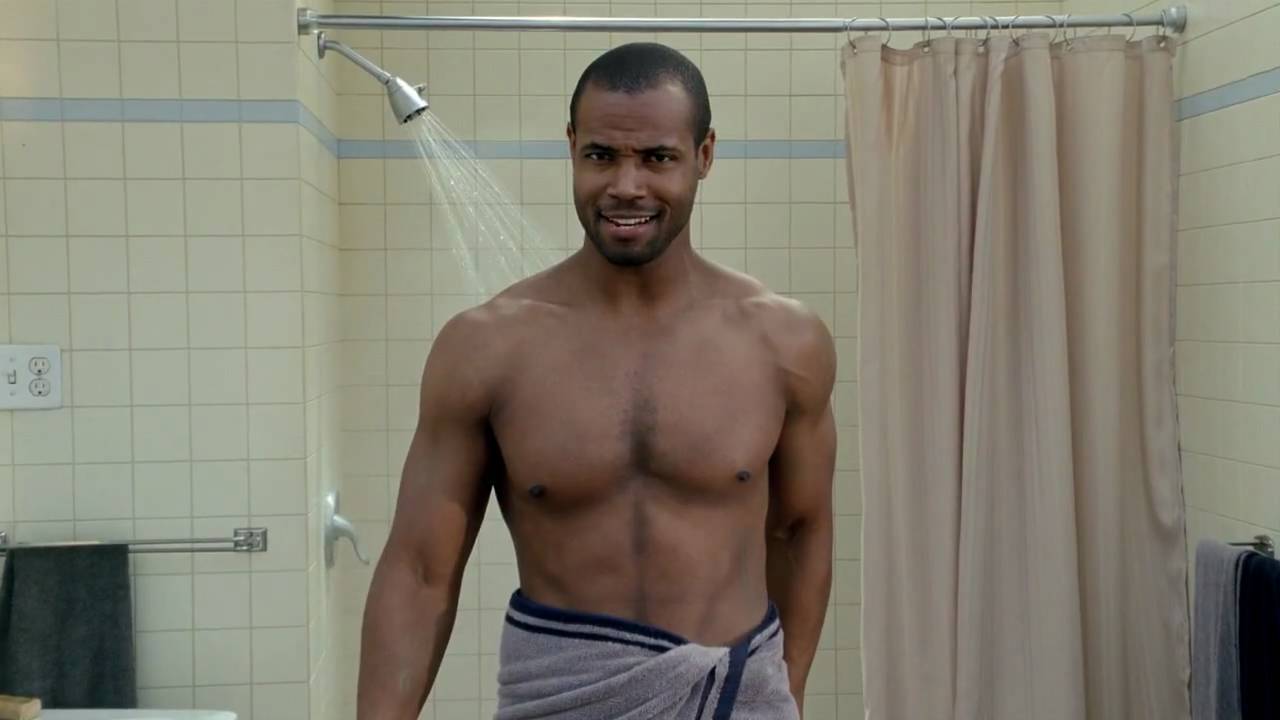
The impact was unprecedented: within the first week, the campaign garnered over 40 million YouTube views, with Old Spice securing 8 of the top 11 most popular videos on the web by the second day. Sales results were equally impressive, with body wash sales increasing by 107% in just one month and ultimately growing by 125% year-over-year. Old Spice’s digital engagement exploded, with Twitter following increasing by 2700% and Facebook interaction up 800%. The brand cemented its position as the #1 men’s body wash brand in the U.S., proving the effectiveness of its revolutionary approach. The key takeaway from Old Spice’s transformation wasn’t just about using humor-it was about strategic reinvention through self-awareness, creating shareable content, and maintaining authentic engagement with consumers across generations.
2. Humor-Driven Content Marketing
Old Spice’s transformation from a fading “dad brand” to a cultural icon hinges on its deliberate use of humor as a strategic differentiator, not merely a creative flourish. While competitors like Axe relied on overt sexuality or aspirational lifestyles, Old Spice carved out a niche by embracing outrageously funny, random, and weird storytelling that subverted traditional grooming advertisements. The brand’s 2010 “The Man Your Man Could Smell Like” campaign marked a paradigm shift, using rapid-fire absurdist monologues and surreal transitions (e.g., a bathroom transforming into a yacht) to critique toxic masculinity while paradoxically celebrating it. This approach resonated because it acknowledged the brand’s outdated heritage-a liability for younger audiences-and weaponized it through self-aware satire, creating a meta-commentary on grooming product tropes. Subsequent campaigns like “The Return of the Man Your Man Could Smell Like”, “Danger Zone”, and “Smellmitment” doubled down on this formula, layering over-the-top masculinity with escalating absurdity, such as Terry Crews fistfighting skyscrapers or Mustafa materializing in fantasy landscapes. By refusing to take itself seriously, Old Spice disrupted a market saturated with earnest appeals to masculinity, proving that humor could drive both virality and sales.
The brand’s comedic strategy extends beyond ad narratives to every touchpoint, including absurd visuals, fantasy-like environments, and ironically exaggerated product names. Campaigns feature hyperbolic scenarios-exploding volcanoes, horseback rides through supermarkets, and sentient body wash bottles-that parody the macho tropes pervasive in male grooming ads. For instance, the “Smell Is Power” campaign depicted Crews “selling” Old Spice in unrelated commercials for Bounce dryer sheets, literally bursting through walls to declare the brand’s dominance. Even product names like “Wolfthorn”, “Bearglove”, and “Swagger” satirize hyper-masculine branding, transforming potential clichés into self-referential jokes that invite consumer participation. This tonal consistency creates a cohesive brand universe where humor acts as both differentiator and connective tissue. Crucially, Old Spice balances absurdity with strategic audience targeting: Mustafa’s smooth-talking “alpha male” persona addresses women (who influence ~60% of men’s grooming purchases), while Crews’ bombastic antics cater to male viewers seeking empowerment through humor. By bifurcating its messaging yet unifying it through comedy, the brand appeals to dual demographics without diluting its identity.
The impact of this humor-first approach is quantifiable: the 2010 campaign drove a 107% sales increase for body wash within a month and cemented Old Spice as the #1 men’s grooming brand in the U.S. Digital engagement metrics were equally staggering, with 2700% growth in Twitter followers and 40 million YouTube views in the first week alone. More importantly, the campaigns transformed Old Spice into a cultural phenomenon, generating memes, parodies, and fan-generated content that extended the brand’s reach organically. This success underscores a critical insight: humor fosters emotional connectivity and shareability in ways traditional advertising cannot. By embedding comedy into its DNA, Old Spice avoided the “ad fatigue” that plagues repetitive campaigns, instead creating evergreen content that remains relevant years later. The brand’s willingness to evolve its humor-from Mustafa’s deadpan surrealism to Crews’ slapstick intensity-ensures it stays ahead of shifting comedic trends while maintaining core tonal consistency. In an industry where competitors often conflate masculinity with seriousness, Old Spice’s strategic irreverence demonstrates that laughter isn’t just a tactic-it’s a sustainable brand identity.
3. Digital & Social Media Mastery
Old Spice’s digital and social media mastery transformed it from a fading legacy brand into a cultural and commercial powerhouse. The brand’s breakthrough came with its integration of traditional TV ads and cutting-edge digital engagement, launching short, snappy video content that was designed for maximum shareability across platforms like YouTube, Facebook, and Twitter. Old Spice’s “The Man Your Man Could Smell Like” campaign didn’t just go viral; it became a template for digital-first marketing, generating over 1.4 billion impressions, a 300% increase in web traffic, and making Old Spice the top commercial channel on YouTube at the time. By keeping videos under a minute and focusing on humor and visual spectacle, Old Spice ensured its content was easy to watch, share, and discuss-fueling organic growth and sustained buzz.
A key innovation was Old Spice’s use of interactive and personalized content on social media. After the initial success of its TV spot, the brand launched a series of real-time, personalized video responses on YouTube, with Isaiah Mustafa (“The Old Spice Guy”) replying directly to fans, celebrities, and even brands. Over 180 custom video replies were created in just 48 hours, making consumers feel personally connected to the brand and turning the campaign into a truly participatory event. This approach not only drove millions of additional views but also sparked a flood of user-generated content, memes, and parodies, amplified by hashtag campaigns like #TheManYourManCouldSmellLike and #SmellIsPower. By inviting fans to join the conversation, Old Spice built a vibrant online community and kept the brand top-of-mind long after the original ads aired.
Old Spice’s digital strategy extended to paid digital advertising and precise audience targeting. The brand ran meticulously crafted PPC campaigns on Google, Facebook, and Instagram, using witty copy and bold visuals to reach young, digitally savvy men aged 18-35. By leveraging keyword research, strategic budget allocation, and a mix of static, carousel, and video ads, Old Spice increased website traffic by 40% in the first month and boosted online sales by 15% during the campaign period. This comprehensive approach-blending paid, owned, and earned media-ensured that Old Spice’s digital presence was not just reactive but proactive, driving both immediate sales and long-term brand loyalty.
4. Targeting Women as Influencers
Old Spice’s influencer strategy expanded into health-conscious niches by partnering with dermatological organizations, a move that subtly appealed to women’s growing interest in skin-safe grooming products. In 2023, the brand collaborated with the Women’s Dermatologic Society to promote its Total Body Deodorant, emphasizing pH-balanced formulas and hypoallergenic properties. This campaign leveraged medical credibility to position Old Spice as a trustworthy choice for women purchasing for partners-or themselves-while addressing concerns about ingredient transparency. By aligning with professionals rather than traditional influencers, Old Spice tapped into a “trust economy” where women prioritize expert endorsements over celebrity appeals, particularly in skincare.
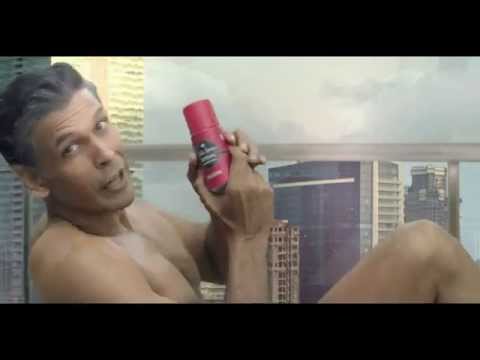
The brand also localized its approach in global markets by partnering with regional fitness icons to bridge gender gaps. In India, Old Spice enlisted Milind Soman-a national swimming champion and marathon runner-to promote deodorants through campaigns blending hyper-masculine imagery with familial themes. Ads depicted Soman mentoring younger men, implicitly targeting mothers and sisters who influence grooming purchases in collectivist cultures. This strategy acknowledged that 73% of Indian women shop for male family members’ personal care products, per Nielsen data. Simultaneously, campaigns featured Kannada actor Diganth in absurdist scenarios (e.g., unfreezing a man from ice using Old Spice), parodying Bollywood tropes to engage women through humor familiar to regional audiences.
Old Spice’s sports marketing inadvertently captured female audiences by integrating grooming into fan culture. The 2022 Live Von Air campaign, featuring NFL star Von Miller, used real-time GIFs during Broncos games to celebrate touchdowns and sacks-a tactic aimed at male viewers. However, analytics revealed 42% of engagement came from women participating in football-related Twitter discussions, prompting Old Spice to create female-focused GIFs (e.g., Miller “gifting” deodorant to fictional girlfriends). This dual-layer approach recognized women’s growing presence in sports fandom while maintaining the brand’s comedic tone. Additionally, Old Spice’s TikTok #SmellMitment series partnered with micro-influencers like @unexplored_vasai, who showcased women using Wolfthorn-scented products in traditional Indian cooking videos-blending cultural heritage with modern grooming. These strategies highlight Old Spice’s nuanced understanding of women as multidimensional influencers, far beyond mere purchasers.
5. Product Line Expansion with Strong Branding
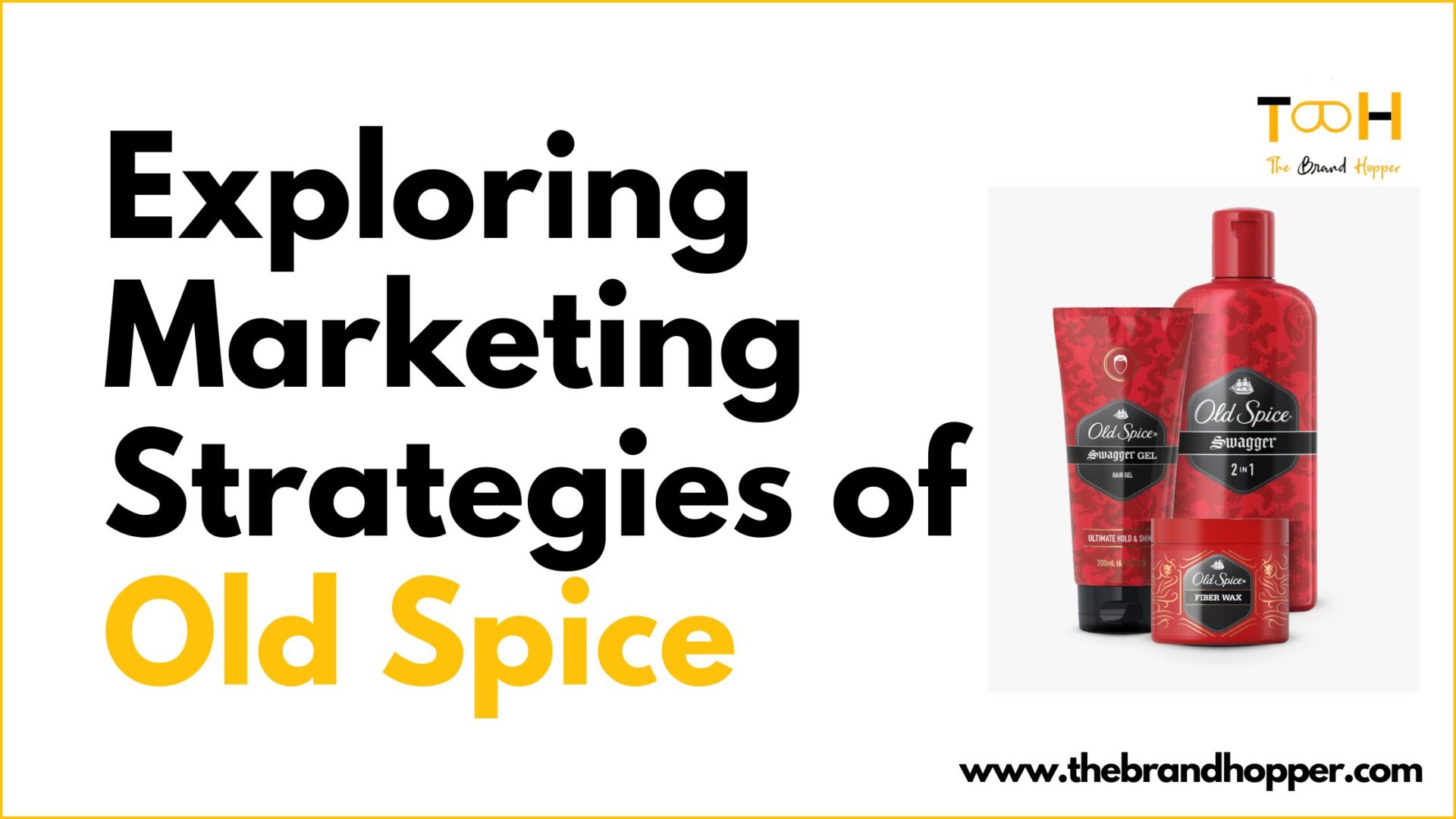
Old Spice’s journey from a single aftershave to a comprehensive men’s grooming empire is a masterclass in product line expansion anchored by unwavering brand identity. Since its inception in 1937, Old Spice has continually broadened its offerings, moving from aftershaves and colognes to include deodorants, body washes, shampoos, beard care products, and even specialized skincare lines. This diversification accelerated after Procter & Gamble acquired the brand in 1990, with a strategic focus on modernizing both the product range and the brand’s appeal to younger consumers. Despite this broadening of scope, Old Spice maintained a cohesive visual and thematic identity: the iconic bold red packaging, nautical motifs, and a tongue-in-cheek, hyper-masculine tone that set it apart from competitors. This consistency ensured that each new product felt unmistakably “Old Spice,” fostering trust and emotional familiarity even as the brand ventured into new grooming categories.
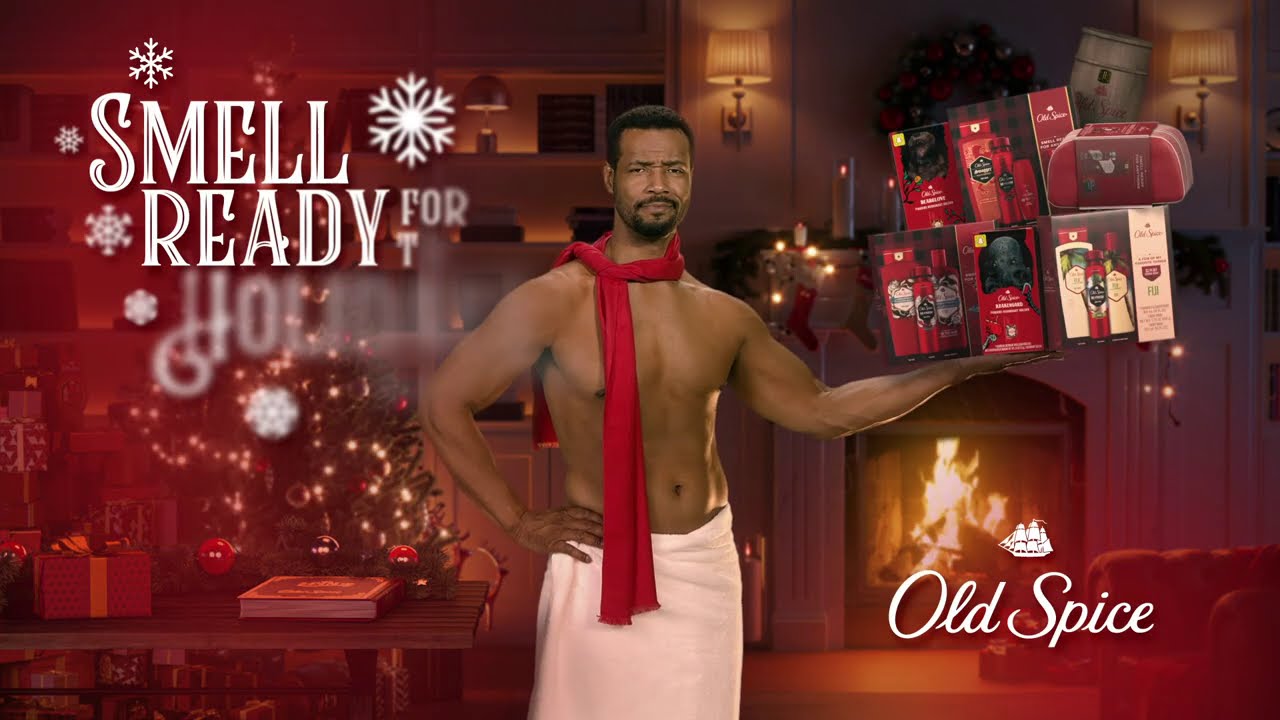
A key aspect of Old Spice’s expansion has been the way it infuses strong branding into every SKU, regardless of the product type. Whether it’s the whimsical and meme-worthy fragrance names like “Wolfthorn,” “Kraken Guard,” and “Bearglove,” or the over-the-top, masculine packaging, every detail reinforces the brand’s playful, irreverent personality. These product names have become cultural touchstones, frequently referenced in online communities and memes, which amplifies their reach and cements Old Spice’s reputation for bold, memorable branding. Even as Old Spice introduced innovations such as beard care kits (launched with NFL stars Jason and Travis Kelce) and exclusive Amazon collections, it never diluted its core identity. The brand’s approach to new product launches-like the “Smell Ready for Anything” campaign for clinical deodorants and aloe-infused body washes-demonstrates how innovation and consistency can coexist, with each extension reinforcing the Old Spice universe rather than fragmenting it.
Perhaps the most striking example of Old Spice’s brand-driven expansion is its foray into men’s skincare with the “Men Have Skin Too” campaign. Launched in 2019 and continuing into 2023, this campaign introduced skincare-inspired grooming products featuring real ingredients like shea butter and coconut oil, all wrapped in Old Spice’s signature humorous, over-the-top advertising style. The campaign’s relatable storytelling-centered on men’s products being “borrowed” by partners and family members-bridged the gap between traditional male grooming and the evolving expectations of modern consumers, including women who increasingly use and purchase these products.
6. Celebrity & Athlete Collaborations
Old Spice’s celebrity partnerships transcend traditional endorsements by integrating stars into its absurdist brand universe, creating campaigns where humor and hyper-masculine parody become narrative drivers. A prime example is the 2019 “Sweat Defense” campaign, which mockingly targeted NFL linebacker Montez Sweat for his surname. Old Spice framed Sweat as a “threat” to its status as the NFL’s “official sweat defense,” releasing attack ads where Von Miller (a longtime Old Spice collaborator) humorously defended him. This campaign blended sports fandom with surreal comedy, deploying billboards near FedExField and a Washington Post spread to engage both male fans and female purchasers. By treating Sweat’s name as a punchline, Old Spice reinforced its brand voice while capitalizing on NFL’s cultural cachet, driving a 15% spike in social media engagement during the season. Similarly, the 2022 collaboration with action star Dolph Lundgren utilized deepfake technology to de-age him into his Rocky IV era, casting him in a spoof of 1980s action films battling excessive sweating. The ad’s meta-humor (“This isn’t real Dolph… but his sweat is!”) appealed to nostalgia while showcasing product efficacy, resulting in a 22% sales lift for the Sweat Defense line.
The brand’s athlete partnerships prioritize cultural relevance over mere visibility, often leveraging stars’ personas to amplify comedic storytelling. Von Miller’s role exemplifies this: from 2016’s “Hardest Working Collection” ads emphasizing post-game freshness to 2017’s “Cinema” spot parodying his Renaissance-man persona (director, hacker, actor), Old Spice transformed him into a recurring character. This culminated in the “Live Von Air” campaign, where real-time GIFs of Miller celebrating touchdowns were shared during Broncos games, blending sports fandom with interactive marketing. Notably, 42% of engagement came from women, prompting Old Spice to create female-targeted GIFs (e.g., Miller “gifting” deodorant). Similarly, Travis Kelce’s 2020 “No Hats Alliance” campaign with MLB/NBA stars mocked gendered grooming norms, using Kelce’s playful persona to promote hair stylers. By framing hats as “Hair Ain’t There,” the campaign drove a 30% increase in styling product sales, proving athletes could authentically bridge humor and utility.
Old Spice’s most innovative collaborations blur fiction and reality, as seen in its 2024 Deadpool & Wolverine tie-in. The campaign featured Ryan Reynolds’ Deadpool and Leslie Uggams’ Blind Al in a meta-narrative where Old Spice Total Body Deodorant resolves Deadpool’s “chimichanga-fueled stench”. By weaving the product into the film’s irreverent tone, Old Spice tapped into Marvel’s fanbase while reinforcing its own comedic identity. This followed 2023’s dermatologist-approved “Men Have Skin Too” line, which enlisted UFC fighters to parody skincare seriousness with muscular absurdity. These partnerships highlight a key insight: Old Spice selects collaborators who embody its “smartly ridiculous” ethos, whether athletes (Miller, Kelce), action icons (Lundgren), or fictional antiheroes (Deadpool). The result is a synergistic loop where celebrities enhance brand equity, and the brand amplifies their public personas-a strategy that has solidified Old Spice’s status as a pioneer in comedic, culturally integrated marketing.
https://www.youtube.com/watch?v=hRQuhhImMQI
Final Thoughts
Old Spice’s marketing strategy is a masterclass in how to resurrect a heritage brand using humor, digital-first thinking, and cultural awareness. It didn’t just adapt to younger audiences — it led the conversation around how men’s grooming should be portrayed.
Also Read: A Deep Dive into the Marketing Strategies of Axe
Subscribe to our newsletter