Last Updated on June 10, 2025 by Team TBH
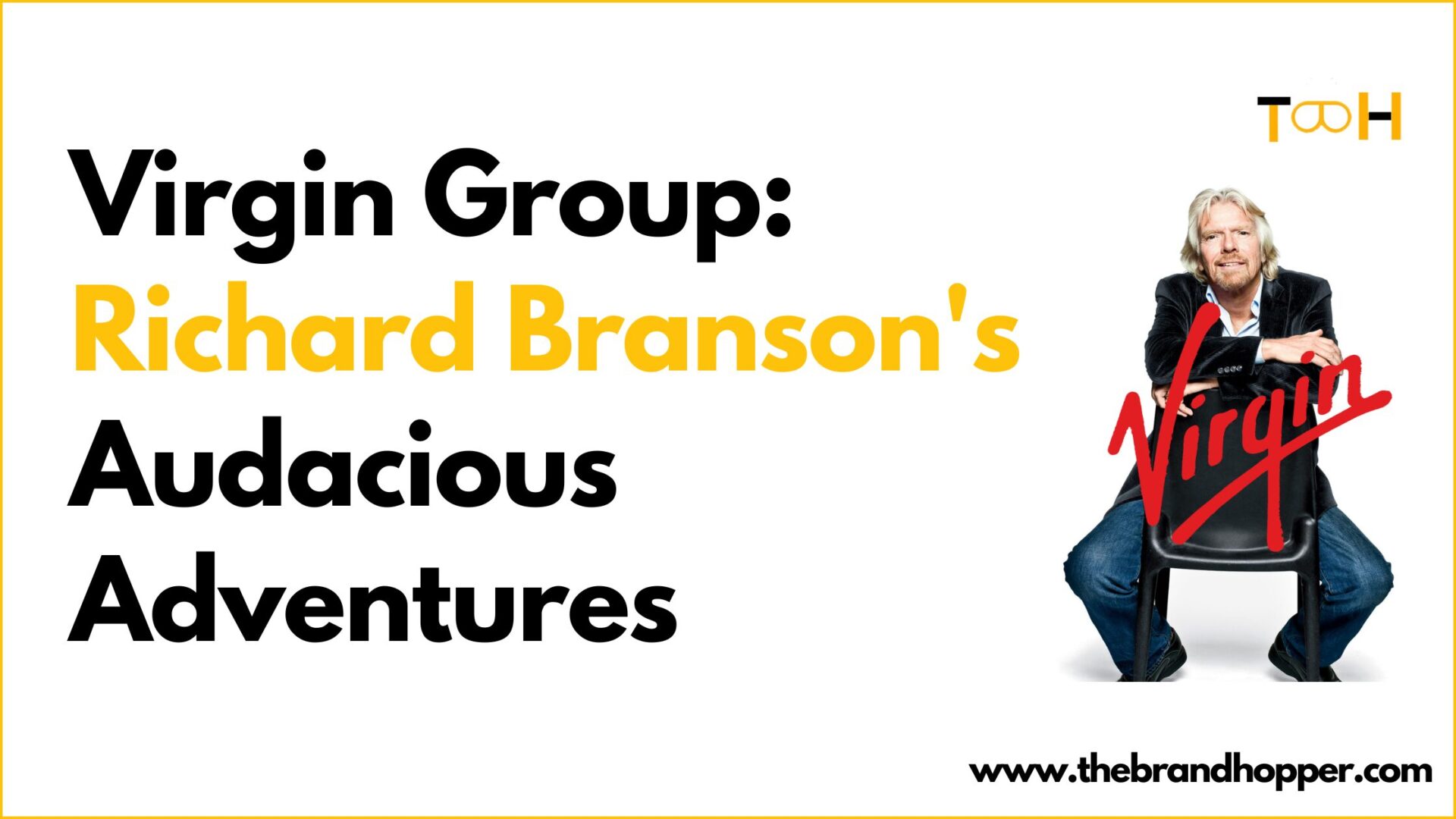
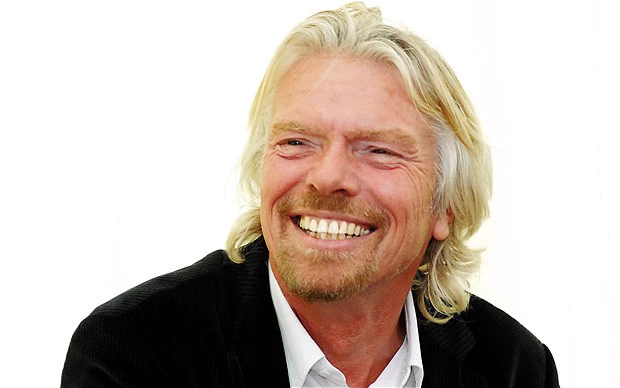
In the late 1960s, a young Richard Branson was already showing flashes of the audacious spirit that would define his career. A headmaster at his school famously quipped, “Branson, you’ll either go to prison or become a millionaire,” in response to the teen’s maverick tendencies. Dyslexic and uninterested in conforming to traditional academia, Branson channeled his energy into entrepreneurship. Little did anyone know that this rebellious youngster would grow into a global business icon, building an empire that embodies adventure, disruption, and customer-centric innovation. What follows is the remarkable brand story of the Virgin Group – a narrative of bold beginnings, industry shake-ups, and relentless pursuit of the next big thing.
From Student Magazine to Virgin Records: The Early Ventures
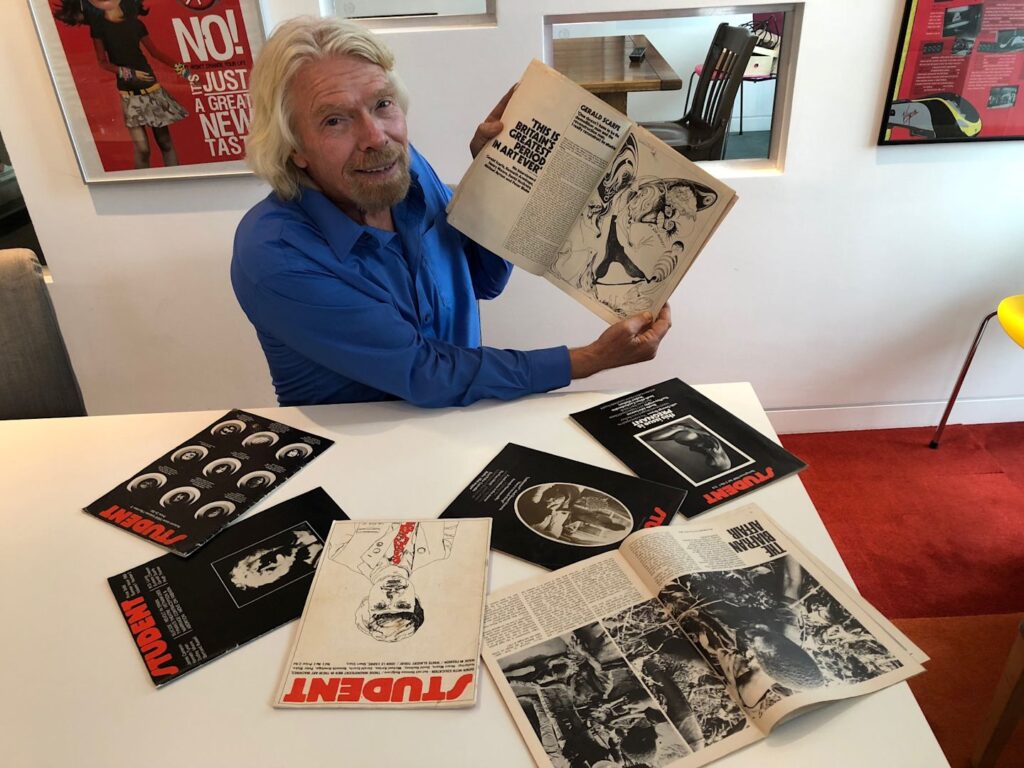
Branson’s entrepreneurial journey began at just 16 years old. In 1968, he launched Student magazine out of a cramped basement, aiming to give voice to youth culture and the anti-establishment spirit of the era. The magazine gained modest traction (even snagging interviews with the likes of Mick Jagger), but financial pressures pushed Branson to pivot. In 1970, spotting an opportunity in the market, he started a mail-order business selling discounted records to help fund the magazine. This small venture planted the seed for what would soon become a music industry revolution.
By 1971, Branson opened his first record shop on London’s Oxford Street. An early employee jokingly suggested the name “Virgin” since they were all virgins in business – a cheeky, self-deprecating moniker that Branson embraced. The Virgin brand was born. In 1972, Branson and his partner Nik Powell purchased an English country estate and turned it into The Manor recording studio. It was here that a young musician, Mike Oldfield, recorded an instrumental album called Tubular Bells. Released in 1973 as the very first Virgin Records album, Tubular Bells became a smash hit – selling over 5 million copies and even featuring as the haunting theme in the film The Exorcist. This surprise success gave Virgin Records a solid financial footing and credibility in the music business.
Virgin Records quickly earned a reputation for signing unconventional, cutting-edge artists that established labels shied away from. In 1977, Branson famously signed the controversial punk band the Sex Pistols after they were dropped by other companies. Over the years, Virgin’s artist roster grew to include major names like The Rolling Stones, Culture Club, Phil Collins and many others. By the end of the 1970s, Virgin had expanded from a single mail-order operation to a sprawling music enterprise: recording studios, a music publishing arm, and Virgin Megastores (the first Megastore opened in 1979) that sold records across the UK and beyond. Branson’s first empire was taking shape, built on a knack for spotting talent and a willingness to defy industry norms.
These early ventures also forged the core of Branson’s business philosophy. He learned by doing – negotiating record deals, handling distribution, and marketing music by thinking differently. The Virgin approach stressed customer-focused innovation (finding gaps in what fans wanted), an irreverent brand personality, and an emphasis on fun – both for customers and employees. Branson’s personal motto, “screw it, let’s do it,” captured the ethos of seizing opportunities without overthinking. Little did he know, even greater adventures awaited just around the corner.
Taking to the Skies: Virgin Atlantic’s Daring Launch
By the early 1980s, Richard Branson was ready to extend Virgin’s brand of disruption beyond music. The audacious idea he set his sights on was an airline – a move no one expected from a record-label owner. Legend has it that Branson conceived Virgin Atlantic after a frustrating travel experience: he was stranded when a flight was cancelled, so he chartered a plane and jokingly wrote “Virgin Atlantic Airways” on a board to sell seats to fellow delayed passengers. Whether myth or fact, Branson indeed saw an opening for a customer-friendly airline. In 1984, at just 34 years old, he shocked the business world by announcing the launch of Virgin Atlantic Airways. With one leased secondhand Boeing 747, Virgin Atlantic took to the skies from London, directly challenging the giants of aviation.
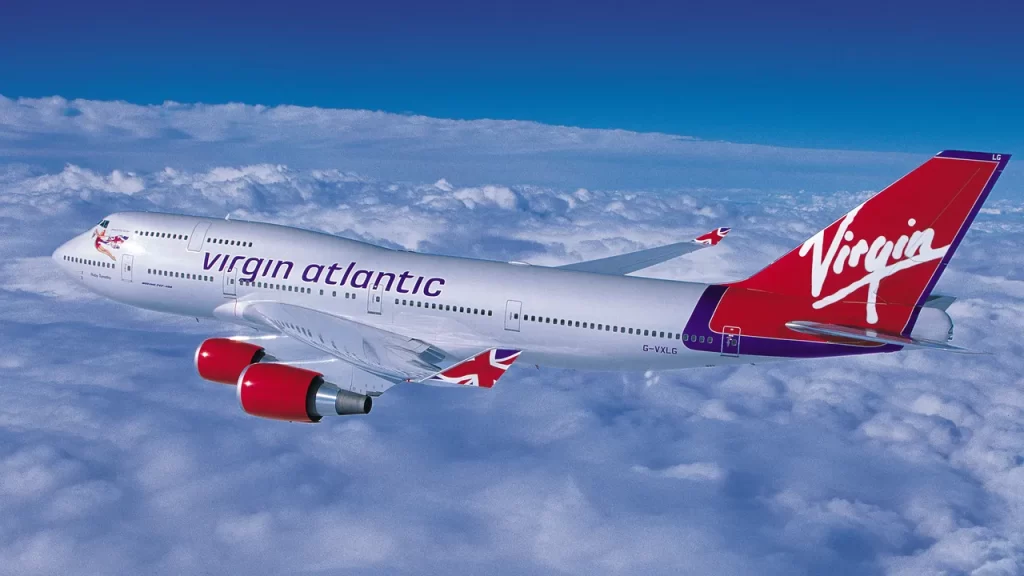
From the outset, Virgin Atlantic’s strategy was to radically improve the passenger experience. Branson believed flying could be glamorous and fun, not just a stuffy means of travel. His new airline introduced touches that were unheard of at the time: free ice cream during movies, in-flight massages in upper class, seat-back personal screens for every passenger, even an onboard bar in premium cabins. Virgin Atlantic was also a pioneer of the “premium economy” concept – creating a new class between economy and business with extra legroom and better service for a reasonable price. These innovations, from entertainment options to cabin classes, revolutionized transatlantic air travel and forced competitors to up their game. Branson was effectively using Virgin’s outsider status to introduce a bit of rock ’n’ roll into a traditionally conservative industry.
Entering the airline business was a classic Branson move: a high-risk gamble into a field he knew little about, driven by the conviction that he could do it better than the incumbents. But the incumbents did not take kindly to this upstart. British Airways, the UK’s dominant carrier, viewed Virgin Atlantic’s arrival as an existential threat on its lucrative London-New York route. In the early 1990s, a fierce battle ignited between the brash newcomer and the establishment titan. BA launched a secret “dirty tricks” campaign to undermine Virgin, including impersonating Virgin staff to steal customers and leaking negative stories to the press. Branson fought back, suing British Airways for libel. In 1993, the courts ruled in Virgin’s favor, awarding £3.5 million in damages for BA’s mud-slinging tactics. Ever the showman, Branson celebrated the victory by distributing the lawsuit winnings to his employees as a “BA bonus,” rewarding his staff for their loyalty during the fight. The episode became legendary in aviation circles – David had slain Goliath, and won over the public in the process.
Keeping Virgin Atlantic aloft in those early years wasn’t easy. The airline business is capital-intensive and fraught with challenges (from regulatory hurdles to the 1980s oil price shocks). By 1992, a cash-strapped Branson faced a heartbreaking decision: to secure Virgin Atlantic’s future, he sold Virgin Records – the very company that started it all – to Thorn EMI for a billion dollars. The sale was bittersweet (Branson reportedly shed tears upon signing the deal), but it injected crucial capital into the airline at a make-or-break moment. This strategic sacrifice highlighted Branson’s pragmatic side: he was willing to part with a crown jewel to protect a venture with bigger long-term potential. As he later reflected, “Never fall in love with your businesses such that you can’t let go when needed” – sometimes an entrepreneur must make tough calls to keep the dream alive.
Meanwhile, Branson’s penchant for adventure continued to blur the line between business and personal exploits. In 1985, he attempted to break the world record for the fastest Atlantic Ocean crossing by boat. His first try ended in a dramatic rescue at sea, but by 1986 he succeeded – racing the Virgin Atlantic Challenger II powerboat across the Atlantic in just over 3 days, cutting two hours off the record. A year later, in 1987, he captained a massive hot-air balloon (painted with the Virgin logo, of course) and became the first person to cross the Atlantic by balloon. Not done yet, in 1991 Branson and co-pilot Per Lindstrand flew a balloon across 6,700 miles of the Pacific, breaking the world distance record for hot-air ballooning. These death-defying stunts earned worldwide headlines – and doubled as brilliant publicity for the Virgin brand. Branson had effectively turned himself into Virgin’s living mascot: the daring entrepreneur who would go to any lengths (or heights) to prove his motto of “screw it, let’s do it.” By the mid-1990s, thanks to his marketing savvy and relentless focus on the customer, Virgin Atlantic was firmly established as a major player in global air travel, winning over flyers who craved a bit of fun and flair at 35,000 feet.
Virgin Everywhere: Diversification in the 1990s and 2000s
Even as Virgin Atlantic was taking off, Branson’s ambitions were hardly confined to music and airlines. The late 1980s and 1990s saw the Virgin Group expand at breakneck speed into a dizzying array of industries – from soft drinks to bridal wear, from financial services to telecoms. Branson’s core strategy was to challenge complacent incumbents in markets where customers were being under-served, and to do so with the Virgin brand’s trademark cheekiness and customer-first approach. If a business had a stuffy, inefficient, or overpriced status quo – Virgin wanted to disrupt it.
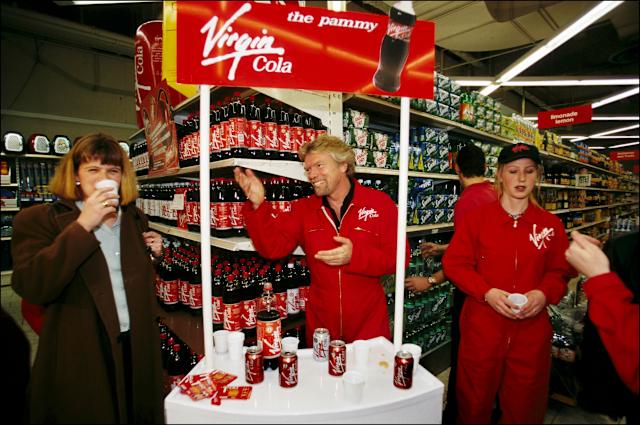
Some of Virgin’s moves during this era seemed almost too audacious. In 1994, Virgin Cola was launched as a direct assault on Coca-Cola and Pepsi, complete with bold marketing (Branson once drove a tank through Times Square to announce Virgin Cola). The cola venture ultimately fizzled out, proving that not every Goliath could be slain – but it sent a message that Virgin wasn’t afraid to compete with anyone. Around the same time, the Virgin empire branched into rail transport. When Britain privatized its railways, Branson pounced on the opportunity: in 1997 Virgin Trains began operating the West Coast Main Line, introducing sleek tilting “Pendolino” trains to modernize UK rail travel. Passengers experienced faster, more comfortable rides, and Virgin proved even a centuries-old train industry could be given a contemporary shake-up.
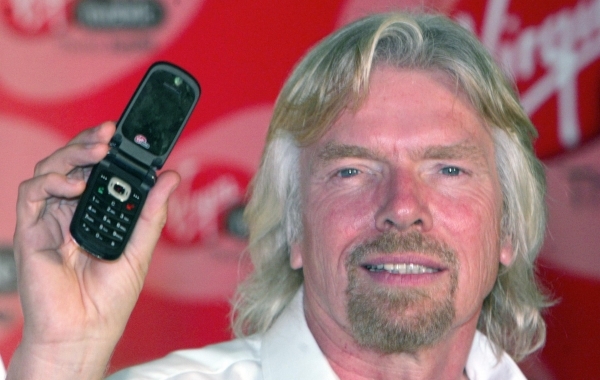
One of Virgin’s biggest success stories came in telecommunications. In 1999, Branson launched Virgin Mobile as an innovative mobile network without owning a single cell tower. Instead, Virgin Mobile operated as a virtual network (an MVNO), leasing capacity from existing networks and offering customers simple, affordable cellphone service with no long-term contracts and refreshingly straightforward pricing. This model was virtually unheard of at the time. By focusing on youth-friendly branding and better customer service, Virgin Mobile quickly attracted millions of subscribers in the UK and later expanded to markets from the U.S. to Australia. It was a masterclass in leveraging the Virgin brand to inject trust and excitement into a new sector. Similarly, Virgin Media emerged in the 2000s as a major player in broadband and cable TV in the UK, after Virgin merged its mobile, internet, and cable assets to offer “quadruple play” services. The Virgin playbook was clear: find partners with technical infrastructure, slather on the Virgin brand and culture, and grab market share from bloated rivals.
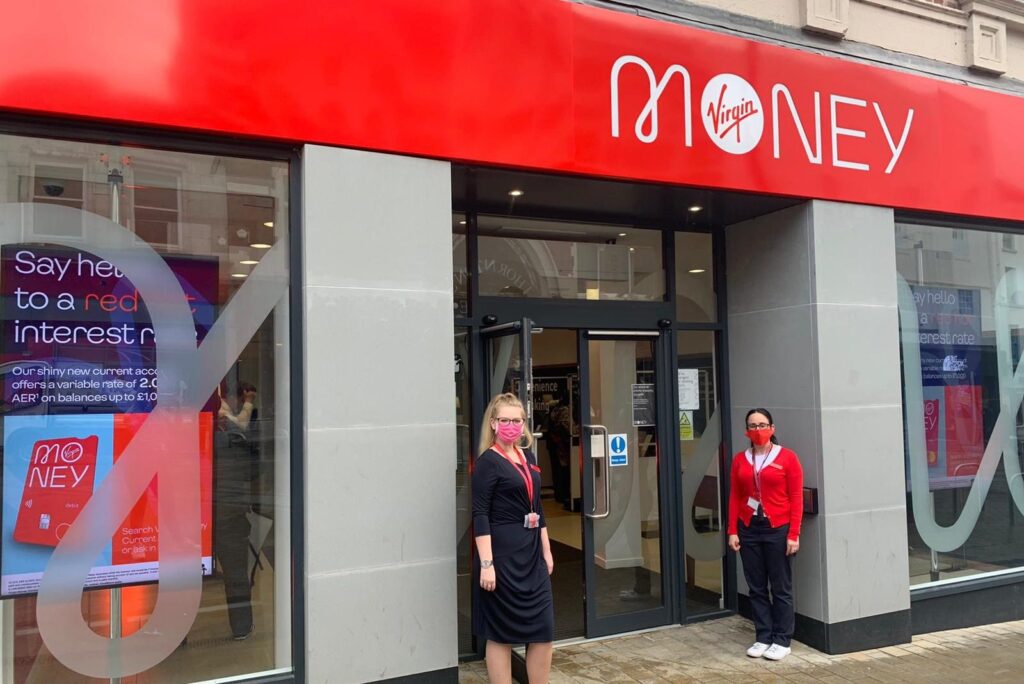
Branson also steered Virgin into financial services and healthcare – areas far removed from music stores and airplanes, but ripe for customer-centric innovation. In 1995, Virgin Direct (later Virgin Money) began offering investments and insurance with a no-nonsense, value-for-money ethos. By 2001, Virgin Money was a full-fledged personal finance brand, and it even launched a credit card that shook up the UK market with low interest rates. After the 2008 financial crisis, Virgin saw an opportunity to bring its brand to banking: in 2012 Virgin Money acquired the failing Northern Rock bank, rebranding its branches under the Virgin umbrella. Branson’s team believed they could restore trust by applying Virgin’s friendly image to banking – a sector often despised by consumers. Likewise, in healthcare, Virgin Care was established in 2012 to partner with the UK’s National Health Service in delivering medical services. The idea of “Virgin in the clinic” raised some eyebrows, but again the logic was that Virgin’s customer focus and efficiency could improve experiences even in hospitals.
By the mid-2000s, Virgin Group had sprawled into dozens upon dozens of companies – some wholly owned, others joint ventures – spanning airlines, trains, mobile phones, cable TV, radio stations, gyms (Virgin Active launched in 1999), hotels, credit cards, wines, gaming, and even wedding dresses (yes, Virgin Brides was a thing in 1996). At its peak, the Virgin empire encompassed over 400 branded companies worldwide. Not every venture was a winner – there were flops like Virgin Cars (online car sales) and Virginware (lingerie) – but Branson’s hits far outnumbered the misses. By constantly trying new industries, Virgin kept its brand in the spotlight and tapped into new revenue streams. In 2000, Branson’s achievements earned him a knighthood from the Queen, formally dubbing him Sir Richard Branson for his “services to entrepreneurship”. The high school dropout had become Britain’s best-known businessman, with a personal net worth in the billions and a brand that was recognized around the globe.
Crucially, even as Virgin diversified, Branson maintained a consistent brand philosophy across all businesses. “Virgin has always been about putting the customer at the heart of everything we do and innovating in industries ripe for disruption,” Branson says – a principle applied to every product or service bearing the Virgin name. A set of core Virgin values guides each company: providing heartfelt service, being delightfully surprising, staying red-hot relevant and straight-up honest, all while maintaining an insatiable curiosity and a bias for smart disruption. In practice, this means whether a customer is flying Virgin Atlantic, working out at Virgin Active, or buying insurance from Virgin Money, they should feel the same Virgin spirit: a cheeky challenger that genuinely cares about delivering quality and fun. Branson institutionalized this culture by empowering employees and keeping hierarchy flat. “There is little point recruiting great people if you don’t then give them the autonomy to take their role and run with it,” he notes, explaining Virgin’s habit of hiring upbeat personalities and trusting them to treat customers well. He also famously encourages managers to have fun and even be a bit irreverent in marketing – reflecting his own flamboyant persona.
Branson’s use of publicity stunts became a marketing masterstroke during this era. From dressing up in a bridal gown to promote Virgin Brides, to bungee-jumping off a Las Vegas casino for Virgin Hotels, to driving a tank to launch Virgin Cola – he never missed a chance to generate free media coverage. Perhaps the most valuable advice he received was from Sir Freddie Laker, a mentor and pioneer of low-cost airlines: Laker told Branson he could never outspend British Airways on advertising, so “you’ll have to get out there and use yourself to promote Virgin Atlantic”. Branson took that to heart. His daredevil antics and charismatic style consistently kept the Virgin brand in headlines, effectively turning marketing into an adventure. This synergy between Branson’s personal brand and the Virgin Group’s image is a unique asset – one that helps Virgin punch above its weight in any industry it enters.
Reaching for the Stars: Galactic Dreams and Hyperloop Horizons
Having conquered industries on Earth, Branson eventually set his sights even higher – literally toward the stars. In 2004, he unveiled Virgin Galactic, the world’s first commercial spaceline venture, with a vision of making space tourism a reality. It was an audacious bet on unproven technology: Virgin Galactic’s plan was to use a rocket-powered spaceplane (SpaceShipTwo) to carry civilian passengers on suborbital flights, allowing them a few minutes of weightlessness and a breathtaking view of Earth from ~50+ miles up. Branson’s announcement of “space for everyone” grabbed imaginations, and soon hundreds of aspiring space tourists had placed deposits to fly with Virgin Galactic. Building a spaceflight company from scratch proved to be far more challenging and time-consuming than Branson’s earlier ventures – technical setbacks, including a tragic test-flight crash in 2014 that killed a pilot, delayed progress. Many wondered if Branson’s galactic dream would ever get off the ground.
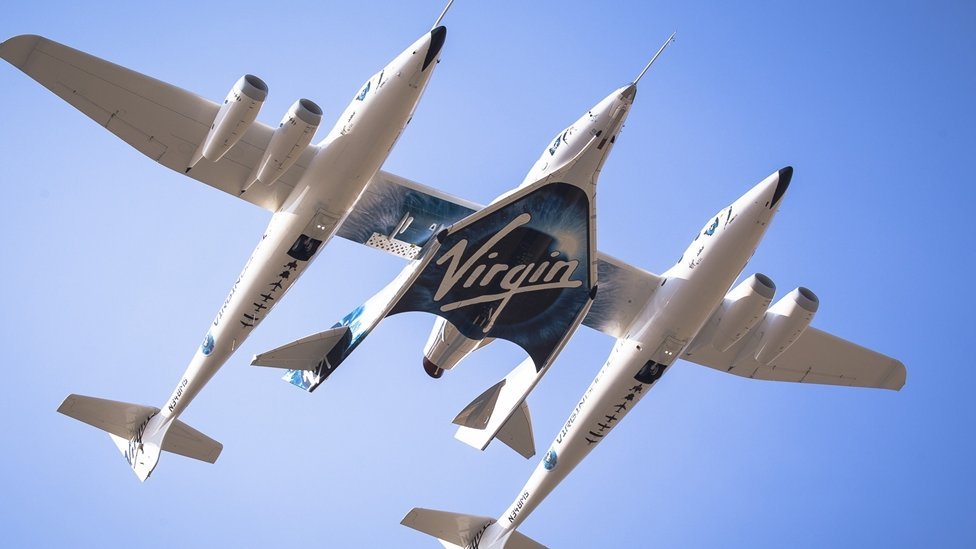
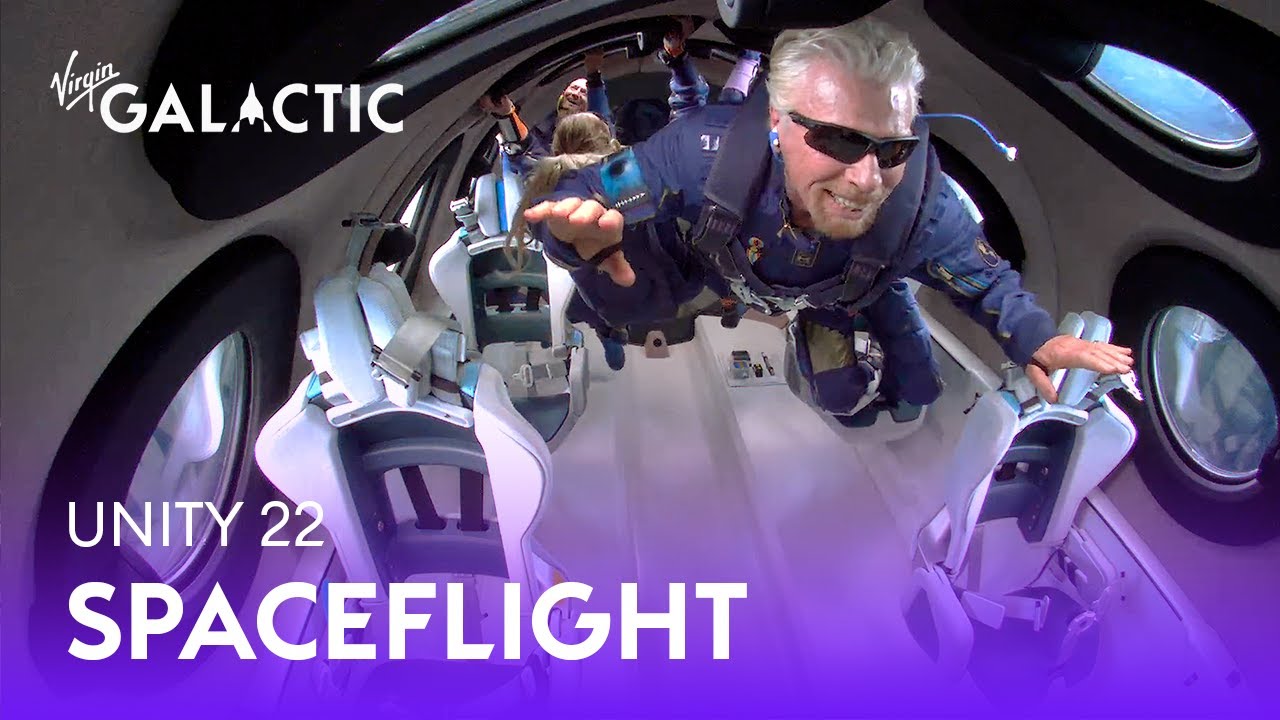
But true to form, Branson persisted for over 17 years to see his space venture through. Finally, in December 2018, Virgin Galactic’s test pilots cracked the edge of space, making VSS Unity the first private spacecraft to carry humans into space on a test mission. The real triumph came on July 11, 2021, when a 70-year-old Branson himself donned a space suit and rode Unity 22 to 53.5 miles above Earth – experiencing weightlessness and fulfilling a lifelong dream. That flight made Branson Astronaut 001 of Virgin Galactic and demonstrated to the world that commercial space tourism was no longer science fiction. By mid-2023, Virgin Galactic completed its inaugural commercial spaceflight, flying a crew of paying customers (and researchers) to suborbital space and backvirgin.com. Regular tourist service is now beginning, ushering in a new era where anyone (with a hefty ticket price) can be an astronaut. It’s hard to overstate how on brand this venture is for Virgin – it combines cutting-edge innovation, a dash of danger, and a promise of an unforgettable customer experience, all under the iconic red Virgin logo. As Branson quipped upon returning to Earth: “Welcome to the dawn of a new space age.”
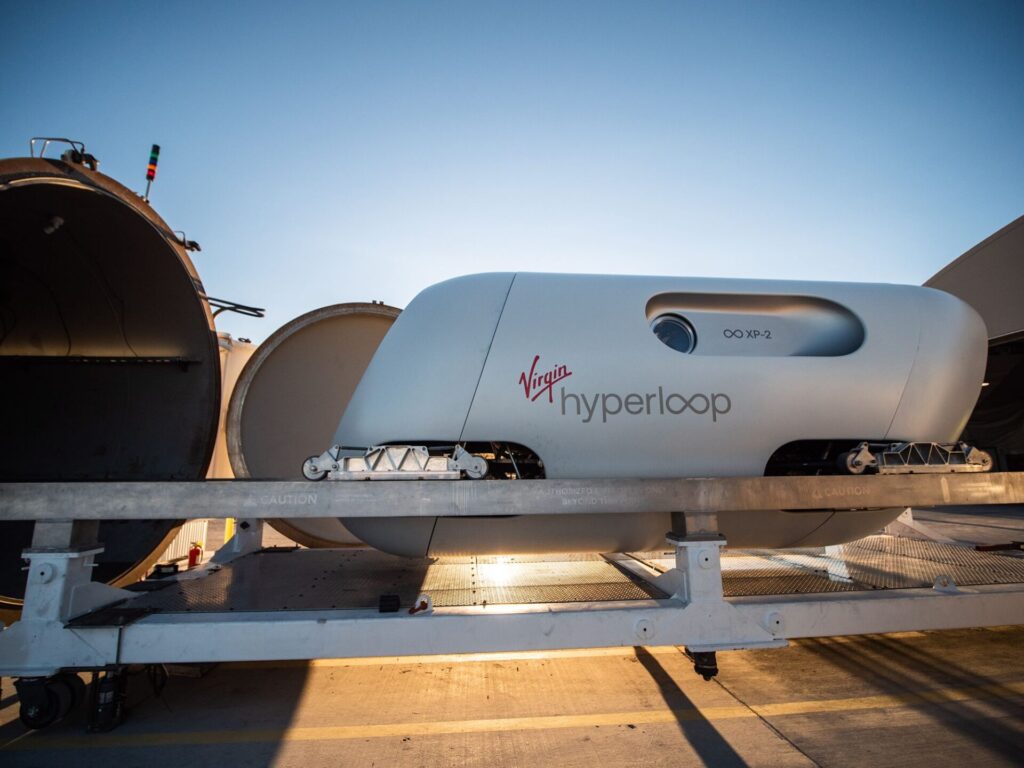
Not content with shaking up air travel and space travel, Branson and Virgin have also jumped into the future of ground travel. In 2017, Virgin Group invested in the startup Hyperloop One – a company developing Elon Musk’s futuristic hyperloop concept of transporting pods of passengers at airline speeds through vacuum tubes. After Virgin’s investment, the company rebranded as Virgin Hyperloop, signaling Branson’s commitment to this ultra-high-speed transport revolution. By November 2020, Virgin Hyperloop had achieved a major milestone: the world’s first test of a hyperloop pod with human passengers on board, successfully sending two people through a 500-meter test tube at over 100 mph in the Nevada desert. While a fully operational hyperloop system (capable of traveling at 600+ mph) is still some years away, Virgin Hyperloop is actively developing the technology with an eye towards routes that could, for example, zip people from city to city faster than a jet. Branson’s involvement brings credibility, and his penchant for raising capital, to a project that many initially dismissed as science fiction. It’s a testament to Virgin’s “insatiable curiosity” value – always exploring the next frontier. As with Virgin Galactic, the hyperloop initiative shows Branson positioning the Virgin brand at the forefront of what might be tomorrow’s transformative industries.
Even beyond space and hyperloop, Virgin’s spirit of expansion continues. In recent years, Virgin has launched ventures like Virgin Voyages, a new cruise line making waves with adults-only, rock-and-roll themed cruise ships, and Virgin Orbit, a satellite launch company that uses a 747 jumbo jet to air-launch rockets into orbit. The Virgin Hotels chain has been growing since 2015, bringing the brand’s signature stylish fun into the hospitality sector. And through Virgin Unite (the group’s nonprofit foundation started in 2004), Branson has also focused on “business as a force for good,” supporting initiatives in entrepreneurship, climate change, and global health. Now over 50 years old, the Virgin Group shows no signs of slowing down – it remains a diverse collection of companies bound together by the core idea that business should be an adventure that improves customers’ lives.
Lessons from Branson’s Audacious Journey
Richard Branson’s evolution from a scrappy teenager publishing a student magazine to the globe-trotting billionaire launching astronauts offers a trove of insights for aspiring entrepreneurs. His story is not just about the businesses he built, but how he built them – with courage, creativity, and a healthy dose of fun. Here are some key lessons and takeaways from Branson’s audacious adventures:
-
Follow Your Passion and Curiosity: Branson has always pursued businesses that intrigued him personally – from music he loved to airlines he wanted to fly on, and eventually to space travel. His success shows that when you’re passionate and curious, work doesn’t feel like work, and that energy becomes contagious. Don’t be afraid to explore diverse interests; innovation often happens when you venture outside your comfort zone.
-
Put the Customer at the Center: Every Virgin venture was built around identifying what frustrates customers and doing it better. Whether it was giving airline passengers better entertainment and service or offering mobile phone users simpler plans, Branson’s strategy has been to delight customers in industries where incumbents grew complacent. The takeaway: obsess over customer experience and you can disrupt even entrenched markets.
-
Take Calculated Risks – and Embrace Failure: Branson’s life is a masterclass in bold risk-taking. He didn’t know anything about running an airline or a telecom company at first – but he was willing to learn by doing. Not every gamble paid off (Virgin Cola, for example, flopped), but he treated failures as learning opportunities, not tragedies. “You don’t learn to walk by following rules. You learn by doing, and by falling over,” Branson once wrote. For entrepreneurs, the message is to be audacious but not reckless: do your homework, then go for it without fear of failure.
-
Build a Strong Brand and Team: The Virgin name became an asset unto itself – standing for value, quality, and fun across industries. Branson achieved this by ensuring all his companies lived the same values and by personally embodying the brand ethos. He also knew he couldn’t do it alone. Branson surrounded himself with talented people and gave them autonomy. He often says the key to scaling up is to “find people who are better than you” and let them shine. Aspiring business owners should invest in crafting a consistent brand identity and nurturing a team culture that empowers employees to make decisions.
-
Leverage PR and Storytelling: Branson turned marketing into theater. His flair for storytelling – through PR stunts and personal charisma – generated massive publicity that money can’t buy. He understood early on the power of a founder’s personal brand to humanize and promote a business. Entrepreneurs can emulate this by being the chief storytellers for their ventures: share your mission boldly, be visible, and make your brand narrative exciting. In Branson’s words, “A business has to be involving, it has to be fun, and it has to exercise your creative instincts.”
-
Innovate for Good and Aim for Legacy: Finally, Branson’s journey teaches that business success and social responsibility can go hand in hand. He has often used his companies as platforms for larger causes – from reducing carbon emissions in airlines to funding health clinics in Africa. His recent focus on space and hyperloop also reflects a desire to push humanity forward. Aspiring entrepreneurs should think about the legacy they want to leave. As Branson built Virgin, he maintained that “changing business for good” is the ultimate goal. Profit matters, but purpose drives you further.
Richard Branson’s odyssey with the Virgin Group is a tale of bold vision and boundless enthusiasm. Over five decades, he has shown that a brand built on adventure, quality, and cheeky irreverence can defy the odds again and again – from signing unknown musicians and toppling music industry giants, to starting an airline on a whim and surviving a battle with British Airways, to tackling trains, phones, banks, and even the final frontier of space. It’s a story of a man who redefined entrepreneurship as an extreme sport, where the finish line keeps receding because there’s always a new challenge ahead. For business students and entrepreneurs, Branson’s audacious adventures impart a simple but powerful message: think big, take the leap, treat people well – and never lose your sense of wonder. In doing so, you just might build an empire of your own, and have a hell of a lot of fun along the way.
Also Read: Breaking Down Marketing Strategy of Hilton Hotels
To read more content like this, subscribe to our newsletter