Last Updated on June 26, 2025 by Team TBH
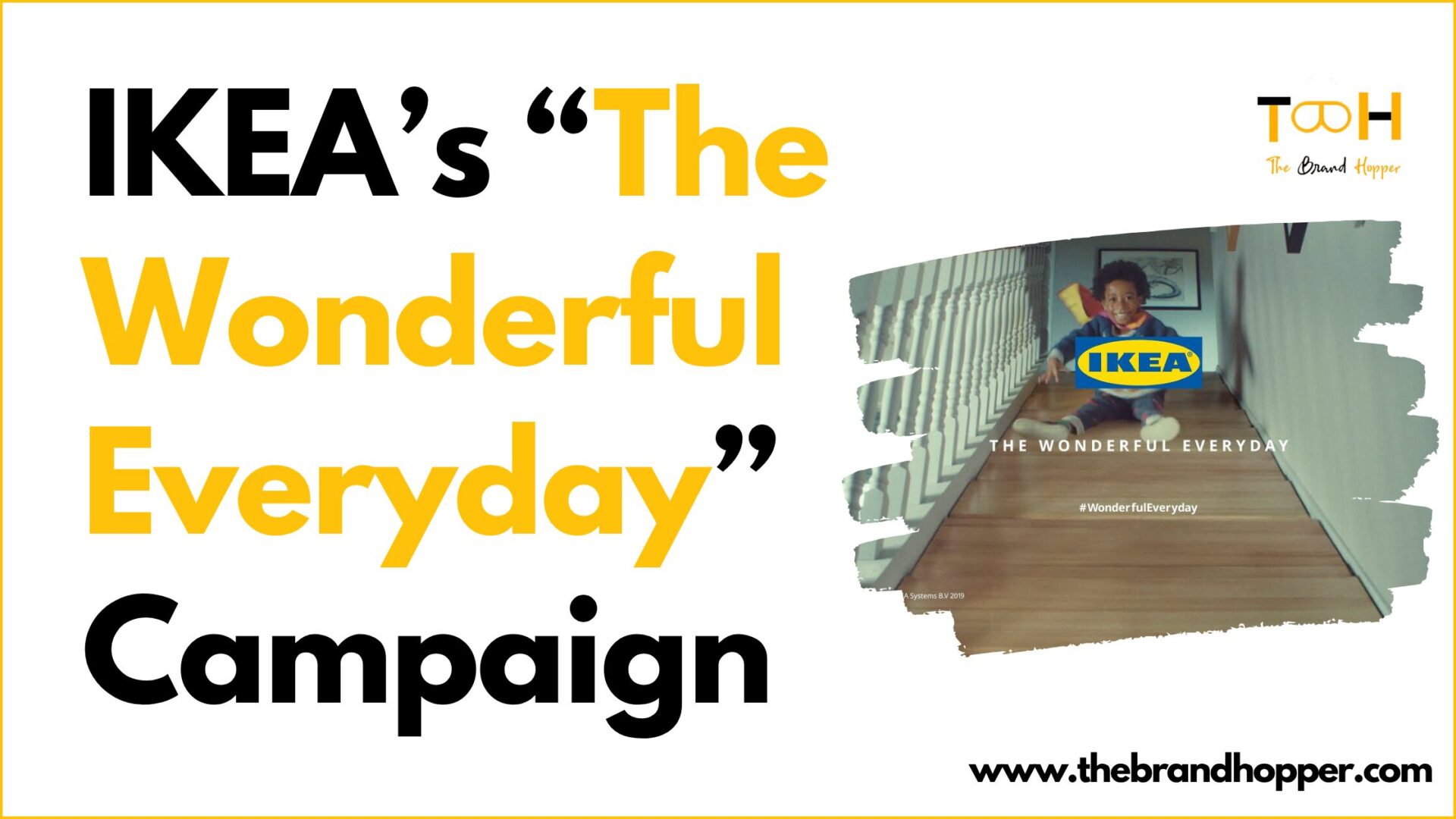
IKEA’s “The Wonderful Everyday” has been a flagship global brand campaign, built around celebrating small moments at home. Rooted in IKEA’s vision “to create a better everyday life for the many people,” it shifted focus away from one-off sales pushes and highlights how everyday experiences – cooking, sleeping, playing – are made more joyful and meaningful with IKEA solutions.
Launched in 2014 in the UK and gradually adopted worldwide, the campaign’s core philosophy is that “life isn’t about fleeting events… it’s the little, everyday things that make it what it is: The Wonderful Everyday.”.
This benefit-led platform became a rallying point for product, communication and culture, aiming to turn around declining growth by putting people’s daily routines at the heart of IKEA’s message.
Table of Contents
ToggleStrategic Objectives of the Campaign
By 2013 IKEA UK faced slowing growth and shrinking penetration, despite brand awareness.
Global management set a clear target: stem the decline and grow sales by at least +8% year-on-year to hit longer-term goals.
Crucially, the campaign was not about short-term sales spikes but about reimagining IKEA’s role in people’s lives. The briefing identified two goals: “change the fortunes of the business (reverse declining sales and penetration)” and give the brand a renewed sense of meaning for consumers and co-workers. The new platform needed to reconnect IKEA with shoppers’ values and daily challenges across all categories, without changing price or range.
The chosen strategy was to anchor everything in IKEA’s founding purpose – improving everyday life – and to re-articulate it through storytelling. As Mother London’s strategy director explains, the team realized that “IKEA exists to improve the everyday,” and decided to “celebrate that” in all communications.
This meant moving beyond product-centric ads to benefit-led stories: showing how IKEA’s democratic design (affordable, functional, sustainable) makes normal activities – cooking, sleeping, tidying – more enjoyable.
Messaging and Branding Philosophy
The campaign’s messaging consistently reinforces IKEA’s democratic values. A core line used in media was: “Home is where the smart is,” (UK 2023) tying thriftiness and ingenuity into the theme.
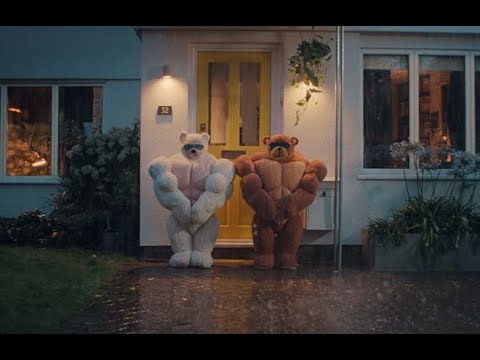
Generally, every ad highlights one aspect of daily life – a child’s morning routine, a family meal, bedtime – and dramatizes it with warmth and humor. The narrative focus is on people and activities, not on hard-selling furniture. For example, one ad (the “Buff Bear” spot) is built around a child’s need for safety – using teddy bears as muscle-bound guardians – to underscore that every home should feel like a safe haven. This echoes the campaign ethos: “every home is a haven” and furniture simply plays a role in that comfort.
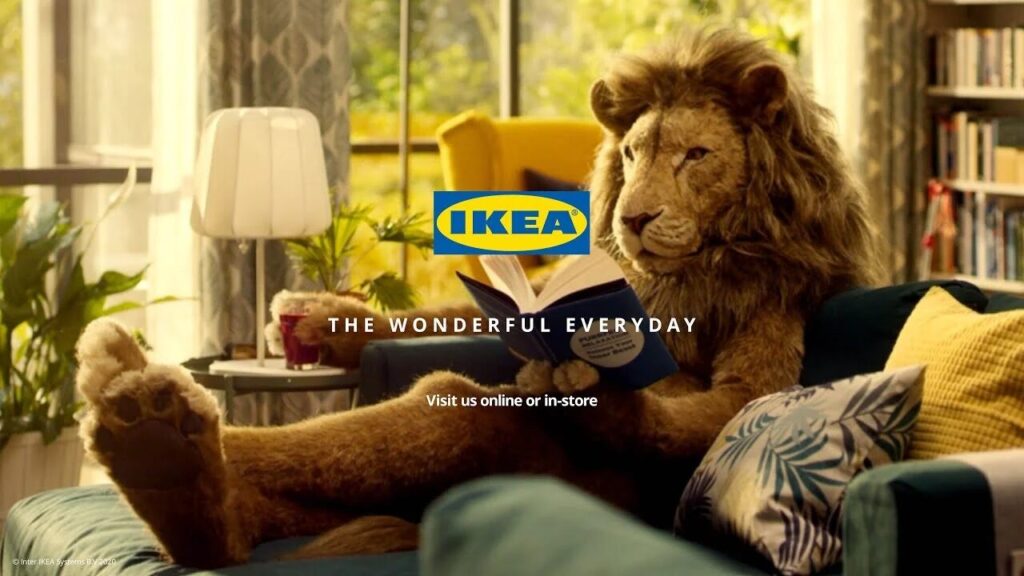
Across markets, the tagline “The Wonderful Everyday” (or local language equivalent) was used at the end of spots and on promotional materials. This tagline encapsulates the brand promise: ordinary days are wonderful with IKEA. It ties back to the official company motto while giving it an emotional twist. As IKEA’s own press notes highlight, the campaign “celebrates how savvy solutions in the home can make your everyday easier, spark moments of joy and live more affordably”. In short, the core philosophy was to elevate the mundane into the magical, showing that even simple home products can unlock delight and belonging.
Creative Strategy and Media Channels
IKEA’s creative approach was deliberately cinematic, surreal and story-driven. Rather than straightforward product demos, each commercial created a little fantasy “world” where a mundane moment takes on magical proportions.
For example, the 2015 UK spot “The Joy of Storage” follows a flock of lost T-shirts across perilous urban obstacles until they find safety in an IKEA wardrobe – illustrating the joy of giving things “a proper home”. In another ad, a man in a lion costume lounges all day to humorously make a point about resting up to care for his future family (tagline: “Relax into greatness”).
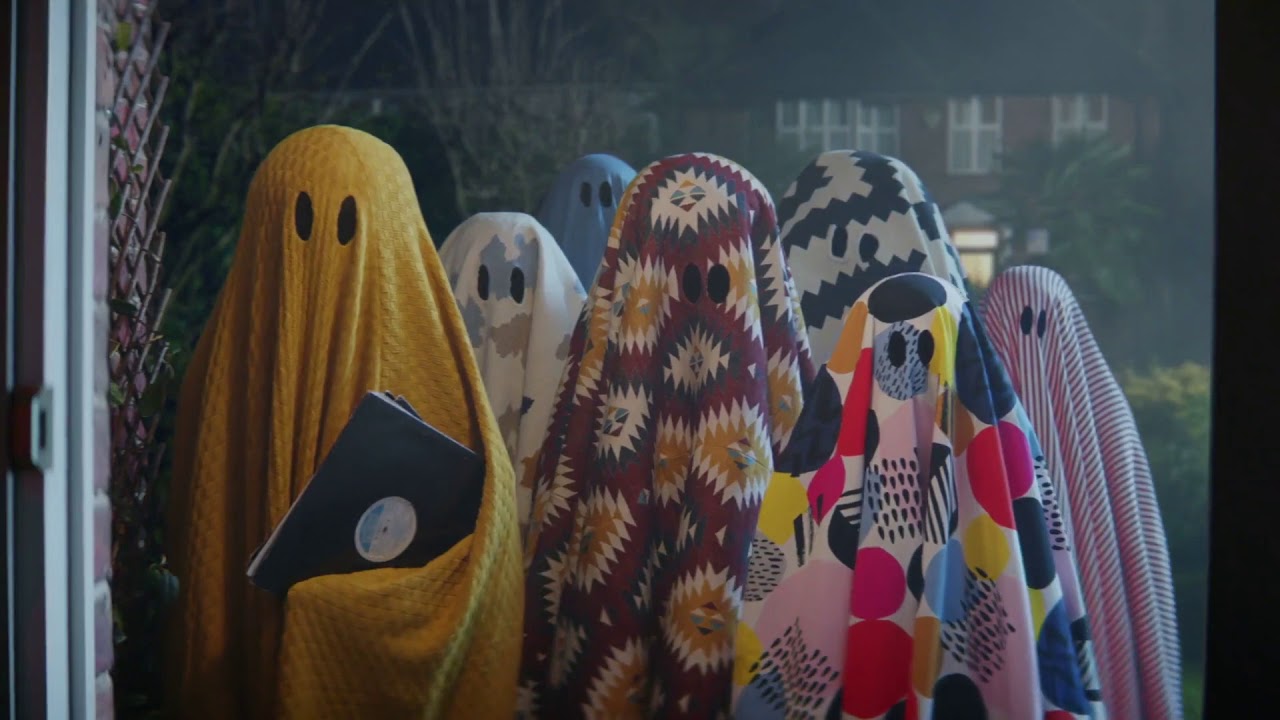
The 2018 “Ghosts” ad shows a drab home invaded by playful, brightly-patterned fabric ghosts who throw a party – a visual metaphor for IKEA textiles bringing life to interiors. These whimsical stories grab attention and make product benefits (storage, bedroom, fabric) emotionally resonant.
Television and cinema were the primary channels. IKEA consistently ran high-production commercials on TV and in theaters (often cut-down 60″ versions to launch each “chapter” of the story). IKEA even dramatically increased its AV presence – in the UK it ran video ads 47 weeks a year, compared to only 20 weeks previously.
Research showed this paid off: cinema viewings in Q4 2016 lifted brand perceptions like “IKEA helps create a better everyday life at home,” and cinema delivered 50% of the campaign’s impact on “brand love.” As one case summary notes, cinema ads had a striking ROI: £18 for every £1 invested. The big-screen format allowed the surreal stories to play out with visual richness and emotional impact.
Alongside TV/cinema, IKEA used print, outdoor and digital in targeted ways. In 2015, the Joy of Storage TV spot was backed by related print ads and digital content: for example, online ads would show wardrobe ideas to people browsing fashion, and out-of-home “bookcase” posters were placed near bookstores. This multi-channel integration ensured a unified theme: all media carried the same wonderful everyday idea, whether in a glossy magazine, a Facebook video, or a store poster.
Social media and digital content played a key supporting role. In 2023 IKEA UK launched “Show Off Your Savvy” using short social-filmlets on Facebook, Instagram and other platforms tied to current trends (like #savvy checks on clothes). Eleven bespoke social clips highlighted IKEA products (air purifiers, LED lamps, etc.) or services (free coffee for members, pre-loved items) to celebrate thrifty living.
These campaigns leveraged digital channels to engage younger audiences: for instance, IKEA filmed humorous TikTok-style videos and encouraged #Savvy stories online. Internally, the campaign theme was also rolled out through IKEA Family emails, in-store signage and loyalty communications. While TV provided the emotional narrative, online and retail touchpoints reinforced the message in more practical, interactive ways.
Localization vs Global Consistency
Though “The Wonderful Everyday” is a global platform, IKEA carefully tailored execution to local markets. The core idea and tagline remained consistent worldwide, but creative stories, cast, language and tone were localized to resonate culturally.
For example, the UK’s 2023 “Show off your savvy” spot leans on British humor and the concept of frugal pride – very fitting in a market sensitive to cost-of-living pressures. In contrast, ads in Sweden or the Netherlands might highlight family togetherness or eco-friendly living, reflecting local values. The universal message – little moments are important – was always there, but each country’s ads feature familiar domestic situations and characters.

IKEA gave its creative agencies autonomy to capture local flavor. As one marketer put it, the global initiative of returning to core purpose became “a culturally-resonant brand platform” in each region.
Nonetheless, the same “wonderful everyday” tagline (or its translation) was stamped on all campaigns, creating a strong global brand signature. In practice, this meant a campaign like “Hooray!” (celebrating small surprises at home) could run in the US or Japan with different actors and home settings, but always end with “The Wonderful Everyday.” This blend of a shared theme with local narratives ensured IKEA maintained a coherent brand identity while still speaking authentically to diverse audiences.
Emotional Storytelling and Brand Connection
A defining feature of the campaign has been its emotional storytelling. By focusing on relatable characters and scenarios, IKEA built a human connection. The stories often evoke nostalgia, humor, or inspiration. For instance, ads about children, grandparents and family life touched on the warmth of home – whether it’s a granddad and granddaughter cooking together (the “Cooks” ad, 2016) or a group of friends suiting up in pajamas for a rooftop “bedtime party” (the 2019 “Nightclub” spot). These vignettes make viewers smile or feel seen in their own routines.

Critically, products are almost incidental. The IKEA solutions are seamlessly integrated: storage boxes quietly transform mess into order, or IKEA’s bedding softly ushers people to sleep in a nightclub scene. This subtlety means the audience pays attention to the narrative, not a hard sales pitch. The effect is to build “brand love” and trust – consumers remember the feeling more than the product name. In fact, research cited by IKEA indicates that after the campaign, perceptions like “IKEA helps create a better everyday life at home” were significantly higher. The campaign’s playful tone also humanized the brand. A UK press release notes that the “whimsical creative work drew attention to things usually overlooked”, which resonated deeply with viewers.
TV has been particularly important as “where IKEA set out its strong point of view on everyday life at home”. In interviews, Mother London’s team explained that TV spots let IKEA revel “in the wonder and magic that endears people to the brand”. This is borne out by media metrics: Digital Cinema Media (UK) attributed roughly 50% of the campaign’s uplift in brand love to cinema ads. Overall, IKEA’s storytelling aimed not just to inform, but to delight. As one creative director put it, by highlighting small pleasures – a well-designed lamp, a cozy bedtime routine – IKEA reinforces that the everyday can be wonderful, making customers feel positively about the brand on an emotional level.
Campaign Performance and Metrics
“The Wonderful Everyday” delivered impressive business results. In the UK – where the campaign began – IKEA not only hit its +8% growth target, it exceeded it for three years running. Official reports show IKEA UK grew sales by +11% in FY2014, +11% in FY2015, and +9% in FY2016. In concrete terms, IKEA UK went from negligible growth to double-digit increases, meeting global mandates and far outpacing its own past. As one marketing summary noted, “Since its launch in January 2014…The Wonderful Everyday has helped IKEA UK deliver +8% YoY growth for three consecutive years”, setting record high incremental sales and return on marketing investment.
Market share rose sharply. IKEA UK’s share of the home furnishing category jumped from around 2% before the campaign to 8.2% by 2016. (This 8.2% figure matches internally reported UK data and third-party research.) Brand metrics improved too: top-of-mind awareness climbed +10% and consideration by +25% in the first year. Perhaps most striking was the impact of cinema advertising: one case study found cinema delivered an £18 return for every £1 spent on it in 2016, underlining how effective the high-quality storytelling was in driving sales.
In award circuits, the campaign’s success was acknowledged as well. At the 2017 Effie Awards UK, IKEA earned two Gold Effies for “The Wonderful Everyday” and was named “Brand of the Year”. Even without disclosing exact figures, IKEA executives confirm that sales objectives were not just met but exceeded across markets. While exact global numbers are scarce publicly, the UK results serve as a proxy for the campaign’s potency. In summary, where IKEA had struggled, the new strategy delivered sustained double-digit growth and halved the distance to market leadership.
Notable Campaign Executions
A few standout ads illustrate the campaign’s creative range:
-
“The Joy of Storage” (UK, 2015): A flock of beloved T-shirts embarks on an epic journey – facing a river, a child’s play, even a dog – before finally landing in an IKEA wardrobe. The voiceover declares, “The home for all the things you love – that’s the joy of storage.” This charming tale visualized the emotional satisfaction of organizing one’s belongings, positioning IKEA storage solutions as enablers of happiness. The campaign was supported with tailored print, digital and outdoor ads (e.g. wardrobe images near fashion stores) to reinforce the message.

-
“Every Home is a Haven” / Buff Bear (UK, 2021): In this humorous spot, a family’s only protection from a telemarketer or unwanted intrusion is a pair of buff bodyguard bears. It ends by noting that the family feels safe and cherished. The insight was simple: “What makes you feel safe when you’re a kid? Cuddling a teddy bear.” By literally deploying giant teddy-bears, IKEA dramatized that every home should feel secure and loving. The ad won creative awards for its playful take on everyday comfort.
-
“Change a Bit for Good” (UK, 2021): Framed like a short sci-fi film, a little robot unsuccessfully tries to clean up pollution (“Defender Droids Save the Planet” reads a billboard). We then see that his own home is practically “powered by IKEA” – an efficient, sustainable environment: from reusable food storage to energy-saving LED lights. In the end, a smile returns to the robot as the spot’s message appears: if everyone makes small sustainable choices (like using IKEA products), we can collectively “change a bit for good”. This ad deepened IKEA’s narrative by linking its solutions to real-world concerns, tapping into viewers’ eco-conscious sentiments.

-
“The Nightclub” (Global, 2019): Though not an IKEA-specific channel, this GIF ad played on social media. It shows crowds queueing into a nightclub, except everyone is in pajamas, stocking hats and carrying pillows. Inside the club, instead of music and drinks, there are bed displays under warm lights – implying that the best night out is a night in, sleeping comfortably. It underscores the comfort of IKEA bedding in a memorable way (to “In Dreams” by Roy Orbison).
-
“Ghosts” (Global, 2018): A refresh on a classic IKEA furniture ad, this commercial shows a family’s drab home covered in white sheets – literally ghostly blandness. Then, colorfully-patterned “ghosts” (representing IKEA fabrics) burst in and throw a hip-hop dance party, transforming every room. The owners return to find their home magically filled with vibrant personality. Tagline: “Be a maverick with fabric.” This illustrates how simple textile choices can transform an environment, playing into the fun, youthful side of IKEA.
Each of these executions tells a story about everyday life – household chaos, bedtime, home decor – and shows IKEA items solving a problem or enhancing joy in a surprising way. The creativity of the stories, backed by IKEA’s accessible pricing and reliability, makes them memorable to customers.
Conclusion
IKEA’s “The Wonderful Everyday” campaign is a powerful example of long-term, purpose-driven branding. By focusing on people’s daily lives rather than the products themselves, IKEA rekindled an emotional bond with its audience. The campaign’s strategic objective – to reverse slowing growth by putting IKEA at the heart of the home – was clear and consistently pursued. Globally, the theme remained the same: celebrate the beauty in ordinary moments. Locally, IKEA adapted the tone and specifics so that each market saw its own cultural cues, while retaining the universal message.
The results speak for themselves. In the UK, where the campaign launched, sales and share surged – achieving sustained 8–11% annual growth and climbing to an 8%+ market share. Brand metrics rose in tandem, and the work won multiple industry honors. Equally important, the campaign strengthened IKEA’s brand identity worldwide: it’s no longer just a furniture store, but a storyteller in home life.
In sum, “The Wonderful Everyday” has become a template for emotional, customer-centric marketing. By placing authentic human moments at the center and letting IKEA products play a supporting role, the campaign forged a deep customer connection. It turned otherwise mundane activities – waking up, cooking, playing – into occasions of wonder, reinforcing that with IKEA, every day at home can indeed feel extraordinary.
Also Read: Marketing Strategies, Marketing Mix & STP Analysis of IKEA
To read more content like this, subscribe to our newsletter