Last Updated on July 22, 2025 by Team TBH
What are people really looking for in a world full of choices, flashy messages, and endless features? The answer is simplicity and a clear path. Today, the most trusted business models are the ones that feel easy to use—tools and brands that just “work.” You don’t have to overthink. You don’t get lost. You get results without stress. That effortless feeling doesn’t happen by accident—it’s the result of intentional design.
In 2025, the most successful companies aren’t the ones doing the most—they’re the ones making complexity feel invisible. In this article, we’ll explore why simplicity builds trust, how top companies design for it, and how you can apply the same psychology to your business—even when your backend is complex.
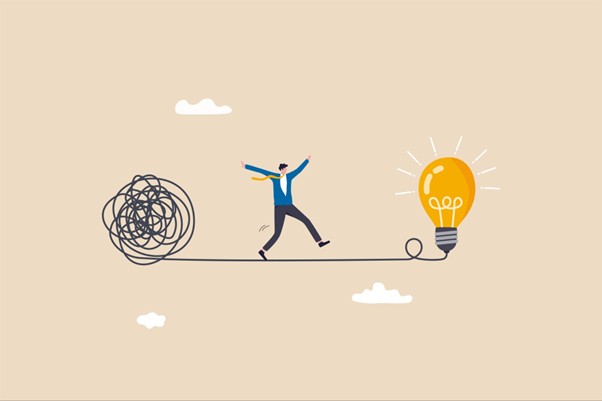
Simplicity Is an Illusion—But a Powerful One
At first glance, simplicity seems simple. But creating an experience that feels effortless is one of the hardest things in business.
Why People Trust Things That Feel Easy
When a product is easy to use, people assume it’s smart. They also assume the company behind it is competent. This is the power of what psychologists call processing fluency—when the brain understands something quickly, it tends to believe it’s good, useful, or trustworthy.
A clean, intuitive website makes users think the company is well-run. Fast, clear customer support builds brand loyalty. We trust what we don’t have to wrestle with—even if the systems behind it are incredibly complex.
Smart Brands Hide Complexity
Think about Apple, Stripe, or Duolingo. Their front-end experiences are clean and minimal, but behind the curtain are massive operations: supply chains, security frameworks, AI systems, and customer data infrastructure. These companies succeed because they manage complexity without showing it.
Here’s the secret: Simplicity isn’t about offering less—it’s about showing less friction. Your product can have powerful features, but users should only see what they need, exactly when they need it.
The Branding Power of Simple Models
Simplicity doesn’t just shape user experience—it’s also a branding advantage.
Fewer Choices = More Confidence
Ever feel overwhelmed by a menu with 100 items? That’s decision fatigue. The more options you present, the more likely users are to freeze—and walk away.
Smart companies simplify choices. Instead of laying out everything at once, they guide the user step-by-step, making each decision feel obvious. This leads to faster action and more trust.
Clarity Builds Trust
Minimal design and clear communication aren’t just aesthetic—they create a sense of control. When users aren’t faced with jargon, multiple logins, or vague CTAs, they feel they’re in capable hands.
Do One Thing Really Well
Many modern startups succeed by focusing on a single, high-value function:
- Calendly: Booking meetings, simplified.
- Figma: Collaborative design, made easy.
- Superhuman: Fast, delightful email experiences.
These tools win because they remove effort from one important task.
The Operational Discipline Behind “Effortless”
Here’s the catch: to make the front-end feel light, the back-end must be rock-solid.
Smooth Experiences Require Solid Systems
What feels like magic to the user—instant loading, seamless transitions, perfectly timed notifications—is actually the result of rigorous planning, smart tech, and coordinated teams.
Behind the scenes, this often includes:
- Defined roles and workflows
- Automation for repetitive tasks
- Platforms that centralize team efforts
Automation and Delegation Are Essential
To avoid overwhelming both users and internal teams, businesses must lean on automation. Smart tools send the right message, prompt the right action, and respond without manual intervention.
One example is OnlyMonster (https://onlymonster.ai/creators), which helps brands automate fan interactions, track revenue, and manage workflows without overwhelming the user experience. On the surface, fans get a smooth ride—underneath, the tool handles the heavy lifting.
Why Clean on the Outside Means Complex on the Inside
Imagine a theater production. The audience sees the actors and stage—but behind the curtain are technicians, props, cues, lighting grids, and scripts all in motion. Business is no different.
Simplicity is achieved not by cutting corners, but by designing layers of support that stay invisible to the user.
How to Design for Simplicity at Scale
As your business grows, so does the risk of adding friction. Here’s how to stay simple—even at scale.
Step 1: Map the Emotional Journey
It’s not just about what users do—but how they feel while doing it.
Ask yourself:
- Where might users feel confused or stuck?
- Are there too many steps for a basic task?
- Which areas of the app or site cause hesitation?
Even small emotional disruptions can break trust. Remove them.
Step 2: Eliminate Micro-Frictions with Smart Tools
Micro-frictions—like slow-loading forms or unclear confirmation messages—erode simplicity. Address them with:
- Pre-filled forms or saved progress
- Automatic onboarding emails
- Smart routing that directs users instantly
These changes compound to create a feeling of speed and clarity.
Step 3: Build a Scalable Design System
When teams grow, inconsistency grows too. A design system helps prevent that.
Your design system should include:
- Clear visual and interaction standards
- Naming conventions for content and assets
- Templates that match your brand tone
Combined with SOPs, these keep your experience unified—even across teams.
Conclusion
Simplicity isn’t about removing value—it’s about removing resistance.
When users feel guided, not confused—when options are clear, not cluttered—they’re more likely to trust, act, and stay loyal. Simplicity is your best conversion tool.
The smartest companies of 2025 aren’t simplifying out of luck. They’re building it—with process, planning, and intentional tools. And if you want to simplify your backend while keeping the user experience seamless, OnlyMonster is designed to help modern brands stay in control while scaling with ease.
Simplicity isn’t the absence of complexity. It’s the mastery of it.
To read more content like this, explore The Brand Hopper
Subscribe to our newsletter