Last Updated on August 17, 2025 by Team TBH
7UP is a globally recognized lemon-lime soft drink brand known for its crisp, clear, and caffeine-free formula. Launched in 1929 in the United States, 7UP carved out a unique identity in a cola-dominated market by positioning itself as a refreshing alternative to dark, caffeinated sodas.
Over the decades, the brand has been managed by different companies (today by Keurig Dr Pepper in the U.S. and PepsiCo overseas) but has consistently maintained a youthful, light-hearted image. From its earliest days, 7UP’s marketing emphasized qualities like clarity, purity, and upliftment – even famously advertising in the 1930s that it was so pure it could be given to babies (a claim that reflects a very different era of advertising).
In the battle for consumers’ attention, 7UP took bold and creative approaches to stand out. The brand has launched memorable campaigns and slogans that became part of pop culture, such as “The Uncola,” which flipped the script on cola advertising, and the cheeky “Make 7UP Yours” campaign that sparked both laughs and t-shirt sales.
Through the years, 7UP’s marketing strategies have ranged from employing iconic mascots and humor to tapping into music trends and local cultures. These efforts have not only kept the brand relevant but also helped it cultivate a distinct personality in the beverage market.
In this article, we’ll delve into the top marketing strategies of 7UP. We’ll explore how the brand’s differentiation as the “Uncola”, use of mascots and characters, penchant for humorous advertising, innovative experiential campaigns, leveraging of nostalgia, local cultural marketing, partnerships in music/pop culture, and savvy digital engagement have all contributed to its enduring popularity. Each strategy is illustrated with examples from past and present campaigns, showing how 7UP consistently finds creative ways to connect with consumers globally.
Marketing Strategies of 7UP
1. The “Uncola” – Differentiation as an Alternative to Colas
One of 7UP’s most famous and defining strategies was positioning itself as “The Uncola.” In the late 1960s, faced with Coca-Cola and Pepsi’s domination, 7UP and its agency J. Walter Thompson made a daring move: instead of mimicking the cola giants, they embraced being the opposite. The 1967 “Uncola” campaign presented 7UP as the antithesis of cola—everything cola was not. This positioning resonated strongly with the era’s counterculture movement, which valued breaking away from establishment norms. By branding 7UP as “the Uncola,” the company tapped into the zeitgeist of the late ’60s, appealing to young consumers who wanted something different from the mainstream.
The Uncola campaign’s creative execution reinforced this outsider image. Advertisements featured eye-catching visuals like upside-down cola glasses to literally “turn the cola idea upside down,” emphasizing 7UP’s difference. In TV commercials, actor Geoffrey Holder famously held up cola nuts in one hand and lemons and limes in the other, proclaiming them as “Uncola nuts” to dramatize 7UP’s unique lemon-lime flavor versus cola’s nut extract flavor. The messaging was playful and irreverent, with slogans such as “Wet ‘n Wild” and “See the Light, Feel the Bite” that made choosing 7UP seem not only different, but more fun. Even 7UP’s product attributes were turned into marketing positives – its lack of caffeine became a selling point summed up by the cheeky tagline: “Never had it, never will”, reassuring consumers that 7UP was pure and wouldn’t give them the jitters.
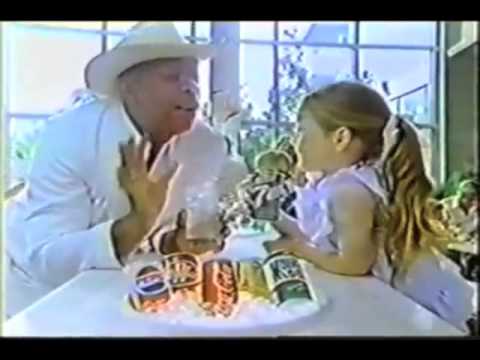
The impact of the Uncola strategy was significant and lasting. Throughout the 1970s (and even into the ’80s), 7UP’s market share climbed as the Uncola campaign ran for nearly a decade. It cemented 7UP’s identity as the non-cola soda, a brand for independent thinkers or those simply seeking a clear, crisp refreshment in contrast to the “status quo” colas. This differentiation was a masterstroke in branding – a classic example of disrupting a crowded market by proudly flaunting what makes you different. The Uncola ethos would echo in many future campaigns, making “7UP” synonymous with originality and clarity. Even today, marketing professionals look back on the Uncola campaign as “one of the most audacious and successful branding efforts” that redefined 7UP’s image and gave it a unique voice in advertising history.
2. Iconic Mascots and Visual Branding
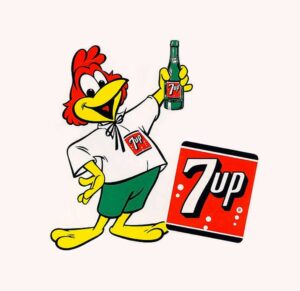
7UP has a rich history of using mascots and animated characters to personify its brand’s quirky, cool personality. Long before modern brands embraced mascots, 7UP was experimenting with them. In the 1950s, a cartoon rooster named “Fresh-Up Freddie” (created in collaboration with Disney) appeared in 7UP ads, giving households tips on entertaining with plenty of 7UP on hand. This early mascot set the tone for 7UP’s friendly and fun image. But it was in the 1980s and 1990s that 7UP’s mascots truly became pop culture icons.
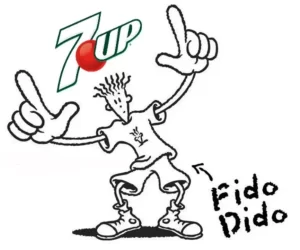
One beloved character is Fido Dido, a doodle-style cartoon figure with spiky hair and a laid-back attitude. Created by independent artists in 1985 and licensed to PepsiCo in 1987, Fido Dido became 7UP’s ambassador in international markets. During the late ’80s and early ’90s, Fido Dido’s cool, unruffled persona – always seen in a 7UP T-shirt and shorts – perfectly embodied the brand’s easygoing, youthful vibe. He was featured in ads and merchandising worldwide, making the character synonymous with 7UP’s identity in many countries. Notably, Fido never spoke; his charm was in his chill demeanor, which transcended language barriers. The mascot was so popular that even when he was phased out for a time, consumers remembered him fondly – leading to a nostalgic revival decades later (more on that in the Nostalgia section).
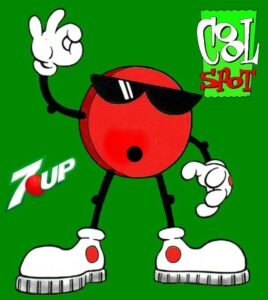
Another memorable 7UP mascot was “Cool Spot,” introduced in 1987. Cool Spot was an anthropomorphized version of the red dot from the 7UP logo, brought to life with sneakers, sunglasses, and plenty of ’tude. This character starred in numerous American ads and even made the leap into video games – a novel form of marketing at the time. The Cool Spot 1993 platformer video game (and its sequel Spot Goes to Hollywood in 1995) let players control the red dot mascot through various adventures. These “advergames” were more than just merchandise; they were cross-channel marketing innovations that helped ingrain 7UP in youth culture. By engaging kids on their Nintendo or Sega consoles, 7UP extended its brand experience beyond TV and billboards, demonstrating early on the power of interactive brand content.
Through mascots like Fido Dido and Cool Spot, 7UP managed to create a visual identity that was instantly recognizable and relatable. The use of cartoon figures gave the brand a “cool friend” persona – someone you’d hang out with on a sunny afternoon sipping a soda. These characters also allowed for global consistency with local appeal: Fido Dido, for example, resonated in many international markets, leading to his reintroduction in the early 2000s globally (outside the U.S.) when PepsiCo again leveraged his popularity. The success of 7UP’s mascots underscores a strategic insight: a strong brand character can become the face of the brand’s values and help build emotional connections with consumers across generations.
3. Humorous and Edgy Advertising Campaigns
Humor has long been a hallmark of 7UP’s marketing, as the brand often opts for wit and irreverence to engage consumers.
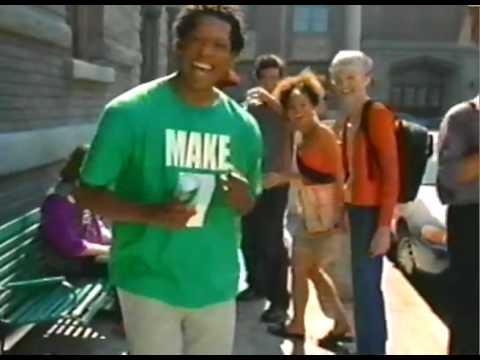
A standout example of this strategy is the late-1990s “Make 7UP Yours” campaign, one of the most talked-about soda ads of its time. Launched in 1999 with actor-comedian Orlando Jones as spokesman, the campaign used a brilliant double entendre: Jones wore a T-shirt that read “Make 7UP” on the front and “Yours” on the back – together forming the cheeky phrase “Make 7UP Yours.” In TV commercials, this phrase was played for laughs as passersby misinterpreted the back of his shirt (which effectively said “7UP Yours!”) as a rude joke. This edgy humor broke through the advertising clutter, endearing the brand to younger audiences who appreciated the subversive tone. The slogan became a pop culture catchphrase and even a fashion statement – 7UP sold those T-shirts in droves as demand surged for the prankish merch. The campaign was so successful it ran until 2005 and is still remembered for its bold, comedic flair.
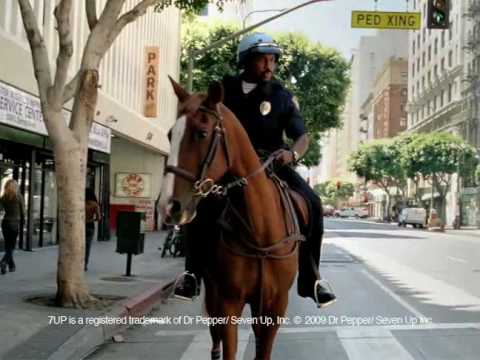
7UP’s use of humor extends beyond just taglines – it often centers entire campaigns on funny scenarios or characters. In the early 2000s, following “Make 7UP Yours,” the brand continued with offbeat spokespeople and skits. For instance, 7UP ran a series of ads under the “Ridiculously Bubbly” theme, which humorously depicted grumpy or serious celebrities becoming giddily cheerful after sipping a 7UP. In one such ad around 2009, actor Brad Garrett (known for his deadpan demeanor) starts out stone-faced but breaks into euphoric dancing once he drinks 7UP, illustrating that even the most dour person can’t resist 7UP’s bubbly uplift. The tagline drove home that even the “un-bubbliest” folks become bubbly with 7UP, using exaggeration and irony to communicate the drink’s mood-lifting refreshment. This lighthearted approach highlighted 7UP’s “mood-boosting” identity, harkening back to its original 1920s positioning as a pick-me-up tonic (though thankfully without the old lithium ingredient!).
By leveraging humor – sometimes gentle, sometimes edgy – 7UP establishes an approachable, youthful brand voice. The comedy in its ads often underscores a product point (caffeine-free relaxation or bubbly happiness) in a way that feels authentic and entertaining rather than overtly salesy. This strategy has helped 7UP foster a sense of community with its audience: we all share a laugh, and by extension, share a positive feeling about the brand. Whether through a punny slogan or a sight gag in a commercial, 7UP’s consistent use of humor as a marketing tool has kept its advertising fresh in consumers’ minds while differentiating it from more serious-toned competitors.
4. Experiential Marketing and Feel-Good Stunts
7UP has also ventured beyond traditional ads into experiential and guerrilla marketing – creating real-world stunts and interactive experiences that embody the brand’s optimistic spirit. A prime example is the #FeelsGoodToBeYou campaign, a global brand initiative focused on celebrating creativity and self-expression. Under this banner, 7UP executed several attention-grabbing stunts that not only engaged onlookers but produced heartwarming content to share worldwide.
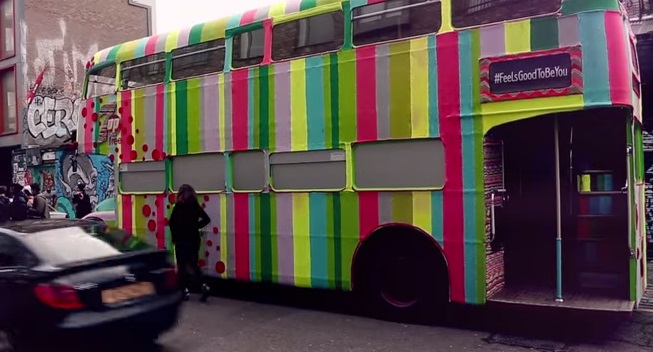
One unforgettable activation was the 7UP Knitted Bus in London. In 2014, 7UP collaborated with Magda Sayeg – the pioneer of “yarn bombing” street art – to cover an entire classic Routemaster double-decker bus in vibrant, woven yarn designs. The bus was wrapped top to bottom in multi-colored knit, complete with the 7UP logo and the tagline “Feels Good To Be You” integrated into the pattern. This whimsical moving artwork turned heads all over London and on social media. Passersby were not only amazed at the sight, many literally reached out to touch the fuzzy bus, making it a fully interactive experience. The choice of a yarn-bombed bus was symbolic: 7UP Free’s brand message was about self-expression and being true to oneself, and this quirky art stunt appealed to millennials’ love for creativity and fun. The campaign achieved global press coverage in over 140 countries, greatly amplifying its reach. In a thoughtful post-script, 7UP even donated the yarn material to animal shelters for bedding after the campaign, reinforcing the feel-good factor of the project.
Another remarkable experiential effort was the 7UP Wall of Music in the Middle East. In a war-scarred neighborhood of Beirut, Lebanon, 7UP looked at a bullet-riddled wall – a remnant of past conflict – and saw an opportunity to spread hope. The brand turned a wall peppered with bullet holes into a functional musical installation. Specifically, seven bullet holes were each fitted with precision motion sensors linked to musical notes of a cheerful 7UP jingle. When people walked by and waved a hand near the holes, they would trigger the notes, literally transforming scars of war into sounds of joy. 7UP filmed locals interacting with the wall, capturing their surprised smiles as the dull thud of history became a playful melody. The resulting video, shared on social media, resonated widely – garnering over 1.5 million views and demonstrating the brand’s commitment to finding light in darkness. The Wall of Music embodied 7UP’s ethos that a simple act of creativity can uplift spirits, much like a sip of soda can refresh on a tough day.

Through such experiential campaigns, 7UP effectively brings its brand values to life. These stunts are shareable storytelling moments – a yarn-covered bus or a singing wall instantly invite conversation and online sharing, giving 7UP a viral presence beyond conventional ads. More importantly, they reinforce a brand image of positivity, creativity, and community engagement. By investing in real-life moments of surprise and delight, 7UP builds an emotional connection with consumers: the brand isn’t just selling a drink, it’s delivering smiles and memorable experiences.
5. Nostalgia and Retro Appeal
Like many heritage brands, 7UP has learned the power of nostalgia – leveraging its rich history to evoke warm feelings and reconnect with consumers. In an age where “throwbacks” and “retro” are in vogue, 7UP has leaned into its past icons and imagery as a marketing strategy, bridging generational gaps and reminding people of the brand’s legacy of fun.
A striking instance of nostalgia marketing came in 2018, when 7UP revived Fido Dido and a series of vintage designs for a limited-edition global campaign. The brand released special 7UP bottles, each celebrating a different decade of its history. The 1950s bottle exclaimed “SURE IS SWELL,” capturing mid-century slang; the 1960s one touted “FAR OUT FLAVOR,” nodding to the hippie era. The 1970s design featured “GET DOWN, 7UP,” while the 1980s bottle proudly bore “CLEARLY THE UNCOLA,” harkening back to the famous Uncola slogan. For the 1990s, the packaging brought back the “King of Cool” himself – Fido Dido – depicted relaxing in a hammock, just as he might have in a ’90s ad. Finally, a 2000s edition declared “TIMELESS TASTE,” reminding consumers that the 7UP flavor endures through the ages. By printing these retro slogans and graphics, 7UP turned its bottles into a shelf display of memories spanning 70 years of pop culture and advertising trends.
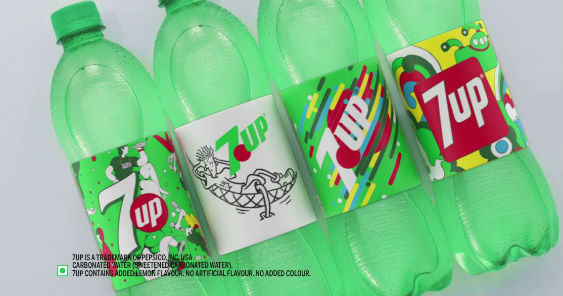
The return of Fido Dido as the face of this campaign was a masterstroke in nostalgia. Fans who grew up with Fido in the ’80s and ’90s were thrilled to see him again, and younger consumers discovered a character with instant “old-school cool” appeal. Gaurav Verma, PepsiCo’s marketing lead in India, explained that many of the things people remembered most fondly about 7UP were tied to Fido Dido and past slogans, so it made sense to bring them back in the era of retro remixes and vintage comebacks. “In the age of throwbacks and selfies,” Verma noted, “the 7UP vintage bottles are the perfect representation of our ‘Shelf to Media’ strategy” – meaning the products themselves sparked online sharing and conversations. Indeed, consumers snapped photos of the stylish bottles and nostalgia-driven merchandise, effectively turning the limited-edition packaging into free social media content for the brand.
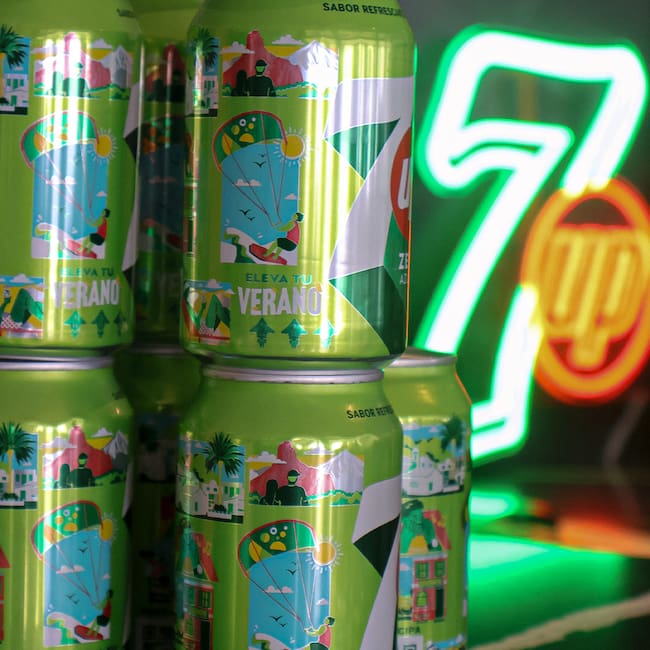
Nostalgia isn’t just about packaging for 7UP; it also informs content and messaging. The brand’s communications sometimes wink at its history – for example, re-airing or referencing the classic Uncola themes in modern ads, or celebrating anniversaries with throwback imagery. In certain markets, 7UP has played into local nostalgia as well. A recent 2025 campaign in the Canary Islands tied 7UP to regional pride by featuring beloved local symbols on cans (such as the islands’ landmarks and cultural icons), essentially “bottling” the nostalgia and belonging that Canary residents feel for their home. This clever use of nostalgia and local heritage was noted as “a textbook of geographic marketing… tapping into local pride. It’s the business of nostalgia and belonging, bottled and ready for mass consumption.” Whether global or local, 7UP’s nods to the past create an emotional bridge – they remind older consumers of happy memories and introduce younger ones to the brand’s playful heritage, all while reinforcing that 7UP has been spreading smiles for generations.
Also Read: A Deep Dive into the Marketing Strategies of Mountain Dew
6. Localization and Cultural Relevance
While 7UP is a global brand, it has not taken a one-size-fits-all approach to marketing. A key strategy has been localizing campaigns to resonate with regional cultures and tastes. By tailoring its messaging, language, and even celebrity endorsements to different markets, 7UP ensures it feels familiar and relevant to consumers from the U.S. heartland to South Asia to the Canary Islands.
One vivid example of cultural localization is 7UP’s focus on local pride in marketing. As mentioned, the Summer 2025 campaign in Spain’s Canary Islands honored each island by depicting its unique icons (from landscapes to folklore) on 7UP cans. This campaign wasn’t just about pretty graphics – it was rooted in an understanding that Canarians have a strong regional identity. By literally waving the Canary flag on its packaging, 7UP appealed to consumers’ emotions, saying “we celebrate what you celebrate.” The strategy was a response to decades of loyal sales in that market, aimed at reactivating lapsed consumers by tugging at their heartstrings. Observers praised it as smart marketing disguised as a heartfelt tribute – “a well-orchestrated marketing operation that disguises pure commercial strategy with the patina of a moving tribute”. In other words, 7UP sold more soda by aligning itself with the nostalgia and belonging of a local culture, a tactic that can be incredibly powerful when done sincerely.
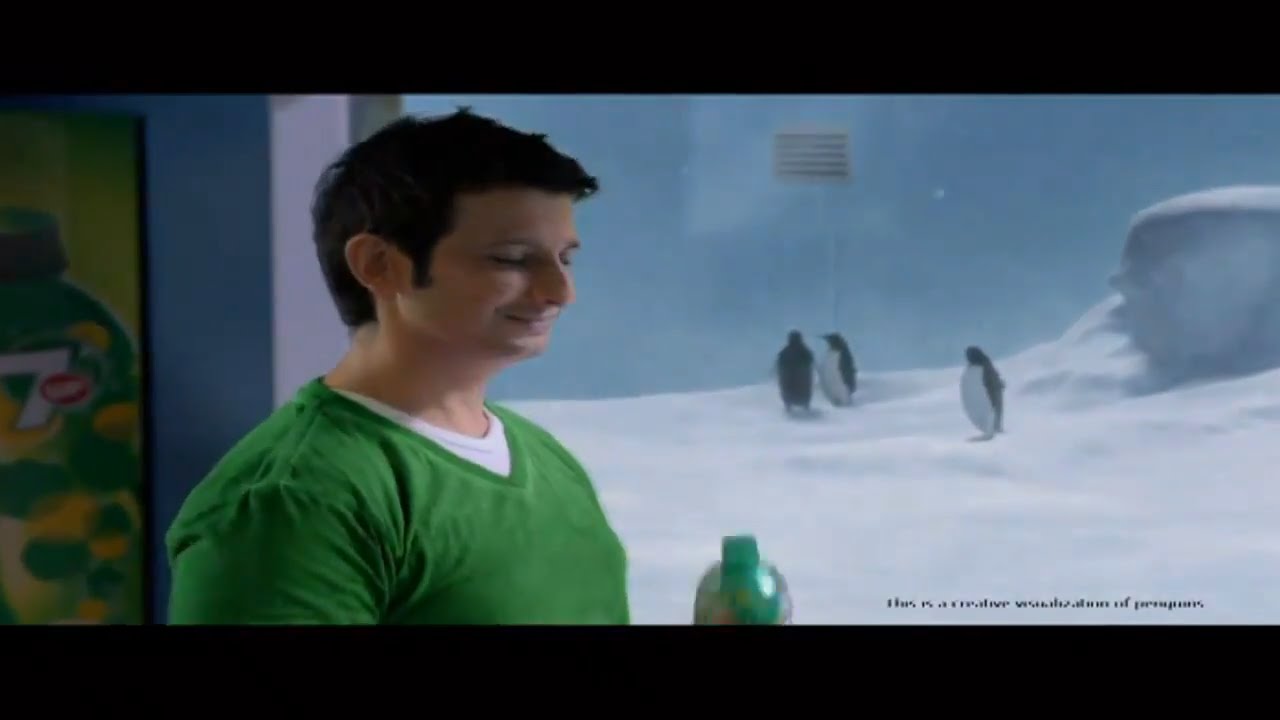
In India, 7UP has also excelled at cultural customization. For instance, in the 2010s, 7UP adopted the Hindi tagline “Dil Bole I Feel UP,” which loosely translates to “My heart says I feel upbeat.” This tagline mixed English and Hindi in a catchy way that connected with young Indian consumers. To bring that philosophy to life, 7UP launched region-specific campaigns like the 7UP Dance for Me competition across South India. The brand enlisted popular regional film stars Allu Arjun and Simbu as brand ambassadors to host a dance contest for fans. The campaign tapped into the local passion for dance and cinema, offering huge prizes and a chance for ordinary people to share the stage with their idols. Branded as spreading “India’s undying UPtimism and positive attitude,” the contest integrated on-ground events with TV commercials in multiple local languages, plus outdoor and digital promotions.
These examples illustrate a broader pattern: 7UP speaks to everyone by speaking in their language – literally and figuratively. In Latin America, this might mean featuring Latin pop music in ads; in the Middle East, incorporating local music or comedy; in Europe, aligning with local summer festivals. The brand often empowers its country marketing teams to be creative and culturally specific. This localization strategy helps 7UP avoid the trap of feeling like a faceless multinational. Instead, consumers in each market see “their 7UP” – a version of the brand that gets their humor, celebrates their culture, and quenches their thirst both physically and emotionally. It’s a reminder that even as 7UP maintains a consistent core brand worldwide (freshness, fun, lemon-lime taste), how those qualities are conveyed can be adapted to maximize local relevance.
7. Music and Pop Culture Partnerships
7UP’s marketing savvy includes aligning itself with music and pop culture movements that captivate its target audience. Perhaps the most notable example is 7UP’s big bet on electronic dance music (EDM) in the mid-2010s – a strategic move to ingratiate the brand with millennial and Gen Z consumers. While many beverage brands sponsor concerts or use pop songs in ads, 7UP went deeper, effectively becoming a patron of the EDM community for a period of time and using that platform to amplify its “live it up” brand persona.
In 2014, 7UP launched a year-long campaign called 7x7UP, dedicated entirely to electronic dance music culture. The concept was “7 DJs, 7 Shows”: the brand partnered with seven up-and-coming DJs, supported their music journeys, and featured them at 7UP-branded events. International superstar DJ Tiësto signed on as 7UP’s ambassador and mentor for this initiative. In a spectacular kickoff stunt titled “Light It Up,” 7UP and Tiësto staged a surprise EDM show in Valparaíso, Chile – complete with a hillside illuminated in sync with the music – signaling that 7UP was literally lighting up the dance music scene. Throughout the year, Tiësto and 7UP’s team coached six emerging DJs (such as Danny Avila, Dzeko & Torres, and others) and gave them opportunities to perform on big stages, including a 7UP-branded stage at the massive Electric Daisy Carnival festival. The campaign mixed live events with digital content: 7UP shared documentary-style videos on a dedicated Tumblr and YouTube series, so fans could follow the artists’ journeys.
What made this strategy shine was its authenticity. Rather than just plaster logos at concerts, 7UP became part of the narrative of EDM, celebrating the music and supporting the creators. The EDM audience – largely millennials known to be marketing savvy and resistant to inauthentic branding – responded positively to 7UP’s genuine involvement. In fact, 7UP was named “EDM Brand of the Year” for seamlessly winding itself into dance music culture in a way that enhanced fans’ experiences. As 7UP’s VP of Marketing Dave Falk explained, “We know our Millennials are passionate about electronic music, and we want to help foster a more intimate connection between the fans, the music, and DJs.” This mission resonated because it wasn’t just about selling soda; it was about contributing value to something the audience loved. By entertaining and empowering music fans, 7UP earned goodwill and a robust social media ripple effect (as festival-goers shared their 7UP experiences online).
Beyond EDM, 7UP has dabbled in other pop culture tie-ins. The brand’s earlier ventures like the Cool Spot video games in the ’90s were precursors to this, merging soda with the gaming world. Over the years, 7UP has also sponsored or integrated with TV shows, comedy tours, and sports events (for example, it was an early sponsor of the Jerry Lewis Telethon in 1974). Each of these partnerships served to put 7UP in front of enthusiastic audiences in a natural way. The lesson from 7UP’s pop culture strategy is clear: identify what your target loves, and then love it with them. By championing music and entertainment that its consumers are passionate about, 7UP strengthens its reputation as a brand that’s in tune with the times and the things that bring people joy.
8. Digital and Social Media Engagement (Influencers and Virality)
In the modern marketing landscape, 7UP has kept pace by embracing digital platforms and influencer-driven content to reach consumers where they spend much of their time: social media. The brand’s recent campaigns show a flair for creating visual, shareable moments tailored for the age of Instagram, TikTok, and YouTube, often with the help of online creators and clever digital storytelling.
A fresh example (literally “fresh” as it involves snow in summer!) is the “7 Days of Super Duper Summer” social media campaign that 7UP launched in mid-2025. This campaign was essentially a week-long social stunt designed to surprise and delight viewers on their feeds. The premise: 7UP is so refreshingly cool that it can even make it snow in the scorching summer. To execute this, 7UP worked with popular content creators and celebrities across the Middle East and South Asia – regions known for extreme heat – and created short, cinematic videos where opening a can of 7UP causes an instant snowfall in an otherwise sweltering scene. For example, an influencer in Karachi might open a 7UP on a 40°C day and suddenly the street corner is blanketed in snow; in another clip, a Dubai rooftop turns into a winter wonderland when 7UP appears. These videos, enhanced by CGI magic, were rolled out one per day in different cities over a week, each showcasing a “snowy surprise” triggered by 7UP. The content was highly shareable: it had an element of the unexpected, some humor, and a visceral sense of relief – watching snow fall on people sweating in summer delivers a vicarious chill! As the campaign peaked, 7UP compiled the highlights into a montage reel, ensuring the buzz reached a global audience beyond the initial markets.
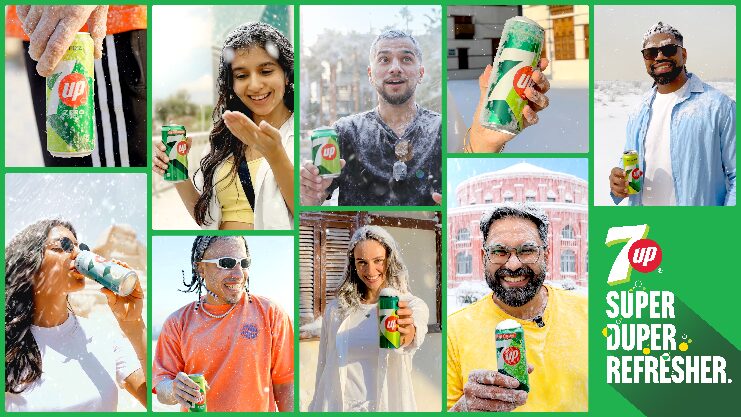
What made “Super Duper Summer” especially effective was the integration of influencer marketing. By partnering with locally beloved social media personalities – from Cairo to Mumbai – 7UP leveraged their followings to kickstart the viral spread. These influencers posted the snowy videos to their own audiences, lending authenticity (as if saying, “Yes, this is what happens when I open a 7UP!”). Then their fans shared it onward, often with the 7UP branding intact. It’s a strategy of turning consumers into amplifiers by giving them content they’ll want to pass along. The campaign was rooted in a relatable consumer insight (the desperate need to cool down in summer) backed by research 7UP conducted on how heat affects people’s daily lives, which gave the effort an extra layer of credibility. Salman Butt, 7UP’s Senior Marketing Director, explained the approach: “We wanted to do something that not only made people laugh or share, but also made them feel refreshed in the moment. This is what 7UP stands for — a burst of freshness, fun, and refreshment in a world that can feel a little too hot.”. His words capture the essence of 7UP’s social media playbook: entertain the audience, encourage engagement (laughter and shares), and subtly tie it back to the brand promise (instant refreshment).
Besides large campaigns, 7UP’s digital engagement includes interactive contests, hashtags, and challenges that invite user participation. The brand often uses a light, meme-friendly tone on Twitter and keeps its content calendar relevant to trending topics or seasons. By being present and active on social platforms, 7UP continues the conversation with its audience beyond the 30-second TV spot or the store shelf. This two-way engagement helps 7UP stay culturally relevant and top-of-mind, especially among younger consumers. Importantly, the move into digital hasn’t abandoned 7UP’s core identity – instead, it translates the brand’s classic values (optimism, fun, originality) into the language of the internet era. From the Uncola to Instagrammable stunts, 7UP’s ability to adapt its marketing to new channels while keeping its spirit intact is a testament to a brand that truly “feels good” to engage with, whether on a billboard or a smartphone screen.
Also Read: A Deep Dive into the Marketing Strategies of Powerade
Conclusion
Across its many decades in the beverage market, 7UP has demonstrated a remarkable agility in marketing – continually finding innovative ways to tell the brand’s story of refreshment and fun. The strategies explored above show a brand that knows how to differentiate itself and remain authentic. By proudly being the “Uncola,” 7UP set the foundation of being an outsider with a unique voice. Through mascots like Fido Dido and Cool Spot, it gave that voice a cool, friendly face that people could connect with. With humor and edgy wit, 7UP made us laugh and made itself memorable. Through experiential campaigns, it stepped out of the ad frame and into real-life moments of joy. By invoking nostalgia, it reminded us of our personal connections to the brand’s past, while localization strategies made sure 7UP also felt local and relevant in the present. Tapping into music and pop culture, 7UP stayed hip and in tune with what moves its audience. And by embracing digital platforms and influencers, it proved that an almost 100-year-old brand can still lead trends in the age of social media.
What ties all these diverse strategies together is 7UP’s consistent brand personality – one that is light-hearted, uplifting, and a little unconventional. Whether it’s a cheeky one-liner in a 90s commercial or a high-tech snow stunt on Instagram in 2025, the goal is the same: to give people a moment of brightness (and hopefully a craving for a cold 7UP). Marketing experts can glean from 7UP’s example the importance of knowing your core identity but expressing it in ever-refreshing ways. Consumers change and media channels evolve, but a brand that’s willing to be creative, bold, and true to itself will find ways to connect across generations. 7UP’s marketing journey – from the Uncola to the digital snowfalls – exemplifies how to keep a brand fizzing with life. After all, as 7UP might say, if you stay cool and think outside the cola, the sky’s the limit – or perhaps in 7UP’s case, the limit is the snow falling from a summer sky, refreshing everyone it touches.
Also Read: Marketing Strategies And Brand Campaigns of Pepsico
Also Read: A Deep Dive into the Marketing Strategies of Fanta
To read more content like this, subscribe to our newsletter