Last Updated on August 18, 2025 by Team TBH
Kool-Aid is an iconic powdered drink mix brand that has quenched the thirst of generations with its bold flavors and vibrant colors. Founded in 1927 by Edwin Perkins in Hastings, Nebraska, the product was originally sold as packets of powder that could make a large pitcher of sweet, fruity beverage for just a dime. In fact, the early Kool-Aid packets promised 10 glasses of drink for 10 cents, an affordable treat that quickly gained popularity across America and even internationally. During the Great Depression, Perkins astutely halved the price to 5¢, positioning Kool-Aid as an accessible “luxury” for struggling families – a move that cemented its place in American households.

Over the ensuing decades, Kool-Aid grew from a local concoction into a national sensation and cultural phenomenon. General Foods purchased the brand in 1953, and today Kool-Aid is part of the Kraft Heinz portfolio. The drink’s enduring appeal is evidenced by the astonishing volume consumed – an estimated 563 million gallons of Kool-Aid are drunk every year, with roughly 40% of that during the hot summer months. This ubiquity has made Kool-Aid a nostalgic staple of childhood summers for many Americans, and the brand has shown remarkable longevity as it nears the century mark.
A key ingredient in Kool-Aid’s success has been its creative, evolving marketing. From the very beginning, the company embraced fun and imaginative promotions to capture consumer interest. Kool-Aid’s marketing history spans classic radio jingles and TV commercials to modern social media stunts – all the while anchored by a consistent brand identity. The famous Kool-Aid Man mascot (and his boisterous “Oh Yeah!” catchphrase) became synonymous with the brand and remains one of advertising’s most recognizable characters. Today, Kool-Aid’s marketing strategies blend nostalgic charm with contemporary tactics, allowing the brand to resonate with parents who grew up with Kool-Aid as well as today’s digitally savvy youth.
In the following sections, we explore key marketing strategies that Kool-Aid has employed – from leveraging its iconic mascot to innovating on social media – complete with examples from past and present campaigns illustrating how each strategy has kept the Kool-Aid brand refreshing and relevant.
Marketing Strategies of Kool-Aid
1. Leveraging an Iconic Mascot
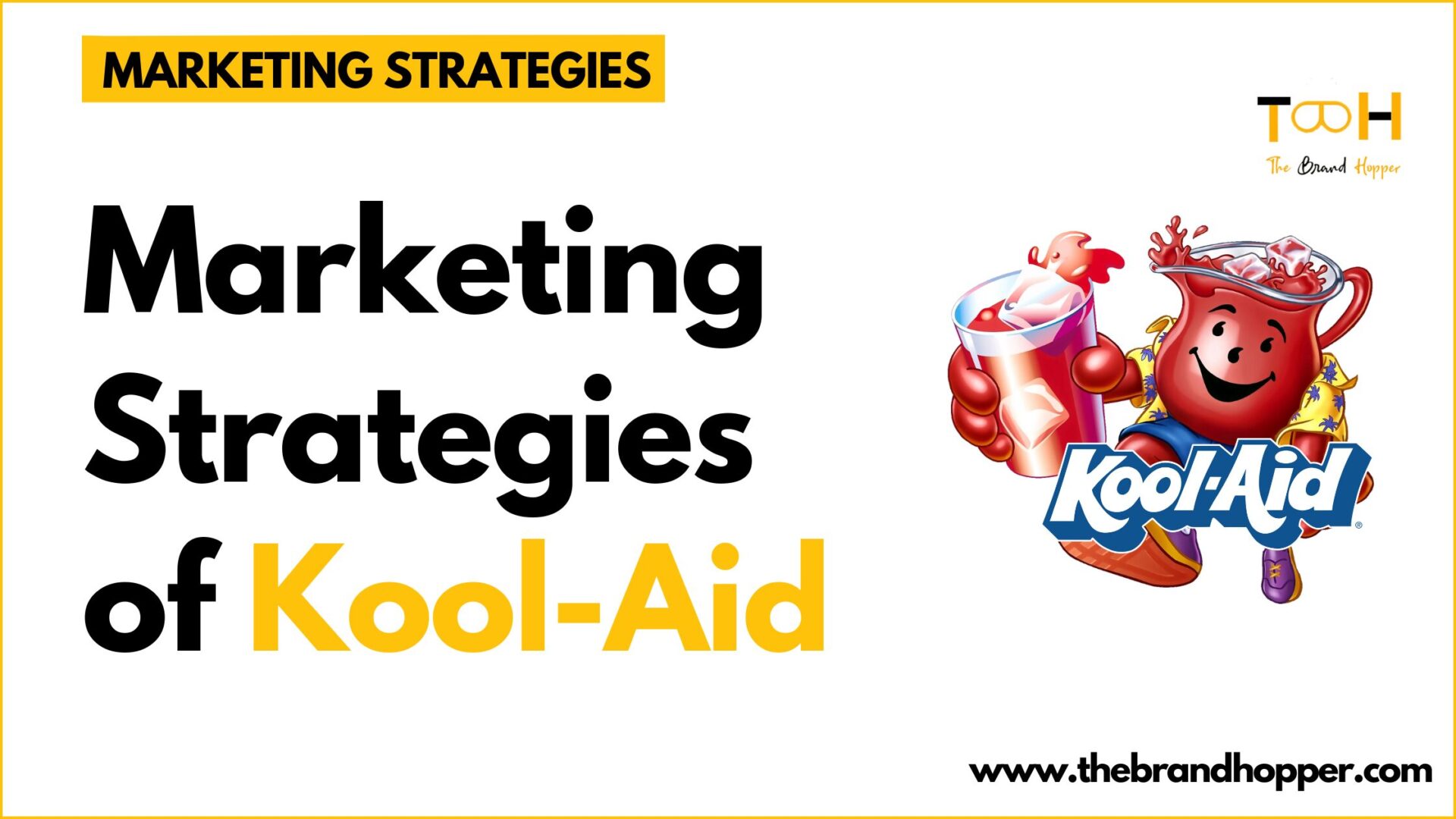
One of Kool-Aid’s most powerful marketing assets is its instantly recognizable mascot, the Kool-Aid Man, and his signature cry of “Oh Yeah!” This anthropomorphic smiling pitcher of fruit punch has been bursting through walls in ads and delighting children since the mid-20th century.
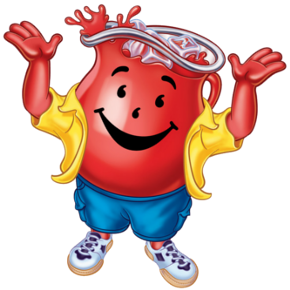
Kool-Aid’s use of a memorable character gave the brand a friendly, fun persona that children loved and could easily recall. The mascot as we know him – a giant, jovial jug – was developed in 1975 by the Grey Advertising Agency to give Kool-Aid a “larger than life” personality. In the now-classic TV commercials, a group of kids would be moping from thirst or boredom, when suddenly the Kool-Aid Man would explode through a wall with a huge smile and a bellowing “Oh YEAH!”, bringing cups of Kool-Aid to save the day. This bombastic entrance wasn’t even pre-scripted – legend has it that on a shoot in the ‘70s someone suggested the mascot should literally crash the scene, leading to the famous wall-smashing gag that became his trademark. The absurd image of a giant pitcher breaking walls to deliver joy was hilarious, cartoonish, and utterly effective in etching Kool-Aid’s brand into pop culture.

Crucially, Kool-Aid has kept its mascot consistent over the decades, preserving that nostalgic familiarity. Unlike many brand characters that get retired or overhauled, the Kool-Aid Man’s design and personality have changed very little since his introduction. He’s always been the same lovable red pitcher with a face, only updated with modern touches (for example, he got a CGI makeover around 2013 to appear in contemporary ads without losing his classic look). This consistency has paid off in consumer recognition – the Kool-Aid Man has a Q-score of 26, reflecting a very high familiarity and likability among advertising characters.
The mascot became such a cultural icon that he extended beyond commercials: Marvel Comics featured him in a short-lived comic book series and there was even an Atari video game starring Kool-Aid Man in the 1980s. Decades of shouting “Oh Yeah!” in TV ads also earned him parody cameos on shows like Family Guy and Robot Chicken, cementing his place in the pop culture pantheon.
Kool-Aid’s marketing continues to put the mascot front and center, using his popularity to engage audiences old and new. Recent campaigns playfully incorporate the Kool-Aid Man into modern contexts – for example, a 2020 campaign had a twist where the Kool-Aid Man “went missing” on a quest to find a new mystery flavor. Fans were invited to help find him (by scanning product packs for clues) and of course, the big red pitcher reappeared once the new flavor was revealed. This campaign cleverly leveraged the mascot’s iconic status (people would notice if Kool-Aid Man vanished!) to generate buzz.
In another instance, Kraft Heinz even featured Kool-Aid Man in a Super Bowl ad crossover – during Planters’ 2020 Super Bowl spot, Kool-Aid Man is seen attending Mr. Peanut’s “funeral” and even sheds a tear that helps resurrect Baby Nut, a humorous nod to his pop culture camaraderie. Whether he’s crashing through walls or unexpectedly popping up in other brand universes, the Kool-Aid Man remains the hero of Kool-Aid’s marketing. By sticking with this lovable mascot and his catchphrase across generations, Kool-Aid ensures that just hearing “Oh yeah!” immediately evokes the brand’s fun, thirst-quenching image.

2. Nostalgia-Driven Marketing and Heritage Appeal
As a brand that’s been around for nearly a century, Kool-Aid expertly taps into nostalgia as a marketing strategy.
Many adults today have fond childhood memories of mixing up a pitcher of Kool-Aid on a hot day or collecting Kool-Aid points (more on that later). Kool-Aid’s marketers recognize this deep well of positive sentiment and deliberately evoke it to keep the brand emotionally resonant.
In fact, nostalgia is “baked into” modern Kool-Aid promotions – the brand often references its past in messaging and visuals to trigger warm memories. For example, Kool-Aid’s official website around 2011 billed the classic unsweetened packets as “a sweet flashback to childhood,” explicitly framing the product as a portal to happier, simpler times. By reminding consumers of “the Kool-Aid of your youth,” the brand reinforces loyalty and encourages parents who loved it as kids to share it with their kids.
Kraft Heinz (Kool-Aid’s parent company) has openly acknowledged leaning on nostalgia to maintain Kool-Aid’s appeal. In 2019–2020, facing stagnant sales, the company doubled down on its iconic mascots and heritage to win back consumers’ hearts, essentially “banking on nostalgia to win over consumers”. This insight was evident in campaigns like the Kool-Aid Man Missing flavor hunt in 2020 – the campaign’s success relied on the fact that Kool-Aid’s audience, including millennials and Gen Xers, have decades of shared history with the Kool-Aid Man and would be charmed by a storyline built around him.
Another nostalgia-infused effort was the brand’s celebration of National Kool-Aid Day. Every year, the second weekend of August is marked as Kool-Aid Days in Hastings, Nebraska (Kool-Aid’s birthplace), complete with a festival that celebrates the drink’s legacy – including a “World’s Largest Kool-Aid Stand,” drinking contests, and even Kool-Aid-themed boat races. While this festival is a community event, Kool-Aid’s marketing certainly amplifies it, reinforcing the brand’s storied heritage and giving fans a chance to relive childhood fun. The company even commissioned a special music video for Kool-Aid Day 2019: the Kool-Aid Man “invited” 50 fans and a host of celebrities via the Cameo app to join him in singing “Oh yeah!” in a mashup video marking over 90 years of Kool-Aid. Featuring familiar faces like Flavor Flav and former teen icons, this video was a nostalgia play aimed squarely at those who grew up with Kool-Aid in the 80s and 90s.

Nostalgia works for Kool-Aid because the brand genuinely spans multiple generations – grandparents remember it from their youth, as do today’s parents and kids. A 2020 retrospective noted that “Kool-Aid seems to make everyone happy… whether it reminds them of a long-ago family picnic or using the stuff to badly dye their hair in high school”. By tapping that reservoir of personal memories, Kool-Aid’s marketing creates an emotional connection that transcends age. We see this in the revival of retro product elements as well.
Over the years Kool-Aid has introduced some 74 flavors and many quirky mascots for those flavors, some of which were retired despite cult followings. In recent times, responding to nostalgic demand, Kool-Aid brought back a few beloved vintage flavors (like the 1980s classics “Purplesaurus Rex” and “Rock-a-Dile Red”) on a limited basis to delight longtime fans. Even such product decisions become marketing moments, as devotees rejoice at the return of a taste from their childhood.
In short, Kool-Aid leverages nostalgia by celebrating its rich heritage – through retro branding cues, commemorative events, re-releases of old favorites, and messaging that encourages consumers to fondly “drink in” memories of simpler times. This strategy not only retains older customers but also endows the brand with a timeless, cross-generational appeal that newcomers find intriguing (“if my parents loved this, maybe I will too”).
3. Kid-Centric Marketing and Fun, Flavorful Branding
While nostalgia appeals to the older crowd, Kool-Aid has never lost sight of its core audience: kids and families. Marketing to children has been a cornerstone of Kool-Aid’s strategy, especially during the brand’s massive growth in the late 20th century. With its bright colors, sweet taste, and smiling mascot, Kool-Aid was deliberately positioned as the ultimate kids’ drink – a strategy that proved incredibly successful (if not without controversy in later analysis).
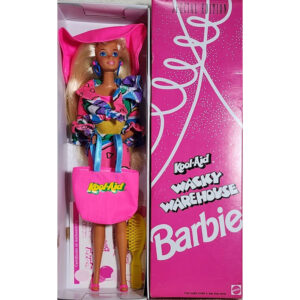
Internal documents revealed that when tobacco conglomerate Philip Morris took over Kool-Aid in 1985 (as part of acquiring General Foods), they explicitly “flipped [the] marketing audience from families to children”. This was accomplished by heavily promoting the Kool-Aid Man mascot (introduced in the prior decade) and saturating children’s channels with Kool-Aid advertising. The result: by the late 80s and 90s, the Kool-Aid Man became ubiquitous to millennial kids, not just through TV commercials but via partnerships with popular toys and media. Kool-Aid teamed up with brands like Barbie and Hot Wheels, ensuring its presence in kids’ playtime and not just at the dining table. The message was clear – Kool-Aid equaled fun, and you weren’t a cool kid unless Kool-Aid was part of your world.
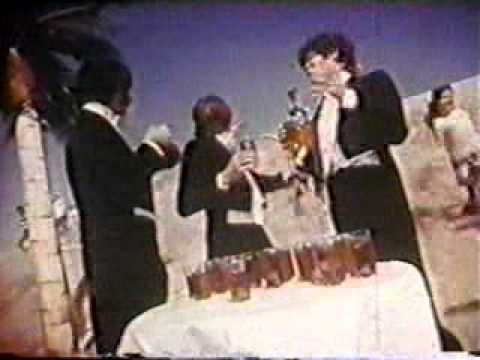
Kool-Aid’s kid-centric approach manifested in vibrant, playful advertising that spoke to children on their level. Classic Kool-Aid commercials often featured cartoon characters or youthful heroes. In the 1960s, Kool-Aid ran ads starring Looney Tunes characters like Bugs Bunny alongside its pitcher mascot. They even had a cross-promotional campaign where The Monkees (a band popular with teens at the time) appeared with Bugs Bunny in a series of Kool-Aid ads, blending rock n’ roll and cartoons for maximum kid appeal.
The brand’s tagline in the early 90s was “Wacky Wild Kool-Aid Style,” and ads from that era showed kids in fantastical scenarios, riding surfboards on waves of Kool-Aid or exploring make-believe worlds – all emphasizing imagination, adventure, and silliness powered by the drink. Notably, Kool-Aid’s ads often portrayed children as the heroes of the story. One advertising executive from the Kool-Aid team revealed that many of their creative ideas were inspired by watching how kids play and imagine. In the typical TV spot, adults would appear goofy or out of touch, while kids (with the Kool-Aid Man’s help) had the real fun. This framing told young viewers that Kool-Aid understood their world (unlike those bumbling adults) – a potent message for building brand affinity among children.
The product itself has always been tailored to delight kids’ senses. Brightly colored powder that magically turns a pitcher of water into a boldly hued drink, an array of sweet fruity flavors with names like “Sharkleberry Fin” or “Berry Blue,” and even the tactile experience of stirring in a cup of sugar – everything about Kool-Aid screams fun.
Even as health consciousness has grown, Kool-Aid has tried to keep its child-friendly appeal while adapting (offering sugar-free versions and encouraging parents that you can add your own sweetener to control sugar levels, for instance). By maintaining a marketing emphasis on fun, flavor, and friends, Kool-Aid continually refreshes its image for each new generation of kids. This youth-focused strategy ensures the brand doesn’t rely solely on nostalgia – it actively cultivates new young fans with the same colorful charm that captivated their parents years before.
4. Flavor Innovation and Limited-Time Offerings
Beyond clever ads and mascots, Kool-Aid’s marketing strategy also extends to product innovation – especially the introduction of new flavors and product lines to stir up consumer excitement. Keeping a nearly 100-year-old brand fresh requires evolving with tastes and trends.
Kool-Aid has shown a knack for periodically launching novel flavors, formats, and limited editions that generate buzz and give its marketing team something new to promote. Over its history, Kool-Aid has created around 74 different flavors, far beyond the original six flavors from 1927. Many of these flavors had whimsical names and even their own sub-mascots – for example, the late-80s “Purplesaurus Rex” (grape-lemonade mix) came with a purple dinosaur character, and “Sharkleberry Fin” (orange-strawberry-banana) featured a friendly shark.
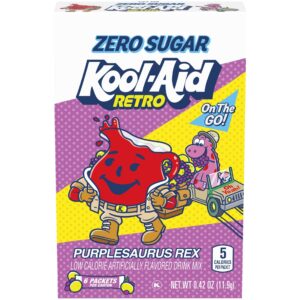
Introducing such imaginative flavors kept kids intrigued and coming back to see what’s next, essentially turning flavor launches into mini marketing campaigns. When certain flavors were discontinued, it only fueled demand on the collector’s market, as avid fans scrambled to find their beloved packets online – a dynamic that Kool-Aid has occasionally played into by bringing retro flavors back for special promotions. These re-releases, like the return of Rock-a-Dile Red in select stores, often come with a nostalgia-heavy marketing push to capitalize on the buzz from older fans while piquing the curiosity of new customers.
In recent years, Kool-Aid has also expanded beyond the traditional powder mix to innovate in new beverage formats aimed at different audiences. A prime example was the launch of Kool-Aid Sparklers, a carbonated Kool-Aid drink in cans, intended to appeal to older kids and teens who might be seeking an “on-the-go” fizzy beverage. This was a strategic move to extend the brand into the ready-to-drink category and compete for share of throat with sodas and sparkling juices. The product itself was a marketing story: Sparklers offered the same bold Kool-Aid flavors (Cherry, Grape, etc.) but in a bubbly form, giving teens a “cooler” way to enjoy Kool-Aid.
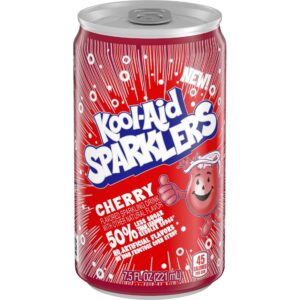
To promote this launch, Kool-Aid rolled out a teen-targeted marketing campaign (which we’ll discuss more in the digital strategy section) involving social media and trendy content formats. The key point is that product development and marketing went hand-in-hand – by creating a new version of Kool-Aid tailored to a slightly older demographic, the brand gained a fresh narrative to sell (Kool-Aid is not just for little kids; it can be a hip sparkling drink for teens too).
Another clever use of flavor innovation in marketing was Kool-Aid’s approach to “mystery” limited-time flavors. In early 2020, Kool-Aid teased a brand-new flavor but shrouded it in mystery – literally not telling consumers what it was. Instead, they turned the flavor reveal into an interactive campaign: as mentioned earlier, the Kool-Aid Man went “missing” in search of this new flavor, and consumers were invited to guess where he was (implying clues about the flavor) by scanning Kool-Aid packets. This multi-week promotion kept fans engaged and curious, checking the website for daily updates on the mascot’s “location” and entering guesses. The stunt culminated with the new flavor’s grand unveiling (on April 6, 2020) and even tied in a sweepstakes for a vacation prize.
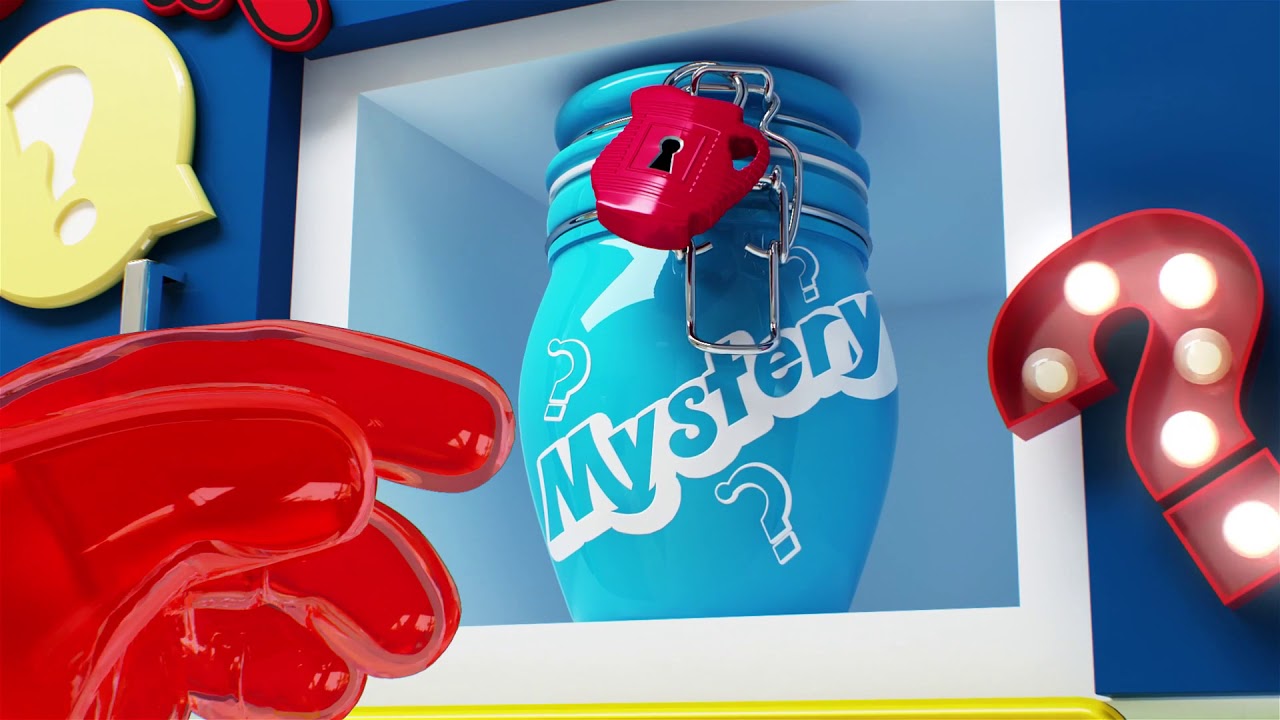
By building a sense of mystery and anticipation around a flavor launch, Kool-Aid turned a product update into an experiential marketing event. It’s the same playbook used by limited-edition snack and soda brands to spark social media chatter – and it worked to refresh interest in Kool-Aid. Overall, continuous flavor innovation – whether through whimsical new flavors, format extensions like Kool-Aid Jammers (pouch drinks) and Sparklers, or surprise limited editions – has been pivotal in Kool-Aid’s strategy. It keeps the product lineup dynamic and gives marketing teams new stories to tell, ensuring that even long-time fans have something novel to talk about (and new consumers have multiple entry points to the brand).
As one industry commentator quipped, when it comes to Kool-Aid’s ever-changing rainbow of flavors, “what will the future hold… more retro flavors make a comeback? We hope so” – a sentiment Kool-Aid is surely happy to encourage.
5. Embracing Social Media and Digital Campaigns
In the 21st century, Kool-Aid has proven adept at translating its fun, youth-oriented brand into the language of social media and digital marketing.
Recognizing that today’s kids and teens are glued to smartphones rather than Saturday morning TV, Kool-Aid strategically shifted its marketing to new media platforms – often being an early adopter among food brands. The goal has been to meet young consumers where they are (online and on mobile) and to make Kool-Aid a part of trending conversations and content formats.
One of the brand’s standout moves in this arena was its creative use of Snapchat and Giphy to target teenagers. In the summer of 2018, Kool-Aid launched a campaign on Snapchat to promote its new Sparklers drink, offering special augmented reality (AR) lenses and filters themed to Kool-Aid. Snapchat users could turn the camera on themselves and see animated bubbles pouring out of their mouths, as if they’d guzzled a fizzy Kool-Aid. Flipping the camera outward would overlay a dancing, bubbling Kool-Aid Man onto the real world via AR – imagine pointing your phone at your backyard and seeing the Kool-Aid Man boogying next to your friends!. This interactive gimmick was pure “cool factor” for teens and highly shareable.
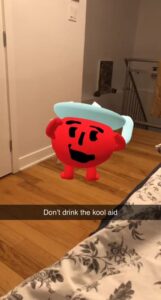
Moreover, Kool-Aid tapped into popular content trends by creating short, quirky YouTube videos that showed the Kool-Aid Man hanging out with teens (at malls, concerts, parks), and by uploading GIFs of the mascot to Giphy so users could easily drop Kool-Aid humor into their texts and tweets. Essentially, Kool-Aid turned its mascot into a digital sticker and meme, ensuring the brand stayed visible in the social feeds of its young audience.
The brand’s digital savvy is further demonstrated by its foray into TikTok, the viral video app beloved by Gen Z. In December 2019, Kool-Aid launched its first-ever TikTok campaign with a holiday-themed branded hashtag challenge. Partnering again with rapper Lil Jon (who had done a Christmas song with Kool-Aid Man – see next section), the brand created the #OhYEAHChristmas challenge, asking TikTok users to post videos of themselves “getting into the holiday spirit” Kool-Aid-style.
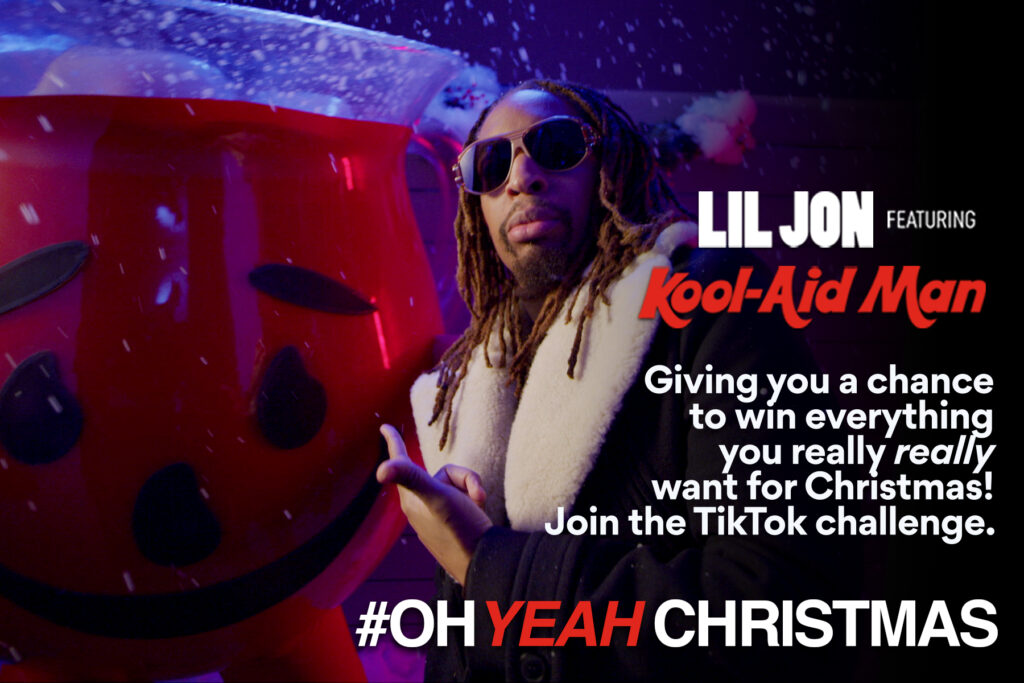
The official TikTok account posted three music video snippets featuring Kool-Aid Man and Lil Jon dancing to a jolly hip-hop beat. TikTok users were encouraged to use those music snippets in their own videos and tag the challenge hashtag (with a $10,000 prize incentive for the video with the most views). The campaign smartly combined user-generated content with the platform’s love of challenges, sparking thousands of imitators who effectively became brand content creators by showcasing Kool-Aid’s song and mascot.
The result was a viral boost in brand visibility among teens. This move onto TikTok was natural for Kool-Aid, which has always embraced video-centric marketing – from TV ads to YouTube and now short-form mobile video. Studies have shown that video is the most memorable and engaging format for millennials and Gen Z, greatly influencing purchase decisions. By generating trending video content, Kool-Aid keeps itself culturally relevant.
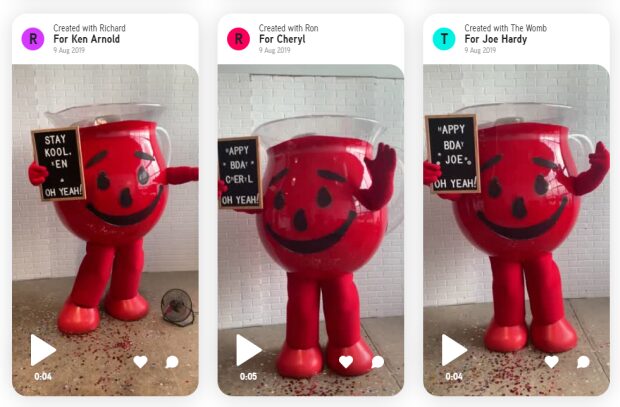
Kool-Aid’s digital playbook also includes some innovative firsts. In 2019, Kool-Aid became the first brand to put its mascot on Cameo, the platform where fans can buy personalized video shout-outs from celebrities. In this case, the “celebrity” was the Kool-Aid Man himself – fans could actually book the Kool-Aid Man to deliver a custom video message (imagine getting a happy birthday “Oh Yeah!” greeting from Kool-Aid Man). This stunt garnered publicity and again underlined the mascot’s star power in the digital age.
Going back a bit further, as early as 2013 Kool-Aid was already bridging tech and nostalgia by giving the Kool-Aid Man a Facebook page and even a mobile app. A campaign that year updated the mascot to CGI and launched a “Kool-Aid PhotoBomb” app, letting users insert the Kool-Aid Man into their own photos for laughs. This was a forward-thinking way to encourage social sharing and user interaction with the brand image. From Facebook to Snapchat to TikTok, Kool-Aid’s marketing has shown a willingness to experiment with every new social platform, using AR lenses, hashtags, memes, and music videos to keep the brand digitally hip.
The underlying strategy is clear: if kids are consuming media in a new way, Kool-Aid will crash through that wall – Oh Yeah! – and join the fun. By doing so, Kool-Aid continues to rejuvenate its audience base and prove that even a 90-year-old brand can learn new tricks on social media.
6. Celebrity Collaborations and Pop-Culture Tie-Ins
Kool-Aid’s marketing magic often multiplies when the brand teams up with other popular figures or cultural trends. Over the years, Kool-Aid has not shied away from partnering with celebrities, musicians, and even other brands to amplify its appeal and tap into new fanbases.
One of the most buzzed-about collaborations in recent memory was with rapper Lil Jon. In late 2018, Kool-Aid surprised everyone by dropping a hip-hop Christmas song in partnership with the crunk music icon. The song, titled “All I Really Want for Christmas,” featured Lil Jon’s energetic vocals alongside the Kool-Aid Man interjecting his famous “Oh yeah!” catchphrase, making for a hilariously catchy holiday anthem. In the accompanying music video – created by the agency McGarryBowen – Lil Jon and the Kool-Aid Man literally crash a house party together, turning a dull gathering into a wild dance fest. This unlikely duo actually made perfect sense: Lil Jon is known for shouting “YEAH!” in his songs, Kool-Aid Man bellows “OH YEAH!” in commercials – it was a match made in meme heaven.

The campaign generated huge viral attention and positioned Kool-Aid as “cool” for a new generation of teens who might not have paid attention to the mascot before. It was a clever way to tie Kool-Aid to the music and pop culture space – much like fast-food brands have done with celebrity meals, Kool-Aid used a trending artist to create a cultural moment. The brand noted that the humorous cross-generational pairing of a modern rapper with a retro mascot aimed to spark social media shares and ironic appreciation among young consumers. Indeed, the novelty of seeing Kool-Aid Man in a rap video got people talking (and dancing), and the song itself racked up streams on Spotify and YouTube.
Celebrity tie-ins aren’t entirely new for Kool-Aid. Even in past eras, the brand leveraged star power that appealed to kids – from the Monkees in the 60s to, as a recent study revealed, Barbie and Hot Wheels deals in the 80s under Philip Morris’s ownership. Those toy partnerships essentially turned Kool-Aid into a cross-promotional buddy of kids’ favorite playthings, embedding the drink further into youth culture. What’s different now is the breadth of collaborations spanning different domains.
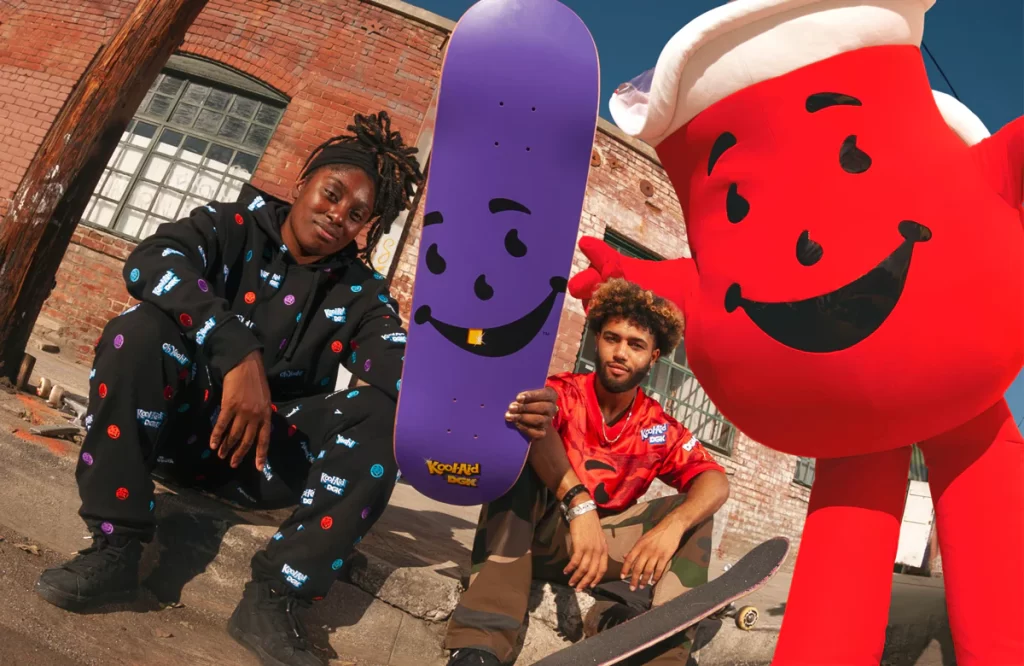
For instance, Kool-Aid has moved into the realm of fashion and streetwear through licensing partnerships. In 2022, Kraft Heinz brokered a deal for Kool-Aid to collaborate with DGK, a popular skateboarding and apparel brand. The DGK x Kool-Aid collection featured clothing and skateboard decks emblazoned with the Kool-Aid Man, bringing the pitcher into skate culture as a retro-cool graphic. The collection was sold worldwide, effectively turning Kool-Aid into a lifestyle brand for a moment and exposing it to skate shops and streetwear enthusiasts who might nostalgically dig the Kool-Aid imagery. This kind of collaboration shows how Kool-Aid’s marketing extends beyond the beverage itself – the brand character is an asset that can be licensed and inserted into unrelated industries (apparel, toys, etc.) to keep the Kool-Aid buzz alive.
Moreover, Kool-Aid often capitalizes on organic pop culture moments. The phrase “Drinking the Kool-Aid” – albeit rooted in a dark historical reference – has become common slang for blindly following a group, and while the brand obviously distances itself from the tragedy behind that phrase, the pervasiveness of the saying ironically keeps Kool-Aid in linguistic circulation. In lighter pop culture, whenever a character bursts through a wall (in anything from cartoons to WWE wrestling), someone is bound to shout “Oh Yeah!” as a nod to Kool-Aid Man. The brand has embraced these references with good humor. For example, Kool-Aid Man has had tongue-in-cheek cameos on comedy shows, and as noted earlier, he even appeared in Planters’ Super Bowl saga as a friend in the “Snacking Universe” alongside Mr. Peanut. By being willing to laugh along with the jokes (even ones not initiated by the brand), Kool-Aid maintains a lovable, un-serious image that people find endearing.
Finally, Kool-Aid’s marketing team uses influencers and micro-celebrities as well. The brand has collaborated with popular content creators for campaigns on newer platforms. We saw this in the TikTok challenge where Kool-Aid had Lil Jon (a celeb) but also relied on everyday TikTok influencers to kickstart the challenge.
Kool-Aid Man’s presence on Cameo, mentioned earlier, effectively turned him into an “influencer” people could engage with one-on-one. By any measure, Kool-Aid has been successful in keeping its brand culturally relevant through these partnerships. Each collab – whether with a rapper, a clothing line, or a meme platform – adds a fresh dimension to the brand’s identity.
It tells consumers that Kool-Aid is not stuck in your grandma’s pantry; it’s active in today’s music, fashion, and internet culture. This strategy of cross-pollinating the brand into various pop culture streams has helped Kool-Aid maintain a high profile and capture interest from audiences that might not be reached by traditional ads alone.
7. Loyalty Programs and Fan Engagement Initiatives
Fostering customer loyalty and engagement has long been a part of Kool-Aid’s marketing playbook, starting with the wildly popular loyalty programs of the 1970s–1990s and evolving into interactive engagements in the digital age.
Perhaps the most beloved of these was the Kool-Aid Points program (now discontinued), which turned buying Kool-Aid into a game for kids. Every packet or canister of Kool-Aid drink mix came with a small number of redeemable points on the label. Kids could collect these points and mail them in to receive all kinds of Kool-Aid branded merchandise – from plush toys and stickers to branded pitchers, t-shirts, and even video games.
In its heyday, this program was known as the “Wacky Wild Kool-Aid WAREHOUSE”, and its impact on a generation was huge. It essentially served as Kool-Aid’s version of a Marlboro loyalty catalog (unsurprisingly so, given the tobacco company influence in the 80s): the program’s architects explicitly modeled it after cigarette incentive programs, aiming to build fierce brand allegiance from an early age. And it worked – according to researchers, the Kool-Aid loyalty campaign had “tremendous reach and impact,” successfully hooking young consumers on the brand.
Kids were not just drinking Kool-Aid; they were also proudly wearing Kool-Aid swag and playing with Kool-Aid Man toys earned through those points. It turned the act of consuming the product into a collectible, rewarding experience. Many who grew up in that era still remember mailing off for prizes or excitedly checking the catalog to see what they could get next with their Kool-Aid points. This program ran for decades (eventually ending in 2007 as the times changed), but it left a lasting imprint of brand loyalty. It’s a testament to Kool-Aid’s strategy of making consumers feel like “part of the Kool-Aid club” – a community of fans rather than just buyers.
Kool-Aid also engages its fan community through events and recognition of fan creations. The brand frequently highlights fan art, recipes, and unique uses of Kool-Aid (like using Kool-Aid powder as hair dye or in baking) on its social channels, celebrating the creativity of its followers. By acknowledging and sharing user content, Kool-Aid reinforces that two-way relationship with its consumers. There’s even a subset of super-fans such as Kool-Aid packet collectors – yes, people collect unopened vintage Kool-Aid packets like trading cards! – and Kool-Aid has embraced these enthusiasts by occasionally interacting with them or referencing the phenomenon (which is a rather quirky testament to the brand’s legacy).
In summary, Kool-Aid’s loyalty and engagement strategies, past and present, show an understanding that brand love increases when people feel involved. Whether it was a kid in 1990 saving up points to get a Kool-Aid branded toy, or a teen in 2020 using an app to track the Kool-Aid Man for a chance to win a vacation, the effect is similar: the consumer isn’t a passive buyer, but an active participant in the Kool-Aid experience. By making marketing interactive and rewarding, Kool-Aid turns consumers into fans and fans into unofficial ambassadors who are eager to spread the word – or in this case, to yell “Oh Yeah!” from the rooftops.
Conclusion
From its humble beginnings as a mail-order drink mix to its status as a pop culture icon, Kool-Aid has demonstrated a remarkable ability to stay relevant through strategic marketing. By leveraging an unforgettable mascot, fostering nostalgia, delighting children, innovating with flavors, embracing digital media, collaborating with cultural icons, rewarding loyal fans, and timing campaigns with seasons and events, Kool-Aid’s marketing mix covers all the bases. The brand’s playful, “Oh Yeah!” spirit shines through in each strategy – whether it’s a toddler seeing the Kool-Aid Man for the first time on a tablet screen, or a grandparent reminiscing about Kool-Aid stand summers long ago. Few brands manage to engage multiple generations with such consistency. Kool-Aid’s marketing journey offers a masterclass in how brand storytelling, adaptability, and customer connection can keep a 98-year-old brand feeling as fresh as an ice-cold pitcher on a hot day. As Kool-Aid marches toward its centennial, one thing is clear: it will continue breaking through walls (both literal and figurative) to bring its unique blend of flavor and fun to the world – ohhh yeah!
Also Read: Who are Nestle’s Top Competitors and Alternatives?
To read more content like this, subscribe to our newsletter