Last Updated on November 10, 2025 by Team TBH
In today’s fast-moving market, even well-known brands sometimes hit a plateau. 2018 brought a bold move from coffee chain Dunkin’ – dropping “Donuts” from its name and unveiling a sleeker logo to focus on coffee and customer experience. The refreshed identity resonated with customers and even helped Dunkin’ challenge Starbucks’s dominance in key regions.
Dunkin’s success illustrates a key lesson: strategic rebranding can re‑energize a business by better reflecting its values and audience. Whether you run a family bakery or a global corporation, certain warning signs suggest your brand may need a makeover.
Below are 10 signs that it’s time to evaluate your brand positioning and possibly rebrand, with examples from both small and large organizations.
1. Your Brand No Longer Reflects Your Vision and Values
A brand’s mission and core values should guide its identity. If those foundations have shifted, the brand needs to catch up. For example, when Weight Watchers evolved from a diet-focused program to a broader wellness company, it rebranded to “WW” in 2018 to signal that change. Similarly, Apple dropped “Computers” from its name in 2007 to emphasize new consumer electronics.
If you’ve expanded your offerings or refocused on a new customer promise, a brand refresh can communicate that evolution. Research shows 64% of consumers form brand loyalty around shared values, and 82% will buy from companies aligned with their beliefs. A mismatch between your stated mission and your brand identity creates confusion or distrust.
Imagine a small organic farm that began selling processed snacks – its original “green” name might confuse customers. A rebrand (even a simple renaming or logo tweak) can realign public perception with your true mission.
2. Your Identity Feels Outdated
Design trends and customer expectations change over time. An old-fashioned logo, color scheme, or website can make a business look stuck in the past.
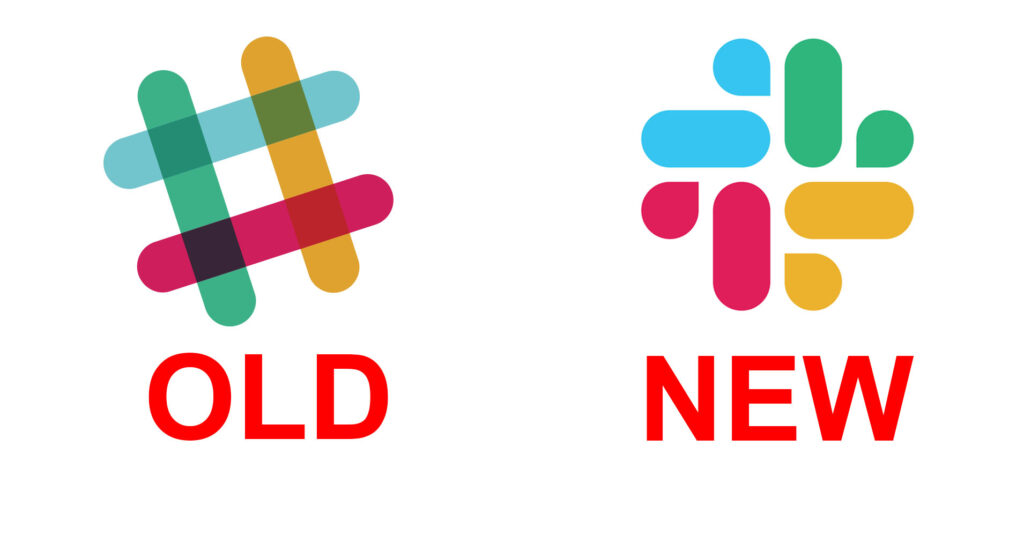
Slack famously had to address this: its original logo (an 11-color hashtag symbol) was so complex it was hard to use. In 2019 Slack simplified the mark to a more timeless two-shape logo and reduced the color palette to four colors for instant recognizability.
If your branding—signage, fonts, or web design—belongs to a bygone era, it may be time for a refresh. A modern look doesn’t just impress; it signals that your business is active and relevant. A compelling new visual identity can attract customers who might otherwise glance past an “old” brand. As one agency notes, outdated branding “can make your business appear stagnant and disconnected from today’s market”.
3. Your Target Audience or Market Has Shifted
Many businesses grow up with one customer profile and later find it changing. If your core market is drifting or broadening, your brand should adapt. For instance, a boutique gym that started with middle-aged clients might start attracting younger fitness enthusiasts as trends shift. In that case, the original cozy, tranquil vibe might need an energetic, youthful refresh.
As one branding guide puts it, “If your current branding no longer resonates with the people you aim to serve, it’s time to realign”.
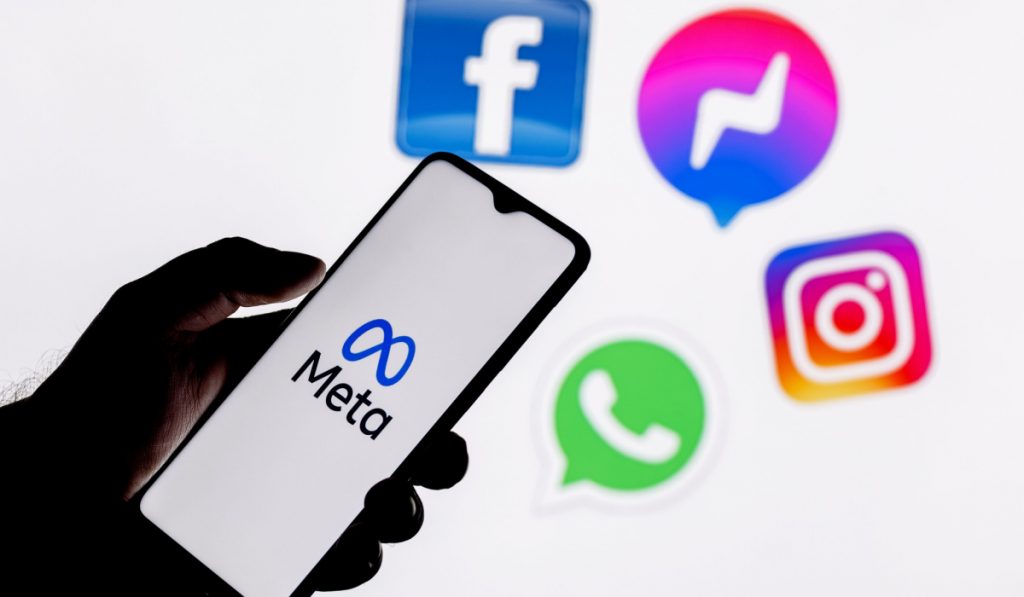
Likewise, tech companies sometimes rebrand to appeal to new generations: Meta (formerly Facebook) adopted its new name in 2021 partly to signal a move beyond social media and partly to distance from recent scandals. On a smaller scale, a local café that suddenly becomes popular with Gen Z social-media users might update its logo or messaging to feel hipper. Pay attention to demographics: the generation just entering the market (“Gen Z” today, “Gen Alpha” tomorrow) expects fresh, authentic branding.
If your brand still speaks to “your parents’ generation,” you could be missing out on new customers.
4. Your Business Has Evolved or Changed Strategy
When your company’s business model, products, or ownership changes, the brand should follow. Mergers, acquisitions, or even new product lines can render your old identity misleading.
For example, Apple’s 2007 name change (from Apple Computers to Apple Inc.) reflected its expansion into phones and music players. Likewise, when Google restructured into a holding company in 2015, it became Alphabet to clarify its diverse activities.
Any time you add major services or enter new industries, check whether your brand still fits. A midsize software firm that started with accounting tools but now sells e-commerce platforms may find its old name and tagline obsolete. Even without M&A, organic growth can cause drift: one branding expert writes, “When your business model or strategy changes, so must your brand”.
On the small-business side, imagine a bakery that has added full catering and event planning. Its name and visuals might over-emphasize pastries; rebranding to highlight “events” or “catering” could prevent confusion. In any case, make sure your brand architecture (names, logos, sub-brands) clearly reflects the new business reality.
5. Your Brand Has Suffered Negative Associations or a PR Crisis
Sometimes external factors force a reset. If your company name or logo has become linked to controversy, scandals, or outdated perceptions, a rebrand can signal a fresh start.
Classic examples include Philip Morris, which rebranded as Altria in 2003 to broaden beyond tobacco after criticism, and more recently Facebook’s rebrand to Meta amid intense scrutiny.
Even smaller firms may need this. For instance, if a local restaurant’s former owner had a public controversy, the new ownership might rename and restyle the brand to distance from past issues. Branding experts note that “rebranding is often the only way to untangle [a brand] from negative perceptions”.
The key is a complete audit: identify exactly what elements (words, images, even colors) carry baggage, and create a clean slate. A revitalized brand identity can rebuild trust with customers, employees, and the community.
6. You’re Losing Ground to Competitors or Blending In
If new competitors are drawing away customers, or your product offerings look just like everyone else’s, a brand overhaul can help you stand out.
Branding is fundamentally about differentiation. When you start to look and sound like every other business in your category, potential customers have no reason to choose you.
An agency notes, “At the end of the day, branding is all about competitive differentiation… you’d be surprised how many companies are unable to identify or communicate their key differentiators”.
For example, imagine two local coffee shops both using similar earth-tone logos and generic taglines. One might update its brand to highlight a unique storytelling angle (say, “vintage record cafe”) to break the sameness.
In tech, Slack faced this with its logo: its old multi-colored hash symbol was hardly recognizable at a glance. By simplifying the logo and color scheme, Slack made its brand instantly identifiable.
Likewise, a software vendor whose branding is generic might reorient its messaging around what it uniquely delivers. Revamping your brand voice, visual style, or name can clarify your niche. Remember, a strong differentiated brand “enables you to compete whether you have a tangible advantage or not”.
7. Customers or Employees Are Confused About Your Brand
Consistent communication builds trust. If your customers—or even your own employees—have trouble describing what you do, or there are mixed messages across your channels, that confusion weakens the brand. Inconsistency is often a silent killer: studies find that 68% of companies report brand consistency contributed a 10–20% increase in revenue.
Signs of confusion include outdated brochures at the office, different logos on your website versus store signage, or a Twitter bio that doesn’t match your main slogan. Internally, if sales staff give different “elevators pitches” to prospects, or managers hesitate to explain the brand to new hires, your brand story needs work. A comprehensive rebrand can unify these threads.
For instance, setting a clear brand guideline (common colors, fonts, and tone) ensures that a Facebook ad, a packaging design, and an employee newsletter all feel like parts of one whole. An aligned brand makes it easy for everyone to answer “Who are we?” and “Why us?” with confidence.
8. Sales or Market Engagement Are Declining
A steady or sudden drop in sales, market share, or web engagement can indicate that your brand no longer excites customers. It might be a symptom of any of the above issues—outdated image, mismatched message, strong competitors, etc. But if revenue is stagnating despite sound products, refreshing the brand can spark new interest. Rebranding isn’t a silver bullet, but research shows strong brands command higher pricing power and growth.
For example, after Dunkin’’s 2018 rebrand, foot traffic and sales notably increased as the modernized brand resonated with consumers.
On a smaller scale, a local retailer might see calmer days reverse when a fresh logo and marketing campaign draw renewed attention. If your market strategy is solid but results are slipping, a brand overhaul (even just a visual refresh) can signal to both old and new customers that something exciting is happening. It’s often easier to engage interest with a “new” look and story, then back it up with your core value.
9. You Are Expanding into New Markets or Geographies
Growth into new regions or customer segments can render a locally meaningful brand name obsolete. Many businesses named after their hometown or an old offering hit this wall. For instance, if “Springfield Books” opens a branch in another state, the name might mislead non-locals.
Rebranding triggers in expansion often include removing place-specific references and choosing broader icons. One brand strategist notes that regional businesses often rebrand upon expansion, especially if the old name was location-tied.
Going international can also demand a more universal appeal. Similarly, if your product line has outgrown its original category, your name might feel too narrow. In such cases, a subtle rebrand (new tagline or logo) can make the brand inviting to the new audience. Always research the new market’s culture and language first – what flew in your hometown might need tweaking elsewhere.
10. You Struggle to Attract Top Talent or the Next Generation
Finally, a brand issue can be “internal.” The best employees want to join dynamic, forward-looking companies. If recruitment stalls or you’re losing younger talent, your brand (including employer brand) may feel stale. A survey of employer trends shows that company culture and brand matter to job seekers. According to Ignyte Brands, “The best talent wants to work at the best brands… If you’re having trouble recruiting top-tier candidates…it might be because your employer brand isn’t up to snuff”.
In practice, this could mean your careers page looks like it did ten years ago or your social media feels dull. A rebranding effort can refresh recruitment materials, highlight modern company values, and present a unified culture story. For example, a local tech firm that updates its logo and website to appear more innovative may start drawing applications from engineers who previously overlooked it.
Likewise, if Gen Z customers aren’t engaging with your products, a brand tuned to their values (sustainability, inclusivity, etc.) might make them more receptive. In any case, lack of enthusiasm from new audiences or potential hires is a strong signal to revisit your image and messaging.
Table: Typical Brand States Before vs. After Rebranding
| Aspect | Before Rebranding | After Rebranding |
|---|---|---|
| Visual Identity | Outdated logo, mismatched colors/fonts | Modern logo, consistent design across media |
| Brand Messaging | Generic or unclear value proposition | Clear, focused brand story aligned to values |
| Target Audience | Unfocused or unchanged since founding | Refined persona(s) that match current goals |
| Market Position | Blends in with competitors | Differentiated by unique mission or style |
| Customer Sentiment | Loyalty weakening, confusion or indifference | Renewed interest, increased brand loyalty |
Rebranding is a significant undertaking, but it’s a natural part of business growth. As shown, there are many triggers – from shifting values and markets to outdated looks and falling sales – that indicate a fresh brand could open new opportunities. Use the signs above as a checklist: audit your logo, name, messaging, and reputation against each point.
Engage your team and customers for honest feedback. If you see multiple warning lights (or even just one glaring one), consider a brand refresh. A well-timed rebrand can clarify your position, excite your audience, and set the stage for future success. Ultimately, your brand should evolve as dynamically as your business.
Staying proactive about brand health ensures you won’t be caught falling behind – instead, you’ll keep marching ahead with confidence.
Also Read: The Psychology of Rebranding: Keys to Brand Transformation
To read more content like this, subscribe to our newsletter