Last Updated on March 4, 2026 by Team TBH
Buying an established repair shop can be a smart shortcut into business ownership. The bays are built. The lifts are in place. And if the shop is run well, revenue doesn’t have to start from zero.
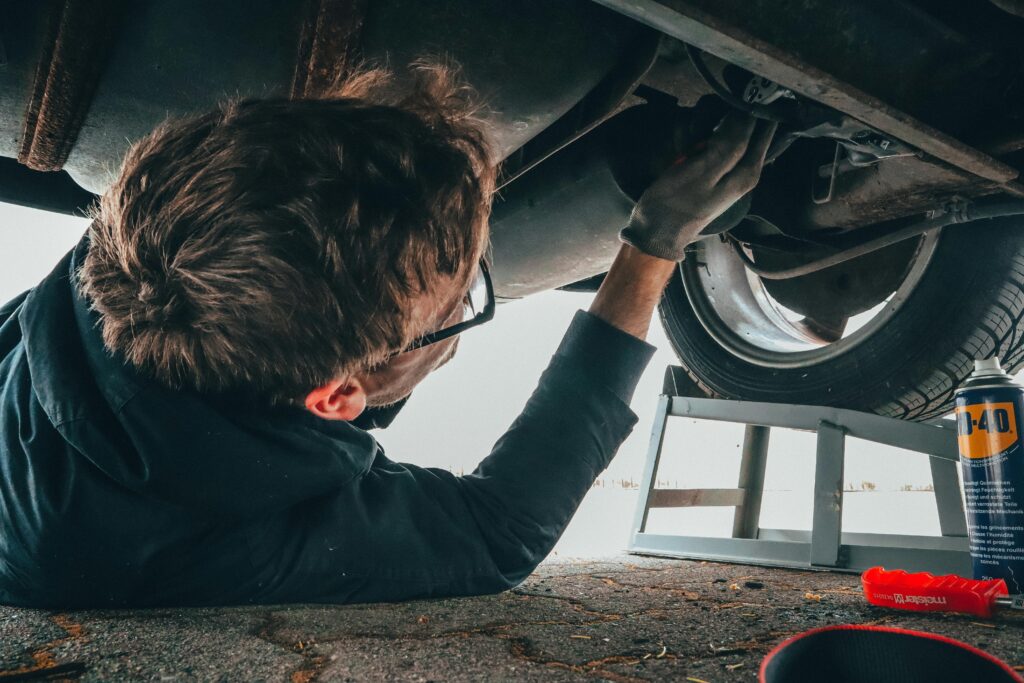
Still, a busy parking lot can fool you. Some shops look great during a tour and then fall apart the minute you’re the one paying payroll, ordering parts, and dealing with comeback work. Before you invest, slow down and figure out what you’re actually buying—and what you’ll have to fix.
Start With the Numbers (Not the Asking Price)
The list price is just the opening move. The real story is in the financials.
Ask for at least three years of profit-and-loss statements and, ideally, tax returns that support them. Then look for patterns:
- Is revenue steady, or does it swing wildly?
- Was there one unusually strong year that might have been a fluke (a fleet contract, a big insurance job, a temporary surge)?
- Are sales strong but profits thin?
A shop can bring in impressive top-line revenue and still struggle. Thin margins often point to things like heavy discounting, high parts costs, poor scheduling, or payroll that doesn’t match output.
As you review expenses, don’t just glance at totals—ask what’s driving them. Pay special attention to:
- Payroll and overall technician productivity
- Parts purchasing habits and supplier pricing
- Rent, utilities, and any big maintenance costs
- Shop software, point-of-sale systems, and management tools
- Environmental fees, waste handling, and disposal costs
Also look closely at how the owner pays themselves. Some owners run personal expenses through the business, which makes profit look lower than reality. Others pay themselves almost nothing while working 60-hour weeks—meaning the “profit” you’re buying may not exist once the shop needs a real manager/owner salary.
If you want a solid framework for reviewing financials and deal terms, the U.S. Small Business Administration’s guide to buying a business is a good reference point.
Know What You’re Really Buying: Equipment, People, and Workflow
Financials show history. Operations tell you what your day-to-day will look like after closing.
Equipment: Have the major assets inspected—lifts, alignment racks, diagnostic scanners, compressors, specialty tools. Ask for maintenance records and ages. One major replacement right after purchase can wreck your first-year budget faster than most buyers expect.
Staffing: This is where deals often get risky. Find out:
- Who’s certified and at what level
- Whether turnover has been a problem
- How techs are paid (flat rate, hourly, hybrid, bonuses)
- Whether the shop is overly dependent on one key technician
If the business revolves around a single master tech—or the owner’s personal skill set—that’s not necessarily a dealbreaker, but it is leverage you need to price in.
Process: A shop with consistent systems is far easier to step into. Ask how they handle scheduling, estimates, approvals, parts ordering, comebacks, and inventory. If the answer is basically “Joe knows how it works,” that’s a transition risk.
Don’t Judge It From a Walkthrough
When evaluating an auto repair business for sale, spend time on-site during a normal workday—not just during a staged tour.
Watch the front counter. Listen to how repairs are explained. Do advisors communicate clearly, or do they rush customers through approvals? In this industry, communication is the difference between repeat customers and bad reviews.
Also pay attention to workflow. A packed waiting room can mean demand. It can also mean bottlenecks: too few techs, too many low-margin jobs, parts delays, or poor scheduling. You’re trying to figure out why it’s busy.
Finally, observe what the owner actually does. Are they managing and delegating—or turning wrenches all day? If the shop depends on the owner being the primary technician, the business may need structural changes for you to run it successfully.
Reputation Matters (Even If the Financials Look Good)
Some of the most valuable information won’t show up on a balance sheet.
Read online reviews, but don’t obsess over one angry customer. Look for themes. Repeated complaints about billing surprises, poor communication, delays, or sloppy work should make you pause.
If you can, talk to suppliers and vendors. Parts distributors, towing companies, and service reps tend to know which shops run smoothly and which ones create drama. Those conversations can confirm what you’re seeing—or contradict it.
Where the Growth Might Come From (And Where It Won’t)
You’re not only buying current revenue. You’re buying the upside—if it’s real.
Depending on the market, growth might come from:
- Adding higher-demand services (advanced diagnostics, programming, EV repair)
- Pursuing fleet maintenance agreements with local businesses
- Improving marketing, follow-up, and customer retention
- Extending operating hours (only if staffing supports it)
- Fixing bay scheduling to reduce dead time
At the same time, stay grounded. Physical space, parking, zoning, and hiring limitations are real constraints. A “growth plan” that depends on finding three great techs next month isn’t a plan—it’s hope.
The Details That Cause Expensive Problems Later
Auto repair shops deal with environmental and safety rules for a reason. Confirm licenses, waste oil handling, disposal procedures, and compliance history. Skipping this step can lead to fines and costly cleanups.
Also review the lease carefully. Make sure it’s transferable. Look for scheduled rent increases. A shop can be profitable today and become a headache quickly if occupancy costs jump.
Plan the Transition Like It’s Part of the Purchase
The first few months after buying a shop are fragile. Even good businesses can wobble during a handover.
If possible, negotiate a short transition period where the seller stays involved. Introductions to staff, suppliers, and long-term customers can prevent avoidable mistakes and preserve trust.
And get crystal clear on what transfers: software logins, vendor accounts, customer history, service records, phone numbers, website access—everything. Losing system access on day one is a surprisingly common (and expensive) “small” problem.
So, Is It the Right Fit?
Evaluating an auto repair business for sale takes more than checking equipment and signing documents. It’s a mix of financial reality, operational strength, reputation, and practical upside.
A careful review won’t eliminate risk. But it will cut down surprises. When the numbers hold up, the team is stable, and the shop runs on real systems—not one person’s memory—you’re not just buying a business. You’re buying something you can actually build on.
To read more content like this, explore The Brand Hopper
Subscribe to our newsletter