Last Updated on January 1, 2022 by Team TBH
If you mentioned the brand Uniqlo to someone outside of Japan 10 years ago, you would receive a puzzled expression. But if you mention Uniqlo to any global citizen today, the words quality, affordability, and fashion quickly spring to mind.
Uniqlo has achieved this level of success in recent years. It has emerged as a new player in the global quick fashion retail business. Despite having to compete with larger competitors like ZARA (Inditex), H&M, Gap, and Forever21, Uniqlo has grown at an incredible rate. How did it manage to seize such a large portion of the competitive fast fashion retail sector so quickly?
Uniqlo’s constant dedication to innovation and organizational culture are two of its main brand success drivers. Tadashi Yanai, the business’s Japanese founder, is famed for saying, “Without a soul, a company is nothing.” This essence is mirrored in the 23 Management Principles developed by Tadashi Yanai and instilled in every Uniqlo employee. These ideals are based on putting consumers first, contributing back to society, and being self-disruptive.
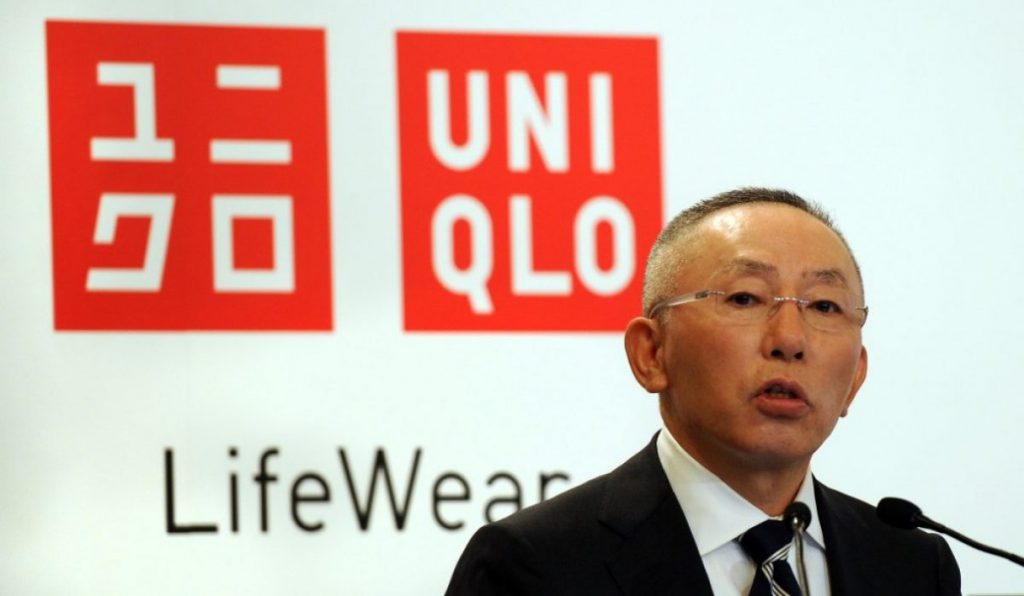
The Uniqlo brand story
Tadashi Yanai acquired his father’s 22-store men’s tailoring company, Ogori Shoji, in Ube, Yamaguchi, in 1972. Shortly after becoming president of the firm in 1984, he created a new store in Hiroshima called Unique Clothing Warehouse, which was eventually abbreviated to Uniqlo. His promotion is widely regarded as the driving force behind the company’s fast development. Tadashi Yanai saw immense potential for Japan’s casual wear market after traveling to Europe and the United States, where he discovered large casual apparel chains such as Benetton and Gap and set goals to evolve the family’s business strategy from suiting to casual clothing, buying fashion goods in bulk at low cost.
However, one of the most significant issues was consumer perception of the brand — it was viewed as a bargain shop selling cheap and low-quality clothing to the suburbs. This impression was dramatically altered when the brand issued the Global Quality Declaration in 2004, pledging to cease producing low-cost, low-quality clothing. Since then, Uniqlo has gained popularity for its high-quality fleece jackets. The brand’s impression switched instantaneously from cheap and low-quality to inexpensive yet high-quality.
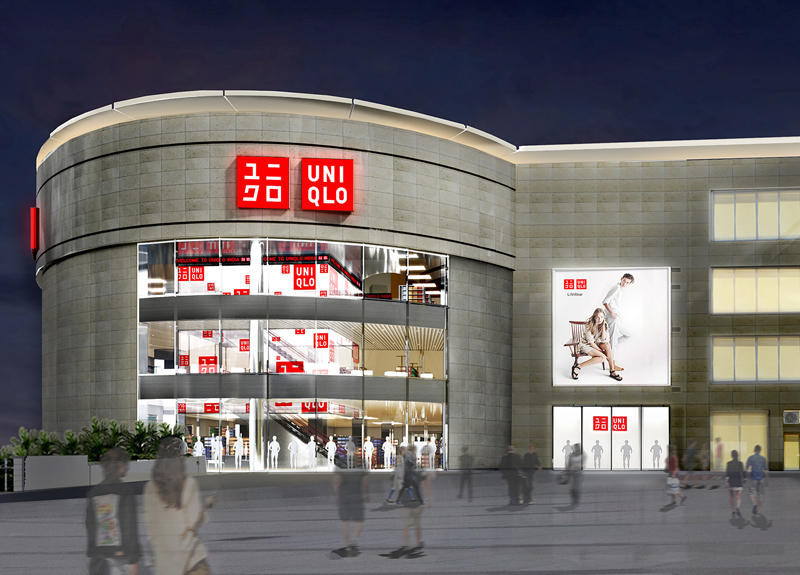
Uniqlo is currently a wholly-owned subsidiary of Fast Retailing Company Limited, and it is well-known for offering high-quality private-label casual wear at reasonable rates. In just 22 years, the brand has expanded to over 2,250 outlets in 25 countries spanning Asia, Europe, and the United States as of September 2019. It is Asia’s largest garment chain, with over 800 retail locations in Japan alone.
Fast Retailing has a market valuation of more than USD 49.2 billion and employs more than 56,000 people worldwide. Fast Retailing generated revenues of USD 22 billion and a profit of USD 2.5 billion for the fiscal year ending 2020. The company’s native market of Japan provided 38% of total sales, with one in every four Japanese owning a Uniqlo down jacket. Fast Retailing has grown at an astounding rate over the last five years, and its optimism is reflected in its sales prediction of 9.5 percent growth for FY2021.
According to Forbes, Uniqlo has a brand worth of USD 9.2 billion and ranks 84th on the list of the World’s Most Valuable Brands. Much of this may be attributed to its founder’s innovative approach and customer-centric culture.
The Uniqlo brand strategy
The marketing slogan of Uniqlo has a clear vision: “Uniqlo is a modern Japanese company that inspires the world to dress casually.” Uniqlo’s corporate approach has so far been to “completely disregard fashion” rather than pursuing fast-fashion trends like its competitors. The “Made for All” brand philosophy positions its apparel to transcend age, gender, race, and all other ways to identify individuals. Contrary to its name, “Uniqlo” clothing is basic, necessary, and universal, allowing users to mix and match them with their own unique style.
Because of in-house fabric and design innovation, this design-driven apparel business provides exceptional functional performance. The firm differentiates itself from its price-driven competitors by naming its hallmark inventions HeatTech, LifeWear, and AIRism. Uniqlo delivers an exceptional physical shopping experience by meticulously managing its stores, instilling a happy staff culture, and utilizing in-store technologies such as video tutorials that clarify product qualities.
Some of the key brand success factors for Uniqlo include the following:
A delivery system that supports a clear brand promise: Defining a clear brand promise and consistently delivering on that promise across all contact points of the customer experience journey are two of the most difficult issues for any company. Successful brands have to support organizational and operational structures that make it easier to adopt strategies that deliver on the brand promise. On the one hand, Uniqlo has effectively defined a clear brand promise for itself: high-quality, performance-enhanced, universal, basic casual clothing at an accessible price. On the other side, it has also established a solid delivery system in order to fulfill its brand promise.
The company’s product planning, design, manufacturing, and distribution skills are entirely in-house, allowing it to stay close to consumer demands based on what customers are buying in their stores, saving money on overproduction or needless overheads. Stocks can be updated in only a few weeks or restocked in just a few days. By focusing on core goods in a restricted variety of textiles, Uniqlo is able to combine its fabric buys into large orders, giving it better bargaining leverage with suppliers, resulting in lower pricing for its customers — fulfilling its brand promise.
Product development approach and efficient supply chain: Tadashi Yanai, CEO of Uniqlo, is fond of stating, “Uniqlo is not a fashion company; it is a technological firm.” Indeed, the brand’s approach to clothes production is more analogous to the iterative approach to product development championed by the technology sector than to the cyclical, trend-driven rhythm of the fast fashion retail business. While leading competitor Zara has built the world’s largest apparel business by responding quickly to fast-changing fashion trends, getting items from factory to store in about two weeks, Uniqlo takes the exact opposite approach, planning the production of its wardrobe essentials up to a year in advance.
The firm also has a very strong supplier network. Merchandisers are able to adapt production by style to line with demand well in advance thanks to the marketing department’s formulation of a precise marketing plan for each season. A year before a product is released, concept sessions are held with all essential product creation teams. Once a garment is in production, around 400 qualified personnel visit manufacturing locations to ensure quality and handle any concerns.
Company culture and visionary leadership: Tadashi Yanai was named number 54 on Harvard Business Review’s list of the world’s best-performing CEOs in 2019. Since 2000, he has produced a 700% shareholder return, and Uniqlo’s market value has climbed by USD 39 billion. He is largely recognized for Uniqlo’s great success and exponential expansion over the last 36 years, owing to his building of a strong business culture centered on cooperation and customer experience.
Uniqlo’s emphasis on cooperation is reflected in its flat organizational structure, with staff encouraged to make suggestions. The company’s beliefs and goals are immediately turned into processes and metrics that are powerfully shown by employees all across the world. Employees and sales have comprehensive access to the company’s financials, which are tracked and publicized on a regular basis. The brand also prioritizes the retail shop experience and micromanages every consumer touchpoint.
A strong commitment to innovation: According to Peter Drucker, the only two functions of every corporation are innovation and marketing. Uniqlo is well aware of this; the company is well-known for its fabric developments. The firm also engages Japanese textile gurus known as “Takumi,” who collaborate with companies in China and Japan to design new high-tech textiles for Uniqlo on a regular basis.
HeatTech, a fabric created in collaboration with Toray Industries (a Japanese chemical business), is one of Uniqlo’s distinctive technologies. It converts moisture into heat and features air spaces in the fabric to preserve that heat. Because the HeatTech fabric is thin and comfy, the business has been able to produce fashionable designs that are considerably different from the conventional traditional warming apparel market. HeatTech innovation improves over time with new fiber technology, allowing the firm to create several styles of thermal apparel. In 2003, 1.5 million HeatTech goods were sold, but in 2012, over 130 million units spanning 250 items were sold.
In addition to HeatTech, Uniqlo has developed AIRism (a soft fabric with a quick-drying inner fabric), LifeWear (a mix of casual and sporty), and UV Cut (material designed to block 90 percent of ultraviolet radiation from reaching the wearer) technologies. These new textiles are all branded and copyrighted, making it difficult for competitors to duplicate this point of distinction. According to Tadashi Yanai, Apple is the company’s biggest competition because of its drive to be the most inventive in the world.
Also Read: H&M – A Brand Delivering Affordable Fashion For Everyone
Uniqlo brand architecture
Uniqlo primarily caters to three client segments: women, men, and children and babies. The brand is organised into five sub-brands that are distinguished by style but located in the same Uniqlo shop where Uniqlo displays its collections:
Outerwear: Uniqlo’s outerwear includes jackets and coats of various designs and materials, hoodies and parkas for various weather conditions and events, and the famed Ultra-Light Down jacket, which is exceptionally thin, light, and comfortable while yet providing good insulation and warmth.
Tops: This category contains a range of utilitarian and comfortable dresses, shirts, wrinkle-resistant blouses, t-shirts, and UT (Graphic t-shirts) for women. Sweaters and cardigans are also available, with the majority of styles manufactured using the brand’s characteristic UV Cut fabric or its soft and luscious Cotton Cashmere. It contains formal and casual shirts in a range of sizes for men, as well as t-shirts, UT, sweaters and cardigans, and flannel. Its polo t-shirts are manufactured from two separate materials: AIRism and Dry Ex (extra breathable mesh in a seamless construction).
Bottoms: For women, this category comprises shorts and skirts in a range of cuts, jeans in a variety of cuts, leggings (including pregnant leggings), smart trousers, ankle pants, casual pants, and lounge bottoms. Its men’s bottoms include smart pants, shorts, jeans, ankle pants, casual pants, lounge bottoms, and the Kando pants, a new lightweight, flexible, and fast-drying cloth with Airdots pockets. Uniqlo offers free modification services for trousers that cost more than a specific amount, in keeping with the brand’s objective to promote individuality.
Inner-wear: Uniqlo’s inner-wear has been created with comfort in mind. This comprises bras, bra tops, inner tops, shapewear, shorts and underwear, socks and legwear, and HeatTech for women (Regular, Extra Warm, and Ultra Warm). Inner shirts, trunks, boxer briefs and briefs, socks and legwear, and HeatTech are all included for guys.
Home wear and accessories: Uniqlo’s home wear and accessories include loungewear (pajamas, lounge pants, drape pants, and room shoes), shoes (sneakers, flats, and heels), belts, and other accessories such as bedsheets, gloves, hats, caps, scarves, sunglasses, bags, towels, blankets, and its most recent addition, the AIRISM face masks.
Brand Collaborations
- “+J” by Jil Sander: This collection began in 2009 and lasted five seasons. This collection contains well-tailored essentials for formal and sophisticated dresses.
- The “T Down” of Theory: This collection debuted in the Fall/Winter 2012 season. A collaboration between Theory and Uniqlo in New York, the items included color-blocked neutrals and darker color palettes, featuring styles such as the Banff Classic Puffer Vest and Big Sky Classic Puffer Jacket.
- Undercover’s “uu” collection: Launched in 2011 as a family-friendly collection containing lines for men, women, and children at relatively affordable pricing ranges. It was advantageous for Undercover since it allowed buyers who could not purchase Undercover clothes to possess the designer’s designs. This line was reintroduced in 2014, but just for children’s clothes.
- “UT” from NIGO: In 2013, NIGO, a graphic t-shirt designer, quit his own label A Bathing Ape to become Creative Director of Uniqlo’s UT brand. UT is well-known for its never-ending collaboration of T-shirt lines, which have included names like Pharrell Williams, Medicom Toy, Andy Warhol, and Disneyland.
- “Uniqlo U” by Christophe Lemaire: Uniqlo has collaborated with Paris designer Christophe Lemaire since 2016 to create flexible and adaptable pieces for everyday wear under the Uniqlo U brand and to oversee Uniqlo’s Paris R&D Center. Christophe Lemaire’s contract with Fast Retailing was reported to have been renewed for another 5 years in July 2018. Uniqlo has recently announced the purchase of a minority share in the Paris-based label, further strengthening its ties with Lemaire. Uniqlo will be able to benefit from Lemaire’s garment design knowledge and creative talent network as a result of this.
- Uniqlo × Marimekko: For Fall/Winter 2020, Uniqlo has teamed with Marimekko, a Finnish fashion business noted for its vibrant colors and designs. The Christmas collection’s limited edition reflects the warmth and comfort of being at home with family and friends.
Global brand campaigns
Although the Uniqlo brand has been around for a long, it was only in 2016 that Uniqlo launched its first worldwide advertising campaign, dubbed “The Science of LifeWear” (Uniqlo has launched local and regional campaigns previously but none were truly global). In a series of commercials showcasing the brand and its lines (Jeans, Jogger pants, Ultra-Light Down, Knitwear, and HeatTech), Japanese streetscapes unfurl in slow motion, and individuals walk down the street dressed simply yet stylishly. A narrator begins by asking, “Why do we get dressed? Do you base your decision on your mood or the weather? Do you try to dress to fit in? “Would you like to blend in?” It eventually concludes, “There is no single answer.” But to make clothes for life, we’ll keep asking.”
This unconventional, philosophical approach to brand introduction is edgy and serves to cement Uniqlo’s unwavering dedication to quality, usefulness, and style via LifeWear. According to Mr. John C. Jay, Uniqlo’s President of Global Creative, the campaign provides a chance to highlight the company’s mission and Japanese history, which distinguishes it from the competition, as well as to harmonize its brand image globally. It is a significant step forward for Uniqlo in its continuous ambition to become a genuinely global and inspirational apparel brand.
In the future, the brand hopes to develop more two-way communication with customers. Uniqlo has committed to using the information gathered through its website and mobile app to analyze client data and give them with information tailored to their specific requirements. Furthermore, in the future, Uniqlo must accept, integrate, and exploit social media and digital platforms more deeply in its advertising and marketing initiatives.
Uniqlo’s future brand and business challenges
Despite its tremendous success thus far, Uniqlo is facing its own worldwide commercial issues. As previously stated, the brand’s approach differs significantly from those of its quick fashion competitors such as Zara, H&M, and Gap. What are some of the strategic business factors that Uniqlo must keep in mind as it strives to become the world’s leading garment retailer?
Differentiation via innovation: Uniqlo’s journey has not been easy. Its largest problem is arguably brand distinction, as it strives to be “everything to everyone” — a well-known brand strategy blunder. However, Uniqlo has managed to divert attention away from the ubiquity of their items by stressing fabric advances. Despite the fact that Uniqlo has already built a reputation for itself in the business for its innovative materials, it must see itself as its largest rival and always think of ways to outdo itself. As a result, innovation is a critical component that will have a significant impact on the future of the Uniqlo brand.
Focus on quality rather than price: In order for Uniqlo to effectively compete and sustain its strategic advantage and distinction, the emphasis must move away from price and toward quality. Even while Uniqlo enjoys high levels of appeal, as seen by the serpentine lineups outside its stores when it starts in new areas, Uniqlo must begin investing in developing a strong brand positioning on the quality of its clothes and actively communicating this.
Leveraging digital: Fast Retailing has revealed that its Ariake Project, which intends to convert the garment retail business into a new digital consumer retail industry, is progressing. It is constructing a supply chain that will employ modern information technology to create seamless connections between Fast Retailing and its partner manufacturers, warehouses, and shops throughout the world. While this is a remarkable digital supply chain endeavor that demonstrates how the organization has thoroughly considered how to exploit digital internally, it is equally critical to maintain the consumer emphasis. People of all ages are now using the Internet, which is changing the way customers purchase.
Uniqlo made its first foray into e-commerce in 2012, when it opened an online store in the United States. Since then, it has expanded its internet presence throughout Southeast Asia. Uniqlo recognizes the need of integrating its physical and web stores in order to provide a truly omnichannel experience. Uniqlo’s internet sales presently account for 9.9 percent of total worldwide sales, and the company hopes to increase this to 30 percent by adding new online services.
Global competition: With sales of USD 22 billion, Uniqlo ranks third in the global list of fast fashion stores, trailing only Spain’s ZARA (sales of USD 33.7 billion) and Sweden’s H&M. (sales of USD 24.3 billion). Nonetheless, Uniqlo’s rapid development in recent years has seen it overtake America’s Gap (sales of USD 16.4 billion), which has long been the market leader in basic clothes. Looking ahead, Uniqlo has a lot of work to do to accomplish its lofty goal of being the world’s largest fast-fashion retailer, but it is undeniably on pace to compete with the major leaders in the fashion retail business.
With earnings dropping owing to margin erosion and an impairment charge on J Brand premium denim clothes, Uniqlo’s overseas businesses are becoming increasingly vital in order to maintain profitability. It intends to concentrate its efforts on the markets of the United States and China. Uniqlo now has only a few outlets in the United States, but its brand appeal is slowly growing because of its bright and obvious color design style, as well as its value-for-money cashmere items.
Conclusion
The Uniqlo brand was founded on the Japanese principle of simplicity and essentiality, which is represented in the company’s marketing, communications, and operations. It is truly remarkable how Uniqlo has grown from a single inherited men’s tailoring business in Tokyo to a worldwide casual wear behemoth and one of the most stunning companies from Japan and Asia today. Fast Retailing, Uniqlo’s parent business, aims to become the world’s largest fast-fashion retailer under Tadashi Yanai’s effective and imaginative leadership.
There are several chances for Uniqlo to capitalize on in order to achieve its objective of being the greatest global apparel shop. The firm intends to concentrate its efforts, in particular, on developing Uniqlo’s worldwide presence and online sales. Uniqlo’s excellent business culture, bold and daring leadership, and shown sustained financial growth over the last 15 years leave little question that the Japanese fast fashion retail brand is on the correct track to worldwide success.
Also Read: Zara – The Tales of the Global Fast Fashion Retail Brand
To read more content like this, subscribe to our newsletter.