Last Updated on March 17, 2026 by Team TBH
In the ever-evolving landscape of modern beauty, two brands have risen above the noise to define the aesthetic, cultural, and commercial conversation of their era: Glossier and Rare Beauty. Both have carved deeply personal niches in the hearts of millions of consumers — particularly Gen Z and millennials — yet they operate from fundamentally different philosophies, origin stories, and product strategies. Glossier, born from a beauty blog in 2014, promised a world where skincare came first and makeup was merely an extension of your natural self. Rare Beauty, launched by Selena Gomez in 2020, arrived with a message that transcended lipstick and foundation — it was a call to embrace your uniqueness and destigmatize mental health.
But between the two, which brand actually delivers? Which is winning the product game, the values game, and the long-term brand-loyalty game? In this deep-dive comparison, The Brand Hopper breaks it all down — from origin stories and product quality to community, pricing, and cultural impact.
The Origin Stories: Two Very Different- Paths to Beauty Stardom
Glossier was founded by Emily Weiss, who famously launched it as a spin-off of her cult beauty blog, Into The Gloss. Weiss spent years interviewing celebrities and everyday women about their bathroom shelves, and from that trove of consumer insight, she built a brand that felt like it was made by beauty lovers, for beauty lovers. Glossier’s philosophy was radical in its simplicity: dewy skin, a no-makeup makeup look, and products that enhance rather than mask. The early product lineup — Boy Brow, Cloud Paint, Balm Dotcom, and the Milky Jelly Cleanser — became instant cult classics, propelling the brand to a $1.2 billion valuation by 2019 and turning Weiss into one of Silicon Valley’s most celebrated beauty disruptors.
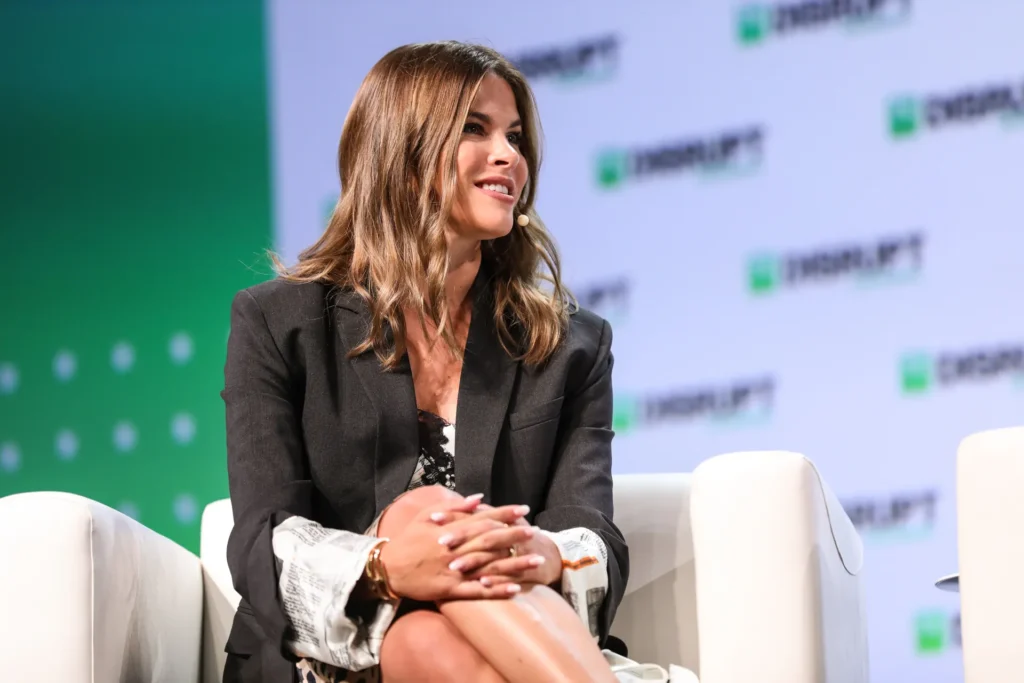
Rare Beauty’s origin, however, is inseparable from the personal journey of Selena Gomez. Launched in September 2020 exclusively at Sephora, the brand was not simply another celebrity vanity project. Gomez, who had been public about her struggles with lupus, a kidney transplant, and mental health challenges, used the brand as a platform to redefine beauty standards altogether. Her founding message was clear: beauty is not about looking perfect; it’s about feeling comfortable in your own skin. By 2024, Rare Beauty had crossed $400 million in annual net sales, achieved a valuation of over $2 billion, and made Gomez one of the youngest self-made billionaires in the world.

Both brands were born from a desire to disrupt beauty — but while Glossier disrupted aesthetics, Rare Beauty disrupted expectations.
Product Philosophy: “Skin First” vs. “Wear What You Want”
Glossier’s DNA is rooted in the “skin first, makeup second” mantra. The brand built its reputation on lightweight, breathable formulas that celebrate texture, freckles, and natural skin rather than concealing them. Products like the Skin Tint and the Stretch Concealer were designed to look like a second skin — something you’d barely notice was there. This philosophy resonated powerfully with consumers who were tired of heavy, caked-on coverage and yearned for something that felt effortless.
Rare Beauty, on the other hand, takes a more expansive approach. While it shares Glossier’s commitment to natural, confidence-building beauty, it offers a wider range of coverage options and more versatile finishes. The Soft Pinch Liquid Blush — arguably Rare Beauty’s breakout hero product — became a viral sensation for its ultra-pigmented, buildable formula that worked across a vast spectrum of skin tones. The brand also leans more heavily into full-coverage foundations for those who want it, alongside skin-enhancing base products for those who don’t.
Where Glossier feels like a curated edit — a minimalist capsule collection — Rare Beauty feels like a more complete makeup wardrobe. Glossier wins points for cohesion and a signature aesthetic; Rare Beauty earns marks for versatility and inclusivity.
Hero Products: The Fan Favourites That Define Each Brand
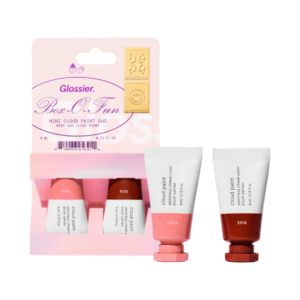
Any honest comparison must look at the products themselves. Glossier’s Mount Rushmore includes the Cloud Paint blush, Boy Brow, the Haloscope highlighter, and Balm Dotcom. The Cloud Paint, in particular, is beloved for its gel-cream texture that blends seamlessly into the skin, delivering a flush of colour that looks genuinely natural. Independent testers have noted that it barely fades over an eight-hour period and is easy to build in terms of intensity — a rare quality in liquid blush formulations.
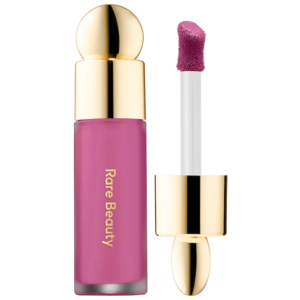
Rare Beauty counters with its iconic Soft Pinch Liquid Blush, the Positive Light Tinted Moisturizer with SPF 20, the Perfect Strokes Matte Liquid Liner, and the Soft Pinch Luminous Powder Blush. The Soft Pinch Liquid Blush became a bonafide cultural phenomenon — social media is flooded with tutorials, hacks, and comparisons for the product. Its creamy texture and high pigment load make it especially long-lasting on oily skin types, which often struggle with Glossier’s more watery, hydration-forward formulas.
On the foundation and base product front, Rare Beauty offers a significantly deeper shade range, with its Positive Light Tinted Moisturizer and Liquid Touch Weightless Foundation catering to far more diverse skin tones than Glossier’s comparatively limited Skin Tint range. For consumers with deeper complexions, Rare Beauty is often the clear winner in terms of accessibility and shade inclusivity.
Brand Purpose & Social Impact: When Beauty Means More
This is where the comparison becomes most emotionally charged — and where Rare Beauty arguably has no equal in the prestige beauty space.
The Rare Impact Fund, launched alongside the brand in 2020, is on a mission to raise $100 million for youth mental health organisations globally. Rare Beauty donates 1% of all product sales directly to the fund, and the brand has since expanded its fundraising to include high-profile benefit events, corporate partnerships with Sephora, and community-driven initiatives. The second annual Rare Impact Fund Benefit in 2024 alone raised over $2 million in a single evening. The Fund currently supports 26 organisations across five continents, with its work touching millions of young people.
Gomez has been unflinching in her conviction: “I never wanted it to be about making a lot of money and that’s it,” she told TIME in 2024. “I didn’t want to really enter the cosmetics world without a mission.” That authenticity — rooted in Gomez’s own publicly-shared mental health journey — gives Rare Beauty a moral resonance that few beauty brands can claim.
Glossier is not without its own sense of purpose. The brand has committed over $1.4 million through its Grant Program to support US and UK beauty founders from underrepresented backgrounds. Glossier’s mission of changing “how the world sees beauty” has been consistent, and its emphasis on community-driven product development has always felt genuine. But in terms of measurable social impact, scale, and the emotional depth of its cause, Rare Beauty currently operates in a different league.
Community, Marketing & Cultural Capital
Both brands have mastered community marketing — but in very different registers. Glossier pioneered the DTC (direct-to-consumer) beauty playbook long before it was fashionable. It built a fiercely engaged community through Into The Gloss, cultivated its “Glossier girl” aesthetic across Instagram, and famously relied on real customer reviews rather than celebrity endorsements. Even its physical stores were designed as immersive community experiences rather than traditional retail environments.
Rare Beauty, meanwhile, benefits from the extraordinary reach of Selena Gomez — the most-followed woman on Instagram with over 420 million followers. Yet the brand has been careful not to lean too heavily on celebrity spectacle. Instead, it uses Gomez’s authenticity and her community’s genuine passion for mental health advocacy to build something that feels grassroots despite its massive scale. Rare Beauty ranks fifth among indie makeup brands in TikTok engagement, with Glossier close behind at a 10.2% average engagement rate — second only to Florence by Mills. Both brands are clearly elite performers in the social media landscape.
Glossier’s 2023 expansion into 650 Sephora US stores marked a major strategic pivot — one that the brand’s CEO described as comparable in impact to the launches of Rare Beauty and Fenty Beauty. This move significantly broadened Glossier’s reach beyond its dedicated DTC base, introducing the brand to an entirely new generation of Sephora shoppers.
Pricing: Are They Worth What You Pay?
Both brands occupy a similar price tier — accessible luxury, sitting comfortably in the prestige segment without tipping into the ultra-premium. Glossier’s Cloud Paint retails at around $20, while Rare Beauty’s Soft Pinch Liquid Blush sits at $24. Foundation and base products from both brands typically range between $30 and $36.
When evaluated purely on performance per pound, Rare Beauty tends to edge ahead — its highly pigmented formulas require less product per use, making them last longer in practice. The Soft Pinch Liquid Blush, in particular, is notorious for being so concentrated that a pea-sized amount is more than enough, meaning a single bottle can last months even with daily use. Glossier’s Cloud Paint, while similarly priced, is used in slightly larger quantities to achieve the same colour payoff, particularly on oily skin.
However, Glossier frequently bundles products in kits and offers loyalty discounts through its community programme — which can make it excellent value for devoted fans building out a full Glossier routine.
Packaging & Aesthetic: The Instagram Factor
Few brands in modern beauty history have understood packaging as a form of identity as well as Glossier. Its millennial pink pouches, minimalist sans-serif typography, and clean white tubes became instantly recognisable — and endlessly photographable. Glossier understood early that packaging was not just a vessel for product; it was a signal of taste, tribe, and aspiration.
Rare Beauty’s packaging is equally considered: sleek, compact, and with distinctive oval bottle shapes for its liquid products that feel immediately iconic. The brand’s visual identity is softer and more varied than Glossier’s single-minded minimalism, leaning into gentle gradients and muted pastel tones that feel warm and inclusive rather than clinical. Both brands pass the “shelfie” test with flying colours — their products look beautiful on a bathroom counter and signal a particular kind of beauty fluency to anyone who spots them.
The Verdict: Which Brand Is Better?
The honest answer is that the “better” brand depends almost entirely on what you’re looking for. Glossier is better if you prize a cohesive aesthetic, love dewy, effortless no-makeup makeup, and want a brand that feels like a creative community rather than a commercial machine. Its hero products are genuinely excellent, its brand story is authentic, and its influence on the last decade of beauty culture cannot be overstated.
Rare Beauty, on the other hand, is better if you want broader shade inclusivity, more versatile performance across skin types, a deeper commitment to social purpose, and the warm, community-led energy of a brand that genuinely seems to care about more than its bottom line. It has produced some of the most talked-about products in contemporary makeup — and it has done so while funding one of the beauty industry’s most meaningful philanthropic initiatives.
For the everyday consumer who wants reliable, long-wearing, widely inclusive products tied to a brand with genuine moral vision: Rare Beauty narrowly takes the crown. For the beauty minimalist who wants a signature “your-skin-but-better” aesthetic and a brand that pioneered a whole new way of thinking about makeup: Glossier remains irreplaceable.
The beauty of this particular rivalry is that both brands, at their core, are saying the same thing: you are enough. They just say it differently — and the world is richer for having both. — The Brand Hopper
Also Read: Glossier Marketing Strategies: Crafting a Beauty Empire
To read more content like this, subscribe to our newsletter