Last Updated on May 7, 2026 by Team TBH
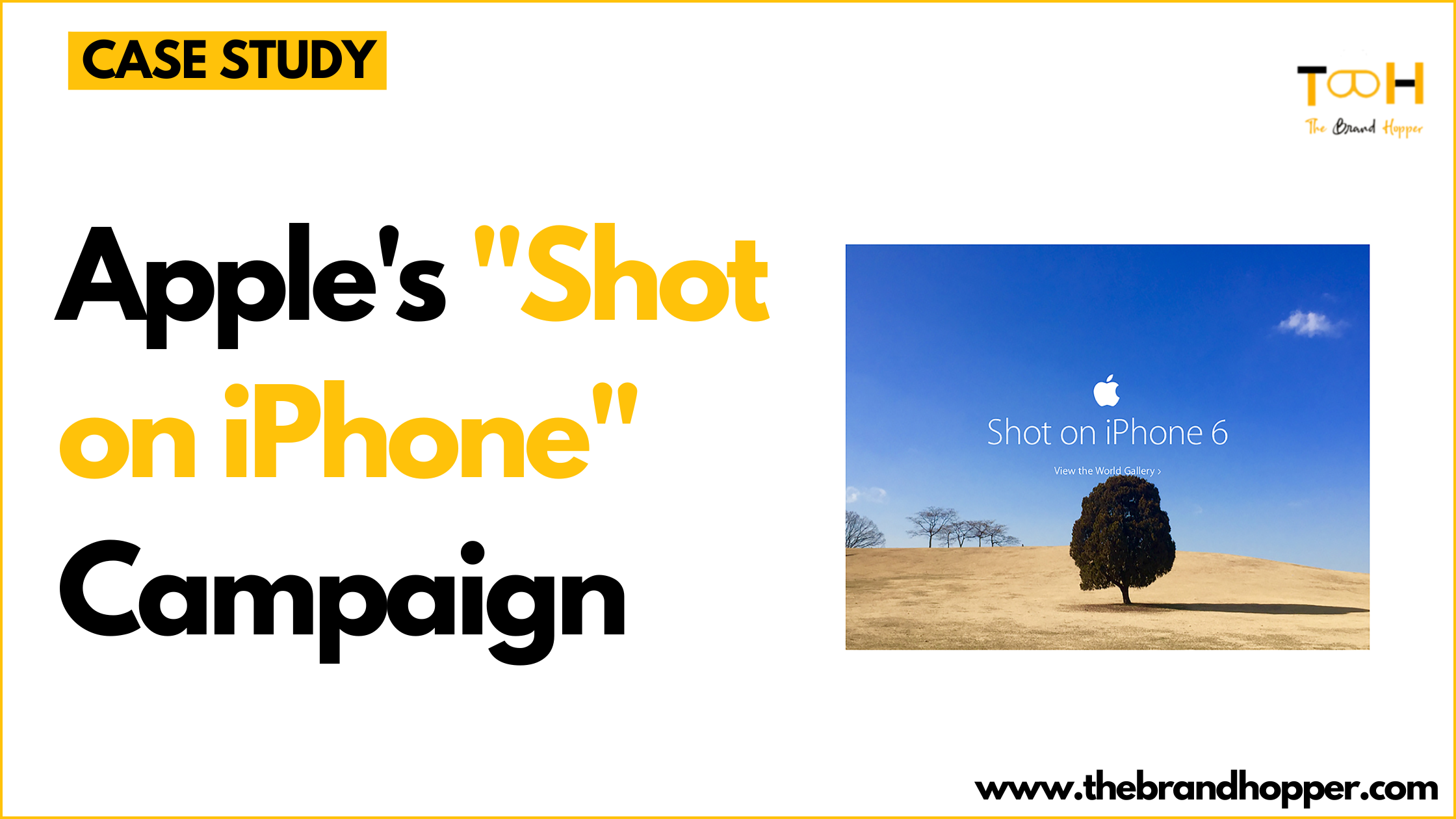
In 2015, Apple did something unusual for a technology company: it handed its marketing over to its customers. The “Shot on iPhone” campaign didn’t just promote the iPhone 6s — it fundamentally changed how a hardware feature could be marketed. By transforming millions of ordinary users into brand ambassadors, Apple turned the smartphone camera into a cultural conversation, not just a product specification.
This case study examines how Apple constructed, executed, and sustained one of the most effective user-generated content campaigns in modern marketing history — and what brand strategists can learn from it.
Background
The Context Behind the Campaign
The “Shot on iPhone” campaign launched in 2015 alongside the iPhone 6s, which introduced a significant camera upgrade: a 12-megapixel rear sensor with 4K video recording capability. At the time, smartphone photography was increasingly central to how consumers evaluated devices, with competitors like Samsung aggressively marketing their own camera hardware through feature-led advertising.
Rather than respond with a conventional spec-focused campaign, Apple took a fundamentally different approach. The company invited iPhone users worldwide to submit their best photographs, then displayed the most compelling images on billboards, in print publications, and across digital channels — with minimal branding. The images spoke first; the product followed.
Target audience
The campaign’s primary audience was millennials — a demographic with high social media engagement, a strong affinity for visual storytelling, and a demonstrated willingness to upgrade devices when new features align with their interests. This group was already using smartphones as their primary camera, making camera quality a genuine purchase consideration rather than a peripheral benefit.
Secondarily, the campaign reached photography enthusiasts who valued technical quality and creative expression. Winning their attention lent the iPhone a level of credibility it hadn’t previously held in serious photography circles, and their endorsement carried significant weight with aspirational consumers.
Marketing Objectives
- Apple designed the campaign around four core objectives:
- Establish the iPhone 6s as a premium camera device, not merely a smartphone with a capable camera
- Showcase the upgraded hardware in an authentic, non-technical way that resonated with mainstream consumers
- Generate organic, user-created content at scale, expanding reach while reducing first-party production costs
- Drive hardware sales during a competitive product cycle by connecting camera performance to real emotional value
Campaign Strategy
To achieve these objectives, Apple implemented several strategies across various channels:
Social Media Contest
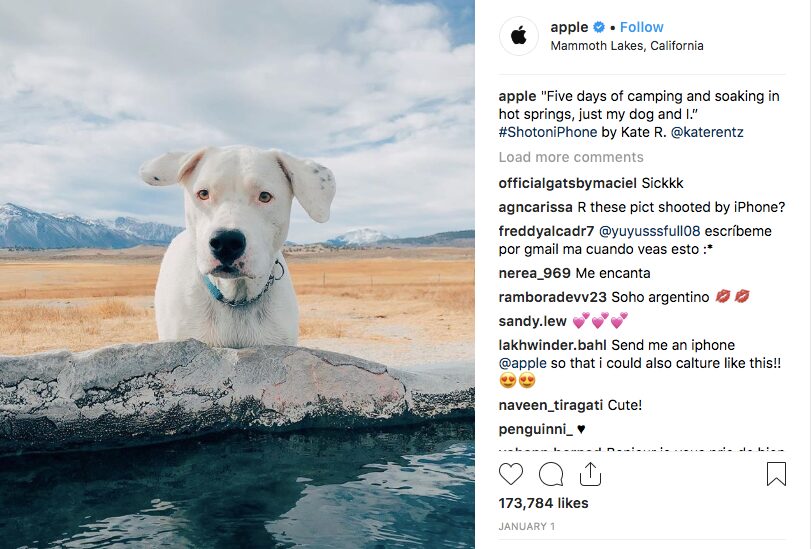
Apple created a dedicated submission platform where users could enter their best iPhone-shot photographs using the hashtags #shotoniphone and #contest. Winners received meaningful recognition: their images appeared in official Apple advertising, and select participants received a new device. The incentive was carefully calibrated — aspirational but accessible — ensuring broad participation across skill levels rather than narrowing the contest to professional photographers.
Influencer and Photographer Partnerships
Apple collaborated with established photographers and visual content creators on Instagram, commissioning content shot entirely on iPhone hardware. These partnerships served a dual purpose: they produced high-quality imagery that demonstrated the camera’s ceiling, while simultaneously lending campaign credibility through trusted voices already embedded in the photography community. The message was consistent whether it came from a professional or an unknown user.
Print and Out-of-Home Advertising
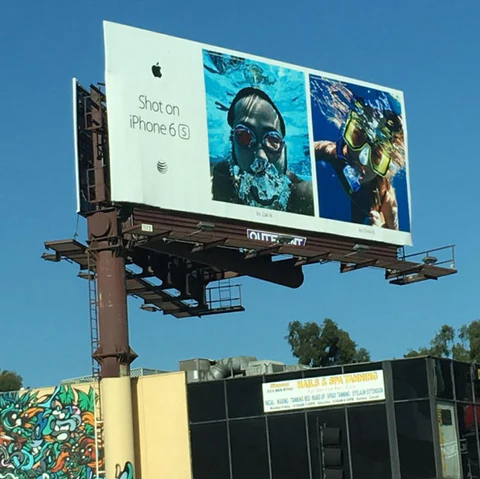
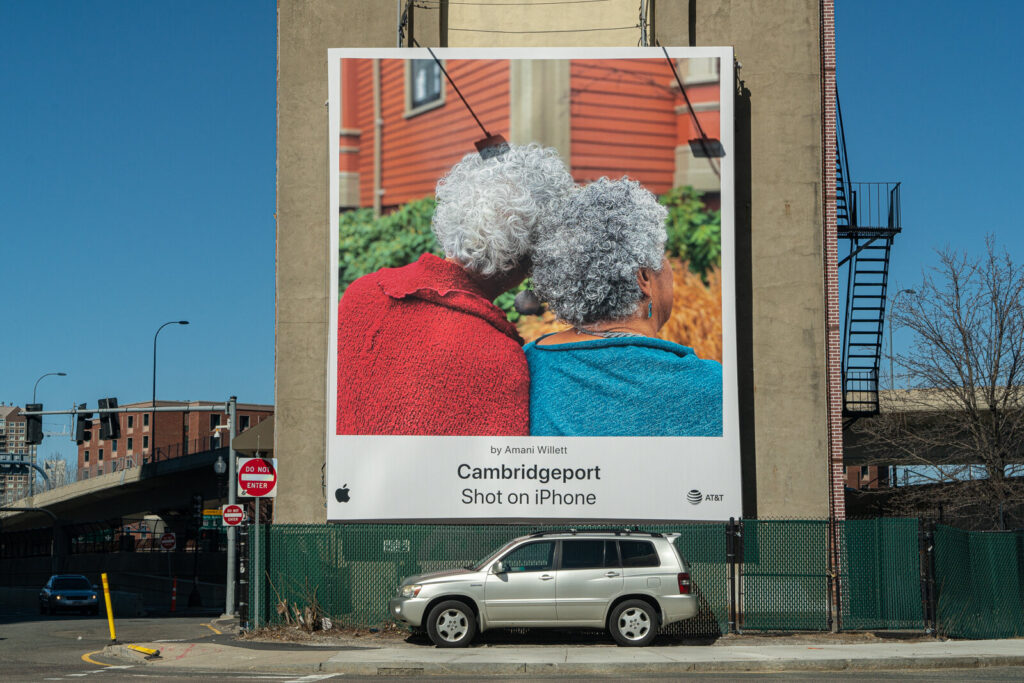
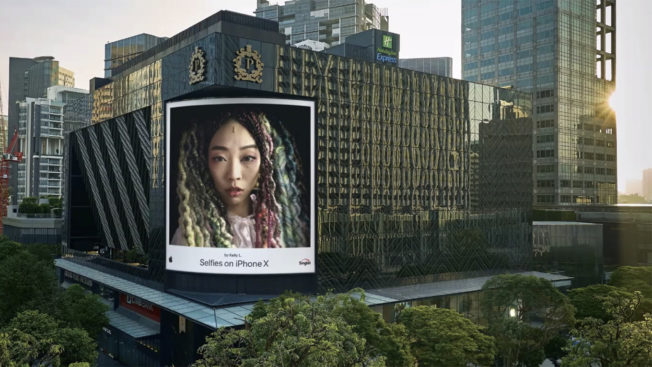
Apple deployed a global out-of-home campaign, placing large-format prints of user-submitted photographs on billboards across major cities worldwide. The creative approach was deliberately minimalist — images filled the frame, copy was reduced to the campaign tagline and a small Apple logo. This restraint was itself a statement: the photography required no explanation. Print placements in major newspapers and magazines followed the same philosophy.
Television
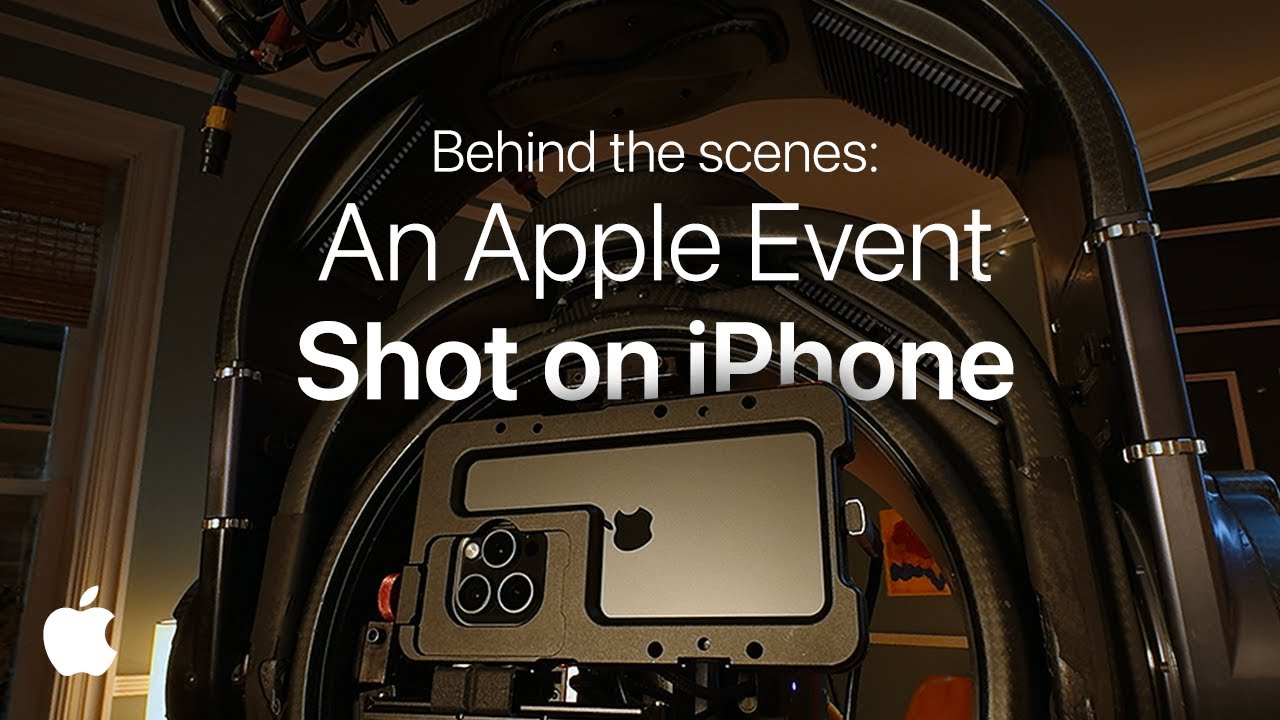
A television commercial featured a montage of user-generated footage — landscapes, portraits, spontaneous moments of daily life — edited with cinematic pacing and set to evocative narration about the act of capturing life as it happens. The spot concluded with the tagline “Shot on iPhone 6s,” grounding an emotional narrative in a specific product at the last possible moment.
Retail Integration
Apple’s retail stores displayed large-format prints of winning contest photographs, extending the campaign into the purchase environment. Prospective buyers encountered the camera’s output directly before making a decision — turning the retail space itself into a gallery and reinforcing the campaign’s central claim through immediate, physical evidence.
Results
The “Shot on iPhone” campaign was highly successful, achieving remarkable results for Apple:
Audience Engagement
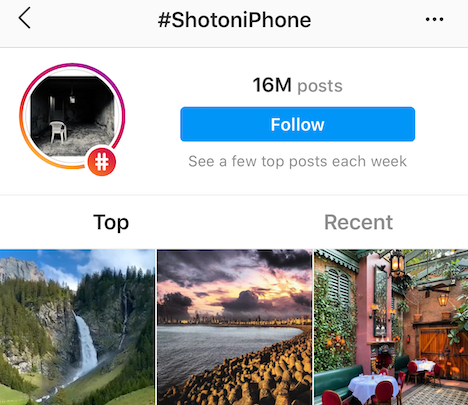
The #shotoniphone hashtag produced over 70 million interactions on Instagram alone, encompassing likes, comments, and shares. More than 100,000 photographs and videos were submitted to the contest — a volume of user-generated content that no paid production budget could have replicated. The campaign effectively turned participation itself into a media channel, with each user submission extending Apple’s reach organically.
Sales Performance
iPhone sales reached a record high during Apple’s Q4 2015 earnings period, with the iPhone 6s emerging as the best-selling model in the lineup. While multiple factors influence quarterly hardware performance, the timing and reach of the campaign aligned closely with the acceleration in sales, particularly within the target millennial demographic.
Brand Positioning
The campaign measurably strengthened Apple’s association with premium photography — a positioning that had previously been more aspirational than substantive. It established a durable narrative that the company has since carried through every major iPhone camera upgrade, making “Shot on iPhone” not just a tagline but a brand pillar.
Industry Recognition
The campaign earned three of the most competitive honors in the advertising industry: a Cannes Lions Grand Prix for Outdoor, a D&AD Pencil for Digital Advertising, and a CLIO Award for Integrated Campaign. Industry recognition of this breadth confirmed that the campaign was not simply effective — it was structurally innovative.
Long-Term Franchise
Perhaps the most telling indicator of strategic success is the campaign’s longevity. “Shot on iPhone” evolved into a standing platform, with subsequent iterations tied to each new iPhone generation: Shot on iPhone X, XR, 12 Pro, and beyond. Each installment builds on the same structural logic — user-generated content, influencer collaboration, restrained creative execution — while refreshing the visual language to reflect new camera capabilities.
What Brand Strategists Can Learn
Apple’s “Shot on iPhone” campaign succeeded not because it invented user-generated content marketing, but because it executed it with unusual discipline and clarity. The campaign’s restraint — minimal copy, minimal branding, a clear and repeatable hashtag — created a framework that could scale globally without losing coherence.
More fundamentally, the campaign worked because it aligned Apple’s marketing interest (showcasing camera quality) with a genuine user behaviour (photographing and sharing everyday life). When marketing amplifies something people already want to do, participation follows naturally — and the resulting content carries an authenticity that paid production rarely achieves.
| For brand strategists, the campaign offers three transferable principles: lead with the output, not the product; design participation frameworks that are simple and meaningful; and build campaigns that can evolve into long-term platforms rather than isolated executions. |
The “Shot on iPhone” campaign remains one of the clearest examples of a technology company using marketing not to describe what a product does, but to demonstrate what it makes possible. That distinction — between description and demonstration — is where the most enduring brand campaigns are built.
Also Read: Case Study : Apple’s “Creativity Goes On” Brand Campaign
To read more content like this, subscribe to our newsletter