For businesses today, reputation isn’t just part of the strategy—it is the strategy. In a world where customer reviews can go viral and brand loyalty is fragile, a single misstep can echo for years. And few missteps hit harder than mishandling a personal injury claim. Whether it’s a slip in a grocery aisle or a crash involving a rideshare driver, how a company responds matters as much as what happened.
Consumers notice when companies dodge responsibility. They notice when legal teams try to minimize harm instead of addressing it. But they also notice when a business steps up—acknowledges what went wrong, does right by the victim, and takes steps to prevent it from happening again.
That’s where the role of a specialist in personal injury claims becomes especially important—not just for the injured individual, but for the company that needs to protect its brand, too.
Why Injury Claims Are a Brand Problem (Not Just a Legal One)
A few decades ago, a customer injury might stay contained—maybe a lawsuit, a payout, and a few whispers. But now, the consequences of a poorly handled claim play out in public.
All it takes is:
- A viral TikTok from an injured shopper.
- A thread exposing a rideshare company’s lack of accountability.
- A media piece quoting an unsympathetic response from corporate.
Reputation is now shaped by how businesses respond to harm. A fast-food chain that’s slow to apologize or a retailer that tries to downplay responsibility isn’t just facing legal risk—they’re facing lost trust. Public opinion moves fast, and when a brand is on the wrong side of empathy, there’s often no winning it back.
This isn’t about PR damage control. It’s about building a response strategy grounded in responsibility—and legal realism.
Brands That Take It Seriously Are Playing the Long Game
Smart companies already know this: accountability is cheaper than silence. And being proactive beats being exposed.
We’re seeing a shift in how leading businesses approach injury claims:
- Documentation and transparency are now standard, not optional.
- Partnerships with legal experts help create proper response protocols.
- Internal policies go beyond “what’s legal” to “what’s fair.”
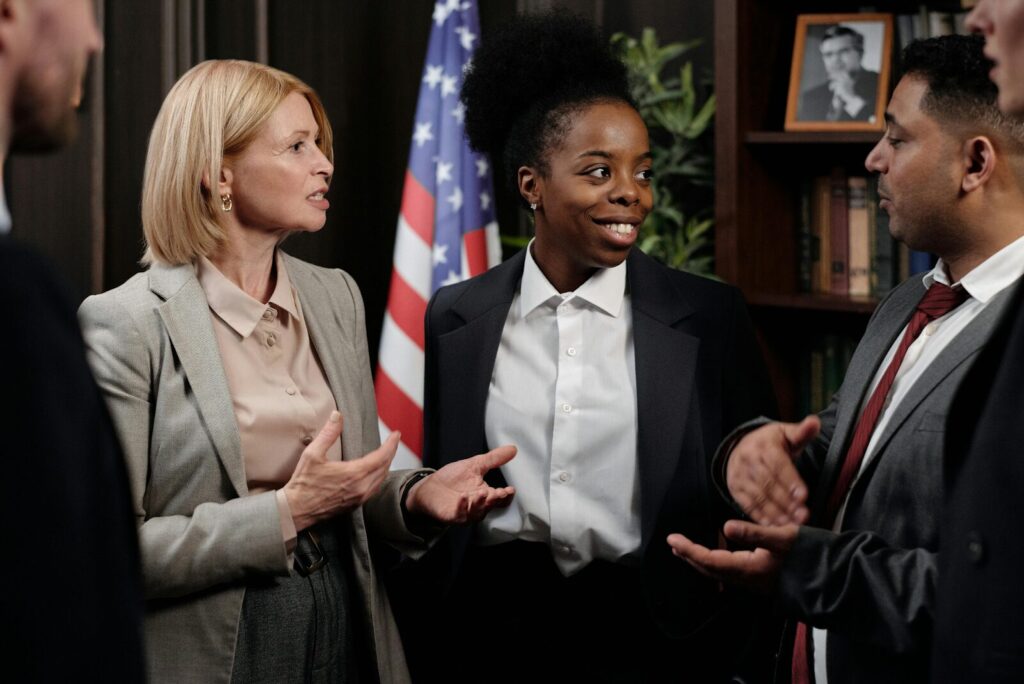
Brands that get this right often involve legal counsel early—not to fight the claim, but to navigate it responsibly. They don’t bury their heads in compliance checklists. They ask: What’s the human thing to do here? And how can we do that while staying legally protected?
Firms like Buckhead Law help businesses understand both sides of that coin.
Legal Support Isn’t Just for Lawsuits—It’s for Brand Strategy
The idea that personal injury lawyers only come in when a lawsuit is filed is outdated. The best attorneys are also advisors—especially when a business is trying to walk the line between protecting its bottom line and doing right by the customer.
This is where a legal partner with experience in both individual claims and business defense becomes essential. A lawyer who understands the nuances of personal injury can help a brand:
- Assess risk honestly without downplaying facts.
- Respond to claims in a way that avoids escalation.
- Structure settlements with dignity, not just damage control.
- Implement future safeguards to reduce similar incidents.
That’s not just legal work—it’s brand preservation.
Case Studies in What Not to Do
Unfortunately, the news is full of examples of companies that fumbled their injury responses—and paid the price in public trust.
Example 1: The Big Box Store Slip
A national retailer faced a lawsuit after an elderly woman slipped on a wet floor. Surveillance showed the spill had been there for 40 minutes, and no warning signs were posted. The store denied responsibility and accused the woman of being careless.
The legal fees were steep—but the viral backlash was worse. Disability advocates jumped in. Old customer complaints were unearthed. Boycotts were organized. All because the brand chose legal denial over responsibility.
Example 2: The Rideshare Reckoning
A rideshare passenger was seriously injured in a car accident caused by a distracted driver. The company distanced itself, claiming drivers were “independent contractors.” Legally, it was a gray area—but the brand’s cold response trended for all the wrong reasons.
A human-centered legal approach might have prevented the storm. Instead, it created a lesson in what not to do.
What the Best Brands Do Differently
Companies that protect their reputation in personal injury situations often do three things very well:
1. They Move Quickly—But Thoughtfully
Silence can be interpreted as indifference. But rushing out a generic statement can also backfire. The smart move is to consult a legal expert immediately to shape a response that is both responsible and strategic.
2. They Avoid the Blame Game
Assigning blame—especially to the injured party—rarely works in a brand’s favor. Companies that take ownership, even partial, tend to come out looking more trustworthy in the long run.
3. They Learn (and Prove It)
After an incident, follow-through matters. Did the business change its training protocols? Install better safety features? Update its customer care scripts? These tangible actions are the brand’s apology.
Why Partnering With a Specialist Matters
Personal injury law is complex. So is brand reputation. Bridging the two takes someone who understands both public sentiment and legal procedure.
A specialist in personal injury claims like Buckhead Law doesn’t just help the injured seek justice—they help companies avoid making costly mistakes in how they respond.
Whether it’s crafting a settlement, communicating with insurers, or preventing the kind of litigation that goes public, the right attorney brings clarity to chaos. They don’t just protect the business—they help the business act with integrity.
And in an era where how a company handles problems defines it more than the problems themselves, that’s a competitive edge.
Prevention Is the New PR
The best time to think about personal injury risk isn’t after something happens. It’s now.
Smart businesses are starting to:
- Conduct liability audits of their physical spaces.
- Train staff to document incidents properly.
- Establish clear communication protocols for when a customer is harmed.
- Vet their third-party contractors and delivery drivers.
- Keep legal advisors on-call—not just for defense, but for guidance.
This isn’t about being paranoid. It’s about being prepared. And when an injury does happen (because sometimes it will), these businesses are ready to respond in a way that protects both the person and the brand.
Final Thoughts: Responsibility Is a Brand Differentiator
There’s a reason why some brands bounce back from crises—and others collapse under the weight of public backlash. It all comes down to trust. And trust isn’t built when everything’s going right. It’s built in how a company handles things when they go wrong.
Taking personal injury claims seriously isn’t just about avoiding a lawsuit. It’s about showing your customers—and the world—that you care about their well-being. That you don’t hide behind contracts. That you take action.
For any brand that wants to last, that’s the only way forward.
To read more content like this, explore The Brand Hopper
Subscribe to our newsletter