Last Updated on September 8, 2025 by Team TBH
When people hear Starbucks, their first thought might be coffee. Maybe a venti caramel macchiato with extra drizzle. Or perhaps the iconic green siren logo glowing at the corner of a busy street. But Starbucks is more than drinks and logos. It built an empire on a philosophy that turned coffee shops into community hubs. That philosophy is known as the Third Place concept.
This isn’t just marketing fluff. It’s a cultural idea that has changed how millions of people around the globe see cafés, workspaces, and even themselves. Let’s explore what it really means, how Starbucks harnessed it, and why it continues to matter today.
What Do We Mean by “Third Place”?
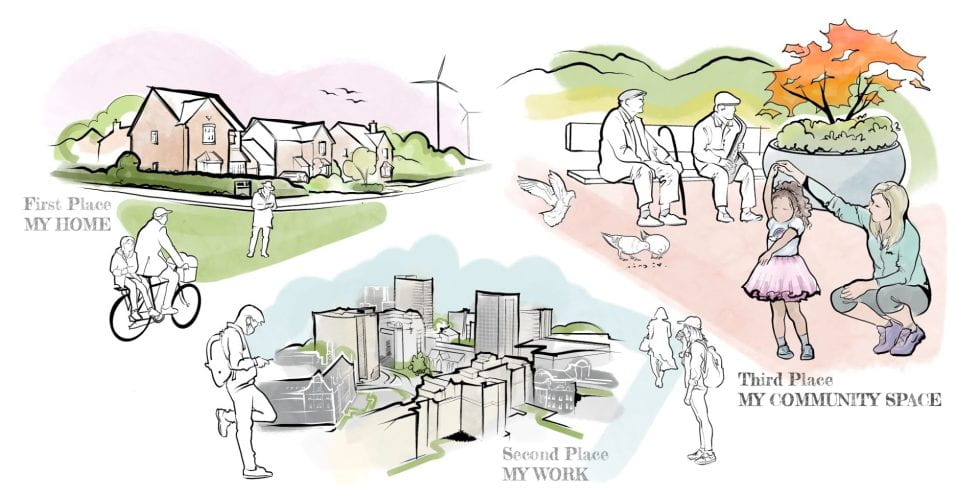
The phrase “third place” comes from sociologist Ray Oldenburg. In his book The Great Good Place (1989), Oldenburg explained that most people spend their lives in two main places:
- First place: Home – where we live, eat, and spend time with family.
- Second place: Work – where we earn money and fulfill professional roles.
But humans need a third anchor in their lives: a neutral ground where they can relax, connect, and belong. Historically, these might have been pubs, community centers, or town squares. Oldenburg argued that societies thrive when people have such spaces to gather informally.
Starbucks adopted this concept and gave it a modern twist: coffee shops as a “third place between home and work.”
How Starbucks Discovered the Idea
In the early 1980s, Howard Schultz, who would later become the face of Starbucks, traveled to Milan, Italy. What he saw in Italian espresso bars blew his mind. These weren’t just places to grab a quick coffee. They were lively hubs where people chatted, argued, laughed, and lingered. The coffee was good, but the community was even better.

Schultz returned to the U.S. with a vision: Starbucks should recreate that vibe for Americans. Not just selling beans or drinks, but creating an experience. He wanted Starbucks to be that comforting place where people felt they belonged – even if they were far from home.
Designing the Third Place
Starbucks didn’t stumble into becoming a community hub; it engineered it carefully. Let’s break down the elements:
1. The Atmosphere
Walk into a Starbucks, and you’re met with:
- Warm, cozy lighting (not the harsh fluorescent glow of fast food chains).
- Soft music, carefully curated playlists, often mellow enough to relax but energetic enough to work to.
- The unmistakable smell of freshly ground coffee beans – a sensory brand marker.
- The vibe isn’t accidental. It’s crafted to say: “You’re welcome here. Stay a while.”
2. The Seating
Unlike quick-service diners, Starbucks built seating that encouraged people to linger:
- Big couches for groups.
- Small two-person tables for intimate chats.
- Long communal tables for students or freelancers.
The message? Whether you’re alone, with friends, or meeting colleagues, Starbucks has a spot for you.
3. The Digital Layer
Starbucks was one of the first chains to offer free Wi-Fi in the early 2000s. Suddenly, it wasn’t just a coffee shop – it was an office away from the office. Writers, entrepreneurs, and students could set up shop with a latte and spend hours working. Today, many Starbucks locations are full of laptops, making the café as much a workspace as a leisure space.
Starbucks as a Community Hub
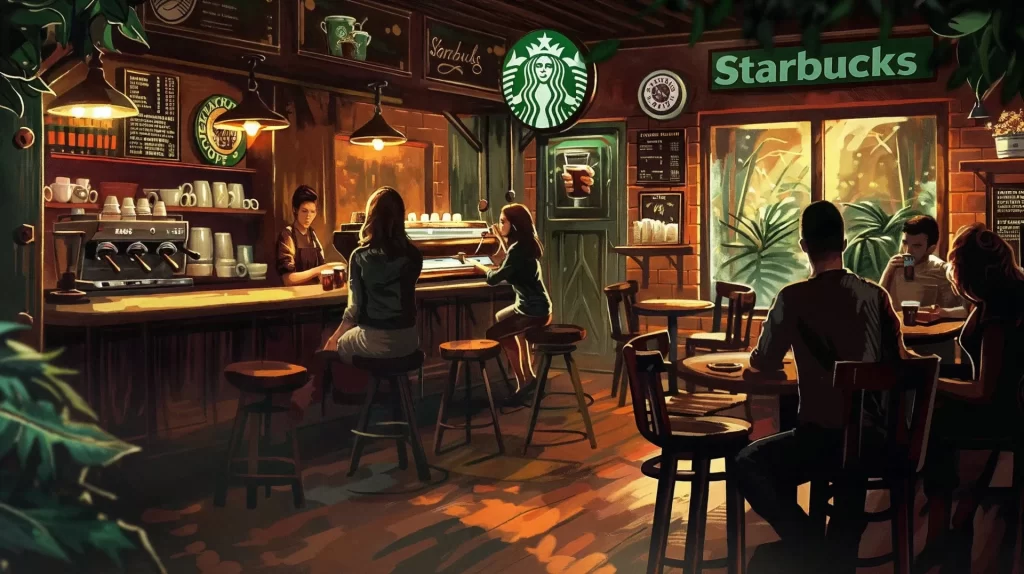
The Third Place concept shines in how people use Starbucks. It has become:
- A social spot: Friends catching up over cappuccinos.
- A study hall: Students huddled with laptops and notes.
- A meeting room: Professionals holding casual business discussions.
- A solo retreat: People reading books, journaling, or simply enjoying time alone in a public space.
Starbucks intentionally positions itself as a neutral zone. Unlike a bar, it’s not about alcohol or nightlife. Unlike home, it requires no hosting duties. Unlike work, it comes without deadlines. It’s everyone’s living room, accessible yet special.
Marketing the Third Place
Starbucks rarely markets itself like a typical restaurant chain. You won’t see “$1 off lattes!” billboards dominating their campaigns. Instead, their marketing often emphasizes experience, connection, and lifestyle.
- Advertisements show people bonding, not just coffee being poured.
- Social media campaigns highlight customer stories – the “why” behind grabbing a coffee.
- Seasonal launches like the Pumpkin Spice Latte become cultural events, sparking conversations and memes, further fueling community connection.
By focusing on lifestyle and belonging, Starbucks sells something intangible: the feeling of being part of a larger cultural moment. The coffee is just the ticket to enter.
The Global Spread of the Third Place
When Starbucks expanded globally, the Third Place idea traveled with it. In many countries, cafés weren’t traditionally used as community hubs. Yet Starbucks introduced and normalized the behavior of lingering.
-
In China, Starbucks became a trendy place for young people to meet, blending Western café culture with local tea traditions.
-
In Europe, where café culture already existed, Starbucks modernized it with Wi-Fi, music, and a consistent brand experience.
-
In emerging markets, Starbucks created aspirational spaces that became symbols of modern lifestyle.
The global consistency of the Third Place experience – same logo, same ambience – reassures travelers and locals alike that Starbucks is a familiar haven, no matter the city.
Challenges to the Third Place
Starbucks’ Third Place isn’t immune to challenges:
1. COVID-19 Pandemic
Lockdowns and social distancing shattered the Third Place model. Suddenly, lingering in cafés was unsafe. Starbucks pivoted heavily toward drive-thru, pickup, and delivery, investing in mobile ordering apps. While this kept revenue flowing, it also diluted the “stay a while” ethos.
2. Competition
Independent coffee shops and rival chains (like Costa or Dunkin’) increasingly replicate the Third Place vibe – comfy chairs, good Wi-Fi, artisanal designs. Starbucks no longer owns the concept outright.
3. Digital Communities
For younger generations, online spaces (Discord servers, Instagram groups, even video games) function as Third Places. Starbucks must find ways to remain relevant when “community” is no longer bound by physical walls.
Evolving the Concept
Starbucks hasn’t abandoned the Third Place – it’s reimagining it.
- Store formats are diversifying: Some urban centers now have “pickup-only” Starbucks with no seating, catering to convenience-first customers.
- Community partnerships: Starbucks invests in social initiatives and community programs, reinforcing its cultural role beyond coffee.
- Technology integration: Mobile apps and loyalty programs connect the digital experience with in-store visits, keeping Starbucks in consumers’ daily routines.
Howard Schultz himself admitted that the Third Place must adapt to “new realities,” but its core – human connection – will always be central.
Why the Third Place Still Matters
Despite changes, the Starbucks Third Place philosophy continues to resonate. Here’s why:
- People crave belonging: In an age of digital overload, physical spaces that feel welcoming are more valuable than ever.
- Routine is comforting: For many, a daily Starbucks trip is a ritual that grounds their day.
- Hybrid lifestyles need hybrid spaces: As work-from-anywhere becomes common, Starbucks offers a bridge between home and office.
At its heart, Starbucks has always been about creating moments, not just cups of coffee.
Lessons for Branding and Business
Starbucks’ Third Place concept teaches a few big lessons:
-
Sell experiences, not just products. Coffee is everywhere; community is rare. Starbucks leveraged the latter.
-
Design matters. Every chair, playlist, and smell is part of the brand story.
-
Consistency builds trust. Whether in New York or Tokyo, Starbucks offers a familiar refuge.
-
Adapt without losing essence. The Third Place has survived pandemics, tech shifts, and competition by evolving while holding onto its core values.
Final Sip: Starbucks as the World’s Living Room
Starbucks didn’t just redefine coffee; it redefined public space. By championing the idea of the Third Place, Starbucks created cafés where people don’t just drink – they connect, work, think, and belong.
The next time you find yourself sitting by the window with your favorite brew, look around. You’ll see students studying, friends laughing, a freelancer typing away, maybe even someone on a first date. That’s the Third Place at work – a community hub disguised as a coffee shop.
And maybe that’s why, decades later, we’re still lining up at Starbucks not just for the caffeine, but for the comfort of community in a cup.
Also Read: Starbucks Success Story and Success Factors
Also Read: Marketing Strategies and Marketing Mix of Starbucks Coffee
To read more content like this, subscribe to our newsletter