Last Updated on November 7, 2025 by Team TBH
Sensodyne is a leading global oral-care brand specializing in products for sensitive teeth. Introduced in 1961, it is now owned by Haleon (formerly part of GSK) and marketed in over 160 countries. Today, Sensodyne is a $1 billion brand and commands roughly a 20% share of the global toothpaste category. Importantly, Sensodyne is recognized as the world’s #1 dentist-recommended toothpaste for sensitive teeth. The brand’s premium positioning has allowed it to sustain higher pricing than competitors while growing share. Over decades, Sensodyne has built its identity around expertise and efficacy, marketing itself as a scientifically developed solution to tooth sensitivity.
Sensodyne’s product portfolio includes a wide range of toothpastes, mouthwashes and even toothbrushes, all formulated to relieve sensitivity and protect enamel. Flagship variants include Sensodyne Repair & Protect, Sensodyne Rapid Relief (clinically proven relief in just 60 seconds), and the Pronamel line for erosion protection. The brand emphasizes its science-backed ingredients (potassium nitrate, stannous fluoride, etc.) and “premium feel” packaging to reinforce quality. Underlying all marketing is the insight that many people suffer daily pain from cold or hot foods – a condition they often didn’t realize had a name or cure. Sensodyne’s strategies therefore focus on communicating that sensitive teeth are treatable and that Sensodyne is the expert solution.
Marketing Strategies of Sensodyne
1. Educating Consumers: Building Category Awareness
Early on, Sensodyne shifted away from generic product pitches and toward consumer education. It discovered that although around one-third of people have tooth sensitivity, hardly anyone sought treatment. In fact, studies in 2000 showed only ~5% of sufferers used desensitizing toothpaste. The strategic insight was that “their pain was a treatable condition, with a name, and Sensodyne was the answer”. Thus Sensodyne reframed sensitivity as a medical condition, not just an annoying symptom. Marketing messages began to inform people about enamel erosion, exposed dentine and sensitivity triggers, making clear that ignoring sharp twinges when eating hot/cold foods was no longer acceptable. In essence, the brand created and grew the category of “sensitivity toothpaste” through education.
This education strategy is embedded in Sensodyne’s global “Condition Awareness” marketing. Creative agency Grey (Sensodyne’s partner for 20+ years) notes that dentist testimonials and expert-driven content are central to “raise[ing] awareness of sensitivity, transforming Sensodyne into a category leader”. They developed a “Be Real” campaign framework where local dentist experts (often unscripted) explain the problem in everyday language. This approach literally “brings the dentist out of the surgery” to talk to consumers, replicating the one-on-one dental advice at scale. When markets mature, Sensodyne still emphasizes the science of sensitivity – explaining enamel wear and tubule exposure – so consumers understand the need for treatment before it worsens.
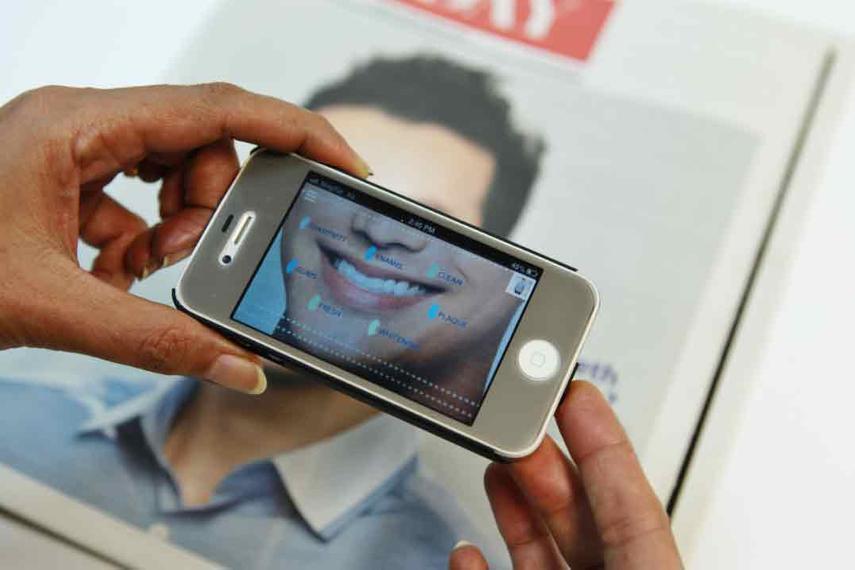
For example, a recent India campaign (May 2025) featured 18 short films in nine regional languages, each telling real consumer stories about struggling with sensitive teeth. These stories explicitly highlight enamel erosion and nerve exposure using high-science visuals, and urge viewers to recognize symptoms and get timely relief. The multi-media campaign ran on TV, digital, print and social platforms, reinforcing Sensodyne’s role in education. In Singapore, Sensodyne even ran an augmented reality (AR) print campaign (“Straight from the Mouth”) where a mobile app let consumers “listen” to teeth talking about benefits of brushing with Sensodyne. In all these cases, the goal was to build the category by teaching consumers – effectively turning ignorance into awareness, with Sensodyne as the trusted teacher.
2. Engaging Dentists as Trusted Advocates
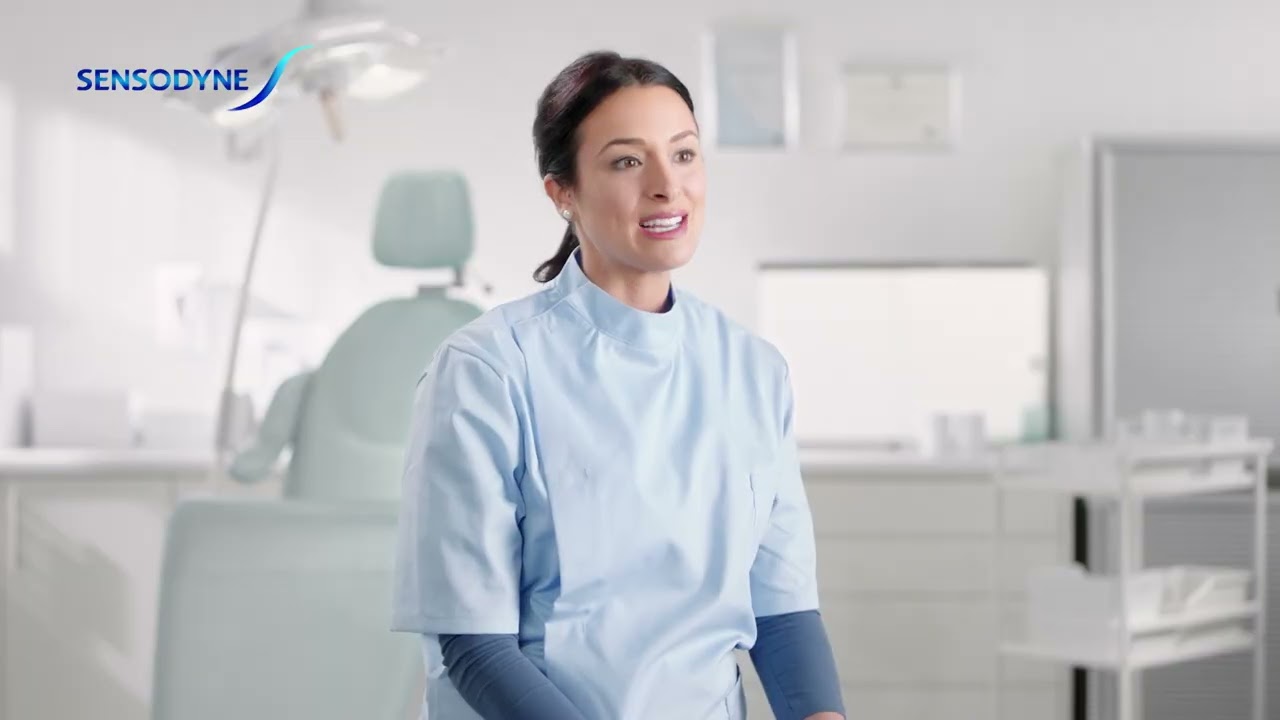
Dentists are the quintessential authority on oral health, and Sensodyne has made them core to its strategy. The brand prides itself on being the #1 dentist-recommended sensitivity toothpaste worldwide. Marketing campaigns consistently feature real dentists (or authentic figures) explaining tooth sensitivity and endorsing Sensodyne’s science. As one campaign note put it: by bringing “the Dentist out of the surgery and into an advertising campaign, Sensodyne captured the core category values of expertise and authority”. Grey’s executives agree: dentist testimonials have become Sensodyne’s “most valuable marketing asset”. These testimonials lend immediate credibility, educating new users while reinforcing the positive experiences of existing users.
Sensodyne’s ongoing partnership with Grey has institutionalized this expert-driven approach globally. For over two decades, every major market campaign uses either local dentists or other credible professionals to explain sensitivity in everyday terms. For example, in the UK and Europe, Sensodyne has run ads and films showing actual dentists describing causes of sensitivity and recommending Sensodyne. (Regulations in some countries mean actors or scientists fill this role, but the “expert voice” remains intact.) In India, one key launch campaign even brought a dentist from overseas to endorse the brand because local doctors cannot publicly endorse products. Globally, more than 5,000 localized executions of dentist-led content have been produced to date.
Dentist engagement isn’t only through ads. Sensodyne works closely with dental professionals in distribution and outreach. In many markets, GSK/Haleon sales teams educate pharmacies, doctors and retailers about the brand. Dentists often receive free samples and informational kits so that they recommend Sensodyne to patients. This two-pronged approach – featuring dentists in marketing and enlisting them as ambassadors – has entrenched Sensodyne’s image as the expert choice. Even as the brand embraces new media, the foundational message is the same: real dental professionals trust Sensodyne.
3. Emotional Storytelling: Tapping Simple Pleasures
While science and expertise are core, Sensodyne’s campaigns also connect emotionally by focusing on everyday joys that sensitivity can spoil. The messaging often paints a picture of small life pleasures – the first sip of hot coffee, a melting ice cream or a mouthful of spicy food – and how a twinge of pain can derail those moments. For instance, one creative campaign film ends with, “now many more people can enjoy their ice cream and hot coffee unimpeded!”. This kind of storytelling creates an emotional tension (discomfort vs. joy) with Sensodyne positioned as the enabler of simple happiness.
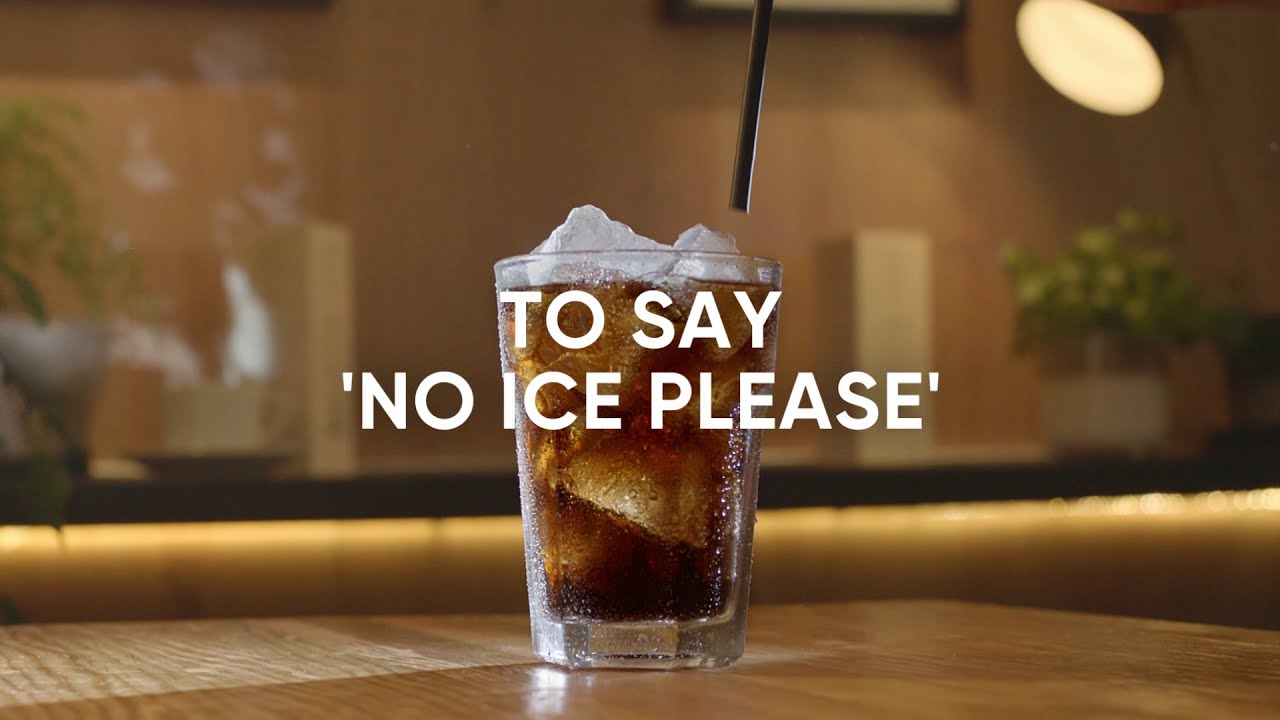
Recent Sensodyne ads and events lean into this “reclaim your favorite foods” theme. In India, the ongoing “#ForTheLoveOf” social campaign features well-known chefs sharing nostalgic recipes (like a mango kulfi or sweet corn chowder) that were once off-limits due to sensitivity. Each chef story ends with “Don’t worry about sensitivity – use Sensodyne and enjoy this dish safely.” Chef influencers like Ranveer Brar and Kelvin Cheung urge consumers to “recreate these recipes and eat them without fear,” which reinforces the brand’s promise of worry-free enjoyment. A GSK marketing lead explained that this campaign “gives people with sensitivity a chance to live life to the fullest” again.

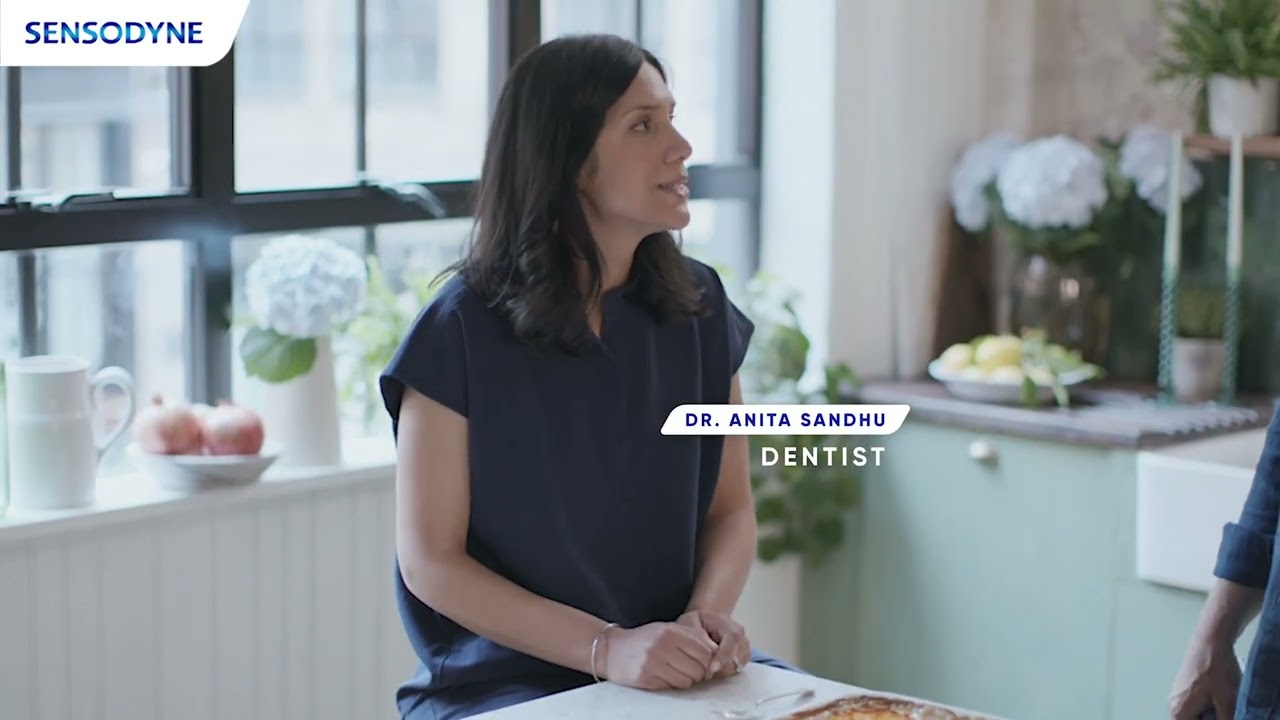
Globally, Sensodyne’s positioning is similar. In late 2025, Sensodyne UK launched the “Sensitivity Stories” campaign with celebrity chef Jamie Oliver as its ambassador. In a series of videos, Oliver candidly describes how his own tooth sensitivity once robbed him of enjoying food – and a dentist (Dr. Anita Sandhu) explains how Sensodyne solved it. As Sensodyne’s UK marketing director put it: “everyone deserves to eat and drink without worrying about sensitive teeth. The campaign is about empowering people to reclaim those moments”. By pairing Jamie’s relatable passion for flavor with an expert endorsement, the ads dramatize the inconvenience of sensitivity and inspire viewers to “reclaim those moments” of pleasure.
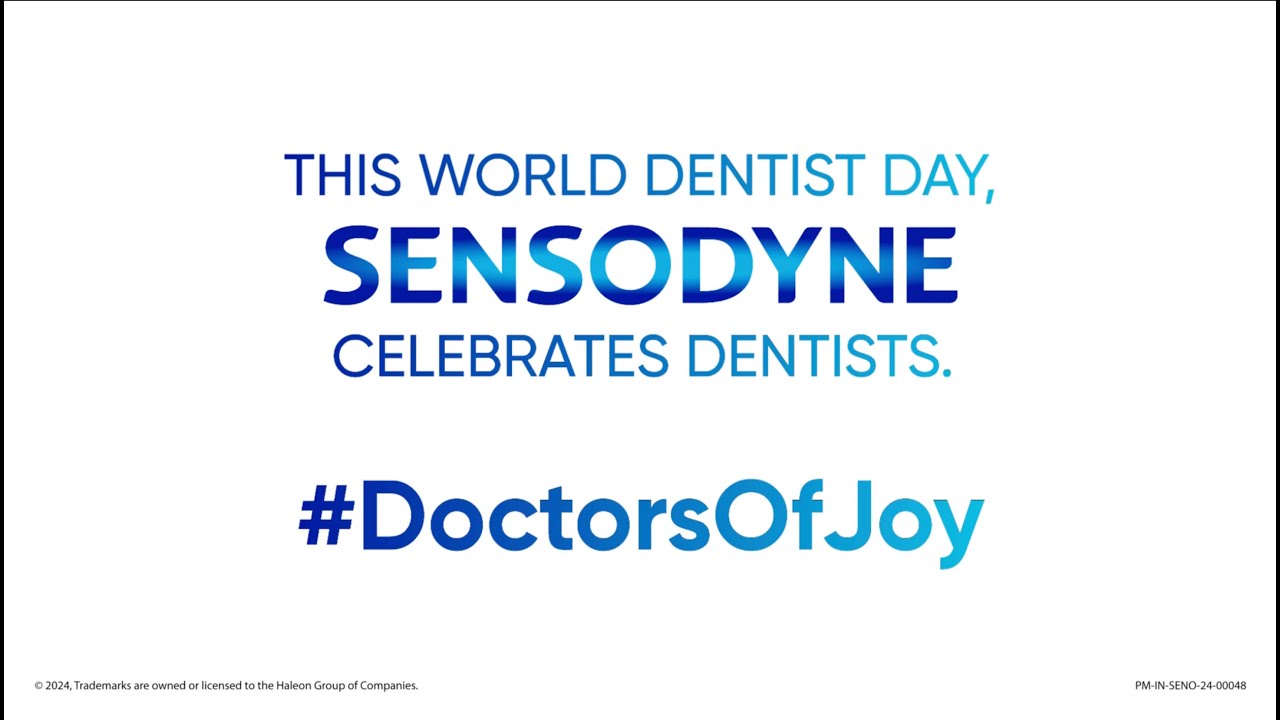
Even in digital and social content, this joy-of-eating theme appears. The “Doctors of Joy” AI campaign (World Dentist’s Day 2024, India) created thousands of personalized video tributes showing dentists smiling over everyday happy moments they enable (eating hot tea, playing with kids. Sensodyne explicitly frames dentists as helpers of happiness, thanking them for improving people’s lives so they can “live life’s precious moments of joy without any fear”. In sum, Sensodyne’s emotional storytelling consistently links the product to positive life experiences, making the benefit tangible and heartfelt.
4. Digital and Technology-Driven Campaigns
Sensodyne has embraced technology and new media to stand out. The brand’s marketing playbook includes innovative digital campaigns, from AR and AI to high-tech video production. A 2013 campaign in Singapore used augmented reality print ads: when scanned by a smartphone app, the ads let “sensitive teeth” literally talk about how Sensodyne protects them. This AR “Straight From the Mouth” concept was an early example of using engaging tech to educate consumers on brushing benefits and differentiation (in that case, for Sensodyne Complete Protection).
More recently, Sensodyne India launched an AI-powered campaign (October 2024) to mark World Dentist Day. The brand created 4,000 personalized videos featuring dentists thanking their community for being “Doctors of Joy”. These short AI-driven clips were geotargeted to 800 key postal codes across India, reaching 38 million people via YouTube and social media. This campaign not only honored dentists (strengthening Sensodyne’s expert brand image) but also showcased Sensodyne’s tech-savvy approach. Haleon’s marketing lead explained that AI enabled them to make each dentist’s message unique and shareable, boosting engagement far beyond a standard ad.
Sensodyne’s content production also leans on cutting-edge technology to dramatize sensitivity. On its UK website, Sensodyne showcased the filming of a high-speed “Faces of Sensitivity” video: using a Phantom Flex 4K camera capturing thousands of frames per second, they slowed down someone eating ice cream to capture the exact millisecond of pain. The result was an extreme close-up of facial crumpling at the moment of pain, which the brand used to visually educate viewers on how instant and visceral sensitivity can be. This blend of “science + story” in content reinforces Sensodyne’s innovative, research-driven image while grabbing consumer attention.
This blend of science and emotion is exactly what makes visual storytelling so powerful in education and marketing alike. Teams such as Film Division specialise in crafting narrative-driven videos that translate complex ideas into clear, engaging stories — the same creative principle that brands like Sensodyne employ to connect with audiences
On social media and digital channels, Sensodyne also experiments with new formats. For example, in China the brand sells through a dedicated TikTok shop, integrating e-commerce and education. In markets where real dentists can’t appear on screen, it sometimes uses animated explainers or even influencer “dentist” characters to stay compliant. Overall, Sensodyne’s willingness to leverage AR, AI, video tech and social commerce shows that its marketing strategy isn’t stuck in traditional media – it constantly tries new tools to engage modern consumers.
5. Influencers and Partnerships for Engagement
Sensodyne frequently teams up with celebrities and influencers who embody its brand promise. In India, the #ForTheLoveOf campaign (2020–present) brought in famous chefs and food personalities as influencers. Chefs like Ranveer Brar, Anahita Dhondy and Pankaj Bhadouria share personal stories of beloved recipes (e.g. a childhood mango kulfi) and demonstrate them with Sensodyne in mind. These social posts invite people to recreate the recipes “without the worry of tooth sensitivity” – directly connecting the product to enjoyable, everyday cooking experiences. By using popular personalities whose followings trust them, Sensodyne extends its reach and lends aspirational flavor to its message.
Another notable partnership was with global celebrity chef Jamie Oliver in the UK (2025). Jamie became the first celebrity chef ambassador for Sensodyne. His association tapped into his authority on food and family, and his large fan base. The accompanying “Sensitivity Stories” campaign combined his personal testimonial with clinical endorsement (Dr. Sandhu) – mixing influence with expertise. The ad spend and PR around this collaboration (on digital, TV and print) helped magnify Sensodyne’s visibility during a key back-to-school food season. As Grey London’s creative director noted, campaigns like this are built on “real people with real stories” – blending celebrity relatability with authenticity.
Sensodyne also engages micro-influencers and community initiatives. In some markets, it launched consumer clubs (e.g. “#SensodynersClub” on social media) where influencers share how Sensodyne benefits them and encourage user-generated content. While not as high-profile as the chef endorsements, these tactics amplify word-of-mouth. On World Dentist Day in India, for instance, Sensodyne additionally released short films featuring everyday people and families talking about sensitivity – blending influencer-style storytelling with the dentist message. In all cases, these partnerships are carefully aligned to reiterate the same core promise: enjoy life’s simple joys without pain. By co-opting trusted voices from the food and community space, Sensodyne stays culturally relevant while staying on-brand.
6. Integrated Multi-Channel Campaigns and Localization
Sensodyne’s campaigns are highly integrated, spanning multiple media channels and markets. Typical campaigns use a mix of TV commercials, print ads, social media, digital video, in-store promotions and PR to ensure broad coverage. For example, the 2025 Indian awareness campaign ran simultaneously on television, online video platforms, print ads in regional newspapers, and across Facebook/Instagram. It even created clinic posters and pharmacy shelf-talkers, so the messaging appeared at points of purchase. This omnichannel approach reinforces the message wherever consumers might encounter it.
At the same time, Sensodyne tailors its marketing to local markets. Grey has developed a flexible “framework” for campaigns: core brand strategy (Be Real, Condition Awareness) is global, but executions are fully localized. In practice, this means using local dialects, settings and spokespeople. The India campaign mentioned above produced 18 films in 9 Indian languages, each starring local people. In Europe, one country’s ad might feature a quirky building site gag (e.g. a German repair-themed OOH campaign comparing Sensodyne’s speed to slow roadworks) while another uses social sketches. In Italy, Sensodyne even hired a TikTok influencer to dramatize a dentist consultation on the street. In China, Sensodyne content is delivered via popular local channels (WeChat, Douyin) and its own online store.
This localization extends to media planning and partnerships. According to Haleon’s reports, Sensodyne works with 432 WPP/Grey offices in 96 countries to adapt strategy to each market. Even in areas like in-store placement and trade marketing, Sensodyne customizes its approach. For instance, in India the team created colorful Sensodyne displays and “bay flags” to catch shopper attention in general retail, after explaining sensitivity to supermarket buyers. In pharmacy-dominated markets, it trained pharmacists to proactively ask about sensitivity. The net effect of this multi-channel + local strategy is that no matter where an awareness campaign runs, it feels both cohesive to the global brand and relevant to the local audience. This consistency (with flexibility) has fueled long-term growth: one award noted that Sensodyne’s local-market planning helped win a global effectiveness award by replicating the dentist conversation everywhere.
7. Premium Pricing, Distribution and Trade Marketing
Sensodyne is firmly positioned as a premium brand, which is unusual for toothpaste. Marketing literature notes that Sensodyne’s prices have been kept at a “premium range” to target middle- and upper-income consumers. Even when expanding share, Sensodyne resisted discounting – it commands a higher price than mainstream Colgate or Pepsodent in the sensitivity segment. The logic is that dentist endorsements and scientific formulation justify the premium. GSK’s Indian leaders observed that consumers already equated Sensodyne with efficacy (some were even buying the imported product before launch), allowing the company to maintain higher margins once trust was built. The brand sometimes supports this premium with value-added promotions (e.g. extra-size tubes, free trial sizes) rather than outright price cuts.
Distribution is another strategic focus. Originally, desensitizing toothpaste was a niche often sold only in pharmacies. Sensodyne broadened access: it leveraged GSK’s extensive distribution network and persuaded general retailers to stock the product. Today Sensodyne is found “from small medical shops to large retail stores” in most markets. In India, for example, early campaigns involved extensive trade marketing: the sales team spent weeks explaining to retailers what “sensitive toothpaste” was, and created prominent shelf displays and demo counters in supermarkets. This helped Sensodyne go from a chemist-only product to a mainstream oral-care brand. The MBA case study notes that as demand grew, GSK moved Sensodyne into supermarkets and hypermarkets.
Furthermore, Sensodyne works closely with dentists and pharmacists as part of distribution. Because dentists often recommended Sensodyne even before launch, they effectively “push” the product by advising patients which toothpaste to buy. In places where pharmacists have influence, Sensodyne supplied them with point-of-sale materials to prompt questions about sensitivity. Globally, Sensodyne’s parent also leverages large retail partners (CVS, Boots, Walmart, etc.) to ensure prominent shelf space, sometimes running retailer-specific promotions. The combination of being widely available, coupled with the message “we’re worth the extra cost,” has helped Sensodyne dominate the sensitivity niche. According to Nielsen in India, Sensodyne now has about 27% of the sensitive toothpaste market and even ~3% of all oral care – remarkable for a premium brand.
In summary, Sensodyne’s success rests on a mix of education, authority, emotional relevance, and innovation. By teaching consumers about sensitivity as a condition, enlisting dentists as advocates, crafting emotionally resonant campaigns, leveraging technology and influencers, and maintaining strong distribution/pricing, the brand has created a robust marketing engine. Each strategy reinforces the others – for example, celebrity chef ads echo the same “enjoy food” theme backed by dentist credibility. The result is that Sensodyne has grown from a niche remedy into a powerful global brand, with savvy marketing at every step.
Also Read: Marketing Strategies and Marketing Mix of Colgate-Palmolive
Also Read: A Deep Dive into the Marketing Strategies of Irish Spring
To read more content like this, subscribe to our newsletter