Last Updated on September 9, 2023 by Team TBH
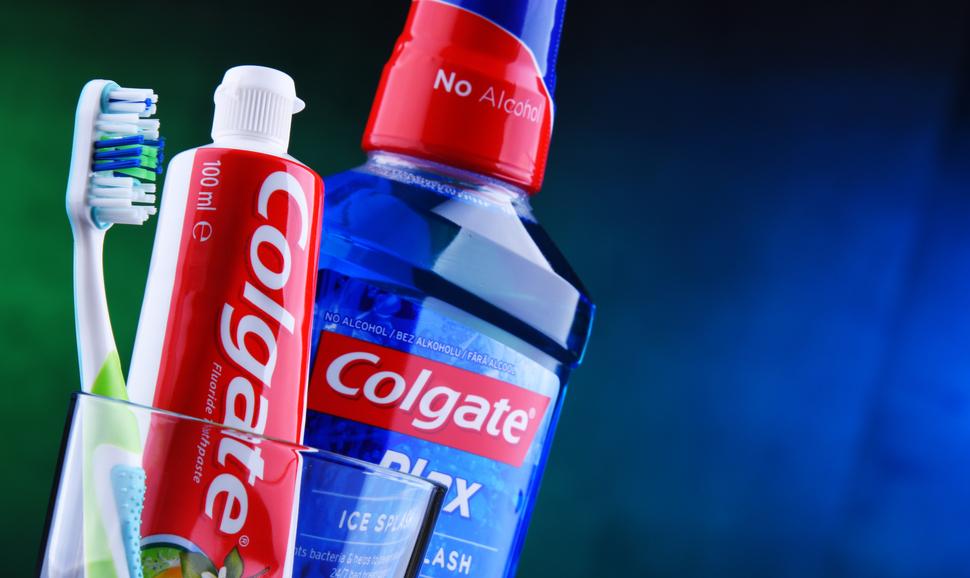
Colgate-Palmolive is an American multinational consumer products company headquartered in New York City. The company specializes in the production, distribution, and provision of household, health care, personal care, and veterinary products. Colgate-Palmolive is one of the world’s largest consumer products companies, with products sold in over 200 countries and territories.
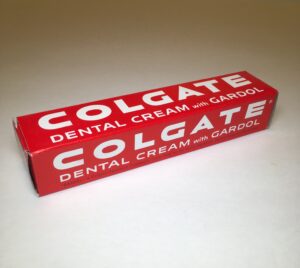
The company was founded in 1806 by William Colgate, a soap and candle maker. In 1873, the company introduced its first toothpaste, Colgate Toothpaste. In 1896, Colgate sold the first toothpaste in a tube, named Colgate Ribbon Dental Cream (invented by dentist Washington Sheffield). Also in 1896, Colgate hired Martin Ittner and under his direction founded one of the first applied research labs.
In 1928, Colgate merged with the Palmolive-Peet Company, which made Palmolive soap and Ivory soap. The merged company was renamed Colgate-Palmolive. In the years since, Colgate-Palmolive has acquired a number of other companies, including Hill’s Pet Nutrition, Softsoap, and Speed Stick.
Today, Colgate-Palmolive’s brands include Colgate toothpaste, Palmolive soap, Speed Stick deodorant, Softsoap hand soap, Irish Spring soap, Hill’s Pet Nutrition, and Tom’s of Maine. The company’s products are sold in over 200 countries and territories.
Colgate-Palmolive is committed to corporate social responsibility. The company has a number of initiatives in place to promote sustainability, environmental protection, and social responsibility. For example, Colgate-Palmolive has a program to reduce the amount of water used in its manufacturing processes. The company also has a program to help improve oral health in developing countries.
Colgate-Palmolive is a major employer in the United States and around the world. The company has over 38,000 employees worldwide. Colgate-Palmolive is committed to providing a safe and healthy workplace for its employees. The company also offers a number of benefits to its employees, including health insurance, retirement savings plans, and paid time off.
Colgate-Palmolive is a publicly traded company. Its stock is listed on the New York Stock Exchange. The company’s ticker symbol is CL.
Marketing Strategies of Colgate-Palmolive
Colgate-Palmolive employs a comprehensive and multifaceted marketing strategy to maintain its leadership in the oral care and personal hygiene industry, as well as its expansion into other related categories. Here are the key elements of Colgate-Palmolive’s marketing strategies:
1. Brand Portfolio Management
Colgate-Palmolive’s brand portfolio includes some well-known brands such as Colgate toothpaste, Palmolive dish soap, Ajax cleanser, Speed Stick deodorant, and Hill’s Science Diet pet food. These brands are marketed through various channels including television commercials, print advertisements, social media campaigns, and product placements.
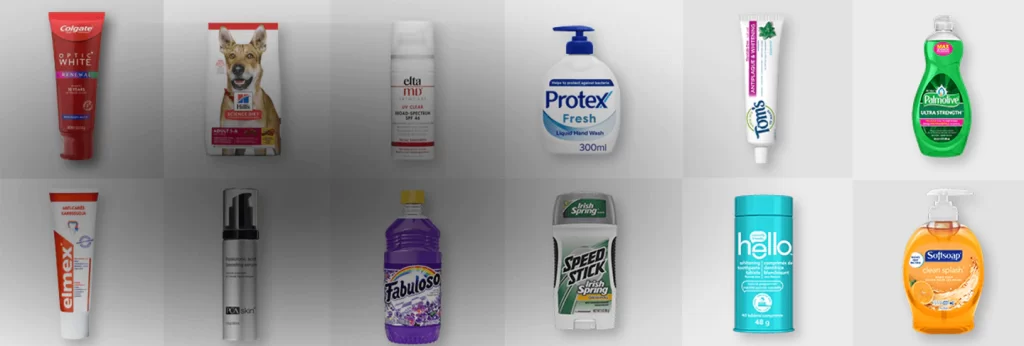
One of the key strategies used by Colgate-Palmolive to build its brand portfolio is through acquisitions. For example, in 2017, the company acquired the skin care brand EltaMD, which specializes in sunscreen and other dermatological products. This acquisition allowed Colgate-Palmolive to expand into new markets and reach new customers with complementary products.
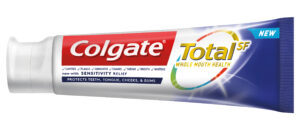
Another strategy used by Colgate-Palmolive is innovation. The company invests heavily in research and development to create new products or improve existing ones. In recent years, it has launched several new products under its established brands, such as Colgate TotalSF toothpaste and Hill’s Science Plan dog food.
Overall, Colgate-Palmolive’s brand portfolio serves as an important asset for the company, allowing it to diversify its revenue streams and compete effectively against other consumer goods companies. By leveraging its strong brands and investing in growth opportunities, the company can continue to drive long-term success.
2. Innovation and Product Development
Innovation and product development have always been crucial components of Colgate-Palmolive’s marketing strategy. As one of the leading global consumer goods companies, Colgate-Palmolive continuously strives to develop new products and enhance existing ones to meet changing customer needs and preferences. Here are some ways in which Colgate-Palmolive uses innovation and product development as a marketing strategy:
New Product Launches: One of the most significant ways Colgate-Palmolive utilizes innovation and product development is by launching new products. Recently, the company introduced Colgate TotalSF, a toothpaste designed to provide comprehensive oral health benefits beyond just cavity prevention. Additionally, the company also released Hill’s Science Plan Canine Metabolic + Mobility, a premium dog food formula developed specifically for dogs struggling with weight management issues.
Product Improvement: Another way Colgate-Palmolive employs innovation and product development is by improving their current offerings. For instance, the company recently reformulated its Palmolive Dishwashing Liquid with a new formula containing natural ingredients like coconut oil and olive extracts. Similarly, Colgate-Palmolive enhanced its Colgate TotalSF toothbrush with advanced sonic technology to ensure better teeth cleaning results.
Collaborations and Partnerships: Collaborating with external partners and experts helps Colgate-Palmolive stay ahead of the curve when it comes to innovation and product development. For example, the company partnered with the University of Michigan School of Public Health to conduct research on how to reduce sugar consumption among children. Such collaborations help Colgate-Palmolive gain valuable insights into emerging trends and technologies, ultimately driving product innovation.
Investment in Research & Development (R&D): A substantial portion of Colgate-Palmolive’s budget goes towards R&D initiatives aimed at developing cutting-edge products and solutions. With dedicated teams focused on exploring new technologies, identifying unmet consumer needs, and testing out novel ideas, Colgate-Palmolive ensures a steady stream of groundbreaking products and improvements.
By consistently incorporating innovation and product development into its marketing strategy, Colgate-Palmolive remains competitive in today’s rapidly evolving consumer landscape. Through a combination of new product launches, product improvement, collaborations, R&D investments, and targeted marketing efforts, the company continues to attract and retain customers while maintaining its position as a leader in the industry.
3. Marketing Communication
Effective communication is essential for any successful marketing strategy, and Colgate-Palmolive understands this principle well. The company uses various forms of marketing communications to connect with consumers, promote its products, and establish a positive image. Here are some examples of how Colgate-Palmolive implements marketing communication as part of its overall marketing strategy:
Advertising Campaigns: Colgate-Palmolive runs extensive advertising campaigns across multiple platforms, including TV, radio, print, digital, and social media. Its adverts often feature catchy jingles, memorable taglines, and eye-catching visuals that resonate with audiences. For instance, the “Colgate TotalSF” campaign emphasized the toothpaste’s ability to address multiple dental concerns with a single product. Similarly, the “Hill’s Science Diet” campaign highlighted the premium quality of the brand’s pet food products.
https://www.youtube.com/watch?v=-ftfCT3bB2E
Influencer Marketing: Colgate-Palmolive engages influencers who align with its brand values and target audience demographics. These influencers may include celebrities, bloggers, vloggers, and social media personalities who share content related to oral hygiene, skincare, homecare, or pet nutrition. By partnering with these influencers, Colgate-Palmolive reaches a broader audience and generates buzz around its products. For example, the company collaborated with popular YouTuber NikkieTutorials to showcase its Optic White Toothpaste.
Sponsorships and Events: Sponsorship of events and sports properties is another effective marketing communication channel for Colgate-Palmolive. The company sponsors high-profile sporting events like the Olympics, FIFA World Cup, and PGA Tour golf tournaments. By associating itself with these events, Colgate-Palmolive positions itself as a trustworthy and reliable brand that supports community involvement and athletic excellence. Moreover, the company organizes local promotional activities during these events, further increasing brand awareness and engagement.
Public Relations: Colgate-Palmolive leverages public relations strategies to manage its reputation and communicate effectively with stakeholders. The company responds promptly to media queries, participates in interviews, and distributes press releases to announce new product launches, corporate developments, and CSR initiatives. By maintaining open lines of communication with journalists and reporters, Colgate-Palmolive can shape its narrative and control the message being conveyed to the general public.
Overall, Colgate-Palmolive’s approach to marketing communication involves crafting compelling messages tailored to specific audiences, using diverse channels and tactics to reach those audiences, and continuously monitoring and adjusting its strategies based on feedback and performance metrics. By doing so, the company can strengthen its brand identity, enhance customer relationships, and achieve long-term business success.
4. Global Presence
As one of the largest multinational corporations in the FMCG industry, Colgate-Palmolive leverages its extensive global presence as a core component of its marketing strategy. Here are some ways in which the company uses its global reach to drive business success:
Geographic Diversification: By operating in numerous countries around the globe, Colgate-Palmolive reduces its exposure to individual market risks. For instance, if there is an economic slowdown in one region, the company may still experience growth in other parts of the world. This geographical diversification allows Colgate-Palmolive to maintain stable revenues and profits over time
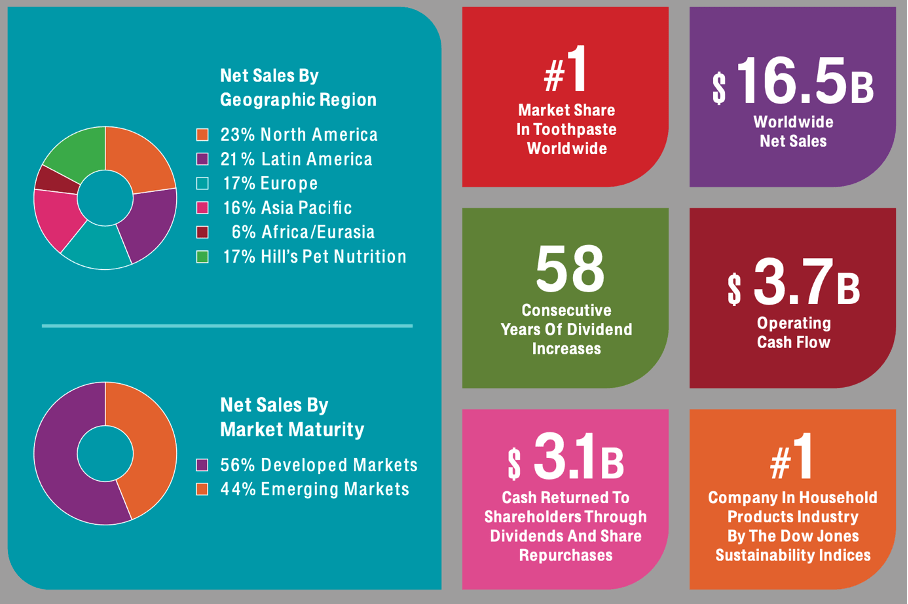
.
Tapping into High-Growth Markets: Colgate-Palmolive targets high-potential markets like Asia Pacific, Latin America, Africa, and Eastern Europe where population growth rates are relatively high. By investing in these regions, the company can capture a larger share of the growing middle class and increase its market penetration.
Scalable Production Capabilities: Colgate-Palmolive’s global footprint enables efficient production and distribution of its products. The company operates state-of-the-art manufacturing plants and R&D centers in various regions, allowing it to produce large volumes at low costs. This scalability advantage gives Colgate-Palmolive a competitive edge against smaller rivals who struggle to match its efficiency levels.
Adapted Product Portfolio: To cater to diverse consumer preferences across different countries, Colgate-Palmolive offers tailored product lines. For example, the company produces toothpaste formulated specifically for Asian consumers who tend to consume more sugar than their Western counterparts. Similarly, Colgate-Palmolive’s personal care products feature ingredients suited to local skin types and climatic conditions.
Colgate-Palmolive’s global presence serves as a significant strategic asset, enabling the company to tap into emerging markets, reduce risk through geographic diversification, optimize production capabilities, offer adapted product lines, conduct effective advertising campaigns, and build a positive corporate social responsibility profile.
5. Sustainability Initiatives
Colgate-Palmolive has made sustainability a key aspect of its marketing strategy, recognizing the increasing importance of environmentally friendly practices among consumers. Here are several examples of how the company incorporates sustainability into its marketing efforts:
Environmental Stewardship: Colgate-Palmolive prioritizes eco-friendly practices throughout its supply chain and operations. From using renewable energy sources to reducing water usage and waste generation, the company strives to minimize its impact on the planet. Consumers appreciate companies that take proactive steps towards sustainability, leading to improved brand image and loyalty.
Transparent Reporting: Colgate-Palmolive publishes annual sustainability reports outlining its progress toward environmental goals. This transparency helps build trust with customers who value honesty and accountability from brands they support. Sharing achievements and challenges shows the company’s commitment to continuous improvement and encourages dialogue with stakeholders.
Eco-Friendly Product Offerings: Colgate-Palmolive develops products that align with consumer demand for sustainable solutions. For instance, the company launched Tom’s of Maine natural toothpaste, featuring recyclable packaging and natural ingredients. This line appeals to eco-conscious buyers seeking alternatives to traditional oral care products.
Community Engagement: Colgate-Palmolive participates in various community projects related to conservation, clean water access, and wildlife preservation. These initiatives demonstrate the company’s dedication to creating a better future for everyone while providing opportunities for collaboration with NGOs, governments, and other organizations.
Colgate believes that every child and their family have a right to a lifetime of healthy smiles. That’s why we’re championing a brighter future for 2 billion children and their families as we work to improve the health, education, and wellbeing in the U.S. and around the world. Since 1991, the Colgate Bright Smiles, Bright Futures® initiative has touched the lives of more than a billion children in over 80 countries. Kids learn powerful habits like brushing twice a day with fluoride toothpaste. Our mission is to connect underserved communities to oral health education, free dental screenings and treatment referrals. Together we can promote lifelong learning opportunities and create a world of bright smiles and even brighter futures.

Green Certifications and Awards: Colgate-Palmolive actively seeks recognition for its sustainability efforts by obtaining certifications and awards from reputable organizations. These external validations further enhance the company’s credibility and attractiveness to environmentally conscious consumers.
By embracing sustainability as a core element of its marketing strategy, Colgate-Palmolive positions itself as a responsible corporate citizen, differentiates its brand, builds trust with customers, and contributes to a healthier planet.
7. Partnerships and Alliances
Colgate-Palmolive has been successful in leveraging partnerships and alliances to enhance its marketing strategy. The company has formed strategic collaborations with various organizations, including retailers, distributors, suppliers, and other companies operating in the same industry or complementary industries. These partnerships have helped Colgate-Palmolive expand its reach, increase sales, reduce costs, gain access to new markets, and develop innovative products. Here are some examples:
Retailer Collaboration: Colgate-Palmolive has established strong relationships with major retail chains such as Walmart, Kroger, Costco, and Target. By partnering with these retailers, the company can ensure that its products are prominently displayed on store shelves and receive preferential treatment during promotional events. Additionally, Colgate-Palmolive often works closely with retailers to design customized product offerings tailored specifically for their customers’ needs.
Supply Chain Collaboration: To streamline operations and reduce costs, Colgate-Palmolive has developed close ties with key suppliers and manufacturers. This includes sourcing raw materials from reliable vendors at competitive prices, negotiating favorable terms with logistics providers, and working with packaging companies to create eye-catching designs for its products.
Innovation Partnership: Colgate-Palmolive has teamed up with technology firms, research institutions, and startups to drive innovation and stay ahead of emerging trends. For instance, the company has invested in digital health platforms like PillPack (acquired by Amazon) and Quip, which focuses on electric toothbrushes and dental care services. Such partnerships help Colgate-Palmolive explore new opportunities in personalized medicine, connected devices, and e-commerce.
Cross-Promotion: Colgate-Palmolive has engaged in cross-promotion initiatives with other consumer goods brands, such as PepsiCo and Unilever. Through joint advertising campaigns, co-branded products, and exclusive distribution agreements, both parties benefit from increased brand awareness, expanded customer base, and shared resources.
Colgate-Palmolive partners with dental associations and health organizations to promote oral health awareness and education. These partnerships add credibility to their brand messaging.
9. Crisis Management
Colgate-Palmolive has faced several crises throughout its history, but it has consistently demonstrated effective crisis management strategies to mitigate negative publicity and protect its reputation. Some examples include:
Recall Incidents: On multiple occasions, Colgate-Palmolive has had to recall certain products due to quality control issues or potential safety concerns. However, the company responded promptly by issuing public apologies, providing clear information about affected batch numbers and lot codes, offering replacement options or refunds, and implementing corrective measures to prevent similar incidents from happening again. By taking swift action and communicating transparently, Colgate-Palmolive minimized damage to its image and maintained trust among consumers.
Environmental Controversy: In 2019, Greenpeace accused Colgate-Palmolive of contributing to deforestation and habitat destruction in Indonesia due to its palm oil supply chain. Instead of ignoring the allegations or denying them outright, Colgate-Palmolive acknowledged the issue and pledged to work towards more sustainable solutions. The company published a detailed response on its website, highlighting its commitment to responsible sourcing practices and progress made toward achieving zero deforestation goals. By being proactive and transparent, Colgate-Palmolive managed to neutralize much of the criticism directed against it.
Advertising Missteps: In recent years, there have been instances where Colgate-Palmolive’s ad campaigns sparked controversy over perceived cultural insensitivity or misinterpretation of messages. For example, the company’s “Close Talker” commercial for Colgate TotalSF toothpaste drew complaints for portraying a male character invading women’s personal space without consent.

Rather than dismissing feedback or doubling down on the contentious elements, Colgate-Palmolive pulled the ad and issued an apology emphasizing respectful communication and listening to diverse perspectives. By recognizing and addressing valid criticisms, Colgate-Palmolive has shown that it values constructive input and strives to improve its marketing approach accordingly.
Product Safety Concerns: In some cases, Colgate-Palmolive has encountered claims that its products may pose risks to human health or wellbeing. For instance, there were allegations that triclosan, an ingredient used in Colgate TotalSF toothpaste, could contribute to antibiotic resistance or endocrine disruption. Although these assertions remain debated within scientific circles, Colgate-Palmolive took preemptive steps to alleviate fears and demonstrate its dedication to ensuring product safety.
The company provided extensive research data supporting triclosan’s efficacy and safety when used as intended, collaborated with external experts to review its formulations, and continued to monitor evolving evidence related to this topic. By maintaining openness and actively engaging with relevant authorities, Colgate-Palmolive has positioned itself as a responsible steward of public health.
Colgate-Palmolive’s marketing strategies are rooted in a deep understanding of consumer behavior, a commitment to innovation, and a dedication to promoting oral and personal hygiene. These strategies have enabled the company to maintain its position as a global leader in the consumer goods industry.
Marketing Mix of Colgate-Palmolive
Colgate-Palmolive, like many successful consumer goods companies, employs a comprehensive marketing mix, often referred to as the 4Ps (Product, Price, Place, Promotion), to effectively manage its product offerings and meet customer needs. Let’s explore each element of Colgate-Palmolive’s marketing mix in detail:
Product
-
- Product Diversification: Colgate-Palmolive offers a wide range of products across multiple categories. In oral care, this includes various toothpaste formulations (e.g., for sensitive teeth, enamel protection) and toothbrushes (e.g., manual and electric). In personal care, they offer soaps, shower gels, and shampoos. In household care, they produce dishwashing liquids and cleaning products.
- Product Innovation: The company continuously invests in research and development to introduce new and improved products. For instance, they launch toothpaste variants targeting specific dental issues and preferences.
- Branding: Colgate-Palmolive carefully manages its brand portfolio, ensuring that each product maintains a strong brand identity and is aligned with the company’s commitment to health and hygiene.
Price:
-
- Pricing Strategies: Colgate-Palmolive employs a premium pricing strategy for its core oral care products, positioning them as high-quality, effective solutions for oral hygiene. However, they also offer various price points to cater to different consumer segments, including more affordable options.
- Promotions and Discounts: The company frequently runs promotions, discounts, and bundle offers to incentivize purchases and retain customer loyalty.
- Value for Money: The perceived value of Colgate-Palmolive products is often high due to their reputation for quality and effectiveness.
Place (Distribution)
-
- Global Presence: Colgate-Palmolive’s products are distributed in over 200 countries, showcasing its extensive reach and distribution network.
- Retail Channels: Their products are available in a variety of retail channels, including supermarkets, pharmacies, convenience stores, and online marketplaces.
- Direct-to-Consumer (DTC): The company also sells products directly to consumers through its website and e-commerce platforms, allowing for greater control over the customer experience.
Promotion
-
- Advertising and Marketing: Colgate-Palmolive invests heavily in advertising and marketing campaigns to promote its products. These campaigns often emphasize the health benefits and effectiveness of their oral care products.
- Digital Marketing: The company maintains a strong online presence through websites and social media. They use digital advertising, influencer partnerships, and content marketing to engage with consumers and educate them about oral hygiene.
- Educational Initiatives: Colgate-Palmolive runs educational campaigns and initiatives, providing consumers with information about oral health and hygiene. This not only positions them as experts in the field but also fosters customer trust.
Colgate-Palmolive’s marketing mix is a dynamic and flexible strategy that allows the company to adapt to changing consumer preferences and market conditions. Through careful management of its product offerings, pricing strategies, distribution channels, promotional activities, and customer service, the company has maintained its position as a leader in the global consumer goods industry.
Also Read: SWOT Analysis and STP Analysis of Unilever Plc
To read more content like this, subscribe to our newsletter