Last Updated on October 30, 2025 by Team TBH
Aquafresh is a global oral care brand known for its distinctive tri-colored toothpaste and promise of “triple protection” benefits. First launched in 1973 by SmithKline Beecham (now part of Haleon), Aquafresh was designed to stand out in a market dominated by established competitors. It became the first toothpaste to feature visible stripes – originally blue and white – symbolizing dual benefits of fresh breath and cavity protection.
This innovative design, paired with a focus on “freshness” as a key selling point, immediately appealed to consumers, especially younger people and families seeking a toothpaste that tasted good and kept breath fresh.
Over the past five decades, Aquafresh has grown into a billion-dollar brand available in over 120 countries, maintaining consistent core strategies while adapting to local consumer needs.
In the following sections, we explore the top marketing strategies that have earned Aquafresh its stripes – from product innovation and creative advertising to family-focused campaigns and digital engagement.
Top Marketing Strategies of Aquafresh
1) Creating a Unique Brand Identity with Stripes and Freshness
Aquafresh’s very first marketing masterstroke was establishing a unique brand identity through product design and positioning. In the early 1970s, oral care advertising was fairly traditional, and a newcomer needed a strong USP (Unique Selling Proposition) to make a mark. Aquafresh achieved this by launching as the first-ever striped toothpaste, with blue and white stripes that weren’t just cosmetic – they visually represented the toothpaste’s dual benefits (fresh breath from the blue stripe, and anti-cavity protection from the white). This visual differentiation immediately set Aquafresh apart on shelves and in consumers’ minds, as the stripes were seen as novel and modern in a product category that had been relatively uniform.
Equally important was Aquafresh’s focus on “freshness” as a core benefit, highlighted right in its name. It was the first major brand to market fresh breath as a primary promise, at a time when rivals emphasized mainly cavity prevention. This freshness positioning resonated strongly with a new generation of consumers. Young adults and families in the 1970s cared about oral health but also valued a toothpaste that tasted good and kept their mouth feeling fresh, not just one that felt medicinal.
Aquafresh’s branding and advertising tapped into this desire, making “freshness” and a clean, confident smile central to its identity. By combining multiple benefits in one product – cavity protection plus fresh breath (and later gum health) – Aquafresh cultivated an image of a complete solution for oral care. The brand’s signature red, white and blue swish logo and striped product visuals have endured as icons of that all-in-one promise. This unique identity built on stripes and triple benefits laid a strong foundation for all future marketing efforts, as consumers could instantly recognize and associate Aquafresh with comprehensive oral health and refreshing flavor.
2) Continuous Product Innovation and Line Extensions
Beyond its initial launch success, Aquafresh has consistently employed product innovation as a key marketing strategy to stay relevant and expand its market share. As consumer needs evolved, the brand kept updating and extending its product line – ensuring that marketing had new features and benefits to promote. In the early 1980s, for example, Aquafresh responded to rising awareness of plaque and gum health by adding a third stripe (red) to its toothpaste, introducing the idea of “triple protection” (fresh breath, cavity defense, and healthy gums). Around the same time, it rolled out a new “Mild & Minty” flavor to cater to those who preferred a milder taste, and even launched revolutionary pump packaging for its toothpaste – a novel, mess-free dispenser that differentiated it from traditional tubes. These innovations were marketed as improvements that made oral care easier and more appealing, helping Aquafresh maintain a modern image.
As the decades went on, Aquafresh continued to broaden its portfolio, effectively executing a line extension strategy. In the 1990s, the brand didn’t limit itself to toothpaste; it diversified into other oral care categories, introducing products like the Aquafresh Flex toothbrush in 1990 and later dental accessories. Even within toothpaste, it kept up with emerging consumer trends: for instance, the launch of Aquafresh Whitening in 1995 capitalized on the growing desire for whiter teeth. By adding whitening formulas to its range, Aquafresh could now market a cosmetic benefit on top of its triple protection, appealing to vanity as well as health. The late ’90s also saw fun, kid-friendly innovations like the Aquafresh Flexosaurus – a toothbrush designed in a dinosaur shape to make brushing more fun for children. Each of these product developments was supported by marketing campaigns highlighting the new features: whitening toothpaste ads emphasized stain removal and polishing, while the Flexosaurus and similar launches were promoted to parents as tools to get kids excited about brushing.

This continuous innovation kept the Aquafresh brand fresh (no pun intended) in consumers’ eyes. Rather than resting on the laurels of its striped original, the brand repeatedly gave consumers new reasons to choose Aquafresh. Whether it was a better dispenser, a new flavor, specialized variants (for whitening, for kids, etc.), or entirely new products under the Aquafresh name, these extensions allowed Aquafresh’s marketing to target different consumer segments and needs. Crucially, all new products still reinforced the core brand promise of complete oral care. For example, even as Aquafresh released a Whitening variant, it maintained the three-striped branding on packaging to signal that it still offered triple protection along with whitening. By aligning product development with marketing messages, Aquafresh ensured that innovation translated into a stronger market presence and sustained consumer interest.
3) Memorable Advertising Campaigns and Imagery
From its inception, Aquafresh has heavily relied on creative advertising to communicate its brand story and benefits. A hallmark of Aquafresh’s advertising strategy is the use of vivid, memorable imagery and themes that reinforce the product’s key attributes.
One of the earliest and most iconic campaigns was the “Ocean of Freshness” TV commercial used during Aquafresh’s launch in the 1970s. Instead of a straightforward demonstration, this ad showed rolling blue seas and cresting ocean waves – a metaphorical way to imply that Aquafresh toothpaste brings a wave of freshness to your mouth. By tapping into sensory imagery (the coolness of ocean water, the idea of refreshing sea breeze), the campaign effectively communicated the toothpaste’s fresh taste and breath-freshening benefits. This creative approach helped differentiate Aquafresh as a modern, innovative brand, and the campaign was instrumental in quickly establishing Aquafresh as one of the most contemporary toothpastes on the market at that time.
Over the years, Aquafresh’s advertising has consistently highlighted its multi-benefit proposition in catchy ways. The brand often uses its tri-color stripes as a visual centerpiece in ads – ensuring that viewers link those red, white, and blue swirls with comprehensive oral care. Whether in print or television, Aquafresh ads frequently show the stripes squeezing out of the tube in a perfect ribbon, underscoring the idea of “all-in-one” protection.
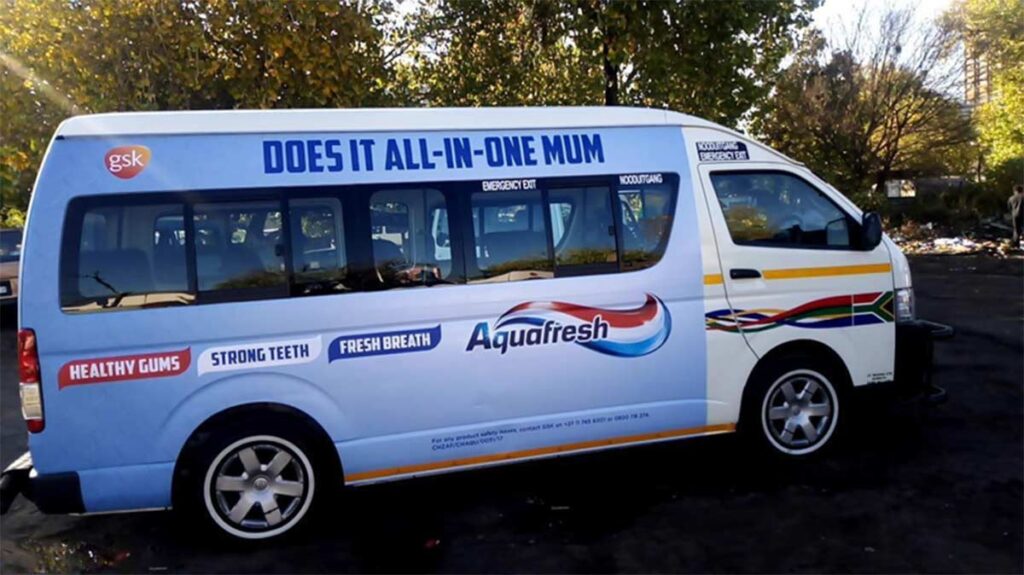
In South Africa, for instance, a recent out-of-home campaign plastered transit hubs with the red, white, and blue swish logo alongside the tagline of “all-in-one protection for teeth and gums,” making the brand unmistakable to commuters. Aquafresh has also utilized taglines and jingles to make its message stick. In some markets, it became known for a jingle about being the toothpaste that “does it all in one,” encapsulating the triple benefit in a simple phrase. By coupling strong visual branding (the stripes and swish) with easy-to-remember slogans, Aquafresh’s campaigns have driven high recall.
Another noteworthy aspect is Aquafresh’s willingness to think outside the box and collaborate with creative partners for its advertising. For example, in 2017 Aquafresh South Africa partnered with popular music duo Mafikizolo to promote the launch of its Extreme Clean “Lasting Fresh” toothpaste. In an unconventional campaign, the brand exclusively premiered the music video of one of the duo’s new songs on a dedicated Aquafresh website for a few weeks, linking the idea of fresh music to fresh breath. “We are taking toothpaste out of the confines of oral care and into the wider territory of people’s lifestyles,” explained Aquafresh’s marketing manager, noting that concerns about fresh breath extend beyond just brushing time.
This campaign not only advertised the product’s benefit of long-lasting freshness (up to 8× longer fresh breath) but did so by embedding the brand into entertainment content that consumers would willingly engage with. Such innovative campaigns – whether using striking metaphors like oceans, memorable jingles, or collaborations with cultural icons – have kept Aquafresh’s advertising fresh and relevant, ensuring the brand stays top-of-mind in a crowded market.
4) Family-Centric Marketing and Kids’ Engagement
As a family-oriented oral care brand, Aquafresh has devoted significant effort to targeting children and parents through its marketing. Recognizing that lifelong oral hygiene habits start young (and that parents are key decision-makers in toothpaste purchases), Aquafresh developed products and campaigns specifically to appeal to kids – making brushing both fun and educational.
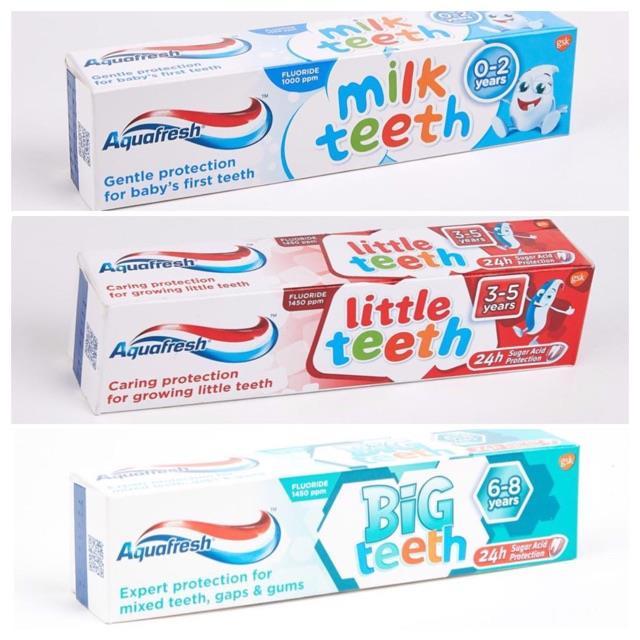
One strategy has been to create child-specific product lines with age-tailored formulas and branding. For instance, Aquafresh offers variants like Milk Teeth, Little Teeth, and Big Teeth toothpastes designed for different childhood stages, often packaged with colorful characters or friendly graphics to catch a child’s eye. Even in the 90s, Aquafresh was innovating for kids: the Aquafresh Flexosaurus toothbrush (launched in 1997) was a dinosaur-shaped brush intended to turn brush time into playtime. Marketing for these products emphasized how they could make brushing less of a chore; an example tagline could be “roar against plaque” with a dinosaur-themed brush, appealing to children’s imaginations while reassuring parents that their kids would be more eager to brush.
Aquafresh has also invested in engaging content and tools for kids. A standout initiative is the Aquafresh Brush Time App, a free interactive mobile app created to encourage children to brush for the dentist-recommended two minutes. The app features Aquafresh’s friendly cartoon mascots (like Captain Aquafresh and the Nurdles – more on them in the next section) singing and dancing in a catchy 2-minute “brush song.” Children can pick their favorite character and song, and follow along as a timer counts down the brushing time. By gamifying the brushing routine with music and animation, Aquafresh effectively turns a typically mundane activity into something kids look forward to. This not only helps parents instill good habits, but it also subtly builds brand affinity from an early age – the Aquafresh logo and characters are front and center during this daily ritual. The success of such approaches is evident: parents often report that tools like a brushing song or chart make their kids more cooperative at brush time, which in turn reflects positively on the brand providing these solutions.
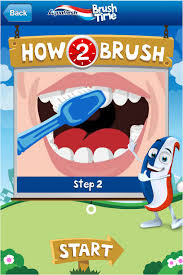
Beyond products and apps, Aquafresh’s family-centric marketing extends to educational outreach for children. The brand has run school programs and community initiatives to teach kids about oral health in fun ways (often co-branded with its kids’ products). For example, in the UK, Aquafresh created a Schools Club program that provides free, ready-to-use lesson resources for primary school teachers on dental care. Over 1,600 teachers utilized these curriculum-linked materials in a recent year, using puzzles, stories, and activity sheets (featuring Aquafresh characters) to inspire students to take care of their teeth. Aquafresh even distributes brushing charts and stickers that families can use at home to track twice-daily brushing, turning oral care into a rewarding challenge.
By positioning itself as a partner to parents and educators in promoting healthy habits, Aquafresh strengthens its image as the family-friendly toothpaste brand. This strategy pays off in loyalty: when children who grew up with Aquafresh characters and songs become older, they are more likely to remember the brand fondly (and parents appreciate the support the brand provided). Overall, focusing on kids through tailored products, playful marketing, and educational support has been crucial for Aquafresh in cultivating the next generation of customers and reinforcing its place as a trusted family brand.
5) Engaging Characters and Mascots (The “Captain Aquafresh” Effect)
A unique and inventive tactic in Aquafresh’s marketing arsenal is the use of brand mascots and characters to personify the product’s benefits. Perhaps the most notable is Captain Aquafresh, a superhero character introduced as part of a major campaign in 2014. In that campaign, Captain Aquafresh was depicted as a cape-wearing defender of teeth, battling the “Sugar Acid” monsters lurking in everyday foods like chocolates, cereals, and bread. This fun, comic-book style narrative brought to life the abstract concept of tooth decay in a way that both children and adults could grasp. The aim was not only to entertain but also to educate: Captain Aquafresh’s mission was to explain how sugar from our diet turns to acid that can attack teeth, and how Aquafresh’s formula (with fluoride and protective ingredients) can help guard against these sugar acids. By framing Aquafresh as a hero in the daily fight for oral health, the brand found an engaging way to talk about cavities and prevention without sounding like a lecture. The character appeared in TV commercials and even in-store displays – GSK (Aquafresh’s parent company at the time) invested in point-of-sale promotions that “brought Captain Aquafresh to life in the aisle,” with superhero imagery on shelf posters and standees to grab shoppers’ attention.
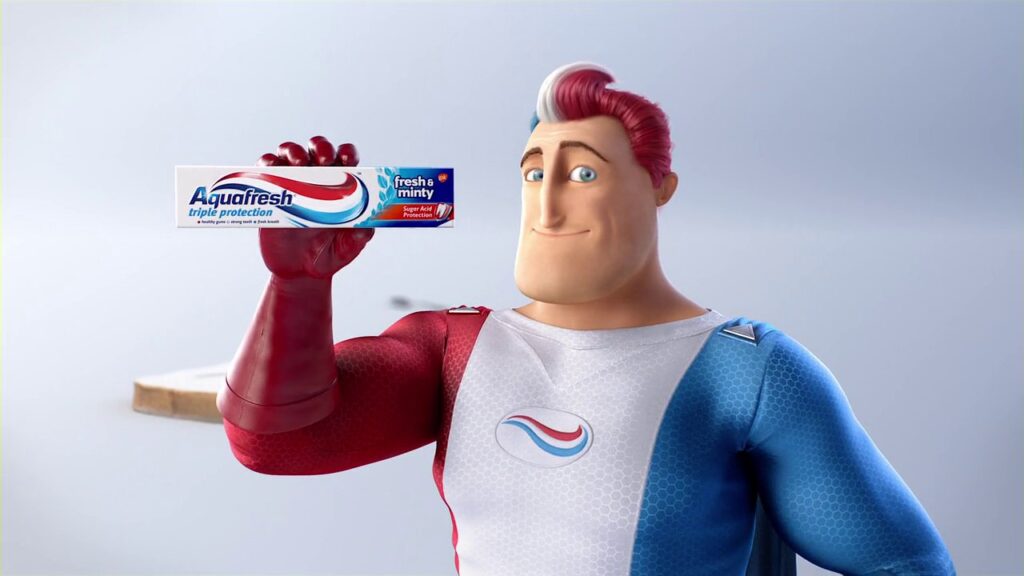
Aquafresh has used eye-catching out-of-home displays and mascots to engage consumers. In 2014, the Captain Aquafresh superhero character was featured in interactive ads and in-store promotions, helping educate consumers about hidden sugars and tooth decay in a fun way. In 2019, Aquafresh ran a transit campaign in South Africa with digital screens and wrapped taxis, ensuring the brand’s red-white-blue logo and “all-in-one protection” message were highly visible to commuters.
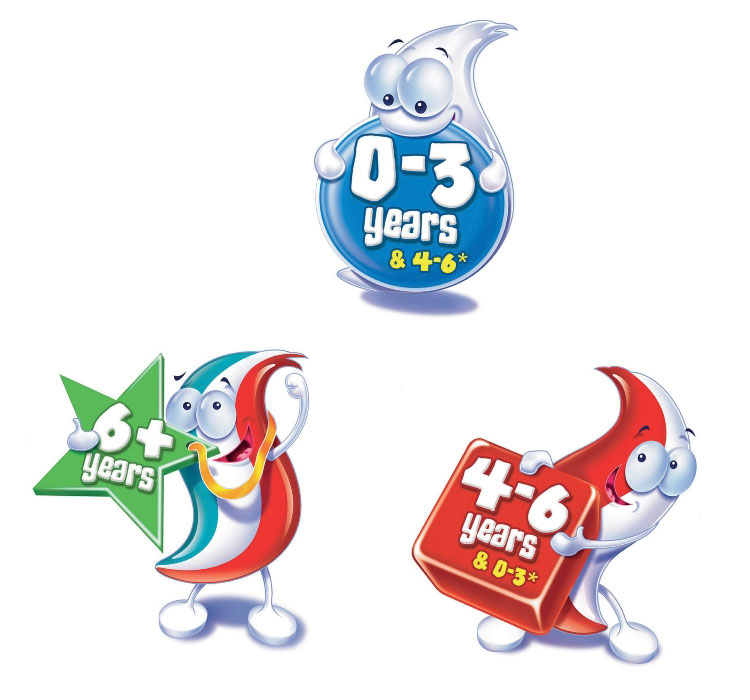
Aquafresh didn’t stop at Captain Aquafresh. The brand also created the concept of the “Nurdle” – a smiling blob of toothpaste – as a mascot especially for children. In various kids’ marketing materials (from packaging to websites), Aquafresh’s three stripes are anthropomorphized as characters: for example, Billy Nurdle (blue), Lilly Nurdle (white), and Milky Nurdle (the smaller one for baby teeth), each representing a benefit or a target age group. These mascots join Captain Aquafresh in storybooks, animations, and the Brush Time App songs to make oral care feel like a fun adventure rather than a chore. The strategy behind using such mascots is to create an emotional connection and storytelling element around the brand. Children might not remember facts about fluoride, but they will remember that Captain Aquafresh is the hero who protects teeth, or that the Nurdles need their help to fight “Sugar Bugs” by brushing every day. This kind of narrative-driven marketing significantly boosts engagement: kids are more inclined to ask for (or at least tolerate) a toothpaste when it features characters they find cool or cute.
Moreover, these characters provide a consistent theme that Aquafresh can carry across different channels. Captain Aquafresh, for example, has appeared not just in ads but on the brand’s website offering dental tips, and even on social media sharing brushing challenges. In the 2014 campaign rollout, Aquafresh extended the superhero theme to digital platforms with interactive web content and social media posts encouraging families to share photos or stories of their “little heroes” brushing their teeth. The mascot thus becomes a versatile asset – easily integrated into videos, apps, school materials, and live events (imagine a person in a Captain Aquafresh costume visiting a school). This multi-channel presence of a brand character reinforces the campaign’s impact. Importantly, the use of mascots like Captain Aquafresh has helped the brand address serious topics (tooth decay, dietary sugars) in a lighthearted, relatable way, which can be far more effective than fear-based messages. By turning the fight against cavities into a superhero saga, Aquafresh not only differentiates itself from competitors in advertising approach but also strengthens its brand personality as caring, family-friendly, and fun.
6) Educational Outreach and Health Awareness Initiatives
Another cornerstone of Aquafresh’s marketing approach is its investment in educational and cause-related campaigns that go beyond just selling toothpaste, aiming to improve oral health awareness and public goodwill. Aquafresh has often aligned itself with messages of health, confidence, and community well-being, which in turn bolsters its credibility as a brand that truly cares about consumers. One example is the previously mentioned Aquafresh Schools Club in the UK, where the brand provides free resources to schools to teach kids about dental care. By supporting teachers with lesson plans, posters, and even competitions (such as the “Shine Bright” challenge for kids), Aquafresh positions itself as a partner in public health education. These efforts subtly market the brand in classrooms and homes (with branded charts and apps) while primarily delivering value in the form of knowledge. The underlying strategy is clear: well-informed parents and children who understand the importance of oral hygiene are more likely to appreciate the benefits of using products like Aquafresh. And when that education comes with the Aquafresh logo attached, it fosters trust and brand preference without a hard sell.
In 2024, Aquafresh launched its “Smile Diversity” campaign to promote dental confidence among children. The initiative highlighted that as long as teeth are clean and healthy, every child should be proud of their unique smile, even if their teeth are not perfectly aligned. As part of the campaign, Aquafresh showcased uplifting photographs of kids proudly baring their healthy (sometimes “wonky”) teeth in a public exhibition, reinforcing the message that healthy smiles come in all shapes. This cause-driven marketing effort positioned Aquafresh as an advocate for children’s self-esteem and oral health awareness.
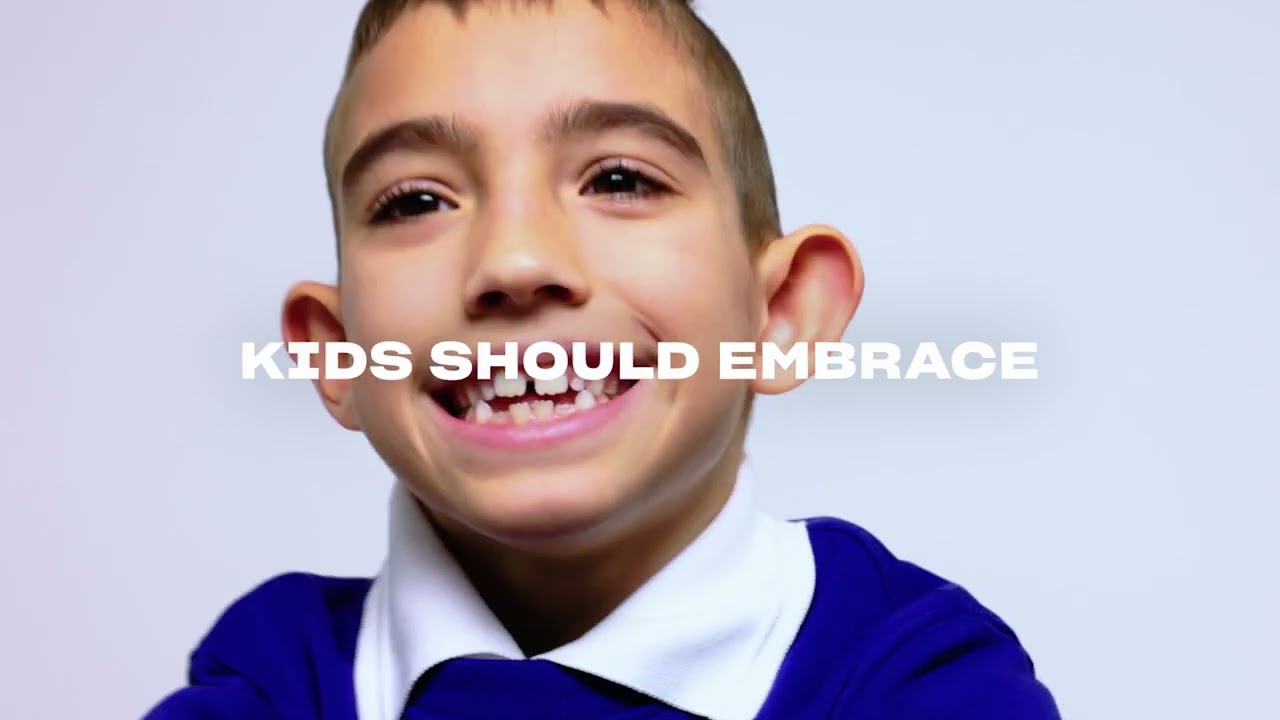
Aquafresh’s “Smile Diversity” campaign (launched in 2024 in the UK) is a stellar case of cause marketing intertwined with brand values. Triggered by research showing that about 50% of children suffer a drop in self-confidence due to insecurities about their teeth the campaign set out to assure kids (and their parents) that a healthy smile doesn’t need to be perfectly straight or gap-free to be beautiful. Aquafresh collaborated with experts and even enlisted renowned creative professionals (such as a famous British photographer) to capture images of real schoolchildren grinning with gapped, missing, or uneven teeth. These photos were then displayed in a public gallery exhibition in London’s Soho, celebrating the natural diversity of children’s smiles. By doing this, Aquafresh shifted the focus from cosmetic perfection to oral health – echoing the message that if you keep your teeth clean and healthy, you should wear your smile proudly. Such an initiative boosts Aquafresh’s brand image as one that champions confidence and well-being rather than just pushing products. It encourages a positive conversation around dental care, in which Aquafresh is a facilitator of good habits and self-esteem.
7) Multi-Channel Presence and High-Visibility Marketing
Aquafresh’s marketing strategies have also emphasized maintaining a strong presence across multiple channels – from traditional media to in-store promotions and out-of-home advertising – to ensure the brand stays visible and accessible to consumers. In the competitive toothpaste market, being top-of-mind often comes down to repetition and ubiquity: consumers should encounter Aquafresh’s messaging whether they are at home, on the go, or at the point of purchase. Aquafresh has historically invested in broad-reach media like television (for family audiences) and magazines, but in recent years it has also leveraged out-of-home (OOH) advertising in innovative ways. A prime example is Aquafresh South Africa’s 2019 transit campaign, which specifically targeted commuters. The brand rolled out ads on digital Transit TV screens in bus and train stations and even wrapped commuter taxis with the Aquafresh logo and imagery, reaching millions of people during their daily travels. This long-term OOH campaign plastered the iconic tri-color Aquafresh swoosh and “all-in-one protection” message in high-traffic areas, effectively boosting brand recall among busy adults who might not be as captive to TV ads. According to the media agency, the high visibility of Aquafresh in these transit venues was expected to translate into strong recall and influence purchasing behavior – essentially reminding people about the brand right before they might run errands or shop.
In retail settings, Aquafresh ensures its products are hard to miss on the shelf. The use of bright red-white-blue packaging already gives it a visual edge, but the brand also engages in in-store marketing tactics. These include eye-catching shelf displays, occasional price promotions or bundle offers, and interactive end-caps. Notably, during the Captain Aquafresh campaign, the brand deployed life-size Captain Aquafresh cutouts and special shelf strips in supermarkets to draw attention to its new Sugar Acid Protection line. By “bringing Captain Aquafresh to life in the aisle,” the company aimed to intercept shoppers’ attention with something more compelling than the usual rows of toothpaste, thereby shifting the purchase decision away from just looking for discounts. This reflects a broader strategy: Aquafresh has been trying to engage consumers on value and brand story rather than on price wars. Even though the oral care aisle often has many products on promotion, Aquafresh’s approach is to give shoppers a reason – beyond a price tag – to pick up their toothpaste (be it an interesting display, a known character, or the promise of a unique benefit like sugar acid protection).
Aquafresh also embraces digital and social media channels as part of its multi-channel outreach. Its official websites (both global and local) double as educational hubs and product showcases, containing articles, FAQs, and interactive features that rank well on search engines and provide value to users (for example, tips on preventing cavities or explanations of toothpaste ingredients). Social media presence on platforms like Facebook and Twitter has allowed Aquafresh to join in on trends like “#WorldOralHealthDay” or run contests encouraging fans to share “fresh smile” photos, thereby increasing engagement. The 2014 campaign included interactive digital ads and planned social media activities to extend the reach of the Captain Aquafresh character. By synchronizing messages across TV, print, online, and outdoor channels, Aquafresh creates a unified brand echo – one where a consumer might see a fun Aquafresh video on Facebook in the morning, an Aquafresh bus ad on their commute, and then a special Aquafresh offer or display when shopping in the evening. This integration ensures that the brand stays visible at multiple touchpoints, reinforcing its key messages (freshness, family, all-in-one protection) consistently. The result is a higher likelihood of brand recall and preference when it comes time to choose a toothpaste.
Conclusion
From its origin as the first striped toothpaste to its modern-day digital campaigns, Aquafresh has demonstrated a dynamic and well-rounded marketing playbook. The brand’s success can be attributed to how it integrates product innovation with compelling communication: introducing new benefits and products (like triple protection formulas, whitening variants, kids’ lines) and backing them with memorable advertising and educational initiatives. Aquafresh’s marketing strategies show a keen understanding of its audience – whether it’s engaging children with cartoons and apps, reassuring parents with expert advice and school programs, or appealing to young adults through music and lifestyle collaborations. By maintaining a consistent global brand identity (the iconic stripes and “all-in-one” promise) while also tailoring campaigns to local cultures and current trends, Aquafresh has kept its messaging both uniform and relevant.
Importantly, Aquafresh often goes beyond traditional product-centric marketing to champion broader values like confidence, health, and family fun. This has helped the brand foster trust and loyalty over generations of consumers. As the marketplace and media landscape continue to evolve, Aquafresh’s multi-pronged approach – combining eye-catching visuals, multi-channel presence, and meaningful community engagement – positions it strongly to remain a leading oral care brand. In essence, Aquafresh’s marketing strategies exemplify how a brand can earn its stripes by continually refreshing its tactics while staying true to its core promise of a healthy, happy smile for everyone.
Also Read: A Deep Dive into the Marketing Strategies of Sensodyne
Also Read: Marketing Strategies and Marketing Mix of Colgate-Palmolive
To read more content like this, subscribe to our newsletter