Last Updated on November 20, 2025 by Team TBH
In the early 1980s, Pepsi was locked in a fierce “cola war” with Coca-Cola, striving to capture the youth market and shake its image as the perennial runner-up.
Pepsi had a history of targeting younger consumers – most famously with its 1960s “Pepsi Generation” campaign that aligned the brand with the youthful, upbeat lifestyle of baby boomers.
By 1984, Pepsi sought to renew this strategy for a new era. As Pepsi executive Alan Pottasch explained, the company wanted to signal a break with the past and embrace what felt new – and “nothing signals new more strongly than music”. This insight laid the groundwork for a bold new slogan and marketing push to position Pepsi as the drink of modern youth.
Launch of “The Choice of a New Generation” (1984)
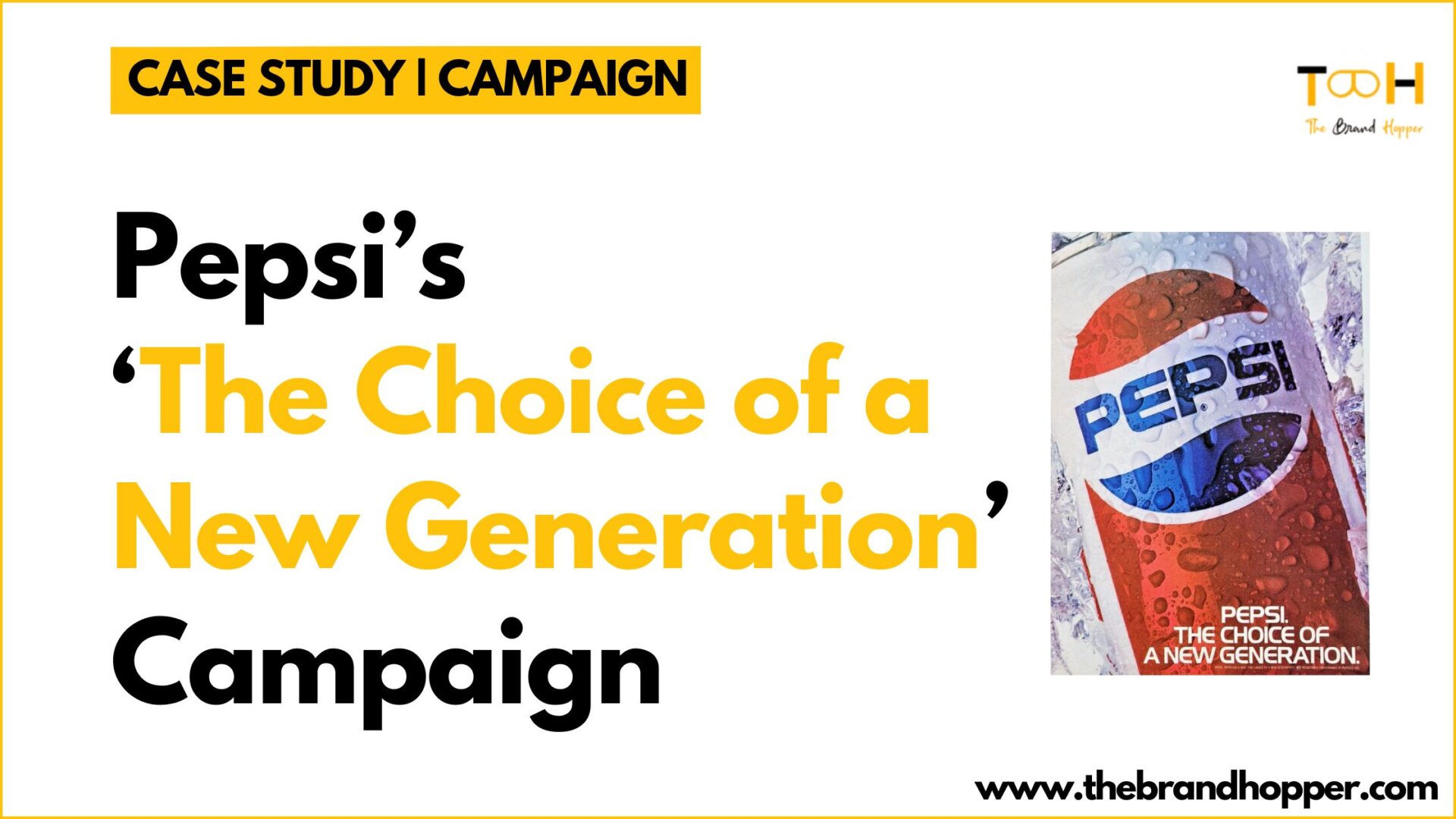
Pepsi officially launched “The Choice of a New Generation” campaign in 1984, a slogan and strategy aimed squarely at the younger demographic emerging in the 1980s. The campaign’s concept was revolutionary: instead of focusing on the soda’s taste or price, Pepsi would sell a lifestyle. It linked the brand with pop music, celebrity culture, and the energy of youth in a way that advertising had rarely seen before. This approach built on Pepsi’s earlier success in lifestyle marketing and took it to new heights by merging “the worlds of business and entertainment”.
At its core, the campaign was a direct challenge to arch-rival Coca-Cola. Coke was seen as classic and old-fashioned, whereas Pepsi set out to define itself as the beverage of the future. The timing was perfect: Coca-Cola stumbled in 1985 with the infamous New Coke formula change, and Pepsi’s ads wasted no time capitalizing. In one Pepsi commercial, a girl disgusted by “New Coke” tries Pepsi for the first time and quips that now she understands why Coke changed – the ad bluntly declares Pepsi to be “the choice of a new generation”. Such ads underscored Pepsi’s message that if Coke represented the old, Pepsi was the drink for the next generation.
Strategy: Youth Culture, Music, and Celebrity Power
From the outset, Pepsi’s campaign strategy was to infuse the brand with the glamour of pop music and celebrity, making Pepsi synonymous with what was new and cool. The launch of “Choice of a New Generation” famously coincided with a partnership with Michael Jackson, arguably the biggest pop superstar on the planet in 1984. Fresh off his Thriller album success, Jackson was an icon of the MTV generation, and Pepsi signed him to a unprecedented $5 million endorsement deal – the highest-paid celebrity endorsement in Pepsi’s history at that time. In return, Jackson lent Pepsi an aura of excitement and trendsetting style that few brands could match.
Pepsi’s commercials with Michael Jackson were groundbreaking. In a series of 1984 ads, including a famed spot set to a reworked version of Jackson’s hit “Billie Jean,” the singer dances through a street scene alongside breakdancing children, with Pepsi branding woven into the performance. The worlds of a music video and a soda commercial merged seamlessly – as one account noted, it was “business and entertainment in a way that no one had ever seen before.” The ads ended with stadium crowds and the slogan flashing on screen, firmly entrenching the tagline in pop culture. (It was during the filming of one Pepsi concert commercial that Jackson’s hair famously caught fire in a pyrotechnics accident – a highly publicized incident that only boosted the campaign’s visibility.)
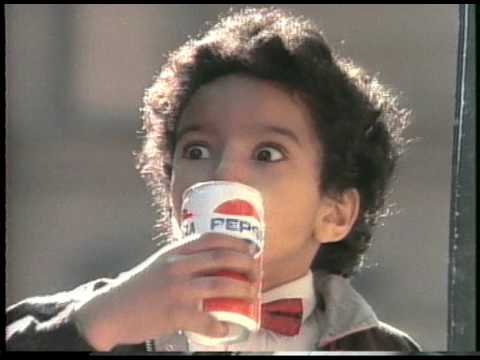
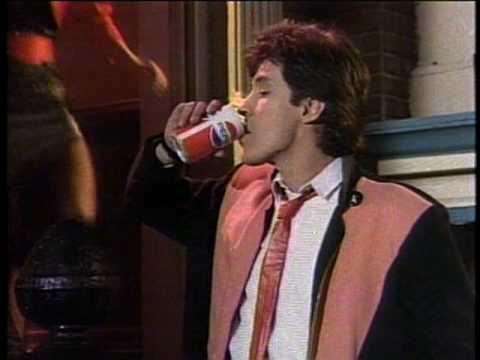
Following Jackson’s lead, Pepsi stacked the campaign with A-list entertainers to maintain its momentum. “The Choice of a New Generation” quickly became a who’s who of 1980s pop culture. Music legends like Lionel Richie, Tina Turner, David Bowie, Gloria Estefan, and Glenn Frey all lent their talents to Pepsi ads during this era These spots often featured the artists’ popular songs – or new remixes of them – with Pepsi product cameos and youthful storylines. By using contemporary hit music as a centerpiece, the campaign signaled that Pepsi wasn’t just selling cola, it was selling the soundtrack and attitude of a generation.
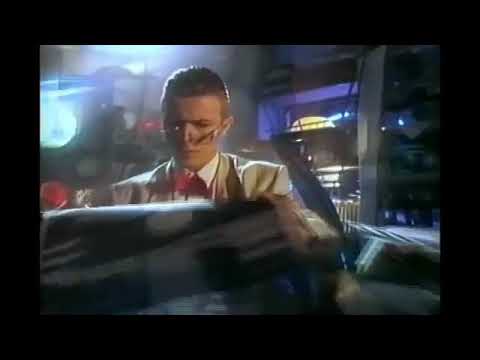
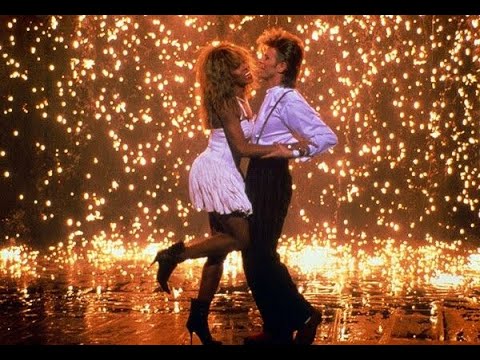
One memorable 1987 commercial, for example, paired David Bowie and Tina Turner in a mini music video narrative. Bowie plays a mad scientist in a lab who accidentally creates Tina Turner as his perfect rock-and-roll partner – all set to a special Pepsi rendition of Bowie’s song “Modern Love.” It’s an over-the-top, high-energy fantasy that concludes with the duo performing together under an explosion of sparks and neon Pepsi signage. The imaginative story and star power captured the extravagant, youthful spirit Pepsi was promoting.
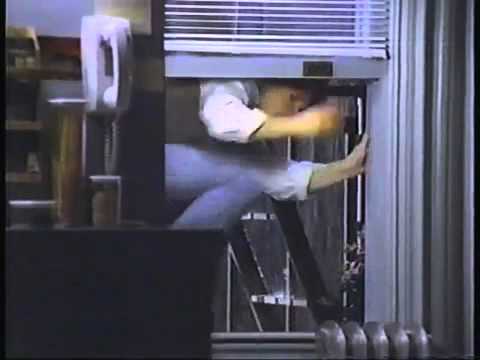
Not only rock musicians, but Hollywood stars joined Pepsi’s roster. Actor Michael J. Fox, then a teen idol from TV’s Family Ties and the film Back to the Future, became a face of Diet Pepsi in a series of hugely popular ads. In one iconic 1987 commercial that aired during the Super Bowl, Fox goes to comically extreme lengths to procure a Diet Pepsi for a pretty neighbor. He sprints out into a thunderstorm, dodges traffic and even a biker gang to retrieve an ice-cold can from a vending machine – delivering it just in time, only to have another neighbor show up asking for one as well. The ad’s blend of humor, youthful energy, and Fox’s charm made it an instant classic (and solidified Diet Pepsi as a cool choice for the new generation). Fox would continue as a Pepsi spokesperson into the early ’90s, embodying the brand’s youthful, can-do persona.
By populating its commercials with youth icons and upbeat stories, Pepsi crafted an image of itself as more than a drink – it was a pop culture experience. The ads were fast-paced, filled with catchy jingles and high production values, feeling more like music videos or short films than traditional advertisements. This approach resonated strongly with the target audience. As one observer noted of Michael Jackson’s 1984 spot: “the song…plays in your mind even after the commercial has ended,” making the ad truly memorable. Pepsi’s messaging was clear: if you wanted to be part of the excitement of the 1980s youth scene, Pepsi was the beverage of choice.
Campaign Execution and Notable Highlights
Celebrity Commercials: The campaign produced a string of high-profile commercials that are still remembered decades later. Some key highlights include:
-
Michael Jackson’s “Street” Commercial (1984): The inaugural ad of the campaign featured Michael Jackson dancing through a street party with kids, set to “Pepsi Generation” lyrics sung to the tune of Billie Jean. This ad not only introduced the new tagline, but also blurred the line between music entertainment and advertising, premiering during the Grammy Awards to enormous fanfare.
-
Pepsi vs. New Coke Ad (1985): In a cheeky response to Coca-Cola’s ill-fated New Coke launch, Pepsi aired a spot where a girl slams Coke’s flip-flopping slogans (“first they said they were the real thing, then they said they were it…”) and happily switches to Pepsi. A voice-over delivers the zinger: “Pepsi, the choice of a new generation.” This ad smartly tapped into public sentiment and reinforced Pepsi’s position as the modern, savvy choice.
-
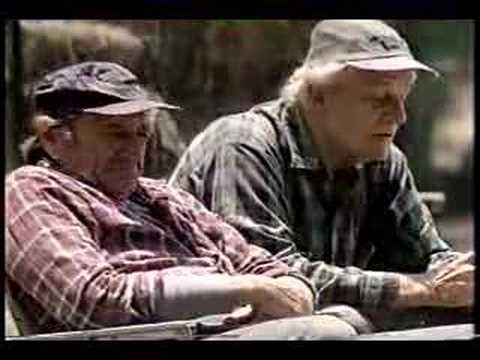
Lionel Richie’s Concert Ad (mid-1980s): Capitalizing on Richie’s massive popularity, Pepsi featured him in ads (often promoting Diet Pepsi) during his heyday. One famous ad showed concertgoers chanting for Richie while a backstage fridge is stocked with Pepsi – tying the excitement of live music to the Pepsi experience.
-
David Bowie & Tina Turner “Creation” (1987): As described, this cinematic commercial put two rock icons in a playful sci-fi scenario, showcasing Pepsi’s ability to bring multiple superstars together in one spot. The combination of star power and special effects made it a standout example of Pepsi’s creative ambition.
-
Michael J. Fox’s “New Neighbor” (1987): Fox’s Super Bowl ad, described above, became one of the most iconic Pepsi commercials. Its storytelling and Fox’s relatable, youthful persona perfectly encapsulated the campaign’s ethos of youthful determination and fun. Viewers saw a bit of themselves in Fox – going the extra mile for a Pepsi – which reinforced brand loyalty through humor and charm.
-
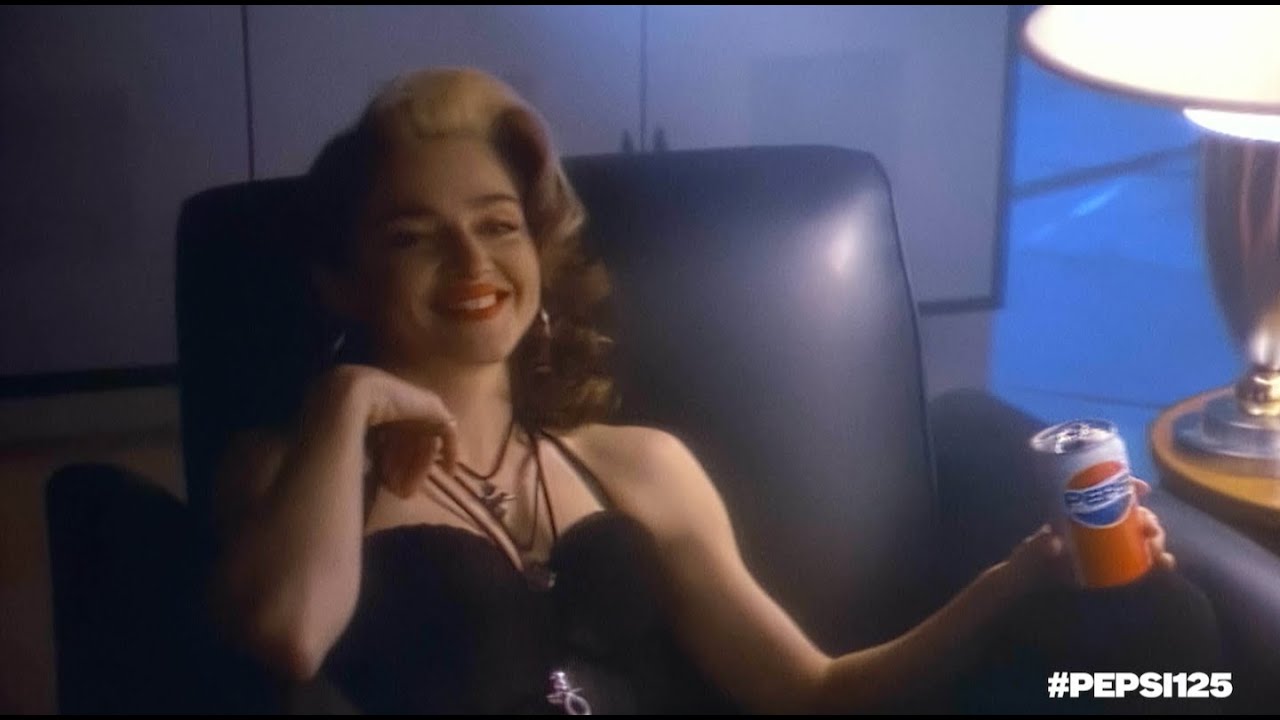
Madonna’s “Like a Prayer” Pepsi Commercial (1989): In a bid to top itself, Pepsi struck a $5 million deal with Madonna in 1989 to feature her new single “Like a Prayer” in a Pepsi commercial – the first time a music video was debuted via an ad broadcast worldwide. The ad, which showed Madonna reminiscing with childhood images while drinking Pepsi, was slated as a global event with an estimated 250 million viewers. However, it became the campaign’s most notable controversy: when Madonna’s actual “Like a Prayer” music video (with religious and provocative imagery) sparked outrage, Pepsi pulled the ad after it had aired just once. Madonna kept her endorsement fee, and Pepsi received a storm of free publicity. Despite the backlash, this episode demonstrated how far Pepsi was willing to go – and how culturally relevant the campaign had become by the late ’80s, generating headlines worldwide.
Throughout these executions, a few common threads emerged: cutting-edge music, youthful exuberance, humor, and a touch of defiance against the status quo (be it thumbing a nose at Coca-Cola or pushing the envelope in content). These elements combined to reinforce Pepsi’s desired image as the drink for those who set trends, not follow them.
Impact on Pepsi’s Brand and Business
“The Choice of a New Generation” campaign proved to be a spectacular success for Pepsi’s brand, leaving a lasting imprint on consumer perceptions and Pepsi’s bottom line. By aligning itself with music and youth culture so directly, Pepsi experienced a surge in cultural cachet and sales momentum:
-
Market Share and Sales: Pepsi’s youth-focused strategy translated into tangible gains in the cola wars. During the mid-1980s, Coca-Cola’s market lead began to erode as Pepsi’s market share climbed steadily. Industry observers noted that Coke had “fallen into a malaise” and that consumers, especially the young, perceived Pepsi as the more exciting brand. While Coca-Cola remained number one in total sales, Pepsi was nipping at its heels like never before. In fact, PepsiCo’s CEO Roger Enrico felt confident enough to declare Pepsi the victor, famously publishing a book titled “The Other Guy Blinked – How Pepsi Won the Cola Wars” in 1986, reflecting Pepsi’s swagger during this period.
-
Pepsi’s Corporate Pride: Internally, the campaign was seen as historic. Pepsi’s signing of Michael Jackson in 1984 not only grabbed headlines but “skyrocketed Pepsi’s sales,” according to company accounts. Wherever the Jacksons’ Victory Tour went (sponsored by Pepsi), local Pepsi sales spiked, validating the huge $5 million investment in Michael’s endorsement. By the campaign’s end, PepsiCo executives would hail “The Choice of a New Generation” as one of the most successful campaigns in the company’s history.
-
Diet Pepsi Growth: A notable beneficiary of the campaign was Diet Pepsi, which Pepsi shrewdly promoted alongside its main cola. The “booming success of Diet Pepsi” in the 1980s was in part due to its inclusion in the New Generation marketing push. Ads like Michael J. Fox’s made Diet Pepsi feel just as hip as regular Pepsi, helping PepsiCo capture health-conscious young consumers without losing the cool factor. By decade’s end, Diet Pepsi was a strong number two diet cola behind Diet Coke, and its youthful repositioning was a big reason why.
-
Brand Image and Youth Affinity: Perhaps the greatest impact was how thoroughly Pepsi managed to reshape its brand image. Through this campaign, Pepsi successfully ingrained itself as the beverage of youth, excitement, and modernity. Academic analyses have cited the Pepsi campaign of the ’80s as a textbook example of lifestyle branding – associating a product with desirable identities and values rather than just product features. Pepsi’s risky decision in 1984 to “name and claim a whole generation” paid off in spades; an entire cohort of young consumers identified as the “Pepsi Generation,” seeing Pepsi as their drink. This loyalty would carry into the 1990s and beyond.
-
Pressure on Competitors: The campaign’s success forced Coca-Cola to react. Coke increased its own use of celebrities and youthful imagery later in the ’80s (e.g., signing singer George Michael for ads in 1989) and launched new slogans like “Catch the Wave” and eventually “Always Coca-Cola” to revive its appeal. But many in the industry acknowledged that Pepsi had seized the initiative – Coca-Cola’s famous 1990s slogan “Generation Next” was essentially an admission that Pepsi’s generational marketing concept was powerful (indeed, Pepsi itself switched to the slogan “Generation Next” by 1997 to continue the theme for a new cohort).
Challenges and Controversies
No major campaign comes without a few hiccups. Alongside its triumphs, “The Choice of a New Generation” faced some challenges and learning moments:
-
The Madonna controversy in 1989 was the biggest flashpoint. Pepsi learned the hard way that partnering with edgy pop stars can carry risks. The company had to swiftly distance itself from Madonna’s polarizing music video to avoid a consumer boycott, illustrating the delicate balance in hitching a brand to a celebrity’s personal artistic expression. Still, Pepsi arguably benefited from the enormous publicity (Madonna herself cheekily thanked Pepsi in 2023 for the “finally released” commercial, noting the cultural impact it had).
-
Celebrity behavior and control: Tying the brand to many individual stars meant Pepsi sometimes had to manage personalities and public perceptions. For example, Michael Jackson’s accident during filming could have been disastrous, but Pepsi’s handling (paying Jackson’s medical bills and using the incident to demonstrate commitment to the artist) actually earned public sympathy and kept the partnership healthy. Likewise, Pepsi had reportedly passed on working with Madonna in 1985 due to some controversy at the time, showing they did exercise caution until they deemed the reward worth the risk.
-
Enormous Costs: The campaign’s scale was expensive – multi-million dollar celebrity contracts, lavish production numbers, and prime-time media buys (Pepsi even bought four minutes of Super Bowl ad time in 1997 to herald “Generation Next”). Pepsi was willing to spend big, operating on the belief that capturing the youth market would yield long-term loyalty. In hindsight, the expenditure was largely justified by Pepsi’s market share gains, but it set a precedent for escalating ad budgets in the cola wars.
Despite these challenges, the overall campaign managed to avoid any lasting damage to Pepsi’s reputation – in fact, even the missteps became part of Pepsi’s pop culture lore, reinforcing the sense that Pepsi was always in the mix with the era’s biggest stars and trends.
Legacy and Lessons Learned
Pepsi’s “The Choice of a New Generation” campaign is remembered today as an iconic milestone in advertising and brand marketing. It not only helped Pepsi hold its ground (and then some) against Coca-Cola in the 1980s, but it also influenced how brands approach marketing to youth and use of celebrities thereafter. Key legacies and lessons include:
-
Pioneering Celebrity Branding: This campaign cemented the model of using music and movie stars as brand ambassadors on a grand scale. Pepsi showed that the right celebrity partnership can profoundly reshape a brand’s image. The campaign’s success encouraged countless other brands to enlist pop culture icons to appeal to younger audiences. It also foreshadowed today’s influencer marketing – Pepsi was effectively using the biggest “influencers” of the ’80s to sell a lifestyle.
-
Integrated Entertainment and Advertising: Pepsi blurred the lines between ads and entertainment, making commercials that people talked about and looked forward to almost like new music releases. This was a precursor to the modern era of viral marketing and branded content. By incorporating hit songs, choreography, and storytelling, Pepsi’s ads became part of pop culture themselves. For instance, the 1984 Michael Jackson Pepsi jingle is often cited as a case study in how a commercial can amplify and repurpose pop music.
-
Reinforcing Generational Identity in Branding: Pepsi’s reuse of the generational theme (from the ’60s “Pepsi Generation” to the ’80s “New Generation” and beyond) taught marketers the power of generational marketing – aligning a product with the values and identity of a specific age cohort. Pepsi effectively told young consumers, “If you consider yourself part of the ‘new generation,’ Pepsi is your brand.” This created an emotional bond beyond just product preference. The strategy has since been emulated by many, and even Pepsi’s rival Coke would later attempt generational appeals (e.g., “Always Coca-Cola” in the ’90s aimed at Gen X, and various youth-targeted campaigns since).
-
Sustaining Brand Relevance: The campaign’s ethos has continued to guide Pepsi’s branding long after the slogan was retired. In the 1990s, Pepsi evolved “New Generation” into “Generation Next,” and in the 2000s and 2010s continued featuring pop superstars like Britney Spears, Beyoncé, and Cardi B in its ads – a direct lineage from the 1980s template. Each iteration reaffirms Pepsi’s positioning as the cola that’s one step ahead in youth appeal. Even today, Pepsi’s marketing often leans on music tie-ins (such as sponsoring the Super Bowl Halftime Show for many years) – a testament to the enduring lesson that music and youth culture are a potent combination for brand vitality.
In summary, “The Choice of a New Generation” transformed Pepsi from a soda into a cultural symbol. The campaign’s blend of aspirational messaging, star-studded advertising, and bold competitive spirit not only won Pepsi a new generation of drinkers in the ’80s, but also set a high bar for marketing campaigns that followed. It demonstrated that a clear, resonant theme – in this case, generational change and youth empowerment – executed through imaginative, entertaining content, can permanently elevate a brand’s stature. For Pepsi, it meant that for a shining moment in advertising history, it truly was the choice of a new generation – and that idea lives on in the brand’s DNA to this day.
Conclusion
Pepsi’s “The Choice of a New Generation” campaign remains a defining case study in marketing and branding. It showcases how a challenger brand used innovative advertising to shift the narrative in its favor, leveraging the power of pop culture to capture hearts and minds. By betting on youth, music, and celebrities, Pepsi rewrote the rules of soda marketing and created ads that have stood the test of time. The campaign’s success is reflected not just in sales numbers or market share, but in its cultural legacy – a legacy that continues to inform how brands engage with each new generation of consumers. In the annals of advertising, the Pepsi New Generation campaign of the 1980s shines as a brilliant example of how to sell a lifestyle, define a generation, and leave an indelible mark on a brand’s identity.
Also Read: Case Study Analysis: McDonalds “I’m Loving It” Campaign
Also Read: A Case Study on Patagonia’s “Don’t Buy This Jacket” Campaign
To read more content like this, subscribe to our newsletter