Last Updated on December 12, 2025 by Team TBH
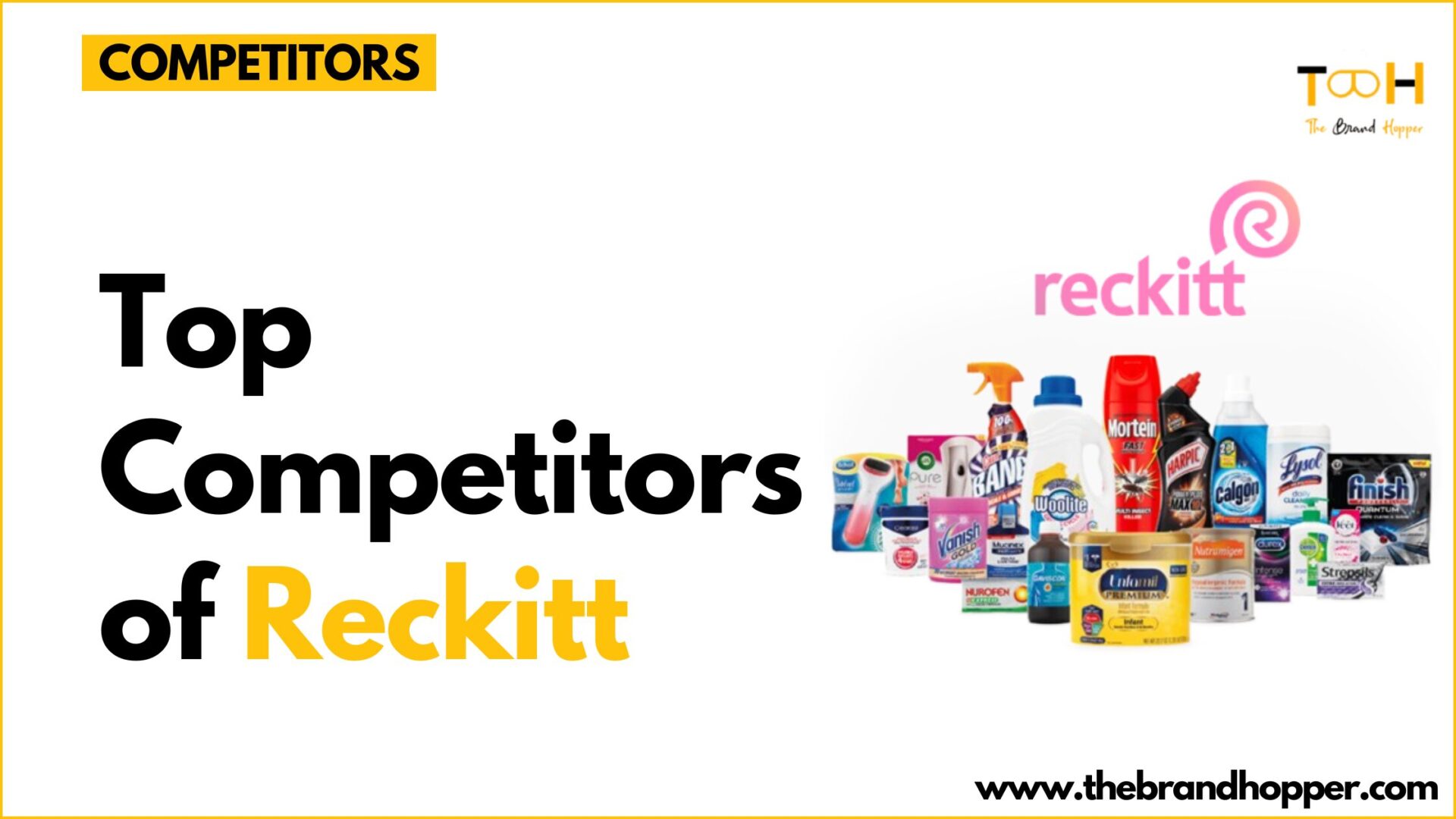
Reckitt (formerly Reckitt Benckiser) is a company in the midst of a profound identity crisis and strategic metamorphosis. For decades, the Slough-based giant was the quintessential “house of brands,” a sprawling conglomerate that sold everything from French’s Mustard to Durex condoms. However, the Reckitt of 2025 is a company slimming down to fight weightier battles. Under the leadership of CEO Kris Licht, Reckitt has initiated a massive restructuring, most notably the 2025 agreement to divest its “Essential Home” portfolio (including Air Wick, Mortein, and Calgon) to private equity firm Advent International.
This pivot signals Reckitt’s intent to shed its “low-growth” household chores to focus purely on “high-margin” Powerbrands in Health, Hygiene, and Nutrition. The goal is to build a fortress around iconic names like Lysol, Dettol, Durex, Mucinex, Nurofen, and Enfamil. But as Reckitt retreats into this premium fortress, it finds the castle grounds already besieged. The Consumer Health sector is no longer a sleepy annex of the pharmaceutical industry; it is a war zone populated by newly independent giants like Haleon and Kenvue, who possess deeper pockets and singular focus.
Furthermore, Reckitt’s Nutrition business (Mead Johnson) is currently weathering a legal storm regarding NEC (Necrotizing Enterocolitis) lawsuits in the US, a liability that has battered its stock price and emboldened competitors to seize market share in the infant formula space. Understanding Reckitt’s competitive landscape requires looking at three distinct battlefields: the disinfection wars against American titans, the OTC (Over-the-Counter) health skirmishes against pharma spin-offs, and the emotional, high-stakes battle for baby nutrition.
The following analysis explores Reckitt’s most formidable rivals, detailing their strategies, their recent maneuvers, and exactly how they threaten Reckitt’s “Powerbrand” strategy.
Top Competitors of Reckitt (formerly Reckitt Benckiser)
1. Procter & Gamble (P&G)
Website – https://en-eg.pg.com/
P&G is the leviathan of the consumer goods world. It is the benchmark against which all others are measured. While Reckitt is slimming down, P&G remains a massive, integrated machine. It is Reckitt’s primary antagonist in the US market, particularly in the hygiene and cold/flu sectors.
How They Compete with Reckitt
P&G competes through superior supply chain dominance and “irresistible superiority” marketing.
-
Hygiene Wars: In the automatic dishwashing category, Reckitt’s Finish is the global leader, but P&G’s Cascade is the undisputed king of the US. P&G uses its massive media spend to position Cascade as the premium “no pre-wash needed” solution, effectively capping Finish’s growth in North America.
-
Cold & Flu: Reckitt’s Mucinex and Strepsils face a direct wall in P&G’s Vicks (NyQuil/DayQuil). P&G has masterfully extended the Vicks brand into sleep aids (ZzzQuil) and immunity, creating a “wellness ecosystem” that surrounds the consumer, whereas Reckitt’s brands often stand alone as symptom-specific fixes.
Recent Developments
In 2025, P&G has been aggressively pushing its “P&G Professional” arm, targeting hotels and restaurants. This directly attacks Reckitt’s “Lysol Pro Solutions” business, trying to steal the lucrative B2B disinfection contracts that Reckitt won during the pandemic.
2. Haleon

Website – https://www.haleon.com/
Spun off from GSK and Pfizer, Haleon is the world’s largest standalone consumer health company. It is the most direct apples-to-apples competitor for Reckitt’s Health division. Haleon does not sell toilet cleaner; it sells relief, just like Reckitt’s Nurofen and Gaviscon.
How They Compete with Reckitt
Haleon competes on pain management dominance and oral health.
-
The Painkiller War: This is a clash of titans. Reckitt owns Nurofen (Ibuprofen). Haleon owns Advil (Ibuprofen) and Panadol (Paracetamol). In almost every market, if you have a headache, you are choosing between a Reckitt red box or a Haleon blue/green box. Haleon’s dual-molecule strategy allows them to capture both anti-inflammatory and standard pain relief customers, whereas Reckitt is heavily reliant on the Nurofen brand equity.
-
Therapeutic Focus: While Reckitt brands are often marketed on “speed” (e.g., Nurofen Express), Haleon markets on “specialization” (e.g., Voltaren for arthritis). This perceived medical specificity often wins over older demographics.
Recent Developments
Haleon has been shedding non-core brands (like ChapStick and Nicotinell) in 2024 to free up cash. They are reinvesting this into digital diagnostics—apps that help you diagnose your pain before buying a pill. This digital-first approach threatens to make Reckitt’s traditional TV-advertising model look outdated.
3. Kenvue
Website – https://www.kenvue.com/
The other new giant on the block, Kenvue is the spin-off of Johnson & Johnson’s consumer division. It is the home of Tylenol, Listerine, and Zyrtec. Like Haleon, it is a pure-play health company with deep pockets and a legacy of medical trust.
How They Compete with Reckitt
Kenvue competes through category captaincy in allergy and pediatric care.
-
Allergy Season: Reckitt has a weaker footprint in allergy compared to Kenvue’s Zyrtec and Benadryl. In the US, Kenvue dominates the spring season, effectively capturing the “share of nose” before consumers even get the cold/flu symptoms that Reckitt’s Mucinex treats.
-
The “Mom” Trust: Kenvue’s heritage with Johnson’s Baby and Tylenol creates a cradle-to-grave trust loop. A parent who uses Johnson’s baby wash is statistically more likely to trust Children’s Tylenol over Nurofen for Children. Kenvue leverages this cross-category trust to block Reckitt from gaining ground in pediatric care.
Recent Developments
Kenvue has been aggressively modernizing Listerine in 2025, launching “gum therapy” variants. This is a preemptive strike against Reckitt’s Dettol, which often tries to stretch from surface disinfection into personal hygiene and antisepsis.
4. Abbott Laboratories
Website – https://www.abbott.com
Abbott is a diversified healthcare giant, but for Reckitt, they are the enemy in one specific, high-stakes trench: Infant Nutrition. Abbott owns Similac, the arch-rival to Reckitt’s Enfamil.
How They Compete with Reckitt
Abbott competes via hospital contracts and medical detailing.
-
The Formula Duopoly: In the US, Abbott and Reckitt (Mead Johnson) control over 80% of the formula market. They compete fiercely for WIC (Women, Infants, and Children) government contracts. Winning a state contract essentially guarantees a monopoly in that state for lower-income families. Abbott has historically been aggressive in bidding for these, forcing Reckitt to squeeze margins to compete.
-
Shared Liability: Currently, both companies are “frenemies” in the courtroom. Both are facing massive lawsuits alleging their cow’s-milk formulas cause NEC in premature babies. However, commercially, Abbott has recovered faster from the 2022 recall crisis, regaining shelf space that Enfamil had temporarily seized.
Recent Developments
In 2025, Abbott has focused heavily on “Similac 360 Total Care,” marketing its inclusion of 5 HMOs (Human Milk Oligosaccharides). This science-forward marketing forces Reckitt to constantly reformulate Enfamil to keep up with the “closest to breast milk” claims, driving up R&D costs.
5. Unilever
Website – https://www.unilever.com/
Unilever is a hybrid competitor. While they are exiting some food businesses, their “Home Care” and “Personal Care” divisions are direct rivals to Reckitt’s Hygiene core.
How They Compete with Reckitt
Unilever competes on sustainability and emerging market distribution.
-
The Germ War: Reckitt’s Dettol vs. Unilever’s Lifebuoy is the “Coca-Cola vs. Pepsi” of the developing world. In India, Africa, and Southeast Asia, these two battle for the hands of billions. Unilever’s distribution network in rural India (shakti ammas) is deeper than Reckitt’s, allowing Lifebuoy to penetrate villages where Dettol is seen as too premium or inaccessible.
-
Bleach Battles: Unilever’s Domestos competes directly with Reckitt’s Harpic and Lysol (in some markets). Domestos is often priced slightly lower, appealing to value-conscious shoppers who want “thick bleach” power without the premium Dettol scent.
Recent Developments
Unilever’s “Power of Science” R&D push in 2025 has seen them launching “biomimetic” cleaning products under the Cif brand (competing with Reckitt’s Cillit Bang, which is being sold, but also competing with Lysol sprays). They are aggressively marketing “plant-based kill,” trying to corner the eco-conscious disinfectant market before Lysol can pivot.
6. The Clorox Company
Website – https://www.thecloroxcompany.com/
Clorox is a US-centric powerhouse. While Reckitt is global, Clorox is the king of American bleach. The rivalry between Clorox and Lysol is legendary, intensified by the pandemic.
How They Compete with Reckitt
Clorox competes through wipe dominance and “trust” marketing.
-
The Wipes War: Lysol and Clorox trade the #1 spot for disinfecting wipes in the US. Clorox competes by offering a broader range of “Scentiva” (premium scents) to make cleaning feel like self-care. They have successfully framed Clorox as the “ultimate kill” brand, whereas Lysol is framed as the “health/family” brand.
-
Eco-Friendly Niche: Clorox owns Burt’s Bees, giving them a massive halo in natural products. They use this learnings to drive their “Clorox EcoClean” line, challenging Reckitt’s “Botanicals” line.
Recent Developments
Clorox has been recovering from a massive cyberattack in 2024 that crippled their supply chain. In 2025, they are back with aggressive discounting to regain lost shelf space, forcing Reckitt to increase promotional spending on Lysol to defend its share.
7. Church & Dwight
Website – https://churchdwight.com/
Church & Dwight is a scrappy, highly efficient US company known for the Arm & Hammer brand. However, their rivalry with Reckitt is most heated in the bedroom.
How They Compete with Reckitt
Church & Dwight competes via Trojan vs. Durex.
-
The Condom Clash: In the US, Trojan (Church & Dwight) is the overwhelming market leader, with Durex (Reckitt) a distant challenger. Trojan competes by dominating shelf space in drugstores and normalizing sexual health as “everyday health.” They market on “pleasure and safety,” while Durex often markets on “connection and feeling.”
-
Stain Removal: Church & Dwight’s OxiClean is the direct rival to Reckitt’s Vanish. OxiClean’s marketing is visceral and demonstration-heavy (“It gets the tough stains out!”), appealing to a pragmatic demographic, whereas Vanish often leans on fashion and fabric care longevity.
8. Nestlé
Website – https://www.nestle.com/
Nestlé is the world’s largest food company. In the context of Reckitt, they are the global giant in Infant Nutrition, owning brands like Gerber, Nan, and SMA.
How They Compete with Reckitt
Nestlé competes through global HMO leadership and the “First 1000 Days” ecosystem.
-
China Strategy: China is a critical battleground for formula. Nestlé (Illuma/Nan) and Reckitt (Enfamil) fight fiercely here. Nestlé competes by localizing rapidly, offering “A2 milk” variants and goat milk formulas that cater to specific Chinese consumer preferences faster than Reckitt can.
-
Allergy Management: Nestlé Health Science has a strong portfolio in pediatric allergy (Alfamino), competing directly with Reckitt’s specialized Nutramigen formula. Nestlé uses its massive medical sales force to get pediatricians to prescribe their allergy solutions over Reckitt’s.
9. Danone
Website – https://www.danone.com/
The French dairy giant is another massive obstacle in Reckitt’s nutrition path, particularly in Europe and Asia. They own Aptamil, Nutrilon, and Cow & Gate.
How They Compete with Reckitt
Danone competes on gut health and specialized fermentation.
-
The Science of Gut: Danone leverages its yogurt heritage to market its formulas (Aptamil) heavily on “synbiotics” (pre- and probiotics) and gut health. This resonates with modern parents obsessed with their baby’s microbiome. In Europe, Aptamil is the “gold standard” premium brand, often relegating Reckitt’s Enfamil to a challenger position.
10. SC Johnson

Website – https://scjohnson.com/en
A family-owned, private company that is a quiet giant. Note: With Reckitt divesting “Essential Home” (Air Wick, Mortein), the direct rivalry in air care and pest control will dissolve. However, SC Johnson remains a rival in surface cleaning.
How They Compete with Reckitt
SC Johnson competes through Duck vs. Harpic.
-
The Toilet Bowl: SC Johnson’s Duck brand is the primary global rival to Reckitt’s Harpic. Duck competes on “reach” (the curved neck bottle design is their unique selling proposition). They market on “better design = better cleaning,” whereas Harpic markets on “chemical potency.”
-
Windex vs. Glass Plus: In the US, SC Johnson’s Windex completely dominates the glass category, leaving Reckitt’s brands with crumbs.
11. Bayer Consumer Health
Website – https://www.bayer.com/en/personal-health/consumer-health-products
The German pharma giant maintains a strong consumer health division.
How They Compete with Reckitt
Bayer competes on GI and Allergy.
-
Indigestion: Reckitt’s Gaviscon (heartburn/reflux) fights directly with Bayer’s Alka-Seltzer and Rennie. Bayer competes by offering “fast relief” tablets, while Gaviscon dominates the liquid “raft” formation segment.
-
Allergy: Bayer’s Claritin is a global powerhouse, squeezing Reckitt out of the allergy conversation in many markets.
Comparative Snapshot: Reckitt vs. The Field
| Competitor | Primary Sector | Key Rivalry | Competitive Edge |
| P&G | Hygiene/Health | Cascade vs. Finish, Vicks vs. Mucinex | Media Spend & Supply Chain |
| Haleon | Health (OTC) | Panadol/Advil vs. Nurofen | Pain Category Leadership |
| Kenvue | Health (OTC) | Tylenol vs. Nurofen, Listerine vs. Dettol | Medical Heritage (J&J roots) |
| Abbott | Nutrition | Similac vs. Enfamil | Hospital Contracts (US) |
| Unilever | Hygiene | Lifebuoy vs. Dettol | Emerging Market Distribution |
| Clorox | Hygiene | Clorox vs. Lysol | Wipes Dominance (US) |
| Church & Dwight | Sexual Health | Trojan vs. Durex | Shelf Space Dominance (US) |
| Nestlé | Nutrition | Nan/Gerber vs. Enfamil | Global Scale & R&D |
Conclusion: The Shrinking Giant vs. The Specialists
Reckitt’s strategy in 2025 is clear: shrink to grow. By divesting the “Essential Home” portfolio, Reckitt is voluntarily exiting the battlefield against SC Johnson (Air Care) and reducing its exposure to commodity cleaning wars. This is a calculated gamble to focus resources on the wars it believes it can win: the high-margin battles for Germ Protection (Lysol/Dettol) and Consumer Health.
However, this consolidation brings Reckitt into a tighter, deadlier ring. It is no longer fighting fragmented competition; it is stepping into the cage with Haleon and Kenvue—companies that do nothing but consumer health and have more resources to do it. Simultaneously, the Abbott rivalry in nutrition remains a “Sword of Damocles” due to the NEC litigation, which threatens to drain Reckitt’s cash reserves that are needed for innovation.
For Reckitt to succeed, its “Powerbrands” must truly be powerful. They must prove that a bottle of Dettol or a packet of Nurofen offers enough premium value to withstand the “good enough” private label alternatives and the scientifically advanced innovations of its pharma-backed rivals. The next few years will decide if Reckitt’s slimmer profile makes it agile enough to dodge the punches, or simply smaller enough to be pushed around.
Also Read: Marketing Strategies and Marketing Mix of Reckitt Benckiser (RB)
To read more content like this, subscribe to our newsletter