Last Updated on August 4, 2026 by Team TBH
Quick answer: By almost every financial measure, Zara’s parent company Inditex is winning — nearly double H&M’s revenue, more than five times its profit, and roughly seven times its market value. But “better” depends on what you’re optimizing for. Zara wins on speed, quality-for-price, and business performance. H&M wins on affordability, size of selection, and sustainability transparency. They’re not really chasing the same customer anymore.
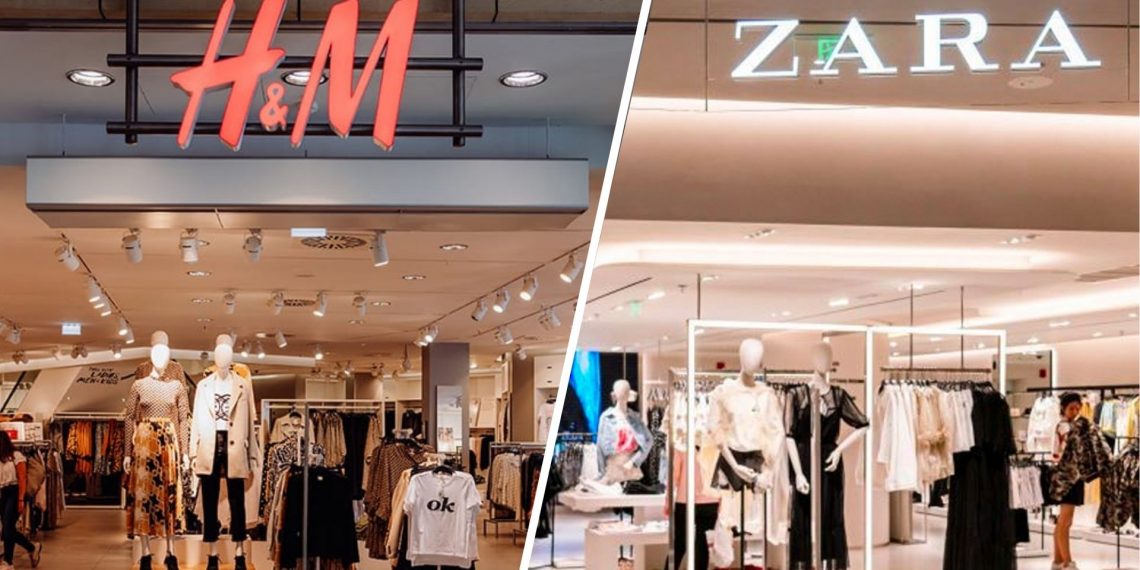
Zara and H&M get lumped together constantly — both are Euro-born fast fashion giants with thousands of stores worldwide, and both built empires on turning runway trends into affordable clothes within weeks. But look closer at how they’re actually run and performing in 2026, and the two companies have drifted apart. Here’s a full breakdown: who owns them, how they make money, and which one comes out ahead.
Corporate Owners: Inditex vs H&M Group
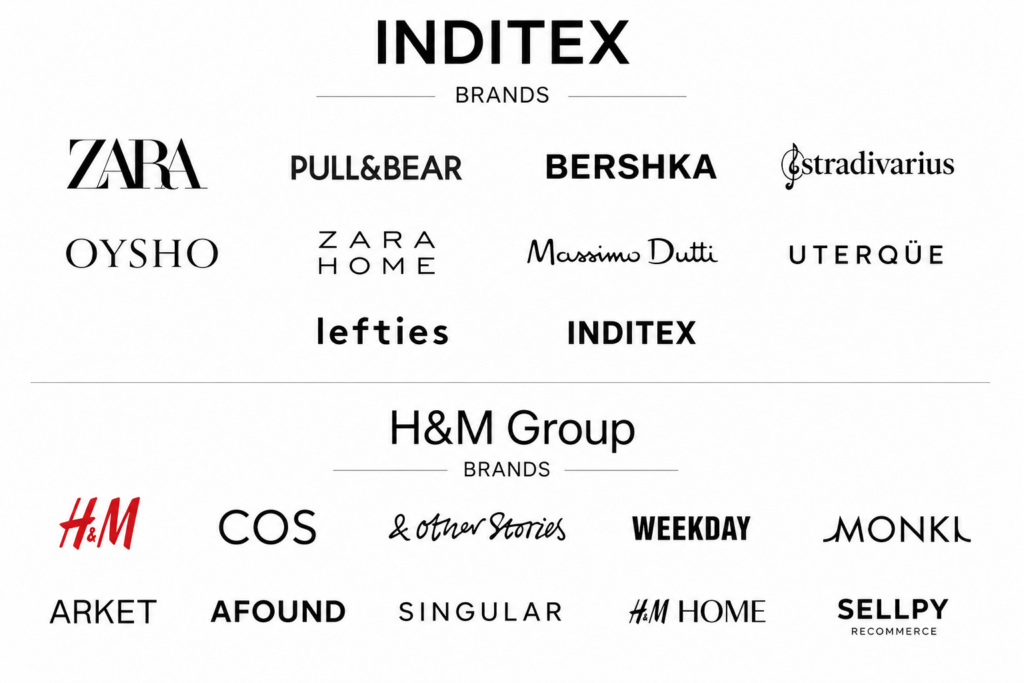
Zara isn’t a standalone company — it’s the flagship brand of Inditex (Industria de Diseño Textil), a Spanish conglomerate founded in 1975 by Amancio Ortega and Rosalía Mera in A Coruña, Galicia. Inditex now owns roughly seven to eight brands, including Zara, Zara Home, Massimo Dutti, Pull&Bear, Bershka, Stradivarius, and Oysho.
H&M is owned by H&M Group (Hennes & Mauritz AB), a Swedish company founded in 1947 by Erling Persson, originally as a women’s clothing store called Hennes. H&M Group’s portfolio includes H&M, COS, & Other Stories, Weekday, Monki, ARKET, H&M Home, and resale platform Sellpy.
Revenue, Profit & Market Cap: Inditex’s Dominant Lead
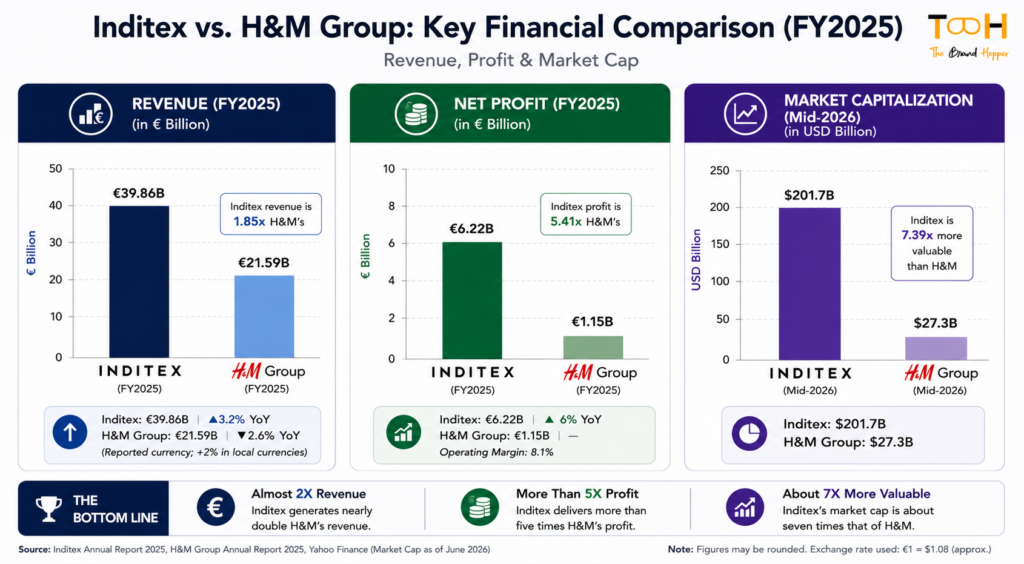
The financial gap between the two groups is stark. Inditex closed fiscal 2025 with record revenue of €39.86 billion, up 3.2%, and net profit of €6.22 billion, up 6% year over year, with a gross margin of 58.3%.
H&M Group posted revenue of roughly €21.59 billion for fiscal 2025 (down about 2.6% in reported currency, though up 2% in local currencies), with net profit of approximately €1.15 billion and an operating margin of 8.1%.
That means Inditex generates almost double H&M’s revenue and more than five times its profit. The gap shows up in valuation too: as of mid-2026, Inditex’s market capitalization sits around $201.7 billion, versus roughly $27.3 billion for H&M — making Inditex about seven times more valuable on the stock market.
Store Footprint & Global Reach
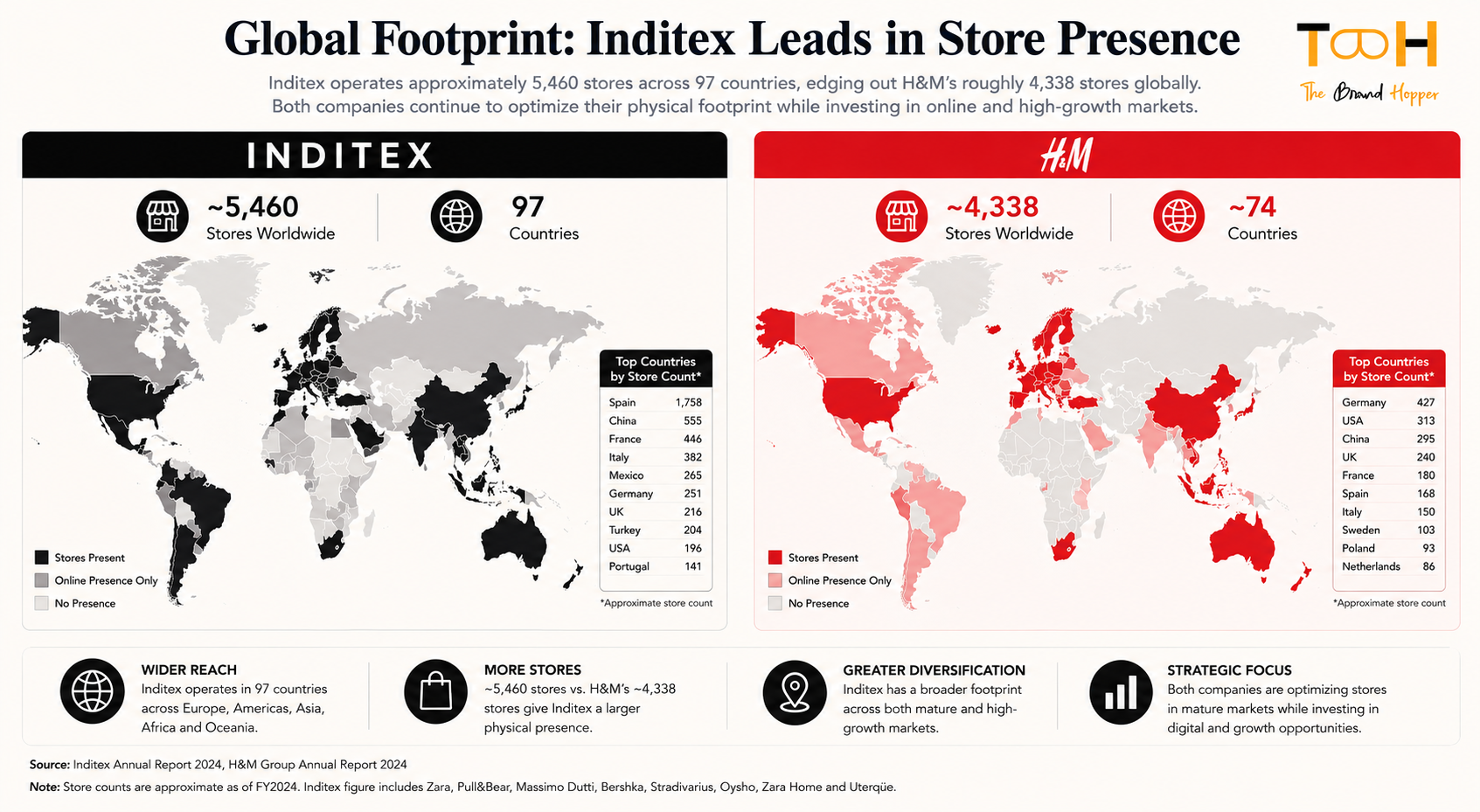
Inditex operates approximately 5,460 stores across 97 countries, edging out H&M’s roughly 4,338 stores globally. Both companies have been trimming physical locations in mature markets while expanding online and in select high-growth regions, but Inditex’s footprint remains larger and more geographically diversified.
Business Model: Zara’s Speed vs H&M’s Scale
This is the real difference between the two. Zara pioneered vertically integrated fast fashion: over half of its production happens near its Spanish headquarters, letting it move a design from sketch to store shelf in as little as two to six weeks. That speed lets Zara ship in small batches, sell close to full price, and constantly refresh inventory rather than over-producing.
H&M runs a more traditional, larger-scale fast fashion model, manufacturing mostly through outsourced factories across Asia. Its supply chain is slower than Zara’s but built for volume, serving a broader, more price-sensitive customer base across more categories.
Pricing: Why Zara Costs More
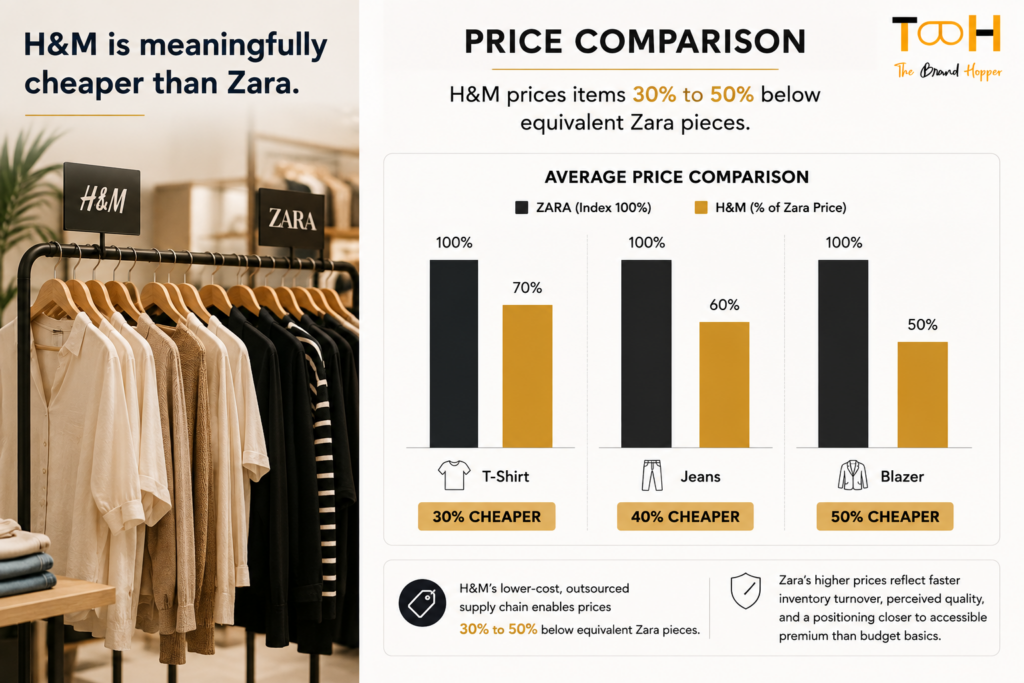
H&M is meaningfully cheaper. Thanks to its lower-cost, outsourced supply chain, H&M typically prices items 30% to 50% below equivalent Zara pieces. Zara’s higher prices reflect its faster inventory turnover, perceived quality, and a positioning that leans closer to accessible premium than budget basics — an approach that has helped protect its margins even as input costs rise.
Sustainability: Different Timelines, Different Strengths
Both brands face intense scrutiny over fast fashion’s environmental footprint, and both have made public commitments, but they diverge in approach. Zara’s Join Life collection targets 100% sustainable materials by 2025, an aggressive internal goal. H&M’s Conscious Collection targets the same milestone for 2030 — a longer runway, but H&M has generally scored better on supply chain transparency and consumer-facing programs like in-store garment collection and recycling.
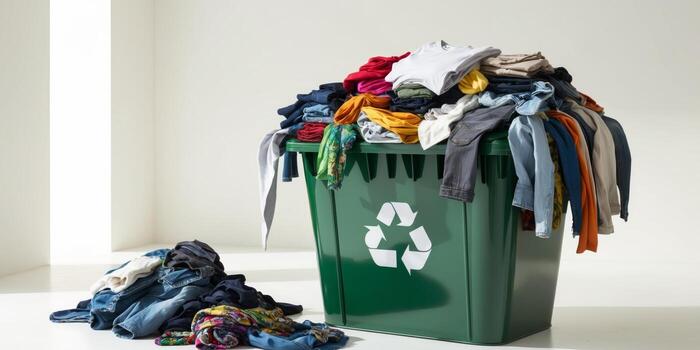
Neither company has fully escaped fast fashion’s core tension: producing huge volumes of cheap, frequently replaced clothing while claiming sustainability progress. Both are also facing new competitive pressure from ultra-fast fashion players like Shein and Temu, which undercut them both on price and speed.
Brand Portfolios Beyond the Flagship
Judging Inditex and H&M Group only by Zara and H&M understates their scale. Inditex’s other brands, particularly Massimo Dutti (more upscale) and Bershka and Stradivarius (younger, trend-driven), let it cover multiple price points and age groups under one roof. H&M Group does the same with COS (minimalist, higher-end) and & Other Stories, while also operating Sellpy, a resale platform that hedges against fast fashion’s sustainability criticism.
Zara vs H&M at a Glance
| Category | Zara (Inditex) | H&M (H&M Group) |
| Founded | 1975, Spain | 1947, Sweden |
| Parent company | Inditex | H&M Group |
| FY2025 revenue | €39.86 billion | ~€21.59 billion |
| FY2025 net profit | €6.22 billion | ~€1.15 billion |
| Market cap (2026) | ~$201.7 billion | ~$27.3 billion |
| Store count | ~5,460 (97 countries) | ~4,338 |
| CEO | Óscar García Maceiras | Daniel Ervér |
| Design-to-store speed | 2–6 weeks | Slower, volume-focused |
| Pricing vs. rival | 30–50% higher than H&M | Meaningfully cheaper |
| Sustainability target | 100% sustainable materials by 2025 | 100% sustainable materials by 2030 |
| Other brands | Zara Home, Massimo Dutti, Bershka, Pull&Bear, Stradivarius, Oysho | COS, & Other Stories, Weekday, Monki, ARKET, Sellpy |
So, Which Is Actually Better?
If you’re measuring corporate performance — revenue, profit, valuation, and supply chain efficiency — Inditex’s Zara is clearly ahead, and has been for years. If you’re a shopper prioritizing lower prices and are comfortable with a slightly slower design cycle, H&M still offers strong value and a wider net for budget-conscious style.
The honest answer is that Zara has effectively out-executed H&M as a business, while H&M remains the more accessible, budget-friendly choice at the till. Which one is “better” really depends on whether you’re evaluating them as an investor or as a shopper.
Frequently Asked Questions
Q. Who owns Zara and who owns H&M?
A. Zara is owned by Inditex, a Spanish company founded in 1975. H&M is owned by H&M Group (Hennes & Mauritz AB), a Swedish company founded in 1947. Neither owns the other; they are separate, competing conglomerates.
Q. Which is more profitable, Zara or H&M?
A. Zara’s parent Inditex is far more profitable. Inditex posted a net profit of €6.22 billion in fiscal 2025, versus roughly €1.15 billion for H&M Group — more than five times the difference.
Q. Why is Zara more expensive than H&M?
A. Zara’s prices run 30% to 50% higher than H&M’s because of its faster, vertically integrated supply chain, smaller production batches, and positioning closer to accessible premium rather than budget fast fashion.
Q. Which company is bigger, Inditex or H&M Group?
A. Inditex is significantly bigger by every major measure: nearly double the revenue, more than five times the profit, about seven times the market capitalization, and a larger global store count.
Q. Is Zara or H&M more sustainable?
A. It depends on the metric. Zara has a more aggressive internal target (100% sustainable materials by 2025) through its Join Life collection, while H&M targets 2030 but generally scores higher on transparency and consumer recycling programs.
Q. Does Zara own H&M or vice versa?
A. No. Zara and H&M are owned by two entirely separate companies — Inditex and H&M Group, respectively — and compete directly against each other in the global fast fashion market.
Also Read: Inditex Group: All 8 Brands Explained — Zara & Beyond
Also Read: H&M Marketing Strategies and Marketing Mix
Subscribe to our newsletter