
Last Updated on October 12, 2026 by Team TBH
In today’s digital world, finding information about health has never been easier. A quick online search can provide thousands of explanations for almost any symptom. However, this convenience can sometimes create more worry than reassurance, particularly for people who experience health anxiety. What begins as a simple search for answers can develop into a cycle of checking, uncertainty, and repeated reassurance-seeking.
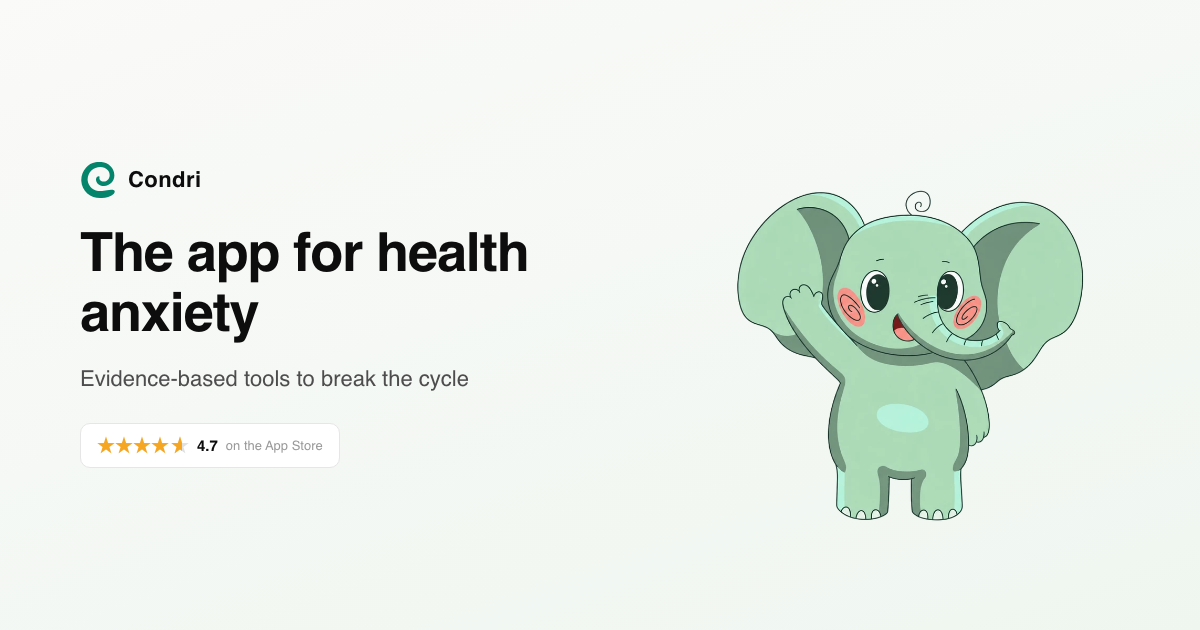
As awareness of mental wellbeing grows, digital tools are becoming an increasingly important part of how people manage everyday challenges. The Condri health anxiety app focuses on an often-overlooked concern: the anxiety that can develop when people become excessively worried about their physical health.
By addressing the relationship between anxious thoughts, physical sensations, and reassurance-seeking habits, Condri represents a more focused approach to digital mental wellbeing.
Understanding the Idea Behind Condri
Health anxiety can make ordinary physical sensations feel alarming. A headache, unusual heartbeat, or temporary discomfort may trigger worries about serious illness, even when there is no clear evidence of a dangerous condition.
For some individuals, these concerns lead to repeated online searches, body checking, and requests for reassurance. Although these behaviours may provide temporary comfort, they can also reinforce anxiety over time.
Condri focuses on this specific area of mental wellbeing rather than approaching health anxiety as a general stress-management issue.
The concept reflects a growing recognition that people experiencing health-related worries may benefit from tools designed around their particular challenges.
By encouraging greater awareness of anxious thinking patterns, a dedicated health anxiety app can offer a structured starting point for understanding the behaviours that maintain worry.
However, digital tools should complement appropriate healthcare rather than replace professional assessment, diagnosis, or treatment.
Why Health Anxiety Needs a More Focused Digital Solution
Many wellbeing apps concentrate on broad topics such as meditation, relaxation, sleep, and mindfulness. While these approaches can be helpful, health anxiety often involves specific patterns that require more targeted attention.
Someone experiencing health anxiety may repeatedly monitor physical sensations, research medical conditions, or seek reassurance from family members and healthcare professionals.
The difficulty is that reassurance doesn’t always last. Once one concern fades, another symptom or possibility may trigger fresh worry.
This creates a cycle in which checking behaviours temporarily reduce uncertainty but make it harder to tolerate that uncertainty in the future.
Condri’s positioning within the health anxiety space highlights the value of recognising these patterns instead of treating every anxious experience in the same way.
A focused digital approach can help bring attention to the relationship between thoughts, emotions, physical sensations, and behaviours.
Understanding that relationship is an important part of developing healthier responses to uncertainty.
The Role of Digital Tools in Everyday Mental Wellbeing
Digital mental health resources have changed how people access information and support. Smartphones allow users to engage with wellbeing content privately and at convenient times, without needing to wait for a scheduled appointment.
This accessibility can be particularly relevant for health anxiety, which may arise unexpectedly during everyday activities.
For example, someone might notice a physical sensation while travelling, working, or relaxing at home. Having access to reliable educational resources can help them reflect on their response rather than immediately beginning another internet search.
Digital tools can also encourage consistency. Developing healthier habits often requires repeated practice, and convenient access may make it easier to maintain those efforts.
However, the effectiveness of individual apps varies. Users should consider whether a product provides clear information about its approach, limitations, privacy practices, and any evidence supporting its features.
A digital resource is most valuable when it supports informed decisions and encourages appropriate professional care when needed.
How Condri Fits Into the Changing Mental Wellness Market
The mental wellness industry has expanded considerably as consumers seek more personalised approaches to emotional wellbeing.
Rather than relying exclusively on general-purpose platforms, some users now look for resources that address particular experiences, including health anxiety, social anxiety, and sleep-related worries.
Condri’s focus on health anxiety gives it a distinct position within this increasingly specialised digital landscape.
From a brand perspective, this targeted approach offers an opportunity to communicate with an audience whose needs may not be fully addressed by broader wellbeing products.
It also reflects a wider shift towards recognising that different mental health challenges can involve different behaviours and support requirements.
For health anxiety, those requirements may include understanding reassurance-seeking, recognising catastrophic interpretations, and developing greater tolerance for uncertainty.
By centring its identity on this area, Condri connects its brand with a specific and recognisable everyday problem.
Encouraging Healthier Habits Around Symptom Searching
One of the most common behaviours associated with health anxiety is repeatedly searching for symptoms online.
Although searching can feel reassuring initially, results may include serious conditions that are uncommon or unrelated to the person’s circumstances.
Without clinical context, this information can increase uncertainty and encourage further checking.
Developing healthier habits often involves recognising when searching has become repetitive rather than informative.
Simple strategies can include delaying non-urgent reassurance-seeking, limiting time spent browsing medical forums, and learning to distinguish anxious predictions from established facts.
People can also benefit from noticing what triggers their urge to search, such as stress, tiredness, or unfamiliar physical sensations.
These strategies are consistent with principles commonly addressed in psychological approaches to health anxiety, including cognitive behavioural therapy.
Importantly, reducing compulsive searching doesn’t mean ignoring genuine medical concerns. New, persistent, worsening, or concerning symptoms should still receive appropriate medical attention.
Why Trust and Responsible Communication Matter
Trust is particularly important for brands operating in the health and wellbeing sector. People experiencing health anxiety may already feel vulnerable, making clear and responsible communication essential.
Digital wellbeing brands should avoid exaggerated promises or suggestions that an app can eliminate anxiety completely.
Instead, useful communication explains what a product is designed to address, how its approach works, and where professional healthcare remains necessary.
Privacy also deserves careful consideration because health-related information can be sensitive. Users should review an app’s privacy policy and understand how their personal information is handled.
For Condri, maintaining a clear identity around health anxiety creates an opportunity to build meaningful relationships with users through relevant information and transparent messaging.
A responsible approach helps distinguish supportive wellbeing resources from products that rely on fear-based marketing or unrealistic claims.
Final Thoughts
Condri represents a focused approach within the growing digital mental wellbeing sector, addressing the challenges associated with health anxiety and repeated reassurance-seeking.
As more people recognise the emotional effects of constant symptom searching, specialist resources have an opportunity to support greater awareness and healthier everyday habits.
The value of this approach lies in understanding that health anxiety involves more than occasional worry. It can influence thoughts, behaviours, confidence, and quality of life.
By focusing on this specific experience, Condri offers a brand proposition that differs from general wellness platforms.
Ultimately, managing health anxiety involves learning to respond to uncertainty more constructively while continuing to seek appropriate medical care when necessary. Digital resources can play a supportive role in that process, helping people develop a more balanced relationship with their health and wellbeing.
To read more content like this, explore The Brand Hopper
Subscribe to our newsletter