
Last Updated on October 21, 2026 by Team TBH
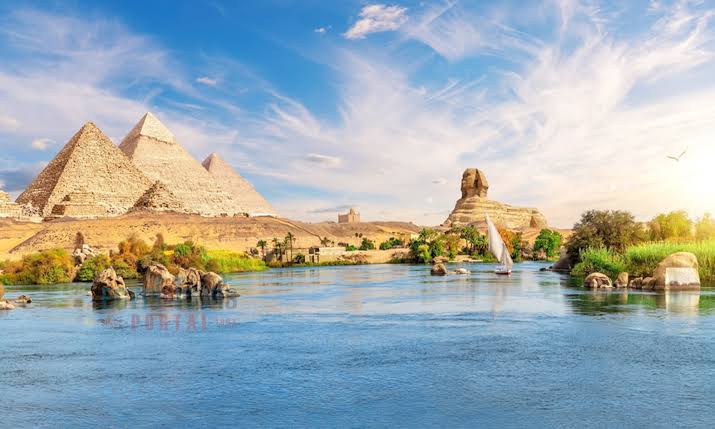
Egypt rewards planners. A trip there involves more moving parts than a standard beach holiday — visas, desert heat, site-specific rules, and a currency that works differently than most travelers expect. Sort out the right things before departure, and the logistics fade into the background, leaving more room for the Pyramids of Giza, the Valley of the Kings, and a felucca ride on the Nile. Here’s what deserves attention before you go.
Visa and Entry Requirements
Most visitors to Egypt need a visa, but the process is simpler than it sounds. Citizens of the US, UK, most EU countries, Canada, and Australia can get a visa on arrival at Cairo International Airport for 25 USD, paid in cash. An alternative, and often faster, option is applying online for an e-visa through Egypt’s official portal before departure, which avoids the arrival line entirely.
Check your passport’s expiration date now, not the week before you fly. Egypt requires at least six months of validity remaining from your entry date, and immigration officers have turned away travelers over this exact issue. Make a copy of your passport’s photo page and visa, and store it separately from the original, either in a cloud folder or printed and tucked into a different bag.
Money and Payment Setup
Egypt runs largely on cash, especially outside hotels and major restaurants. The Egyptian pound is the local currency, and while US dollars and euros are accepted at some tourist sites and larger shops, you’ll get a better deal paying in local currency. ATMs are widely available in Cairo, Luxor, and Aswan, so withdrawing pounds as you go is usually easier than exchanging large sums upfront.
Set aside a stash of small bills for tipping, known locally as baksheesh. It’s expected almost everywhere — for bathroom attendants, guides, drivers, and hotel staff — and having a pocket of 5, 10, and 20 pound notes makes these transactions far less awkward than digging through a wallet. Notify your bank of your travel dates beforehand so a international withdrawal in Cairo doesn’t trigger a fraud freeze.
Booking Guides and Transportation in Advance
Major sites like the Pyramids of Giza, Karnak Temple, and the Valley of the Kings are far more enjoyable with a licensed Egyptologist guide who can explain the history rather than leaving you to decode hieroglyphs from a guidebook. Arranging this ahead of time, rather than hiring on the spot, tends to produce better results and fewer pressure-sales encounters at the gates. Many travelers find that going through established Egypt tour packages simplifies this considerably, bundling guides, transport, and entry tickets into one coordinated itinerary instead of juggling separate bookings for every stop.
If independent travel is the plan, book intercity transportation ahead of time too. Trains between Cairo and Luxor or Aswan fill up during peak season (October through April), and the sleeper train in particular should be reserved weeks in advance. Domestic flights are often more reliable than long-distance driving and worth the modest extra cost.
Health Precautions and Packing for the Climate
No vaccinations are mandatory for entry from most countries, but the CDC recommends being up to date on hepatitis A and typhoid given food and water exposure risks. Pack any prescription medications in original containers with a copy of the prescription, since pharmacies abroad won’t always recognize foreign labels.
Stick to bottled water throughout the trip, including for brushing teeth, and avoid ice in drinks unless you’re confident it was made from purified water. Egypt’s climate runs hot and dry for most of the year, with Luxor and Aswan regularly exceeding 100°F (38°C) between May and September. Lightweight, breathable, long-sleeved clothing protects against sun exposure better than minimal coverage, and a wide-brimmed hat and strong sunscreen are non-negotiable.
Dress Code and Cultural Awareness
Egypt is a Muslim-majority country, and modest dress is appreciated at religious sites and in general public spaces. For visits to mosques, women should bring a scarf to cover their hair and clothing that covers shoulders and knees; men should avoid shorts. Even outside religious sites, covering shoulders and knees tends to draw less unwanted attention, particularly for women traveling solo.
Friday is the Muslim holy day, which affects opening hours for some shops and government offices. If the trip falls during Ramadan, expect reduced hours at restaurants during daylight fasting hours, though tourist-facing establishments generally stay open for visitors.
Site-Specific Logistics
Some of Egypt’s most memorable experiences require separate planning. Climbing inside the Great Pyramid or visiting certain tombs in the Valley of the Kings costs extra beyond the general admission ticket, and these add-on tickets are sometimes limited in number per day. Photography permits are also required at many sites if you’re bringing a professional camera or tripod, separate from the standard entry fee.
Arriving early, ideally at opening time, means smaller crowds and cooler temperatures, which matters considerably in summer months.
Final Thought
The difference between a stressful Egypt trip and a smooth one usually comes down to decisions made weeks before departure — a visa secured early, cash on hand, a guide booked in advance. Handle those details ahead of time, and the trip itself becomes what it should be: time spent standing in front of structures that have stood for thousands of years, with nothing but that history to think about.
To read more content like this, explore The Brand Hopper
Subscribe to our newsletter