
Last Updated on October 28, 2026 by Team TBH
Animation began with drawings photographed one frame at a time, requiring precise planning, patient labor, and careful camera work. Artists created movement by changing each image slightly, then displaying the frames in rapid succession. Later, painted cels separated moving characters from static backgrounds, making production faster and more consistent. Over time, scanners, compositing software, and computer-generated imagery changed the workflow without removing the principles of timing, staging, and visual storytelling that shaped early animation.
The Foundations of Frame-by-Frame Animation
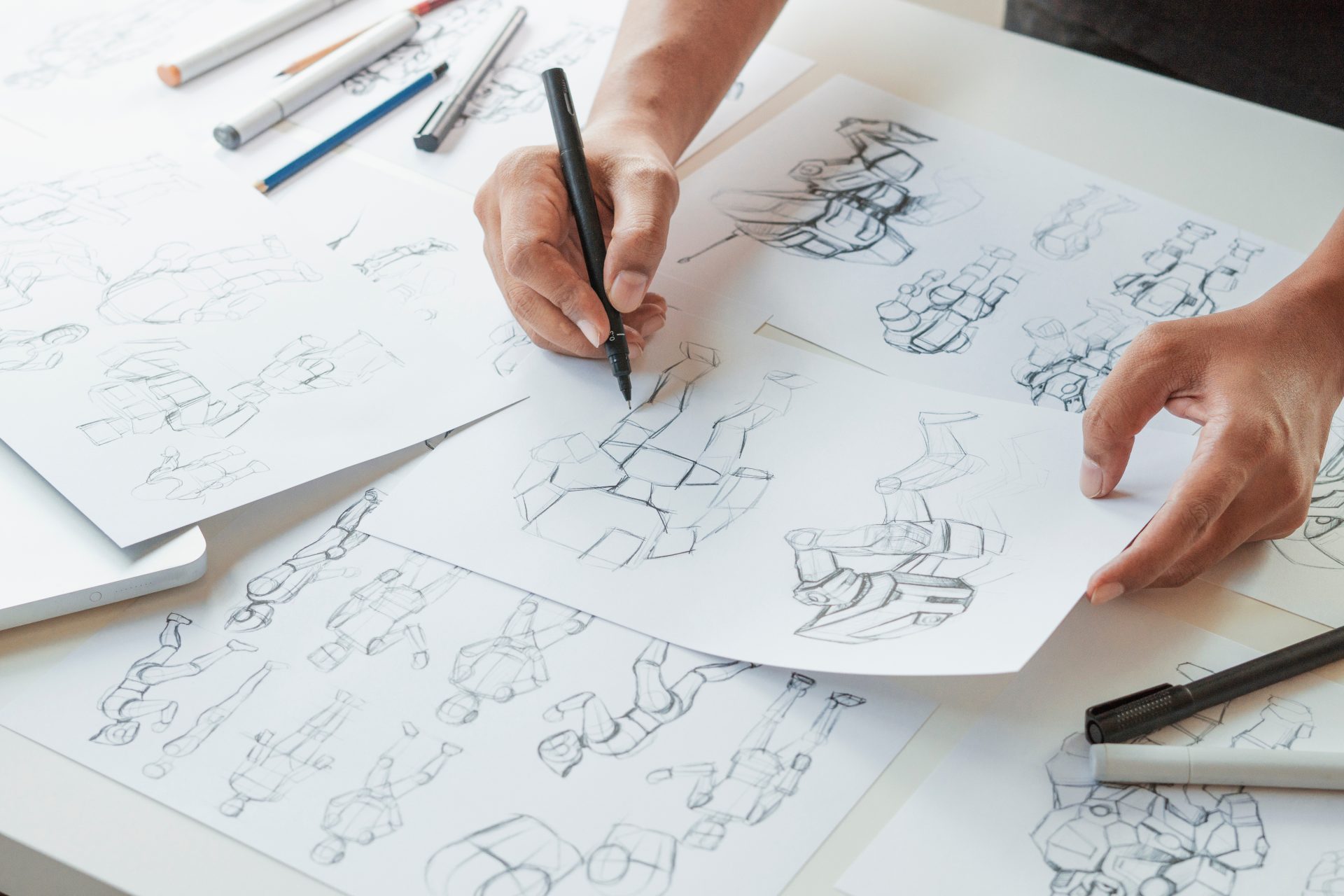
Early animators drew each pose by hand, often tracing the previous image to maintain continuity. A backlit surface helped artists see earlier drawings and create smoother movement. Émile Cohl’s 1908 film Fantasmagorie used this method across roughly 700 hand-drawn images. Winsor McCay pushed the process further with Gertie the Dinosaur in 1914. He drew more than 1,000 frames and gave the character distinct reactions, creating a stronger sense of personality and narrative.
The history of animation shows how each technical change solved a practical production problem. Optical toys created the illusion of motion, hand-drawn frames introduced character action, and cel animation reduced repeated background work. These steps established the production logic that later digital workflows adapted.
Why Cel Animation Changed Production
Cel animation used transparent celluloid sheets, known as cels. Artists painted characters and moving objects on separate cels, then placed them over a fixed background before photographing the composition.
This separation reduced the need to redraw unchanged scenery. A background could stay in place while a character moved across it, saving time and keeping scenes visually consistent.
Production also became more specialized. One artist could create rough poses, another could refine the drawings, and painters could transfer final artwork onto cels. Camera operators then photographed each setup according to the exposure plan.
The Role Of Timing And Camera Planning
Hand-drawn animation depended on timing charts that indicated how drawings should change across frames. Animators planned slow movement, quick action, pauses, and repeated cycles before the camera recorded the artwork.
A multiplane camera added depth by placing artwork on separate glass levels. Each level could move independently, allowing foreground objects, characters, and backgrounds to travel at different speeds.
These methods required physical coordination. A small shift in registration, paint, or camera placement could create unwanted flicker. Quality control therefore happened throughout production, rather than after every scene reached final photography.
The Shift To Digital Production
Digital tools first entered traditional workflows as support systems. Studios scanned drawings, added color on computers, arranged layers digitally, and controlled camera movement without photographing every painted cel.
This hybrid process kept hand-drawn artwork while reducing repeated manual tasks. Artists could correct a color, move a layer, or revise a camera position without rebuilding the entire shot.
By the late 1990s and early 2000s, many studios had moved to fully digital pipelines. Drawings became digital files, and production teams handled layout, cleanup, coloring, compositing, and export within connected software workflows.
How CGI Changed The Image-Making Process
Computer-generated imagery introduced a different production model. Artists built three-dimensional forms, assigned surfaces, placed lights, and calculated movement through digital scenes.
Early CGI appeared in short films, commercials, and visual effects before supporting full-length animated stories. Rendering systems converted scene data into finished images, while computers handled lighting, shadows, depth, and camera movement.
The process changed the tasks artists performed. Instead of redrawing every view of a character, artists could adjust a digital model, rig its movement, and render new shots from different angles.
What Digital Workflows Retain
Digital production removes many physical steps, but it still relies on traditional animation principles. Timing determines how movement reads, spacing controls speed, and staging directs attention within each frame.
Storyboards still establish shot order before detailed production begins. Layout artists still plan composition, and animators still refine poses to communicate weight, emotion, and intent.
The major difference is revision control. Digital files allow teams to store versions, compare changes, and update multiple layers without damaging the original artwork. That flexibility shortens correction cycles and supports more complex scenes.
Conclusion
The move from hand-drawn cels to digital workflows changed how animation is produced, stored, revised, and rendered. It did not replace drawing, timing, or visual judgment. Those principles still guide every successful shot, whether artists work with paper, two-dimensional files, or three-dimensional models. Anyone studying animation should compare an early cel sequence with a modern digital scene, then identify how timing, layering, and camera movement solve the same storytelling problems through different tools.
To read more content like this, explore The Brand Hopper
Subscribe to our newsletter