
Last Updated on August 24, 2026 by Team TBH
Blackstone Group is the world’s largest alternative asset manager — a firm so dominant in private equity, real estate, credit, and infrastructure that its $1.27 trillion in assets under management (AUM) as of end-FY2025 exceeds the GDP of most nations. Yet this position of strength does not mean an absence of competition. The alternative asset management industry — spanning private equity, private credit, infrastructure, real estate, and hedge funds — has undergone a dramatic transformation that has produced formidable challengers from every direction.
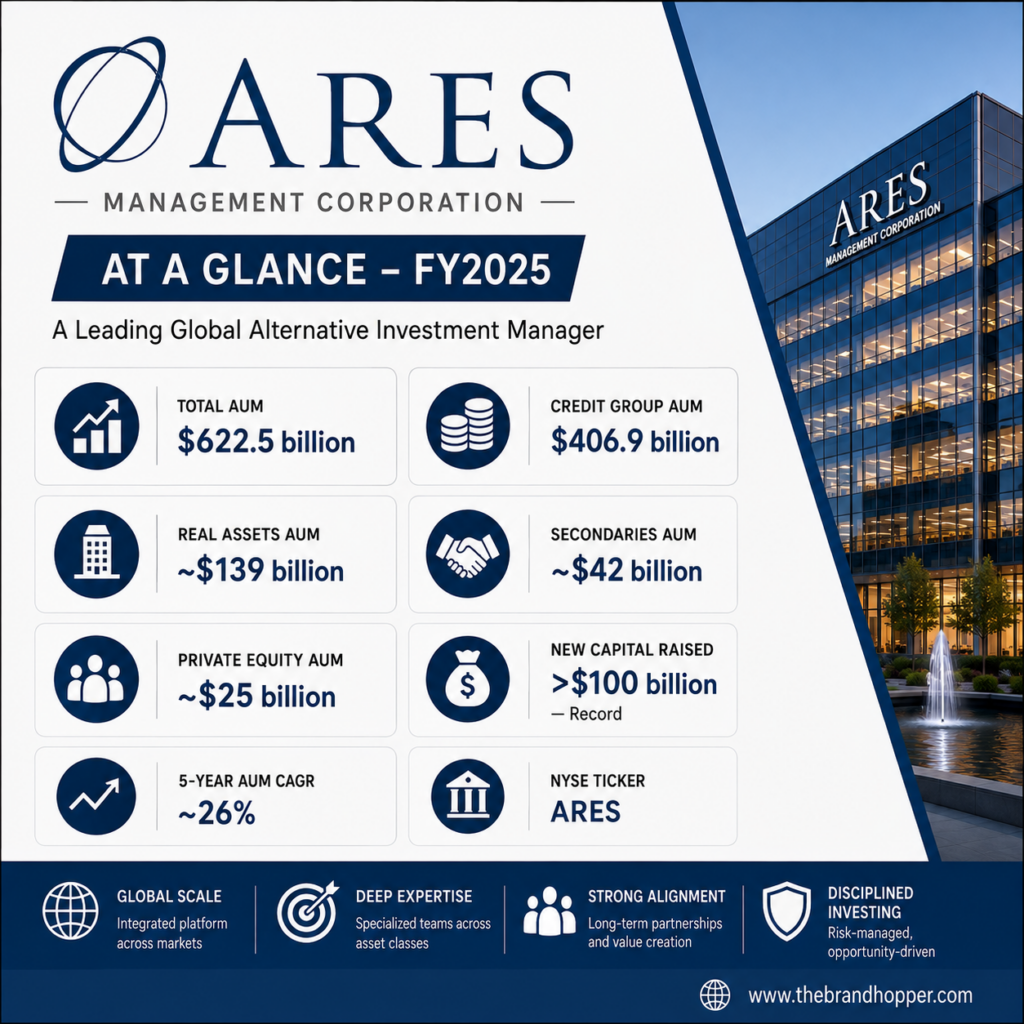
Global total private market assets have grown from roughly $1 trillion in 2004 to over $13 trillion by 2025 — and that growth has funded a new generation of rivals. Some challengers match Blackstone’s AUM (Apollo at $1.2 trillion, Brookfield at $1.2 trillion). Others, like Ares Management ($622.5 billion), have grown faster in percentage terms over the past five years. And in an era of capital abundance, sovereign wealth funds from Saudi Arabia (PIF at ~$906 billion) and Singapore (GIC at $936 billion) now compete directly with private equity firms for the world’s most attractive assets.
This analysis profiles Blackstone’s most significant competitors — with verified AUM data from official FY2025 earnings releases and annual reports — organized by competitive tier and strategic focus, with a clear-eyed assessment of what makes each one a genuine threat.

Section A: Global Alternative Asset Management Giants
These four firms compete with Blackstone across virtually every major asset class and geography. Each manages over $400 billion in AUM, each is publicly listed, and each has its own multi-strategy platform that directly mirrors Blackstone’s architecture. The competition here is fierce, constant, and multi-dimensional.
1. KKR (Kohlberg Kravis Roberts)
Website: www.kkr.com
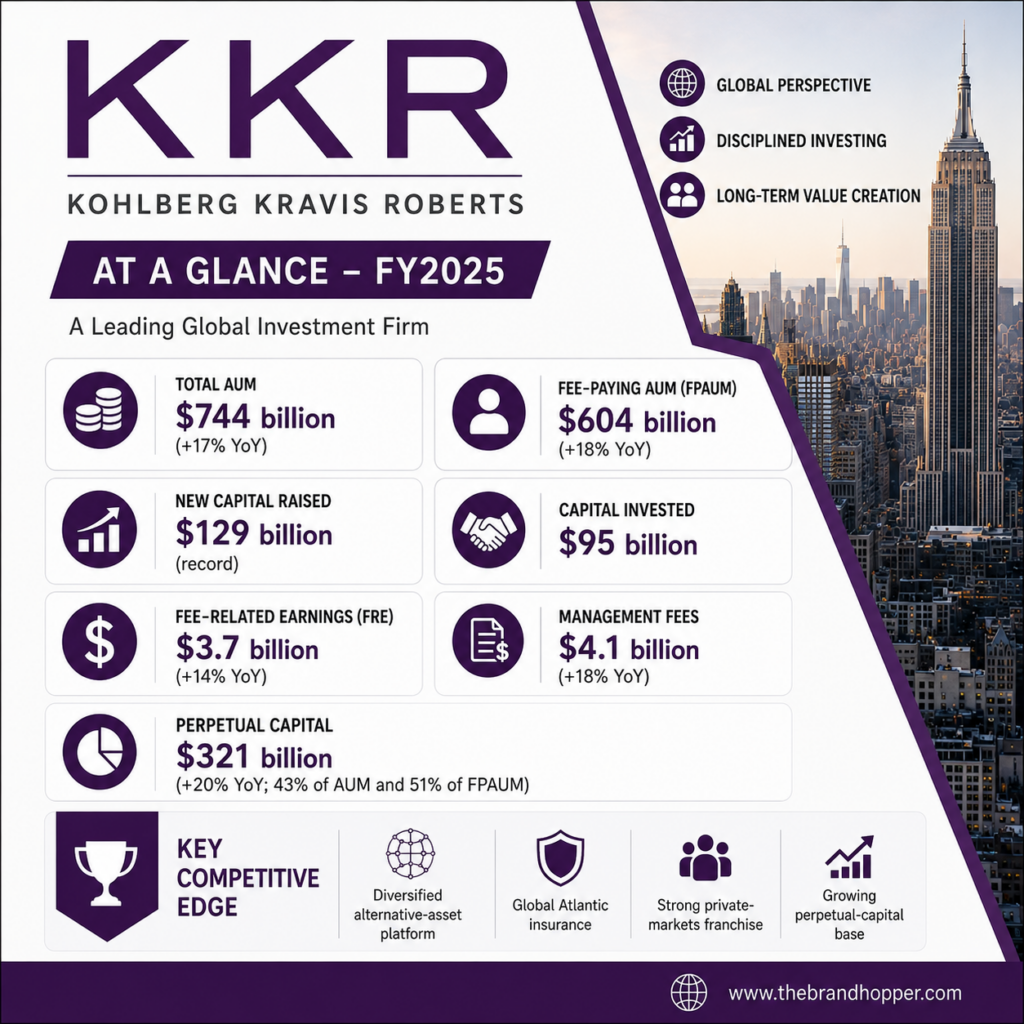
KKR, founded in 1976 by Jerome Kohlberg, Henry Kravis, and George Roberts, is one of Blackstone’s most significant global competitors. The firm pioneered the modern leveraged buyout and has since evolved into a diversified global investment platform spanning private equity, credit, infrastructure, real estate, and other alternative investments. As of FY2025, KKR had approximately $744 billion in total AUM, including $604 billion of fee-paying AUM, while perpetual capital stood at approximately $321 billion. Management fees reached approximately $4.1 billion, representing 18% year-over-year growth.
In FY2025, KKR raised a record $129 billion in new capital and invested approximately $95 billion, reflecting the continued expansion of its global investment platform. Fee-Related Earnings increased 14% to approximately $3.7 billion, demonstrating the growing scale and resilience of KKR’s recurring, fee-based earnings base. KKR has expanded significantly across infrastructure, credit, insurance through Global Atlantic, and wealth-management channels, strengthening its position across multiple alternative-investment markets and increasingly positioning the firm as a direct competitor to Blackstone across several major growth areas.
2. Apollo Global Management
Website: www.apollo.com
3. The Carlyle Group
Website: www.carlyle.com
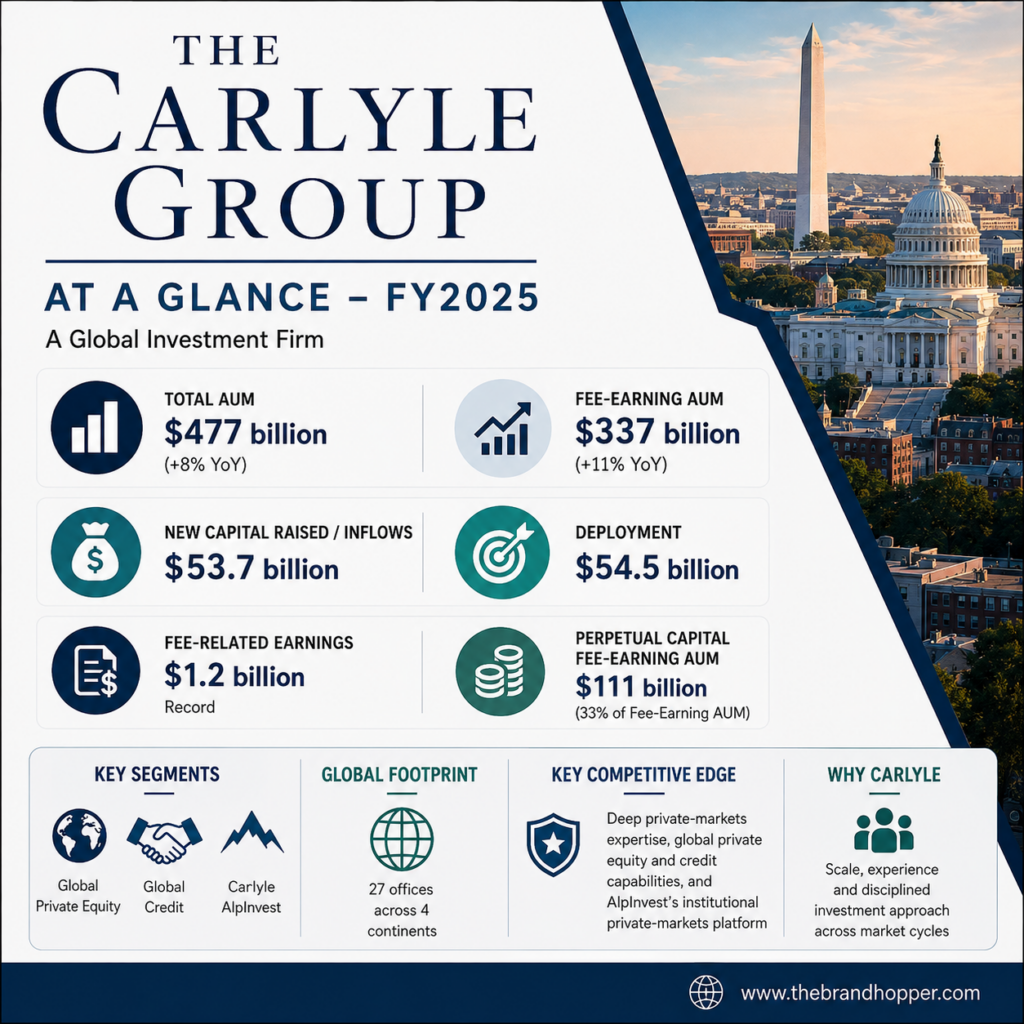
The Carlyle Group achieved record assets under management of $477 billion in FY2025, with fee-earning AUM increasing 11% to $337 billion. The firm generated $53.7 billion of inflows during the year and deployed approximately $54.5 billion of capital, reflecting continued momentum across its investment platform. Carlyle’s three core businesses—Global Private Equity, Global Credit, and Carlyle AlpInvest—continued to expand, supported by growth in both traditional and perpetual-capital strategies.
Carlyle’s competitive positioning is supported by its global private-markets platform, deep sector expertise, and longstanding relationships with institutional investors and companies. With 27 offices across four continents and more than 2,500 employees, Carlyle combines global investment capabilities with local market knowledge. The firm’s heritage in private equity, credit, aerospace and defense, and other specialized sectors, together with the institutional private-markets capabilities of AlpInvest, provides differentiated sourcing and investment expertise across global markets.
4. Brookfield Asset Management
Website: www.brookfield.com
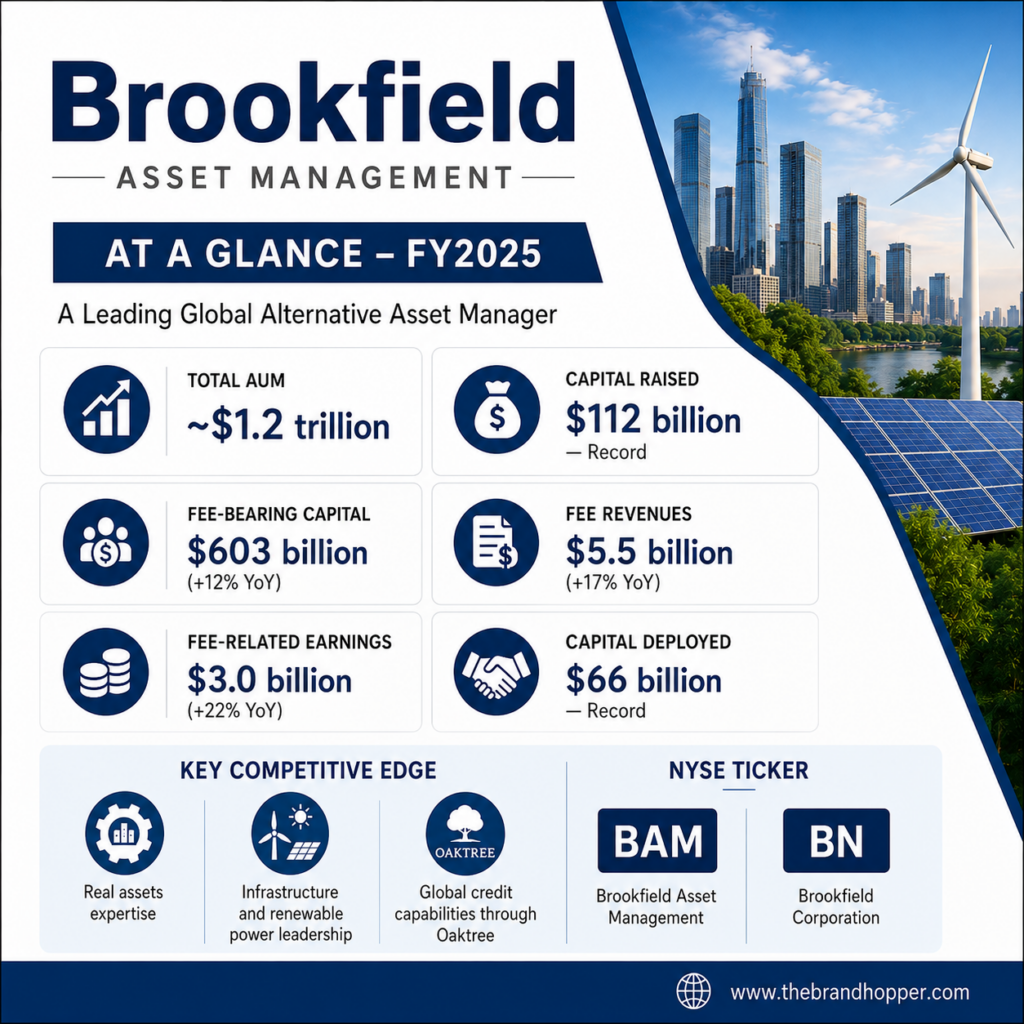
Brookfield Asset Management is one of Blackstone’s principal competitors in real assets and a major global alternative asset manager. As of FY2025, Brookfield Asset Management had approximately $1.2 trillion in AUM, placing it among the world’s largest alternative investment platforms. The firm raised a record $112 billion in capital during FY2025, including strong fundraising across its flagship strategies. Fee revenues reached approximately $5.5 billion, while Fee-Related Earnings rose to a record $3.0 billion.
Brookfield’s competitive advantage in real assets is rooted in its combination of investment, operating and development expertise. Rather than simply acquiring infrastructure and renewable-energy assets, Brookfield has extensive capabilities to develop, operate and optimize businesses across renewable power, infrastructure, data centers, real estate and energy transition. This operating orientation can create additional value through asset improvement, development and active management. Brookfield’s platform is further strengthened by Oaktree Capital Management, which Brookfield acquired a majority interest in beginning in 2019 and subsequently increased to approximately 62% ownership, providing complementary global expertise across credit, distressed debt and alternative credit strategies.
Section B: Fast-Rising Challengers
These four firms are growing faster than Blackstone in percentage terms, have established dominant positions in specific asset classes or geographies, and increasingly compete for the same institutional and retail capital pools. Each represents a distinct competitive threat model.
5. Ares Management Corporation
Website: www.aresmgmt.com
6. EQT Partners
Website: eqtgroup.com
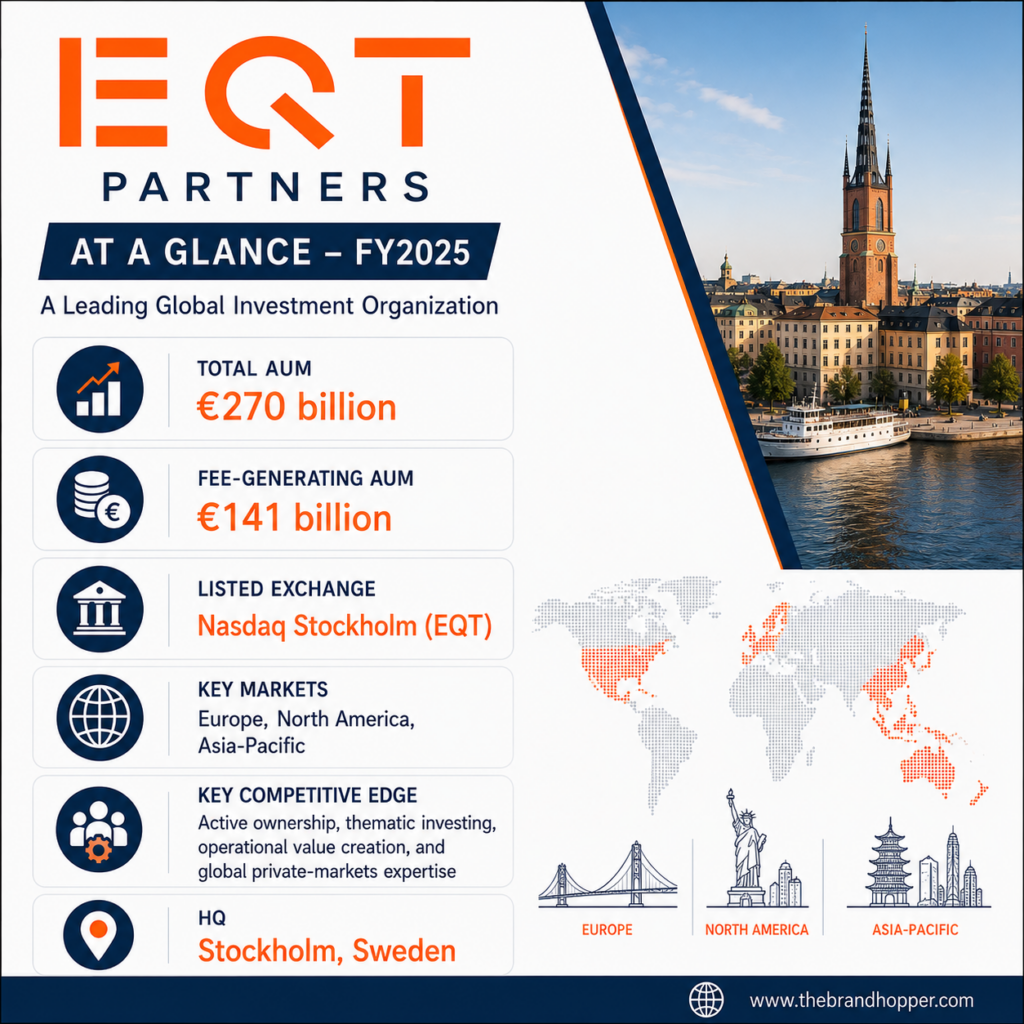
EQT, the Stockholm-headquartered investment firm founded in 1994, is one of Europe’s leading private-markets managers and a significant competitor to Blackstone across private equity, infrastructure and real assets. As of December 31, 2025, EQT had approximately €270 billion in total AUM, including €141 billion of fee-generating AUM. EQT’s investment approach is built around active ownership, thematic investing and operational value creation, with sustainability integrated into its investment processes and portfolio management.
EQT increasingly uses data, technology and AI-enabled capabilities across investment sourcing, due diligence, portfolio monitoring and value creation, supported by its broader digital and operational expertise. Its global platform spans Europe, North America and Asia-Pacific, with investment strategies covering private equity, infrastructure, real estate and other real assets. BPEA EQT, EQT’s Asia-Pacific private-equity platform, provides substantial exposure to Asian markets, while the firm’s infrastructure and real-assets strategies position it as a direct competitor to Blackstone across several major private-markets categories.
7. TPG Capital
Website: www.tpg.com
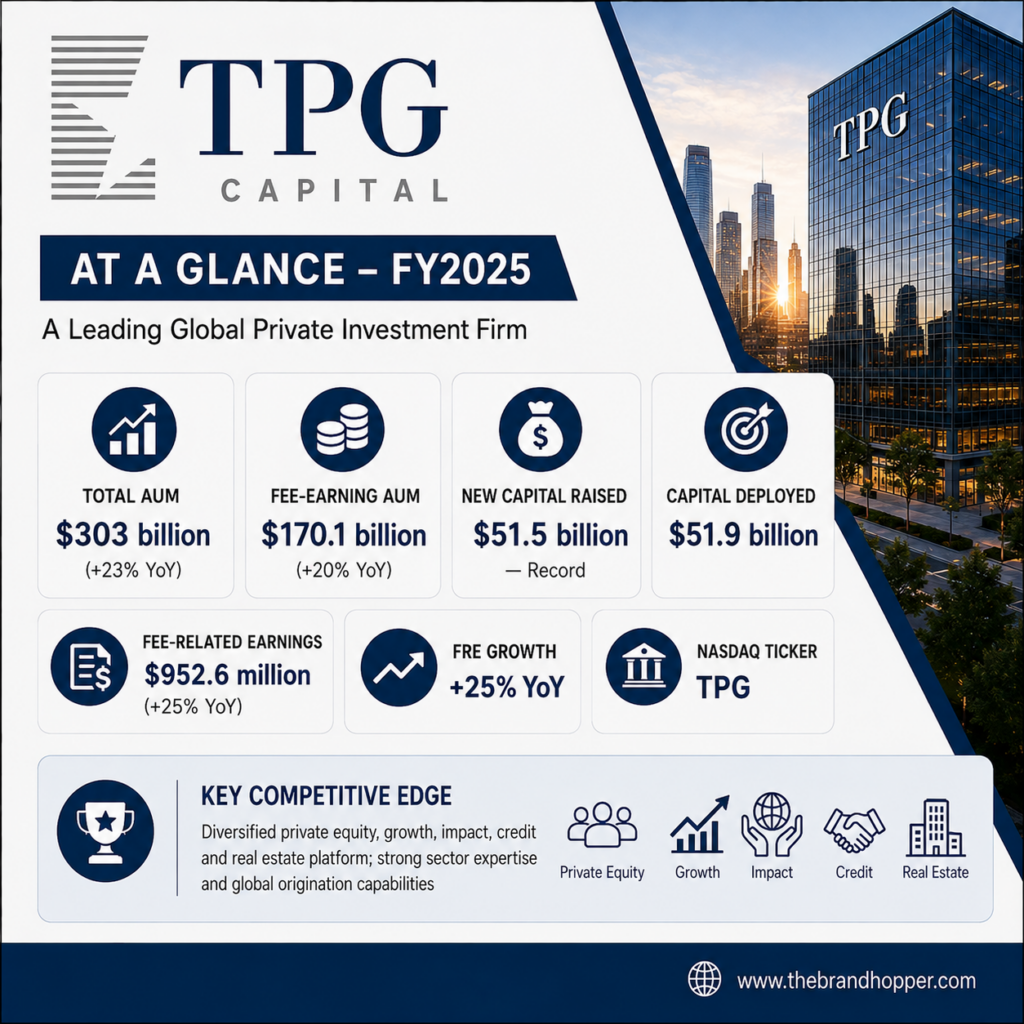
TPG, founded in 1992 by David Bonderman and James Coulter, has evolved from a private-equity firm into a diversified global alternative asset manager spanning private equity, growth, impact, credit, real estate and market solutions. In FY2025, TPG’s total AUM reached $303 billion, up 23% year over year, supported by $51.5 billion of new capital raised and continued investment activity across its platform. Fee-earning AUM increased 20% to $170.1 billion, while Fee-Related Earnings rose 25% to approximately $953 million, reflecting continued growth in TPG’s recurring fee-based earnings.
TPG competes with Blackstone across several areas, including healthcare, technology, growth investing, impact investing, credit and real estate. Its healthcare and technology capabilities provide specialized sector expertise, while The Rise Fund is a prominent impact-investing platform focused on investments that seek measurable positive social and environmental outcomes alongside financial returns. TPG’s diversified platform and strong AUM growth have strengthened its position among the world’s leading alternative asset managers, although Blackstone remains substantially larger in overall scale.
8. CVC Capital Partners

Website: www.cvc.com
CVC Capital Partners, one of Europe’s leading private-markets firms, traces its origins to Citicorp’s European investment business and became an independent publicly listed company following its 2024 IPO on Euronext Amsterdam. As of December 31, 2025, CVC had €205 billion in AUM, with €148 billion of fee-paying AUM. In FY2025, management fees increased 9% to €1.5 billion, while EBITDA rose 13% to €1.1 billion. CVC generated €23 billion of gross inflows across its Institutional, Private Wealth and Insurance channels and achieved a record €21.9 billion of realisations, at highly attractive gross returns. Credit, Secondaries and Infrastructure grew strongly and together represented more than half of total FPAUM at year-end.
CVC’s competitive strengths are rooted in its longstanding European private-equity heritage, global investment network and increasingly diversified private-markets platform. The firm operates across seven complementary strategies, including Private Equity, Credit, Secondaries and Infrastructure, and its network and deep client relationships provide a broad origination and fundraising base. CVC has also expanded significantly through its Private Wealth and Insurance channels, alongside its established institutional franchise. Following its 2024 IPO, CVC has become a more visible publicly listed global private-markets manager, strengthening its ability to compete for institutional and private-wealth capital alongside firms such as Blackstone.
Section C: Credit & Real Estate Specialists
These firms compete with specific divisions of Blackstone’s business — primarily its credit, real estate, and distressed investment platforms. While smaller than Blackstone overall, they often outcompete it within their chosen niches through deeper expertise, more flexible mandates, or stronger track records in specific market segments.
9. Oaktree Capital Management
Website: www.oaktreecapital.com
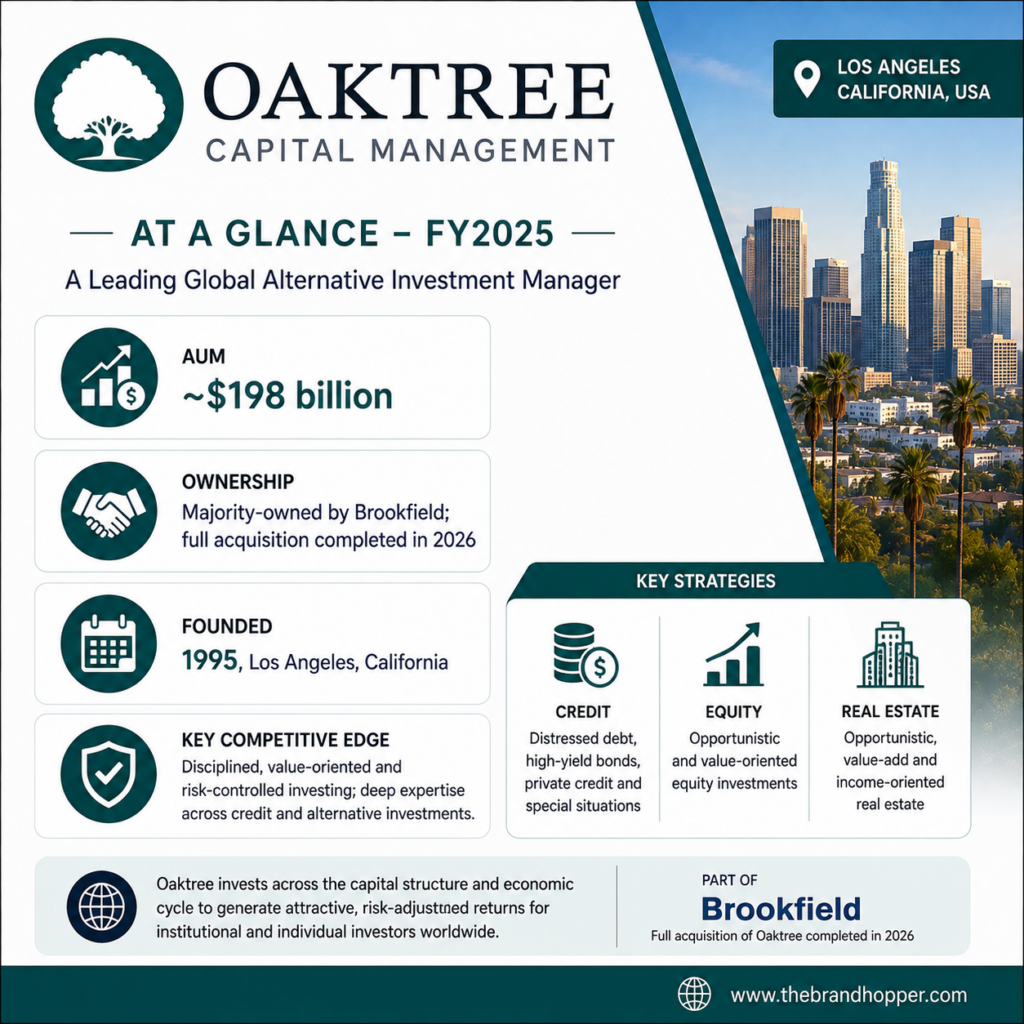
Oaktree Capital Management, founded in 1995 by Howard Marks, Bruce Karsh and a group of other investment professionals, is a leading global investment manager specializing in alternative investments, with a particular focus on credit. As of December 31, 2025, Oaktree had approximately $198 billion in assets under management. Brookfield Asset Management has been Oaktree’s majority owner since 2019, and Brookfield increased its ownership to approximately 62% in 2022. Oaktree retains its distinct investment philosophy centered on risk control, disciplined value investing, patient capital deployment and a deep understanding of credit cycles.
Oaktree competes with Blackstone across credit, distressed debt, special situations and other alternative-credit strategies, drawing on decades of experience investing through different market cycles. Its platform spans credit, distressed debt, private debt, high-yield bonds, leveraged loans, real estate and other alternative investments, with a particular reputation for disciplined, value-oriented credit investing. As part of Brookfield’s broader platform, Oaktree’s credit capabilities complement Brookfield’s strengths in infrastructure, renewable power, real estate and other real assets, creating a diversified global investment platform with significant capabilities across both real assets and alternative credit.
10. Starwood Capital Group

Website: www.starwoodcapital.com
Starwood Capital Group, founded by Barry Sternlicht in 1991, is a leading global private investment firm focused primarily on real estate. The firm manages more than $115 billion in assets under management, with investments spanning real estate, infrastructure, energy and related credit and securities strategies. Starwood competes with Blackstone across real estate, particularly through its expertise in hospitality, residential, office, industrial, infrastructure and opportunistic real estate investing, supported by a long track record of investing across multiple market cycles.
Starwood’s competitive strength is rooted in its specialized real estate expertise, vertically integrated operating capabilities and focus on complex and opportunistic transactions. The firm has extensive experience across hospitality and other real estate sectors and has built a global platform capable of pursuing investments throughout different stages of the real estate cycle. Its Starwood Real Estate Income Trust (SREIT) provides individual investors with access to a diversified private real estate portfolio and represents an important component of Starwood’s private-wealth strategy, positioning it alongside Blackstone’s BREIT in the growing market for private real estate investment vehicles.
11. HPS Investment Partners (Now Part of BlackRock)
Website: www.hpspartners.com
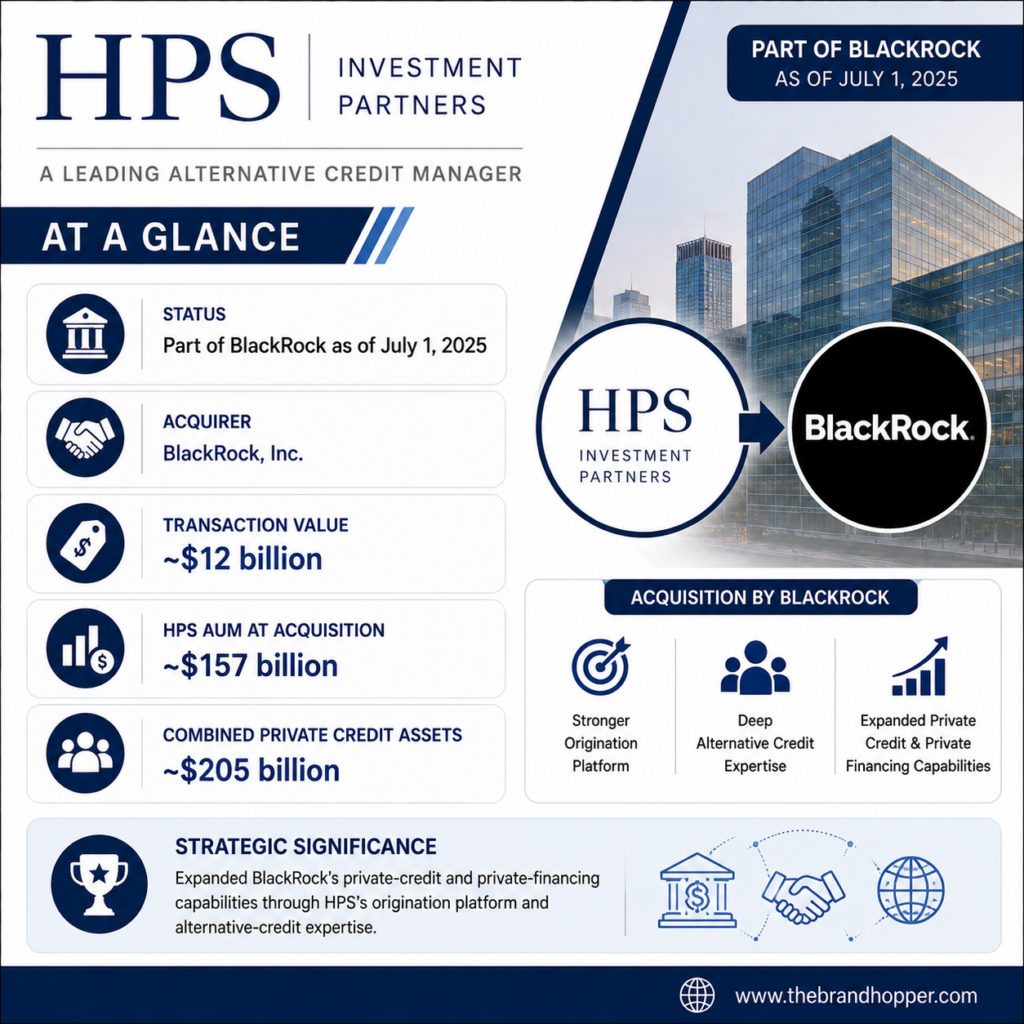
HPS Investment Partners was a leading global credit-focused alternative investment manager before being acquired by BlackRock, with approximately $157 billion of AUM as of March 31, 2025. BlackRock completed its acquisition of HPS on July 1, 2025, in a transaction valued at approximately $12 billion, with the consideration paid entirely in BlackRock equity. HPS brought capabilities across private credit, privately negotiated senior and junior capital, liquid credit, asset-based finance and real estate, strengthening BlackRock’s position across private financing markets.
The acquisition significantly expanded BlackRock’s private-markets capabilities and created Private Financing Solutions (PFS), combining HPS’s credit and origination capabilities with BlackRock’s existing private-markets, public fixed-income and GP/LP solutions. The combined platform was established with approximately $370 billion in client assets, including $205 billion of private credit assets. This gives BlackRock a substantially broader presence in private credit and financing solutions and increases competitive pressure on established private-credit leaders such as Blackstone, while also reinforcing the broader convergence of public and private markets.
12. Lone Star Funds

Website: lonestarfunds.com
Lone Star Funds, founded by John Grayken in 1995, is a global investment firm focused on private equity, credit and real estate. Since establishing its first fund, Lone Star has organized 26 funds with approximately $96 billion in aggregate capital commitments. The firm has built its investment platform around value investing, disciplined underwriting and identifying opportunities created by complexity, financial distress and market dislocation across global markets.
Lone Star competes with larger alternative asset managers across opportunistic real estate, distressed and stressed credit, residential mortgage assets and private equity. Its competitive strength comes from its value-oriented investment approach, deep experience navigating market cycles, speed and certainty of execution, and operational capabilities for complex investments. The firm’s credit strategy includes stressed and distressed corporate loans, capital solutions, special situations and residential mortgage investments, while its real estate strategy targets both debt and equity opportunities, including distressed real estate assets
Section D: Sovereign Wealth Funds and State-Backed Capital
The most structurally significant shift in alternative asset management competition over the past decade has been the emergence of sovereign wealth funds and state-backed investors as direct competitors — not merely as limited partners — in the global race for private assets. Armed with permanent capital, no liquidity constraints, and patient investment horizons measured in decades rather than years, these entities compete with Blackstone on fundamentally different terms.
13. Public Investment Fund (PIF) — Saudi Arabia
Website: www.pif.gov.sa/en/
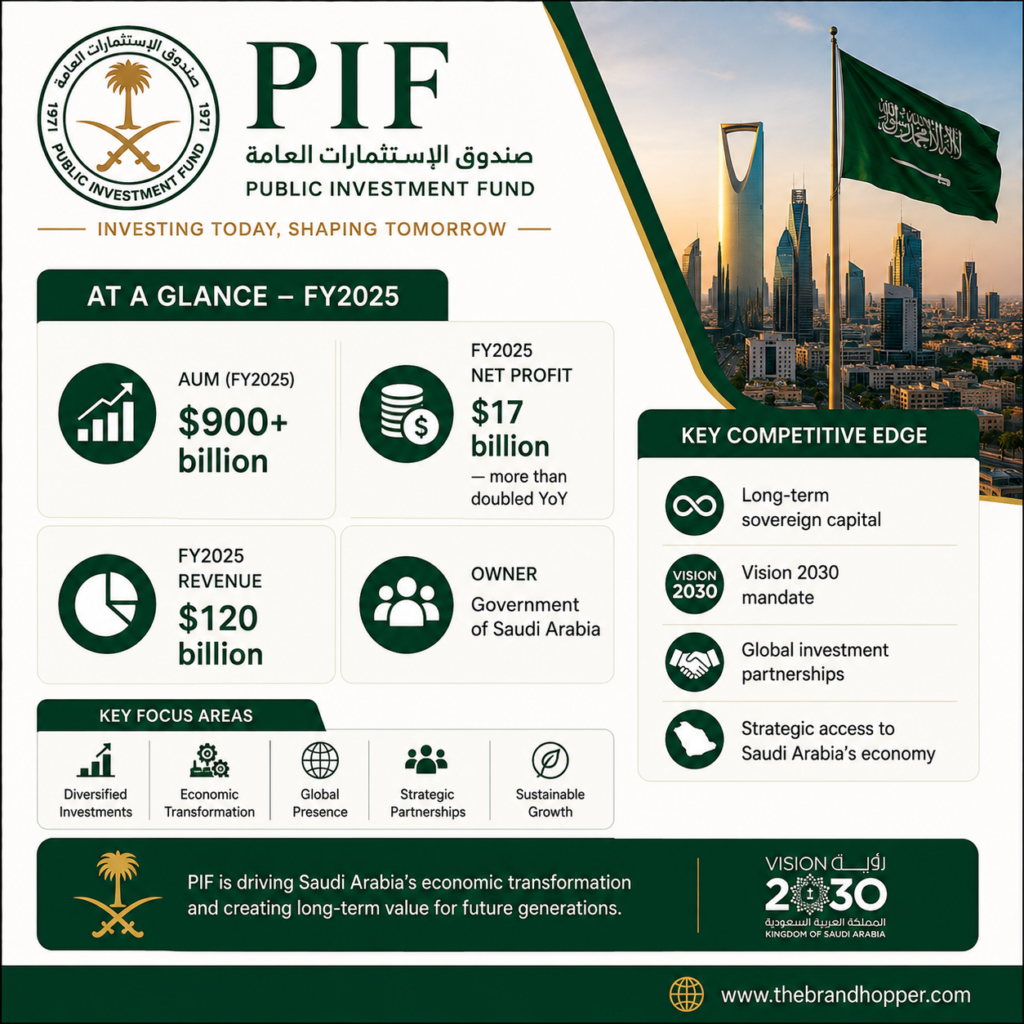
Saudi Arabia’s Public Investment Fund (PIF) has emerged as one of the world’s most significant sovereign investors, with more than $900 billion in assets under management as of FY2025. In 2025, PIF’s revenue increased 9% to $120 billion, while net profit more than doubled to $17 billion. The fund has evolved into a globally integrated investment institution with a diversified portfolio spanning strategic domestic sectors and international investments, while maintaining its central mandate of supporting Saudi Arabia’s economic transformation and generating sustainable long-term returns.
PIF competes for global investment opportunities across technology, infrastructure, real estate, energy, financial services and private equity, using direct investments, strategic partnerships, co-investments and investments through portfolio companies and external managers. By the end of 2025, PIF had more than 220 portfolio companies and had invested more than $199 billion in new projects in Saudi Arabia since 2021, while its international investments continued to expand, with international investment activity growing 12% in 2025. Its combination of substantial capital, long-term investment horizons, strategic partnerships and the ability to support the development of Saudi Arabia’s rapidly expanding economy gives PIF a distinctive position among global institutional investors.
14. Mubadala Investment Company
Website: www.mubadala.com
15. GIC Private Limited (Singapore)
Website: www.gic.com.sg
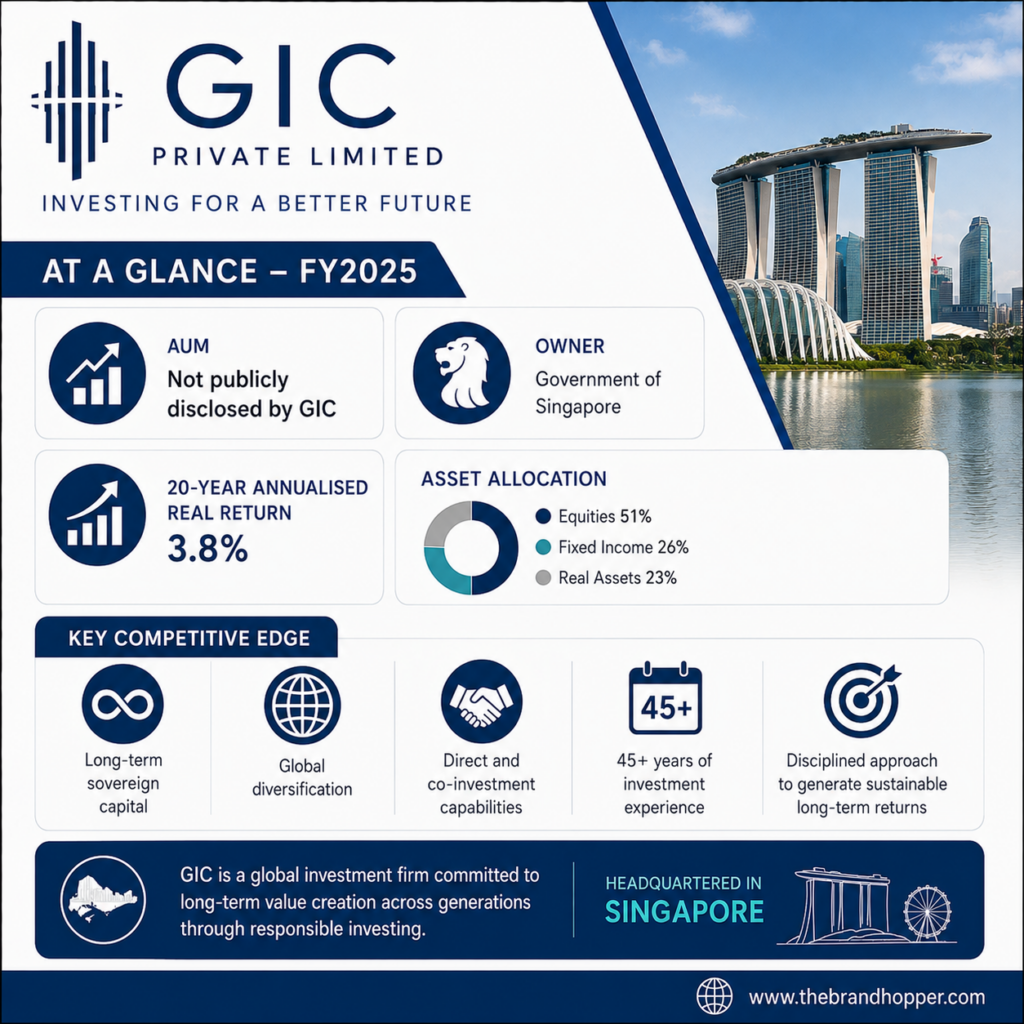
GIC Private Limited, Singapore’s sovereign wealth fund established in 1981 to manage the country’s foreign reserves, is one of the world’s largest global investment institutions. GIC does not publicly disclose a precise AUM figure or a fixed portfolio allocation by asset class and geography; instead, it reports its portfolio through its long-term investment framework and three broad asset classes: equities, fixed income and real assets. GIC invests globally across public and private markets, with exposure to equities, bonds, real estate, infrastructure, private equity, private credit and other alternative investments.
GIC’s competitive relevance to Blackstone stems from its role as both a major institutional investor in private markets and a direct/co-investment investor. The sovereign fund has substantial experience investing alongside leading asset managers and directly into businesses and real assets across global markets, including private equity, infrastructure and real estate. Its long-term investment horizon, permanent capital base and ability to invest without the liquidity constraints faced by many traditional funds give GIC significant flexibility when pursuing long-duration investments. This allows GIC to partner with firms such as Blackstone while also competing for selected private-market opportunities and direct investments.
Notable Asian Competitors: Hillhouse Capital Group and PAG
In Asian markets, Blackstone faces competition from two regionally entrenched firms with deep local networks that global firms find difficult to replicate.
Hillhouse Capital Group
Website: www.hillhouseinvestment.com
Hillhouse Capital Group, founded by Lei Zhang in 2005 after his time at the Yale Endowment, manages over $100 billion in assets with a focus on China, Southeast Asia, and global technology and healthcare investments. Hillhouse’s competitive advantage stems from its extraordinary depth of local market intelligence in China and Southeast Asia, where it has backed foundational companies including Tencent, JD.com, and Meituan — giving it relationships and insights that global firms like Blackstone cannot easily access.
PAG
Website: www.pag.com/en/
PAG (formerly Pacific Alliance Group), managing approximately $50 billion across private equity, real estate, and absolute return strategies, competes with Blackstone across Asia-Pacific markets. PAG’s competitive advantage lies in its extensive network of relationships across Asia-Pacific and its deep operational expertise in key regional sectors. Its ability to execute complex cross-border transactions and navigate local regulatory environments gives it a deal-sourcing advantage over global firms in many Asian markets.
Key Competitive Dynamics in Alternative Asset Management
1. The Race to $1 Trillion AUM — and What Comes After
Until recently, Blackstone alone occupied the $1 trillion AUM threshold in alternative investments. That exclusivity has ended. Apollo crossed $1.2 trillion in FY2025, and Brookfield reached the same milestone. KKR is on trajectory to join this club within 2-3 years at its current 17% annual growth rate. The question is no longer “who can reach $1 trillion” but “what strategic advantages does scale actually confer?” Blackstone’s answer — brand premium, regulatory scale, insurance integration, and retail distribution — is now being systematically replicated by each of its key competitors.
2. Private Credit: The Defining Battleground
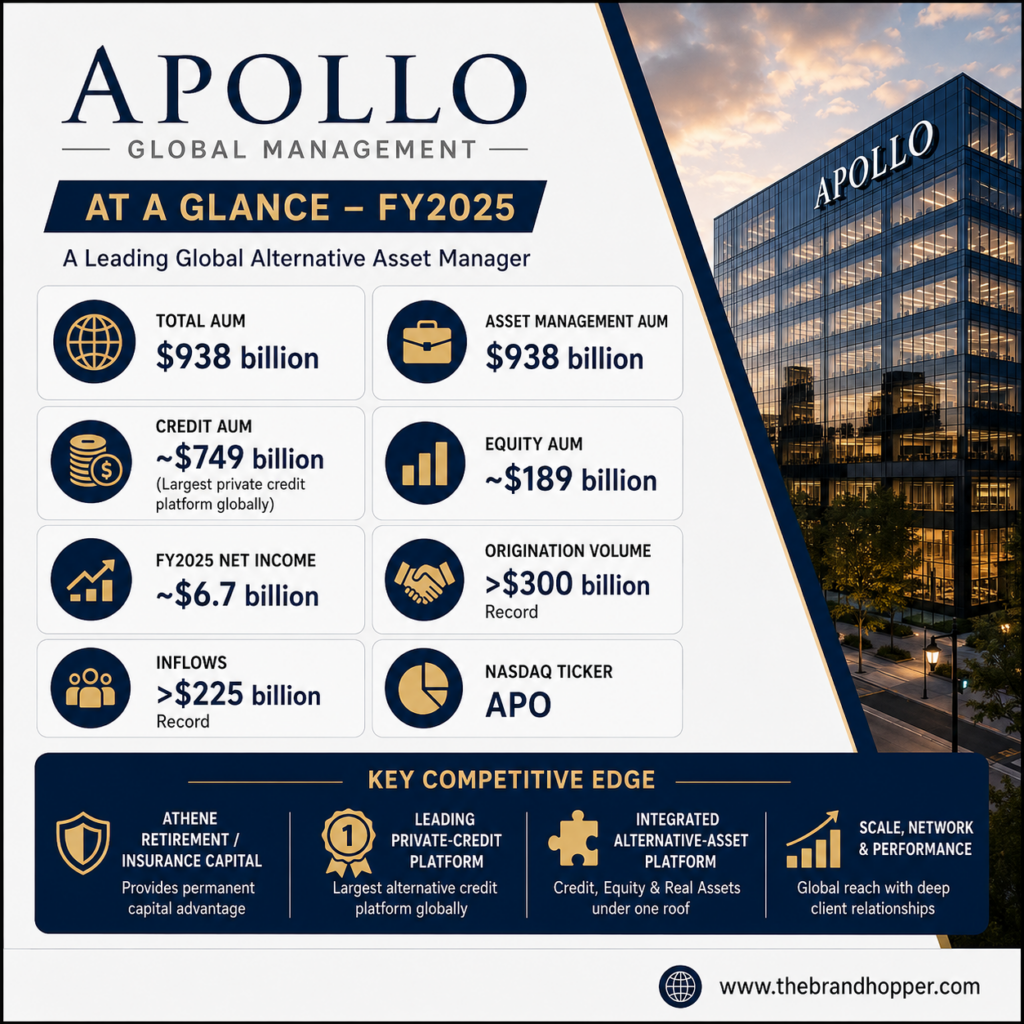
The most important single competitive battleground in alternative asset management is private credit. With bank retrenchment from certain lending markets and institutional demand for yield in a complex rate environment, private credit has grown from a niche to the dominant growth driver across every major alternatives platform. Apollo’s $749 billion credit AUM, Ares’s $406.9 billion Credit Group, and the newly combined BlackRock-HPS platform all represent formidable competitive threats to Blackstone’s own $343 billion Credit & Insurance segment — and each of those competitors is growing its credit AUM faster than Blackstone.
3. Retail Distribution: The New Frontier
Blackstone’s retail distribution innovation — BREIT (Blackstone Real Estate Income Trust) and other wealth management vehicles — has been the firm’s most powerful recent competitive differentiation. With private wealth AUM tripling to $300 billion in five years, Blackstone has opened a channel that competitors are now urgently building. Starwood’s SREIT, Apollo’s Global Wealth Business, and Ares’s wealth management products all represent direct competitive responses. The winner in retail alternatives distribution over the next decade will likely determine who stands atop the industry rankings a generation from now.
4. Sovereign Wealth Funds: From LPs to Direct Competitors
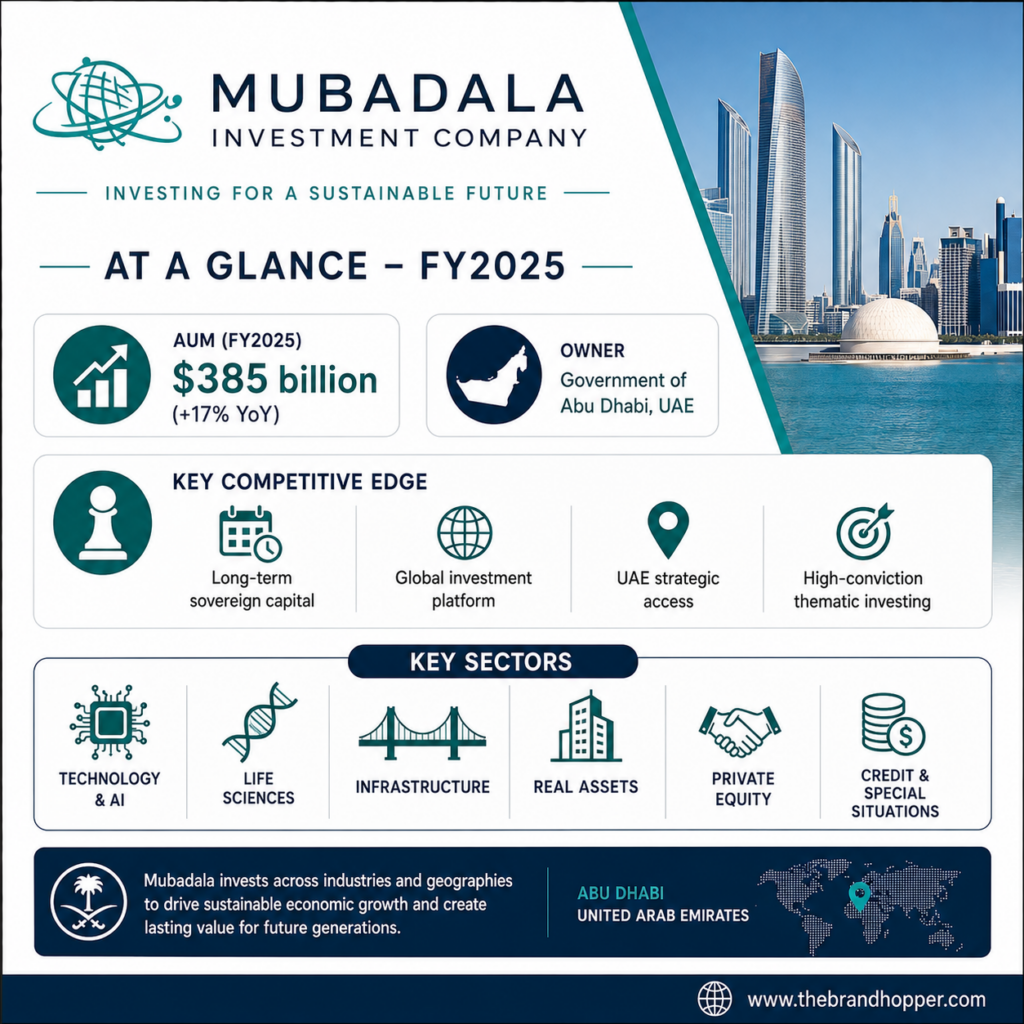
Perhaps the most structurally significant long-term competitive threat to Blackstone is not a rival private equity firm but the growing sophistication of sovereign wealth funds. PIF ($906B AUM), GIC ($936B AUM), and Mubadala ($385B AUM) collectively manage more capital than any private equity firm — with no fee obligations, no fundraising pressure, and investment horizons measured in generations. As they build direct investment capabilities in the same asset classes that Blackstone targets, the competitive pressure on deal sourcing, pricing, and returns in infrastructure, real estate, and private equity will intensify significantly.
Conclusion: The Future of Alternative Asset Management Competition
The competitive landscape facing Blackstone is both more intense and more diverse than at any point in the firm’s four-decade history. Traditional rivals like KKR, Apollo, Carlyle, and Brookfield now manage trillions in assets and directly replicate every strategic initiative Blackstone pioneered. Faster-growing challengers like Ares ($622.5 billion) and TPG ($303 billion, +23% YoY) are closing the scale gap rapidly. Sovereign wealth funds from Saudi Arabia, Singapore, and Abu Dhabi compete for the same global assets with structural capital advantages that no private equity firm can match.
Yet Blackstone’s position remains fundamentally strong: its $300+ billion private wealth platform (three times larger than five years ago), its brand recognition, its fee-earning AUM growth trajectory (+11% in FY2025), and its record $14.45 billion in revenues all point to a business with deep structural competitive advantages. The firms that will challenge it most successfully over the next decade are those that combine investment performance with distribution innovation, technology capability, and sustainability leadership — exactly the same dimensions where Blackstone itself continues to invest most aggressively.
Frequently Asked Questions (FAQs)
Q: Who is Blackstone’s biggest competitor?
A: Blackstone’s closest competitors by total AUM are Apollo Global Management ($1.2 trillion AUM, FY2025) and Brookfield Asset Management ($1.2 trillion AUM, FY2025) — both of which have matched Blackstone’s scale. KKR ($744 billion) is Blackstone’s most historically comparable rival across private equity strategies. In specific categories, Ares Management ($622.5 billion) is the dominant competitor in credit, while Starwood Capital competes directly in real estate. In sovereign capital terms, GIC ($936 billion) and PIF ($906 billion) manage comparable or larger pools with permanent capital advantages.
Q: What is Blackstone’s AUM?
A: Blackstone reported record total assets under management of $1.27 trillion as of the end of FY2025 — representing 13% growth year-over-year. Fee-Earning AUM grew 11% to $921.7 billion. The firm generated total revenues of $14.45 billion in FY2025 (+9% YoY) with management and advisory fees of $8.08 billion (+12%). Blackstone’s private wealth AUM surpassed $300 billion — triple its level five years prior — and its Credit & Insurance segment manages $343 billion. Source: Blackstone FY2025 Earnings Release, blackstone.com.
Q: What is alternative asset management?
A: Alternative asset management refers to the investment of capital into ‘alternative’ assets — assets other than traditional publicly traded stocks and bonds. The main alternative asset classes managed by firms like Blackstone include: private equity (buying and improving private companies), private credit (lending to businesses outside the banking system), real estate (commercial, residential, industrial property), infrastructure (airports, energy networks, data centers), and hedge funds. Alternative asset managers typically charge a management fee (often 1.5–2% of AUM) and a performance fee (‘carried interest,’ typically 20% of profits above a hurdle rate), which can generate extremely large profits when investments perform well.
Q: How does Blackstone compare to KKR?
A: Blackstone and KKR are the two most closely compared private equity firms globally. Key differences: (1) Scale: Blackstone manages $1.27 trillion vs. KKR’s $744 billion — but both are growing rapidly; (2) Real estate: Blackstone’s real estate platform (~$336B AUM) is the largest in the world; KKR’s is smaller; (3) Insurance: KKR’s Global Atlantic provides ~$150B in permanent capital; Blackstone’s insurance segment manages $343B total; (4) Asia: KKR has historically had deeper Japan/Korea penetration; Blackstone has been more active in India; (5) Retail: Both have major retail distribution platforms targeting individual investors. Both firms report similar performance metrics and valuations, making them frequent direct comparisons in investor research.
Q: What happened to HPS Investment Partners?
A: HPS Investment Partners was acquired by BlackRock, the world’s largest asset manager by total AUM, in a transaction that closed on July 1, 2025 for approximately $12–14.4 billion in BlackRock stock. HPS had approximately $157 billion in credit assets under management at the time of acquisition. The deal combined BlackRock’s established public market capabilities with HPS’s private credit expertise, creating a $190+ billion private credit platform and a formidable new competitor to Blackstone in the private credit space. HPS’s website (hpspartners.com) and brand remain operational as a division of BlackRock.
Q: Is Blackstone bigger than Goldman Sachs Asset Management?
A: Blackstone ($1.27 trillion AUM) specifically manages alternative assets — private equity, real estate, credit, and infrastructure. Goldman Sachs Asset Management (GSAM) manages both traditional and alternative assets, with total AUM of approximately $3.1 trillion as of FY2025 — but the majority of that is in traditional public market strategies (equities, fixed income). In purely alternative asset categories (private equity, real estate, private credit), Blackstone is the world’s largest manager. In total AUM across all strategies, large traditional managers like Vanguard ($9.3T), BlackRock ($11.5T), and Fidelity exceed Blackstone’s scale dramatically.
Q: How do private equity firms make money?
A: Private equity firms like Blackstone generate revenue through three main streams: (1) Management fees: typically 1–2% of AUM annually, paid by investors to cover firm operating costs — Blackstone earned $8.08 billion in management and advisory fees in FY2025; (2) Performance fees (carried interest): typically 20% of investment profits above a pre-agreed hurdle rate (often 8%), paid only when funds generate gains — this is the primary driver of partner wealth; (3) Realized/unrealized investment gains: from their own balance sheet capital co-invested alongside fund capital. Management fees provide stable recurring revenue; performance fees are the upside that creates the largest fortunes in the industry.
Q: Which private equity firm manages the most assets?
A: Among pure-play alternative asset managers (firms that exclusively manage alternatives rather than also managing public mutual funds), Blackstone ($1.27 trillion AUM) is the largest globally as of FY2025. However, Apollo ($1.2 trillion) and Brookfield ($1.2 trillion) are now at comparable scale. When sovereign wealth funds are included, GIC ($936 billion) and PIF ($906 billion) manage comparable or larger pools of capital — and traditional asset managers like BlackRock ($11.5+ trillion total AUM) or Vanguard ($9+ trillion) manage far more in total AUM, though primarily in public market strategies.
Q: Why are sovereign wealth funds competing with private equity firms?
A: Sovereign wealth funds (SWFs) are government-owned investment vehicles managing a nation’s sovereign reserves or resource revenues. Historically, SWFs were passive investors — primarily buying public stocks and bonds, and occasionally allocating as limited partners to private equity funds. Over the past decade, three structural shifts changed this: (1) Scale: SWFs have grown dramatically — PIF reached $906 billion; GIC reached $936 billion; (2) Capability building: SWFs have hired thousands of investment professionals with PE/infrastructure expertise, reducing their dependency on private equity intermediaries; (3) Return pressure: with low public market returns in certain cycles, SWFs increasingly pursue private market assets directly. The result: SWFs now compete directly with Blackstone for infrastructure, real estate, and private equity deal flow globally.
Q: What is Blackstone’s main business?
A: Blackstone operates across four main business segments: (1) Real Estate: managing ~$336 billion in real estate assets globally — including BREIT, its flagship non-traded REIT for individual investors. Real estate is historically Blackstone’s largest segment by AUM and profits; (2) Private Equity: traditional LBO and growth equity investing across corporates, life sciences, infrastructure, and growth equity; (3) Credit & Insurance: managing $343 billion through Blackstone Insurance Solutions (BIS) and direct lending/credit funds; (4) Multi-Asset Investing: hedge fund solutions. As of FY2025, Credit & Insurance has become the fastest-growing segment by AUM, reflecting the industry-wide surge in private credit demand.
Also Read: The Unparalleled Influence of the Blackstone Group
To read more content like this, subscribe to our newsletter