Last Updated on November 23, 2026 by Team TBH
Stockholm is a city that rewards travellers who take their time exploring. Spread across several islands connected by bridges and waterways, Sweden’s capital combines historic neighbourhoods, modern architecture, waterfront promenades, museums, and lively shopping districts. Whether visiting for a weekend or spending several days discovering the city, there is plenty to experience.
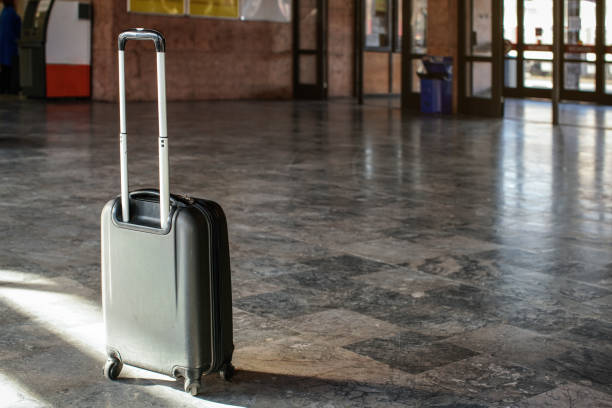
However, travelling around Stockholm can become less convenient when carrying heavy suitcases or backpacks. This is particularly noticeable on arrival and departure days, when hotel check-in and checkout times may not match travel schedules. Planning luggage arrangements in advance can make sightseeing considerably easier.
One practical option is to explore Radical Storage’s Stockholm network, which provides luggage storage locations across different parts of the city. Having access to convenient storage points can help visitors organise their itineraries without needing to return to their accommodation every time they want to collect their belongings.
1. Begin Your Visit in Gamla Stan
Gamla Stan, Stockholm’s historic old town, is one of the most recognisable parts of the city. Its narrow cobbled streets, colourful buildings, small squares, and historic architecture create an atmosphere that feels different from the modern districts nearby.
Visitors can spend several hours walking through its winding streets, browsing independent shops, and stopping at traditional cafés. Stortorget, the neighbourhood’s central square, is particularly popular for photography.
The Royal Palace is another important attraction in the area. Visitors interested in Swedish history can explore its museums and learn about the country’s royal traditions.
Because much of Gamla Stan is best explored on foot, carrying large bags can make the experience uncomfortable. Travellers arriving early may find it useful to arrange luggage storage before beginning their sightseeing.
2. Explore Stockholm’s Museums and Cultural Attractions
Stockholm has an impressive collection of museums covering art, history, science, and popular culture.
The Vasa Museum on Djurgården is among the city’s most notable attractions. It houses a remarkably preserved seventeenth-century warship that sank during its maiden voyage in 1628. The museum provides an opportunity to understand Swedish maritime history through exhibitions and historical displays.
Other attractions worth including in an itinerary are:
- Skansen: An open-air museum showcasing traditional Swedish buildings, crafts, and cultural heritage.
- ABBA The Museum: An interactive attraction dedicated to the internationally recognised Swedish music group.
- Nordiska Museet: A museum exploring Swedish cultural history and everyday life.
- Fotografiska: A photography museum featuring exhibitions from international and emerging artists.
Many museums require visitors to spend several hours exploring their exhibitions. Checking opening times and ticket requirements beforehand can help avoid unnecessary delays.
3. Understand the City’s Neighbourhoods
Stockholm is not a city that can be understood through its historic centre alone. Each neighbourhood offers a different atmosphere, making it worthwhile to explore beyond the main tourist attractions.
Norrmalm is a central district known for shopping streets, restaurants, hotels, and transport connections. It is a convenient starting point for visitors who want easy access to different parts of the city.
Södermalm offers a more relaxed and creative atmosphere. Its independent boutiques, vintage shops, cafés, and scenic viewpoints attract travellers interested in local culture. Monteliusvägen is particularly popular for its views across the city’s waterfront and historic buildings.
Östermalm is known for elegant architecture, shopping areas, and food markets. Visitors can explore Östermalms Saluhall to discover Swedish ingredients, prepared foods, and regional specialities.
Understanding the location of these neighbourhoods can also help when planning practical arrangements such as accommodation, transport, and luggage storage.
4. Plan Luggage Storage Around Your Itinerary
One of the most overlooked aspects of city travel is deciding what to do with luggage between accommodation check-in and checkout times.
For example, someone arriving in Stockholm early in the morning might have several hours before their hotel room becomes available. Similarly, visitors leaving in the evening may need to check out well before their departure.
Carrying suitcases throughout the day can limit mobility, particularly when using public transport or visiting attractions with restrictions on large bags.
Luggage storage services provide an alternative by allowing travellers to leave their belongings at designated locations for a specified period. Radical Storage is one such option, with locations in different parts of Stockholm.
When arranging storage, consider the following:
- Choose a convenient location: Select a storage point close to your arrival station, accommodation, or planned sightseeing area.
- Check operating hours: Make sure the location will be open when you need to collect your belongings.
- Review booking conditions: Understand the pricing, cancellation policy, and applicable luggage protection terms.
- Book according to your schedule: Consider both drop-off and collection times before confirming a reservation.
These small preparations can make a noticeable difference to the overall travel experience.
5. Make the Most of Stockholm’s Public Transport
Stockholm has an extensive public transport system that makes travelling between neighbourhoods relatively straightforward.
The metro, known locally as the Tunnelbana, connects many central districts and residential areas. Several stations also feature distinctive artwork, making the underground network an attraction in its own right.
Buses, commuter trains, trams, and ferries provide additional connections throughout the city.
For visitors, purchasing an appropriate public transport ticket can simplify daily travel. The best option depends on the length of the stay and how frequently different transport services will be used.
Walking is another excellent way to explore central Stockholm. Many attractions are relatively close to one another, particularly around Norrmalm and Gamla Stan. However, distances between islands and neighbourhoods can make public transport useful for longer journeys.
6. Enjoy Stockholm’s Waterfront and Outdoor Spaces
Stockholm’s relationship with water is one of its defining characteristics. Built across numerous islands, the city offers beautiful waterfront views, scenic bridges, and opportunities for boat trips.
A walk along the waterfront near City Hall provides attractive views of the surrounding architecture. Visitors can also explore Djurgården, an island known for its museums, green spaces, and walking paths.
During warmer months, boat tours offer another perspective on the city. Depending on the route, visitors can discover historic buildings, residential waterfronts, and sections of the Stockholm archipelago.
Outdoor exploration is especially enjoyable when travelling light. Comfortable shoes, weather-appropriate clothing, and a small day bag are useful additions to any sightseeing plan.
7. Consider the Best Time to Visit
Stockholm offers different experiences throughout the year.
Summer, particularly June through August, brings longer daylight hours, outdoor dining, festivals, and pleasant conditions for walking. It is also a popular period for tourism, so booking accommodation and major attractions in advance is advisable.
Spring and autumn offer changing scenery and generally fewer summer visitors. These seasons can be suitable for travellers interested in museums, neighbourhood walks, and cultural attractions.
Winter introduces shorter days and colder temperatures, but Stockholm’s historic streets and seasonal decorations create a distinctive atmosphere. Visitors travelling during this period should prepare for low temperatures and potentially slippery walking surfaces.
The ideal season ultimately depends on personal preferences, travel budgets, and the activities included in the itinerary.
Conclusion
Exploring Stockholm becomes easier when sightseeing, transport, accommodation, and luggage arrangements are considered together. From the historic streets of Gamla Stan to the museums of Djurgården and the independent shops of Södermalm, the city offers experiences for different types of travellers.
Planning where to leave luggage, checking public transport connections, and organising attraction visits around opening hours can help make each day more productive. With a little preparation, visitors can spend less time managing practical travel concerns and more time enjoying Stockholm’s architecture, culture, waterfront scenery, and local atmosphere.
To read more content like this, explore The Brand Hopper
Subscribe to our newsletter