
Last Updated on October 13, 2026 by Team TBH
Real Examples: Genoa and Other Cities
These principles are especially visible in cities with layered histories. In Barcelona, skip the crowded Ramblas for Gracia’s small plazas, where locals gather for evening vermouth. In Lisbon, Mouraria and Intendente offer a more authentic atmosphere than tourist-heavy Alfama, while Tokyo’s Yanaka preserves old temples, family homes, and small local bars away from Shibuya’s crowds. Genoa is a particularly strong example. Just 15–20 minutes from the touristy Porto Antico, the medieval Caruggi lead into a lively local world of narrow lanes, small osterias, and neighborhood life. Boccadasse retains its fishing-village character with colorful boats and a pebble beach, while Certosa offers green spaces and street art. Public ascensori and creuze also lead to quiet hilltop viewpoints overlooking the sea.
These neighborhoods transform after the last tour groups depart. Locals reclaim the squares with folding chairs and loud conversation. Independent exploration captures some of it, but the deepest stories and safest nighttime navigation come from true insiders. Many experienced travelers find these hidden layers open fully only with a knowledgeable local companion. In Genoa escort genova provides exactly that bridge to authentic evening experiences most visitors never see.
Why Venturing Off the Beaten Path Matters
More than 80 percent of visitors cluster inside the same small slice of every city. This concentration creates overtourism that erodes the atmosphere people travel to experience. Noise replaces conversation. Prices rise. Locals move away. Historic centers lose their soul under constant foot traffic.
Areas outside the main tourist circuits offer calm and genuine culture instead. You hear church bells echo down empty alleys rather than tour guide speeches. Residents greet each other by name at corner bars. Food tastes bolder because chefs cook for their neighbors. One traveler who switched from Rome’s Trevi Fountain crowds to nearby Trastevere side streets reported three to four times stronger emotional connection and recall months later.
This choice supports small family-run shops, bakeries, and cafes that rarely see international visitors. It spreads economic benefit beyond the usual zones and reduces wear on fragile landmarks. Cities feel richer. Your own journey gains depth that packaged itineraries cannot deliver.
Smart Research Before You Arrive
Preparation starts months before departure and ignores standard TripAdvisor rankings or Google “top 10” lists. Those sources recycle the same overcrowded locations.
Turn instead to city-specific Reddit subreddits where locals and long-term residents post. Search r/genoa, r/barcelona, or r/lisbon for threads titled “where do you actually spend your free time.” Read local blogs written by people born in the city. Consult guidebooks published before 2000 — they often highlight neighborhoods that have not yet been discovered by mass tourism. Join active local Facebook groups or forums focused on neighborhood life rather than visitor advice.
Craft specific search queries that yield better results: “neighborhoods residents avoid tourists [city name]”, “where locals eat breakfast [city name] -tripadvisor”, or “hidden viewpoints only residents know [city name]”. Compile your own anti-tour list of eight to ten concrete places. Cross-reference three different local sources for each entry. This research creates a personalized map that already steers you away from the 10–15 percent zone where 80 percent of visitors stay.
Practical Techniques for On-Site Discovery
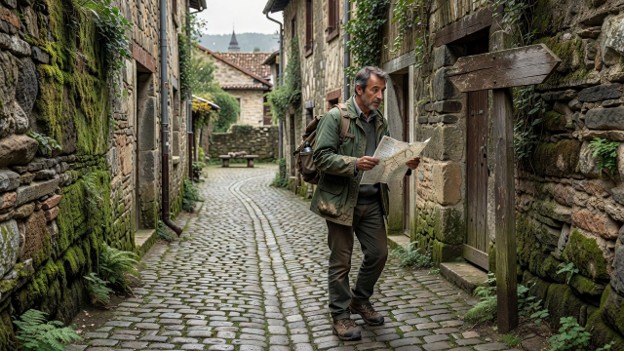
Your real discoveries accelerate the moment you leave the hotel with open eyes. Leave the main tourist streets and walk straight into residential quarters. Ride public buses or metro lines to their final stop, then explore on foot from there. Visit neighborhood markets within the first hour after opening when only locals shop.
Apply one reliable rule: from any busy avenue, make three consecutive left turns. This simple maneuver usually lands you in everyday life within five minutes. Follow your senses. Head toward the sound of children playing soccer in a small piazza, the aroma of fresh focaccia baking, or the sight of residents carrying full shopping bags.
One traveler in Lisbon followed the smell of grilling sardines away from Alfama and discovered a tiny family-run eatery in Mouraria where three generations shared one table. Another in Tokyo took the wrong suburban train and spent an afternoon in a quiet Yanaka alley lined with century-old wooden houses and neighborhood cats. These techniques require no special equipment — only curiosity and comfortable shoes.
The Power of Local Connections
Nothing unlocks a city faster than genuine conversations with residents. Personal connections remain the single most effective way to discover its true character.
Begin dialogue with sincere interest. Compliment a detail you notice — beautiful window boxes, a well-kept bicycle, or the way light hits a particular building. Ask open questions such as “If you had one free afternoon away from all the tourists, where would you go?” or “Which market still feels like it did when you were a child?” Avoid generic requests for photo spots or famous restaurants.
Search for locals at produce markets in the morning, tiny cafes without English menus on their walls, or neighborhood events advertised only on paper flyers. Offer reciprocity. Share a story from your own city or buy a round of drinks. Common mistakes include rushing the conversation, treating people like information kiosks, or failing to read body language that signals they prefer privacy. Respect builds trust. Trust opens doors that no guidebook can unlock.
Safety, Respect, and Turning Experiences into Lasting Memories
Venturing into non-touristy districts works best when you prepare for safety without losing spontaneity. Research specific neighborhoods in advance through recent local sources. Visit new areas first during daylight hours. Share your rough route with someone at your accommodation. Trust your instincts — if a street feels uncomfortable, turn around. Keep valuables concealed and avoid wearing expensive watches or large camera gear that signals wealth.
Respect matters even more than safety. Refrain from immediately posting exact coordinates of hidden spots on social media. Oversharing accelerates overtourism and strips places of their quiet magic. Ask permission before photographing residents. Leave every location cleaner than you found it. Support small businesses you discover rather than retreating to international chains.
Capture memories through more than photos. Keep a daily journal that records fragments of overheard conversations, the exact taste of a particular meal, or how light fell across a particular square. Record voice memos of stories locals told you. Sketch simple maps by hand. These methods cement experiences deeper than any digital album.
Travel this way long enough and something shifts inside you. Cities stop feeling like checklists. They become collections of lived moments and human connections. You return home more observant, more patient, and permanently curious about the quieter layers that exist everywhere — if only you choose to look.
To read more content like this, explore The Brand Hopper
Subscribe to our newsletter