
Last Updated on November 12, 2026 by Team TBH
Occupational lung cancer isn’t something people talk about enough when discussing the potential causes of lung cancer. Smoking is often pointed to as the main cause, but certain work environments can also play a significant role in increasing the risk of exposure to cancer-causing elements.
It’s important to know if the work environment you’re constantly exposed to is a safe haven against lung cancer or a risky exposure to the causative elements. Here are some of the notorious industries where workers face a higher risk of occupational lung cancer that you should know about.
Mining and Construction
Working in the mining and construction industries can expose you to various lung-cancer-causing agents, including silica dust, asbestos, and coal dust. Coal miners who work so closely with coal dust may inhale it, increasing their risk of black lung disease. Black lung disease turns the lungs black from the normal healthy pink, leading to permanent lung damage and difficulty in breathing. Workers with black lung disease are also at risk of Chronic Obstructive Pulmonary Disease (COPD) and other lung-related diseases.
Construction workers are at a higher risk of exposure to silica dust and asbestos than their mining counterparts. Breathing in silica dust exposes workers to silicosis, which causes lung scarring and can lead to other lung diseases. Since silica dust is 100 times finer than dust, it’s much easier to breathe in without even noticing it is present in the air.
Even though asbestos is no longer mined or actively used in products today, it’s still present in older buildings and construction materials where it was used for fireproofing. Workers in the construction industry are most likely to encounter asbestos when they disturb building materials that contain it. In modern work setups, asbestos exposure is mostly due to employers, who often fail to warn workers in time. If you suspect your exposure to the element was due to an employer’s negligence, you can seek help from lawyers here: https://www.lungcancergroup.com/legal/lung-cancer-law-firm/
Manufacturing
Whether it’s in food manufacturing or textiles, workers in the manufacturing space are generally exposed to the risk of lung cancer every day. Workers in food manufacturing are exposed to diacetyl, a compound used for flavoring microwave popcorn, fast food, and wine. Continuous exposure to this compound can lead to Bronchiolitis obliterans, which causes victims to experience low oxygen levels and difficulty breathing.
For workers in textile manufacturing, the main risk factor is inhaling dust from cotton, hemp, and flax, which can lead to the dreaded Brown Lung Disease. Also known as Byssinosis, this chronic disease can cause shortness of breath and chest tightness. Employers and workers should exercise extra caution in these work setups, including wearing protective gear throughout work sessions and undergoing regular medical checkups.
Welding
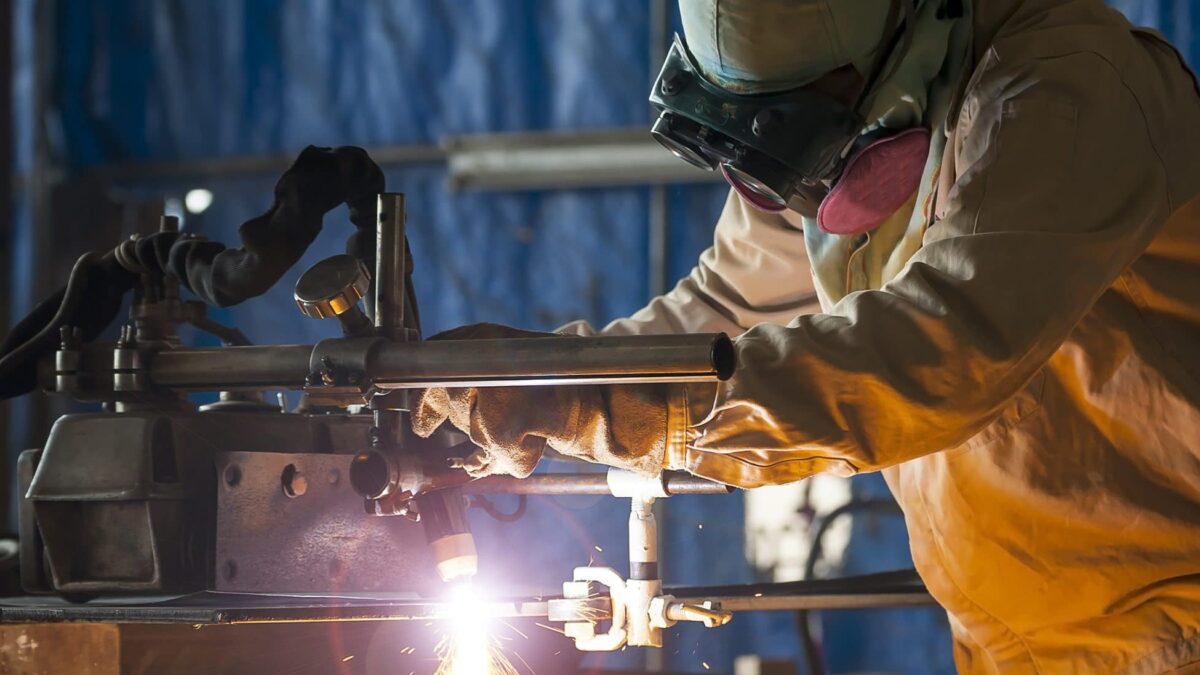
In the welding industry, workers are often exposed to gases and fumes that are produced during the welding process. Since these gases are released from the combustion of metals, they may contain carcinogenic substances, such as arsenic, chromium, or nickel. If welders inhale those substances during work, they are at high risk of developing different types of lung cancer. Protective masks and maintaining a safe distance from the fumes when welding can reduce the risk of exposure.
Endnote
Industries such as mining, construction, manufacturing, and welding remain some of the highest-risk places to work with regard to occupational lung cancer exposure. If you or a loved one works or has worked in any of these industries, it’s important to get checked early and take appropriate preventive measures going forward.
To read more content like this, explore The Brand Hopper
Subscribe to our newsletter