Last Updated on September 14, 2026 by Team TBH
There is a widespread discussion about what is better: a lab-grown diamond or a natural diamond. The answer is not simple, and what people miss is that both can offer the brilliance, durability, and timeless appeal people associate with diamond jewelry. However, they both have very different origins.
It is not necessarily about deciding which option is better. It is about understanding what makes each type different, from how it is formed to how it is graded, priced, identified, and ultimately chosen for a piece of jewelry.
For anyone buying an engagement ring, anniversary gift, or everyday diamond jewelry, knowing these differences can make the decision much easier.
Natural Diamonds
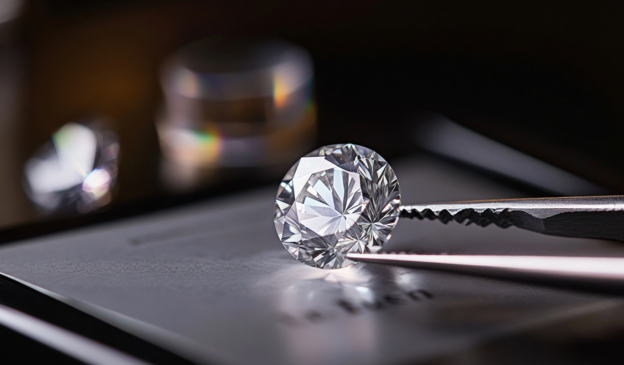
Natural diamonds are made deep within the Earth under extremely high temperatures and pressures. Their formation takes place over millions to billions of years, long before geological processes eventually bring them closer to the Earth’s surface.
Every natural diamond has its own geological history. Trace elements, inclusions, and differences in the conditions under which the stone formed contribute to its individual characteristics. These features are considered when gemologists evaluate and grade a diamond.
Natural diamonds are commonly assessed according to the 4Cs: cut, color, clarity, and carat weight. Independent gemological laboratories can also examine a diamond to determine whether it is natural and document its characteristics in a grading report.
According to the Gemological Institute of America (GIA), natural diamonds and laboratory-grown diamonds have different growth histories. Even though laboratory-grown diamonds possess essentially the same chemical, physical, and optical properties as their natural counterparts.
Lab Grown Diamond
A lab grown diamond is a real diamond created using controlled technological processes instead of geological processes.
There are two primary methods used to grow diamonds in laboratories: High Pressure High Temperature (HPHT) and Chemical Vapor Deposition (CVD).
The HPHT method recreates some of the high-pressure and high-temperature conditions associated with natural diamond formation. Carbon is subjected to extreme pressure and heat, allowing diamond material to grow around a diamond seed.
CVD takes a different approach. In this process, carbon-containing gases are introduced into a controlled chamber, where carbon atoms deposit onto a diamond seed and gradually form a diamond crystal.
The distinction between a lab-grown diamond and a diamond simulant is also important. Lab-grown diamonds are not just diamond lookalikes. They have essentially the same crystal structure, chemical composition, and physical and optical properties as natural diamonds.
In other words, choosing a lab-grown diamond does not mean choosing an imitation. The difference is its origin.
Lab Grown Diamonds vs. Natural: What Is the Difference?
The biggest lab-grown diamonds vs natural difference is how and where the diamonds are formed.
Natural diamonds develop through geological processes over extraordinarily long periods. Lab-grown diamonds are produced in controlled laboratory environments and can be grown in weeks, depending on the method, size, and desired characteristics. GIA notes that both HPHT and CVD are established laboratory diamond growth methods.
The two types can also be identified differently.
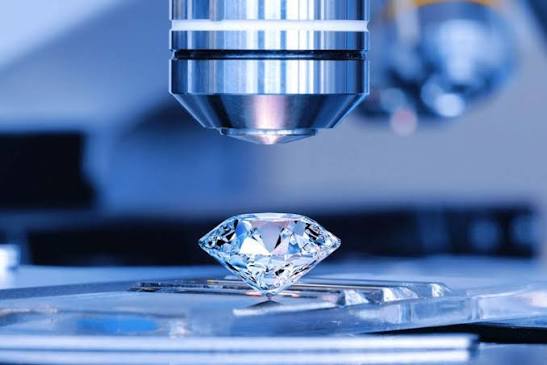
To the naked eye, a high-quality lab-grown diamond can look virtually indistinguishable from a natural diamond. Their similarities are significant enough that sophisticated testing may be necessary to determine their origin. GIA explains that traditional observations and older diamond-testing methods cannot reliably separate laboratory-grown diamonds from natural diamonds; identification requires advanced instruments and professional gemological analysis.
That makes documentation particularly useful when purchasing a diamond. A reputable grading or identification report gives buyers more information about the stone they are considering.
Appearance: Can You Tell Them Apart?
For many shoppers, appearance is one of the most important parts of the comparison.
Lab-grown and natural diamonds can have essentially the same crystal structure and very similar optical and physical properties. Once cut and polished, the visual difference between the two may not be apparent to the naked eye.
A diamond’s sparkle is influenced by characteristics such as its cut, proportions, symmetry, and polish. In other words, whether a diamond was formed naturally or grown in a laboratory does not, by itself, determine how beautiful it will look when set into jewelry.
This is why shoppers should consider the quality of the individual stone as well as its origin. The 4Cs remain important when comparing diamonds, whether natural or laboratory-grown.
Price Is Another Major Consideration
Price is another area where shoppers are likely to notice a difference between natural and laboratory-grown diamonds.
Because lab-grown diamonds are produced in controlled environments rather than extracted through mining, they are commonly sold at different price points from comparable natural diamonds.
For someone working with a particular jewelry budget, that difference can provide greater flexibility. A buyer may be able to consider a larger center stone or place greater emphasis on characteristics such as color, clarity, or cut while staying within a chosen budget.
For another buyer, however, the geological origin of a natural diamond may be an important part of its appeal. The fact that the stone formed naturally over an immense period of time can carry personal significance and may make the additional cost worthwhile.
Ultimately, price is only one part of the decision.
Grading and Certification Matter
Whether you opt for a natural diamond or a lab-grown diamond, documentation is worth paying attention to.
Gemological laboratories use specialized equipment to assess diamonds and provide reports describing their characteristics. GIA developed the 4Cs of diamond quality and separately identifies laboratory-grown diamonds through its testing and reporting processes. GIA also notes that laboratory-grown diamonds can receive documentation that clearly distinguishes them from natural diamonds.
A grading report can help shoppers understand what they are purchasing rather than relying solely on how a stone looks or on a retailer’s description.
Clear disclosure of a diamond’s origin is also important. The U.S. Federal Trade Commission’s Jewelry Guides state that laboratory-created or laboratory-grown diamonds should be clearly described as such so consumers understand that they are not mined diamonds.
For consumers, this transparency makes comparing different diamonds much easier.
Which One Should You Choose?
There is no universal answer to the natural-versus-lab-grown question.
A natural diamond may appeal to someone who values geological history, rarity, tradition, and the fact that the stone formed naturally over millions or billions of years.
A lab grown diamond may appeal to someone who is more focused on getting the size, quality, and design they want within a particular budget, while still choosing a diamond with essentially the same fundamental crystal structure and physical and optical properties as a natural diamond.
The right choice ultimately comes down to what matters most to you.
When choosing an engagement ring or another meaningful piece of jewelry, it is also worth looking beyond the center stone. The setting, metal, diamond shape, proportions, craftsmanship, and overall design all contribute to the finished piece.
For shoppers exploring modern diamond options, a lab grown diamond can provide an opportunity to create a meaningful piece of jewelry while retaining the characteristics that make diamonds so enduring.
Making a Confident Diamond Choice
The lab grown diamonds vs natural conversation becomes much easier to understand when the differences are separated from the misconceptions.
The fundamental distinction is origin. Natural diamonds are formed through geological processes deep within the Earth, while laboratory-grown diamonds are produced using HPHT or CVD technology in controlled laboratory environments. At the same time, lab grown diamonds share essentially the same chemical composition, crystal structure, and optical and physical properties as natural diamonds.
The differences become more apparent when considering factors such as formation time, origin, identification, pricing, and personal preference.
Rather than asking which type is automatically superior, it makes more sense to consider which option fits your priorities, budget, and expectations.
And once you have decided on the diamond itself, the next step is finding a design that feels equally personal. From classic solitaires to more contemporary settings, exploring diamond rings for women can help you find a piece that reflects individual style rather than simply following a trend.
To read more content like this, explore The Brand Hopper
Subscribe to our newsletter