Last Updated on September 29, 2026 by Team TBH
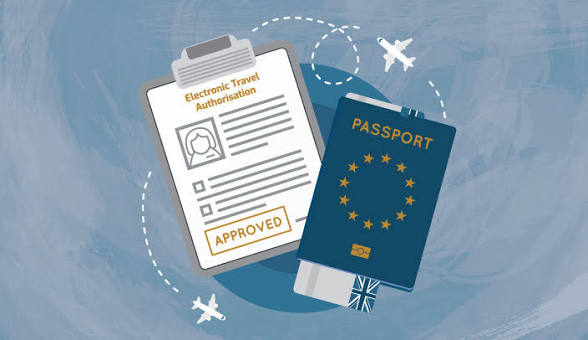
Travel authorisations are becoming increasingly digital, but the transformation is about more than replacing paper forms with online applications. Every digital interaction now contributes to how travelers perceive the organizations, platforms, and services involved in their journey. What was once regarded primarily as an administrative step has become part of the wider travel experience.
That creates an unusual branding challenge. Travelers completing an authorization form are rarely looking for entertainment or inspiration; they want accuracy, reassurance, speed, and clarity. Yet those functional expectations influence trust just as strongly as visual identity or advertising. In this context, branding becomes less about memorable slogans and more about reducing uncertainty at a moment when users are sharing important personal information.
That trust question is especially visible in how people research assistance services before beginning an application. Searches for handlevisa.com reviews from travelers reflect a broader digital behavior: users increasingly look for third-party experiences, transparent explanations, and evidence that a process will be understandable before they commit to it. Reviews effectively become another brand touchpoint, whether companies deliberately manage them as one or not.
Digital Bureaucracy Is Still a Customer Experience
Organizations sometimes treat administrative technology differently from conventional consumer products. The assumption is that because travelers need to complete a particular requirement, design and branding matter less.
In practice, the opposite can be true.
Mandatory or high-stakes processes create little tolerance for ambiguity. A confusing question, an unclear fee, an unfamiliar term, or a poorly explained next step can undermine confidence immediately. Travelers may not distinguish between the underlying administrative requirement and the digital interface through which they encounter it.
That means the interface itself communicates a brand promise. Clear instructions suggest competence. Consistent terminology suggests reliability. Visible confirmation messages reduce anxiety. Conversely, inconsistent wording, cluttered screens, or unclear responsibilities can create distrust even if the underlying technology works correctly.
This is closely connected to the broader emphasis on customer experience found throughout The Brand Hopper. Digital brands are increasingly judged not only by what they offer but by how confidently users can move through the experience.
The Brand Must Explain What the Technology Cannot
Digital travel authorisations often depend on systems operating largely out of sight. Identity verification, eligibility checks, document validation, payments, and automated processing may all happen behind a relatively simple interface.
Industry technology providers are already developing systems that move much of the authorization process online. For example, SITA’s travel authorization technology overview describes platforms that can combine digital applications with identity verification, eligibility checks, document processing, and automated authorization workflows.
From a branding perspective, however, invisible automation creates a communication problem. Users cannot easily see what is happening behind the screen.
Good digital experiences therefore need to explain progress without overwhelming travelers with technical detail. A short message such as “your information is being reviewed” can be more reassuring than a spinning loading icon. Confirmation screens should explain what has been completed, what happens next, and whether the traveler needs to take further action.
Technology may make the process faster, but communication makes that speed feel trustworthy.
Consistency Matters More Than Visual Novelty
Travel documentation is probably not the right environment for experimental navigation or highly unconventional design. Familiarity has branding value.
Users expect recognizable patterns: clearly labeled fields, progress indicators, confirmation pages, secure payment cues, and straightforward support options. When these elements behave predictably, the traveler can focus on completing the application rather than learning how the website works.
Visual identity still matters, but its role is different from that of a fashion, entertainment, or lifestyle brand. Color, typography, iconography, and layout should primarily reinforce clarity and legitimacy.
The strongest design may therefore be the design users barely notice.
A consistent experience also needs to survive across devices. Travelers may begin researching an authorization on a laptop, continue on a phone, photograph documents with a mobile camera, and later return to check their status. Each transition creates another opportunity either to strengthen or weaken confidence.
Transparency Is Becoming Part of Brand Positioning
One of the hardest branding challenges in travel authorization services is explaining who does what.
The traveler may encounter airlines, technology providers, private application-support services, payment processors, and destination authorities within the same journey. When those roles are not clearly distinguished, confusion follows.
Successful positioning requires straightforward language about the service being provided. A private assistance platform, for example, should make its role, fees, support services, and relationship to the final decision-making authority easy to understand.
This is not simply a compliance exercise. Transparency itself has become a differentiator.
Digital consumers have learned to look for pricing information, reviews, privacy explanations, refund conditions, contact options, and signs of organizational accountability before handing over personal information. Brands that make these answers easy to find reduce one of the most damaging forms of friction: uncertainty.
Designing for the Moment After Submission
Many organizations concentrate heavily on getting users through a form and pay less attention to what happens immediately afterward.
Yet the period between submission and a final response can be one of the most emotionally important parts of the journey.
A strong post-submission experience answers several basic questions: Was the application received? Is anything missing? When should the traveler check again? How will updates arrive? Where can support be found?
Even when processing itself is outside a company’s direct control, expectation management remains part of the experience.
This principle applies far beyond travel. The best digital brands recognize that customer experience does not end when the user clicks “Submit.” In uncertain processes, communication after the transaction can influence trust more than the transaction itself.
The Future Brand of Travel Administration
As international travel becomes increasingly digital, administrative processes will compete for attention alongside booking apps, airline platforms, digital wallets, and other carefully designed services.
Travelers will naturally compare those experiences.
The branding challenge behind digital travel authorisations is therefore not simply creating an attractive website. It is translating complexity into confidence.
The strongest experiences will make responsibilities clear, explain unfamiliar processes in ordinary language, maintain consistency across devices, and reassure travelers at every important transition.
In a digital travel environment, trust is not created by a logo alone. It is created every time the interface answers the user’s next question before uncertainty has a chance to take over.
To read more content like this, explore The Brand Hopper
Subscribe to our newsletter