Last Updated on November 18, 2026 by Team TBH
Your office needs to offer more than just a place for staff to sit at a desk. It should help your team work effectively, make everyday tasks easier and give people a reason to make the commute each week. As working habits and employee expectations evolve, the workplace can influence everything from collaboration and productivity to how people feel about the business they work for.
Flexible spaces for changing ways of working
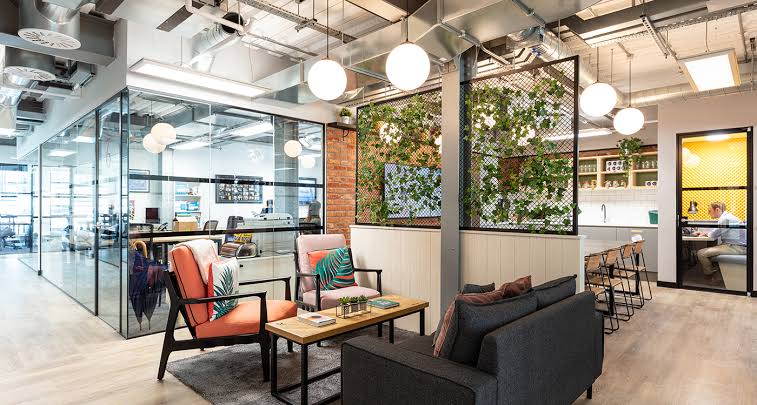
Hybrid working means your office may accommodate different numbers of employees throughout the week. Rather than assigning everyone a permanent desk, you can create adaptable areas that support how people actually work.
For example, movable furniture allows your team to turn an open workspace into a meeting area when necessary. Quiet booths give employees somewhere to concentrate, while shared tables encourage colleagues to work together.
Before changing your layout, review office attendance patterns and ask employees which spaces they use most. This helps you avoid paying for unnecessary desks while providing enough room for busy days.
Energy efficiency and sustainable design
Energy costs remain a significant consideration for UK businesses, making efficient office design increasingly important.
LED lighting uses considerably less electricity than traditional bulbs, while motion sensors prevent lights from staying on in empty meeting rooms. Better insulation and modern heating controls can also reduce energy waste without compromising comfort.
You can identify opportunities for improvement by examining your energy bills and checking your building’s Energy Performance Certificate (EPC). Where possible, choose durable furniture and recycled materials to reduce waste when refurbishing your workspace.
Natural daylight also deserves attention. Positioning desks near windows can reduce your reliance on artificial lighting and create a more pleasant working environment.
Technology built into the workplace
Reliable technology helps your employees move smoothly between office-based and remote working.
Meeting rooms need dependable video conferencing equipment so colleagues can communicate clearly with people working elsewhere. Strong Wi-Fi coverage and accessible charging points also prevent unnecessary interruptions.
Smart booking systems offer another practical improvement. Employees can reserve desks or meeting rooms before arriving, helping everyone make better use of available space.
You should also consider cybersecurity when introducing connected workplace systems. Secure networks and regular software updates help protect business information.
Location and amenities still matter
Your office location influences recruitment, commuting costs and how easily clients can visit your business.
If you’re exploring office space in Leeds, consider proximity to railway stations, bus routes and nearby services. A central location may make commuting easier for employees travelling from different parts of Yorkshire.
Amenities also affect everyday satisfaction. Nearby cafés, secure cycle storage and comfortable breakout areas can make office attendance more appealing.
Compare potential premises against your team’s commuting needs and the facilities they use regularly. This will help you choose an office that supports both your employees and your longer-term business plans.
To read more content like this, explore The Brand Hopper
Subscribe to our newsletter