Last Updated on September 4, 2026 by Team TBH
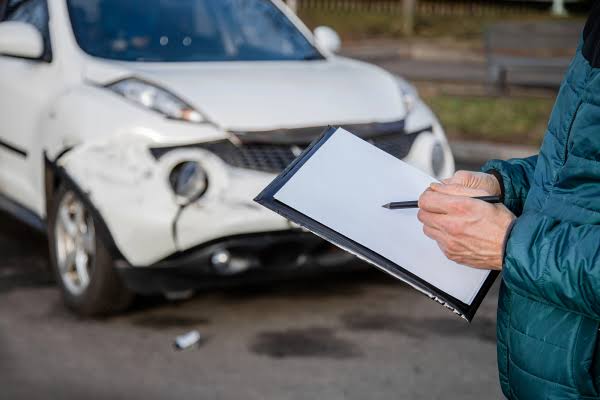
Utah roads see thousands of accidents every year, and a large share of them result in a vehicle being declared a total loss. That declaration doesn’t mean the conversation is over; it means the real negotiation is just starting.
Your insurer won’t simply hand you a number you can trust without question. The settlement offer they present reflects a formula that weighs several variables, and each one is worth understanding before you sign anything.
Pre-Accident Condition and Mileage
The value assigned to a totaled car doesn’t begin with what you paid for it years ago. It starts with what the vehicle was worth the day before the crash occurred. Insurers examine documented condition, service history, and odometer readings to establish that baseline figure. That’s why maximizing compensation for a totaled car often comes down to how thoroughly you can document the car’s pre-accident state. A vehicle with full maintenance records, recently replaced tires, and a clean accident history will typically appraise at a higher price than an identical make and model that hasn’t visited a mechanic in three years.
Mileage matters more than most drivers expect. Every 10,000 miles logged above average annual use chips away at a vehicle’s assessed value in a measurable way. Drive below average before the accident? That detail works in your favor, and you should push your adjuster to reflect it in the final valuation.
Keep any records you have: receipts for recent repairs, oil change logs, and any photos that show the car’s condition before the collision. These aren’t just nice-to-haves; they’re evidence in a negotiation.
Utah’s Total Loss Threshold
Utah applies a total loss threshold to decide whether a damaged vehicle is officially written off. A car is declared a total loss once repair costs reach or exceed 80% of its actual cash value. So a vehicle worth $12,000 before impact becomes a total loss the moment repair estimates climb to $9,600.
That threshold matters because it directly determines whether you receive a repair payout or a vehicle replacement settlement. It also shapes the exact number your insurer is working toward from the start. If your car lands close to that line, it’s worth getting an independent repair estimate rather than relying solely on the insurer’s preferred shop.
Some drivers don’t realize the threshold can sit in a gray area. An adjuster might push a vehicle into total loss territory when repairs are genuinely viable, or flip the other direction, whichever outcome is financially favorable. Know the rule. It protects you from accepting a settlement that doesn’t match the actual numbers.
Vehicle Age and Make/Model
Newer vehicles generally hold more value, but the relationship between age and worth isn’t perfectly linear. Certain makes and models lose value fast in the first two years, while others stay strong well past the decade mark. Insurers consult reference guides and market databases to identify comparable vehicles before setting your actual cash value.
Your car’s make and model also affects parts availability and repair labor costs, which can influence whether a borderline case tips toward total loss or repair. A rare or discontinued model might be totaled at a lower damage threshold simply because replacement parts are hard to source.
And trim level matters more than people think. A base model and a fully loaded version of the same car can differ by several thousand dollars. If your adjuster is pulling comparable sales from a lower trim, that’s worth disputing, and documented proof of your vehicle’s specific package is how you do it.
Comparable Sales in Your Local Market
Insurers don’t value your car in a vacuum. They look at what similar vehicles are actually selling for in your local market, typically within a radius of your registered address. In Utah, that means Salt Lake County, Utah County, and surrounding areas all factor in depending on where you live and what local inventory looks like.
If used car prices in your area are running above national averages, your actual cash value should reflect that. You can verify this yourself by pulling current listings on publicly available used-car platforms for your specific year, make, model, trim, and mileage.
If the comparable sales your insurer references don’t match what you find, you have every right to submit your own comps in writing. Adjusters aren’t infallible, and errors in comparable selection are more common than people assume.
Aftermarket Modifications and Upgrades
Not all upgrades add value in an insurer’s eyes, but the right ones can. Genuine manufacturer accessories (an upgraded sound system installed by the dealership, a factory tow package, or factory navigation) typically count toward your vehicle’s value because they’re part of the original equipment record.
Third-party modifications are trickier. A performance exhaust, custom wheels, or a lifted suspension may have cost you thousands of dollars, but insurers often exclude them from the total loss settlement unless they were listed on your policy. Some carriers offer add-on coverage for aftermarket equipment. If you had that coverage before the accident, now is the time to use it.
Document every modification you made with receipts and photos. Even if the insurer initially excludes an upgrade, presenting documented proof of installation and cost gives you a starting point for a counter-offer.
Outstanding Liens and Title Issues
If you still owe money on the vehicle, your settlement goes to the lienholder first, not to you. The lender gets paid from the actual cash value, and whatever’s left comes your way. Owe more than the car’s assessed value? You’re on the hook for the gap unless you carried gap insurance.
Title issues can complicate things further. A salvage title from a previous accident, an undisclosed flood history, or an open recall that affected the car’s safety rating can all reduce what an insurer is willing to pay. These issues show up on vehicle history reports, and adjusters pull them routinely.
Before accepting any settlement, verify how much of your outstanding loan balance the payout actually covers. If you’re short, pull out your insurance documents and look for gap coverage language. Many Utah drivers carry it without ever realizing they do.
Conclusion
The value of a totaled car after an accident in Utah depends on a combination of factors, from your vehicle’s documented condition and local market pricing to how your modifications were listed on your policy. None of these factors work in isolation. Understanding what affects the number your insurer proposes gives you a real basis for questioning it, correcting errors, and making sure the settlement actually reflects what you lost.
To read more content like this, explore The Brand Hopper
Subscribe to our newsletter